
Outpoll Weekly Recap: Science (February 9 – 15, 2026)
Stay Informed. Act Smarter.
Get weekly highlights, major headlines, and expert insights — then put your knowledge to work in our live prediction markets.
Outpoll Weekly Recap: Science (April 20 – 26, 2026)

Spring equinox 2026: Time, meaning, and science of seasons.
Outpoll Weekly Recap: Science (April 13 – 19, 2026)
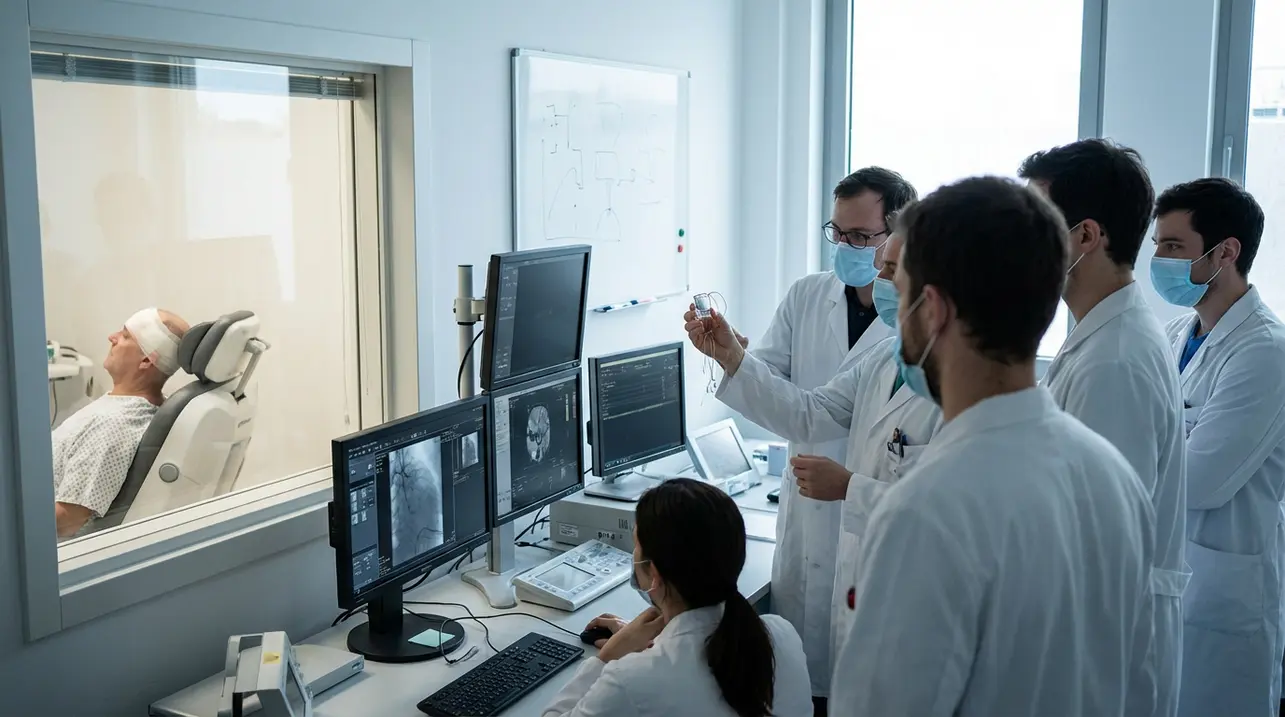
Science Corp Prepares First Human Brain Sensor Implant

Stop trying to ‘educate’ people into changing. Science proves it doesn’t work

The Brain's Saboteurs: How a Neuroscience Pioneer Framed Our Modern Struggles
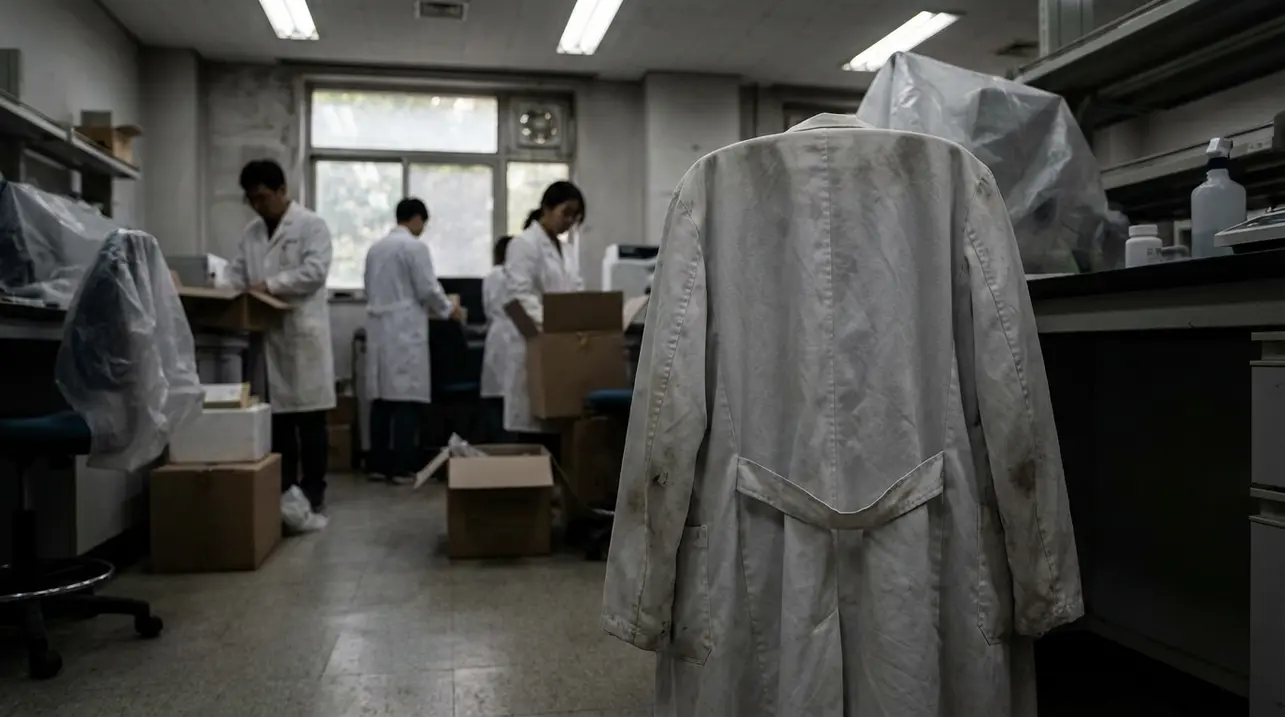
Trump's next budget calls for massive cuts to science again.
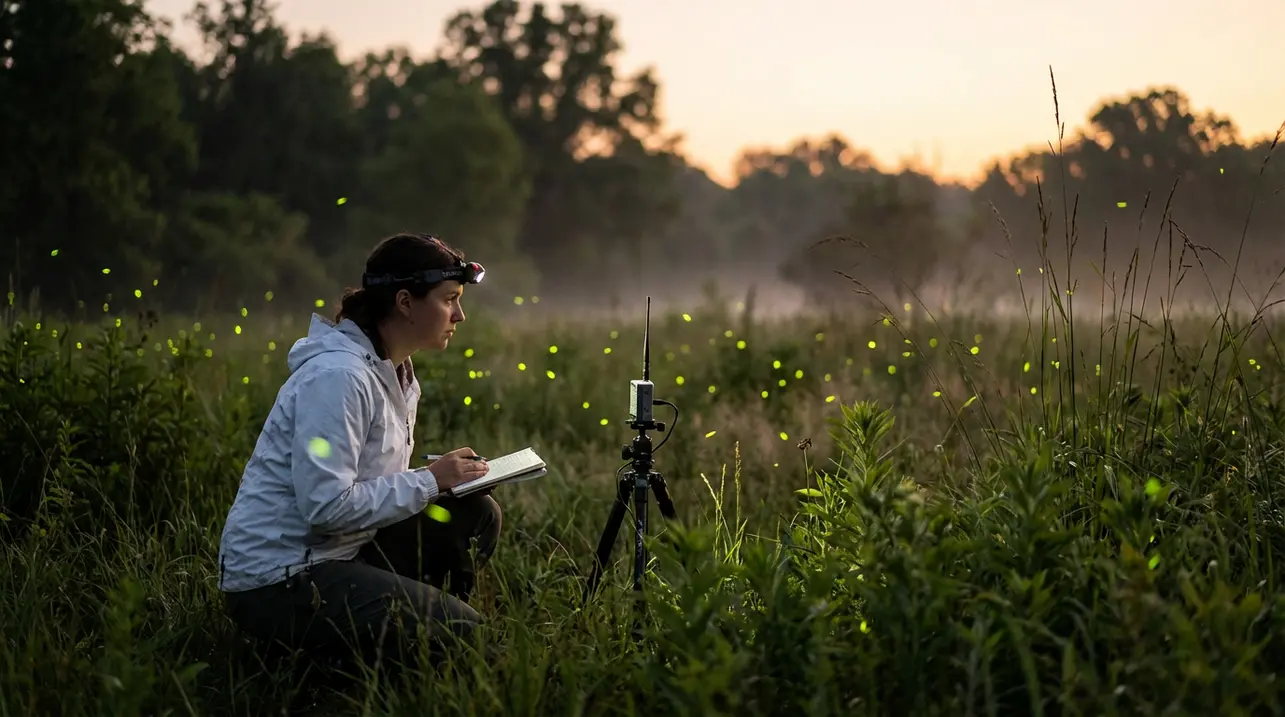
The science of how fireflies stay in sync
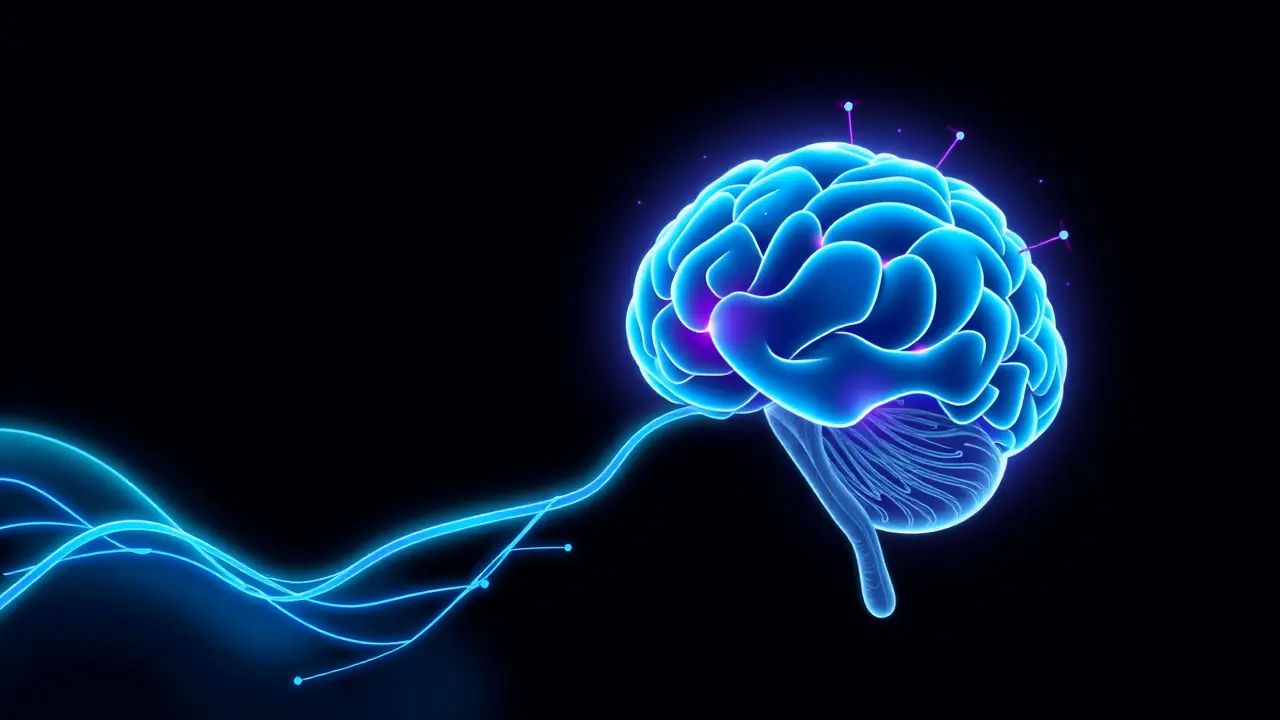
Outpoll Weekly Recap: Science (March 30 – April 5, 2026)
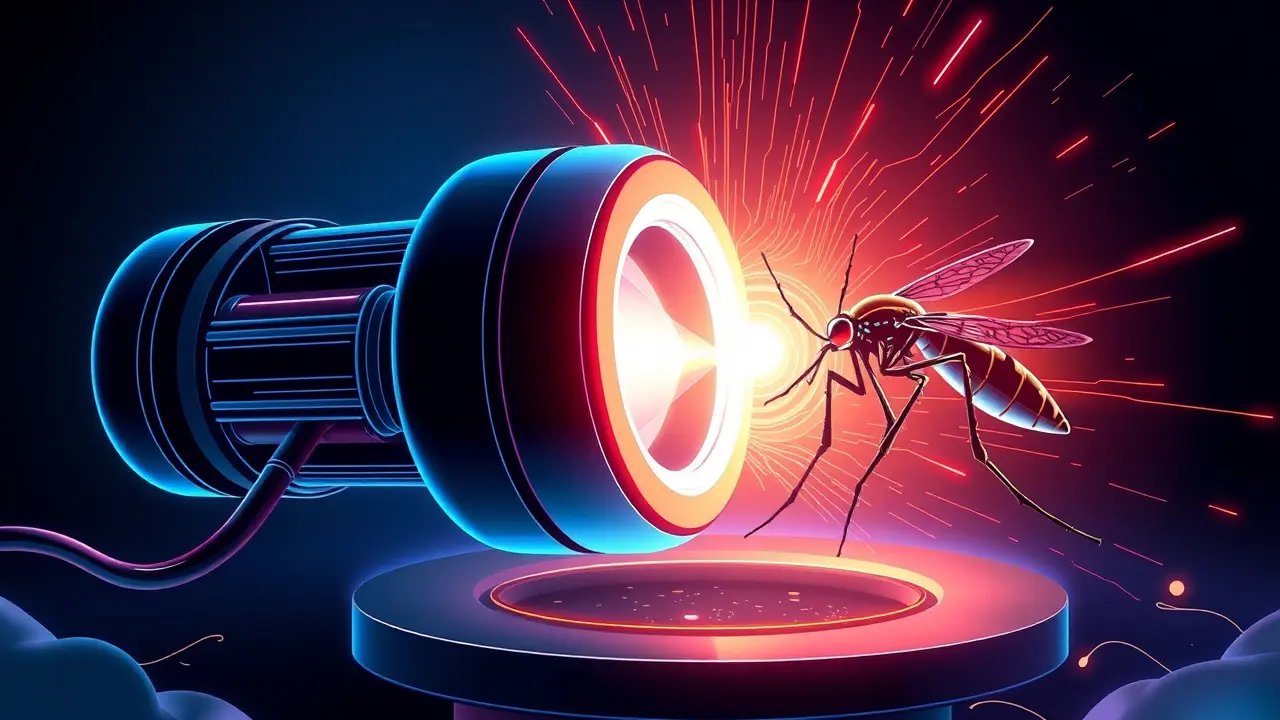
Outpoll Weekly Recap: Science (March 23 – 29, 2026)

Neuroscience reveals brain's sleep-like cleaning during sleep deprivation.
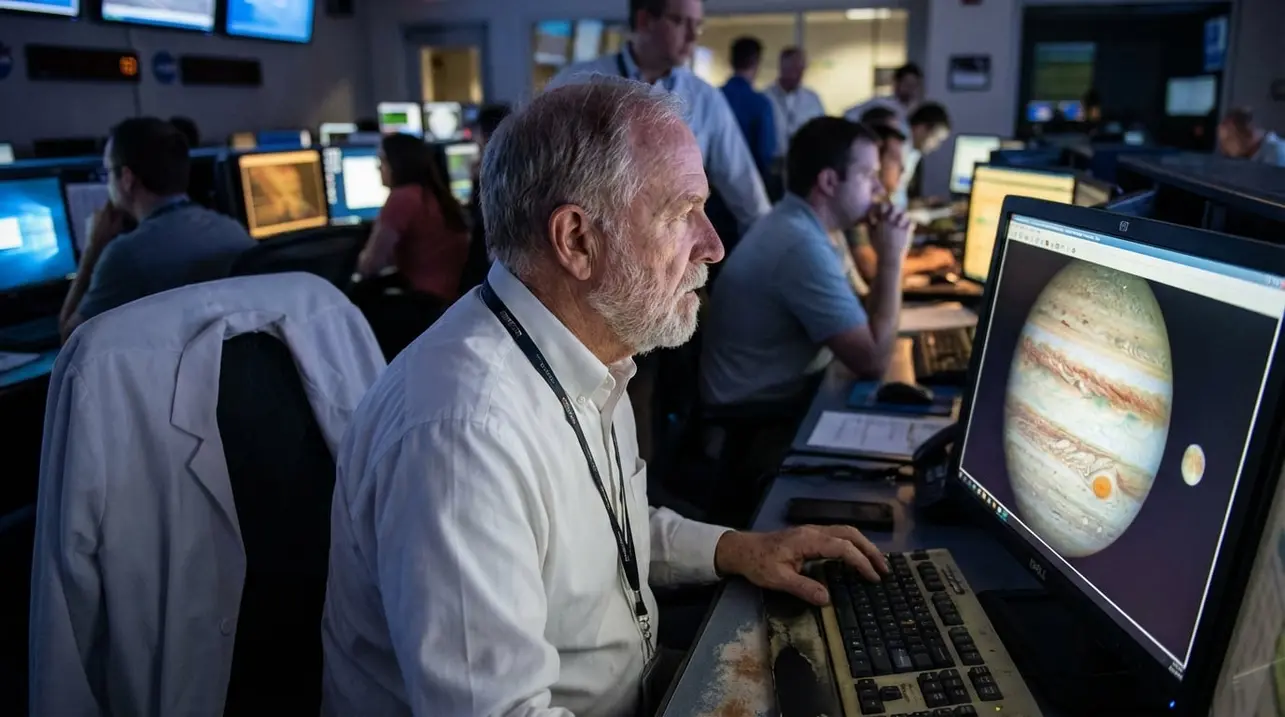
A mission NASA might kill is still returning fascinating science from Jupiter

Think You’re Too Old to Start a Business? Science Says No.
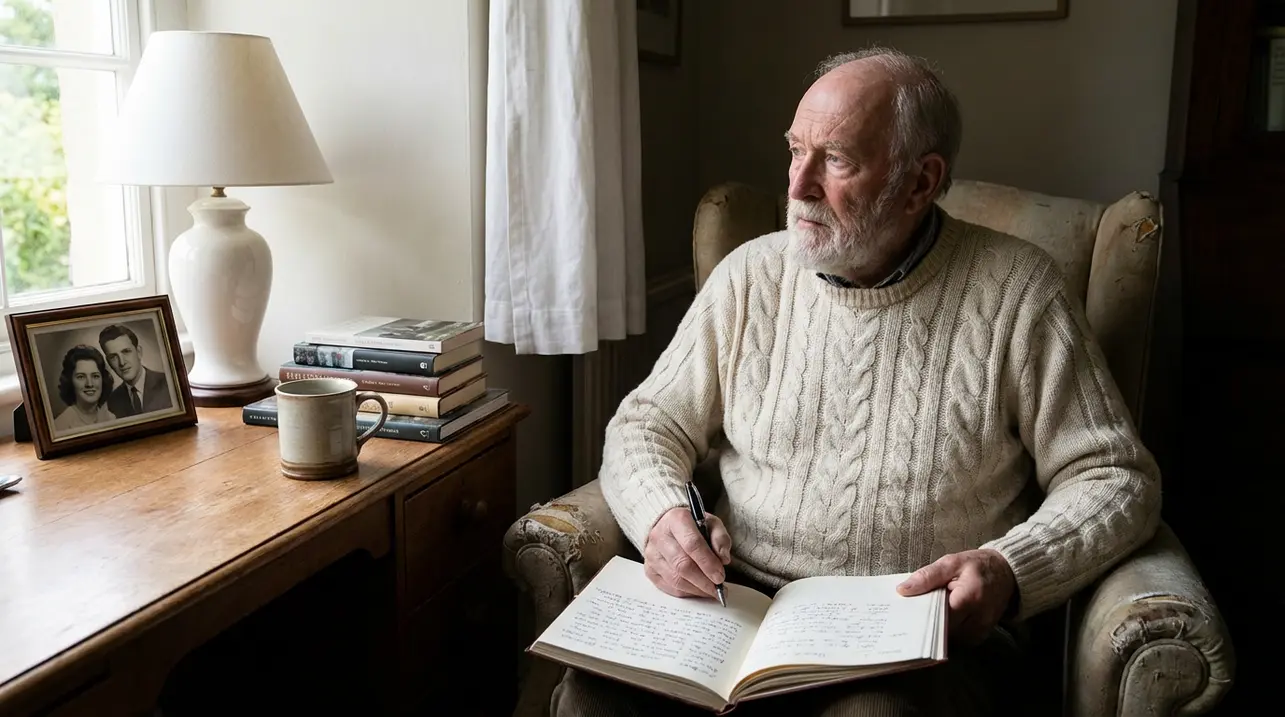
Place, Personhood, and the Hippocampus: The Fascinating Science of Magnetism, Autonoeic Consciousness, and What Makes Us Who We Are
Outpoll Weekly Recap: Science (March 16 – 22, 2026)