Outpoll Weekly Recap: Science (January 5 – 11, 2026)
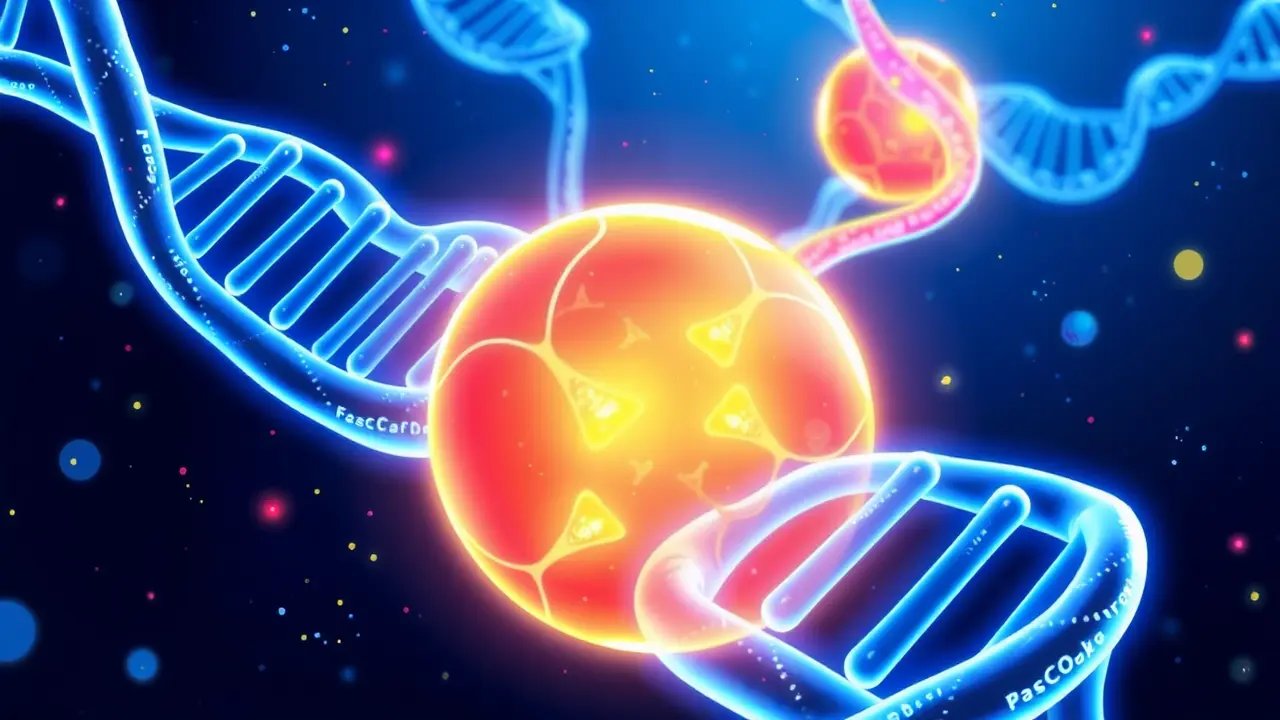
This week in science felt less like a steady march of progress and more like a series of quantum leaps, with prediction markets scrambling to price in the implications. The headline act was undoubtedly the publication in *Nature* of the first successful, peer-reviewed in-vivo trial of a next-generation CRISPR-based epigenetic editor, dubbed 'CRISPR-E'.Forget cutting DNA; this tool acts like a master volume knob for gene expression, dialing up tumor-suppressor genes in a small cohort of pancreatic cancer patients without altering the underlying genetic code. Early results showed a staggering 60% reduction in tumor markers, sending shares of biotech frontrunner GeneSilence soaring 40% in pre-market trading.The prediction market on 'First CRISPR-E therapy approved by FDA' saw its probability spike from a languid 18% to a frenzied 78% in under 48 hours, a volatility that speaks to the sheer disruptive potential of moving from gene editing to gene *orchestration*. Meanwhile, in a quieter but no less profound corner of the lab, a joint MIT-Caltech team announced a breakthrough in quantum error correction, achieving a logical qubit fidelity that finally crosses the theoretical threshold for scalable quantum computing.This isn't just an incremental improvement; it's the equivalent of discovering the transistor after decades of vacuum tubes. Prediction contracts on 'Achievement of quantum supremacy for drug discovery' before 2028 saw a steady, confident climb from 33% to 55%, reflecting a growing consensus that the hardware bottleneck is finally cracking.On the climate front, the week's drama was provided not by a discovery, but by a daring—some say reckless—geoengineering experiment. The Stratospheric Aerosol Injection (SAI) test conducted by the private consortium Cirrus Clear over the South Pacific, while small-scale, has ignited a firestorm in prediction markets and policy circles alike.Contracts on 'Major international geoengineering treaty signed by 2030' flipped from 'unlikely' to 'lean yes', now sitting at 52%, as nations suddenly feel the urgent need to legislate the sky. Yet, for all the high-tech fanfare, the most poignant movement was in the 'De-extinction' market, where the probability of a viable woolly mammoth calf born via artificial womb before 2030 dipped sharply from 31% to 19%.This correction came after leading geneticists published a sobering analysis highlighting the immense, and perhaps insurmountable, challenge of replicating not just a genome, but an entire Pleistocene microbiome and social ecosystem. It was a stark, necessary reminder that biology's complexity often humbles even our most audacious engineering. This week perfectly encapsulated the science of 2026: a breathtaking dance between hyper-accelerated technological possibility and the profound, enduring complexities of the natural systems we seek to master.