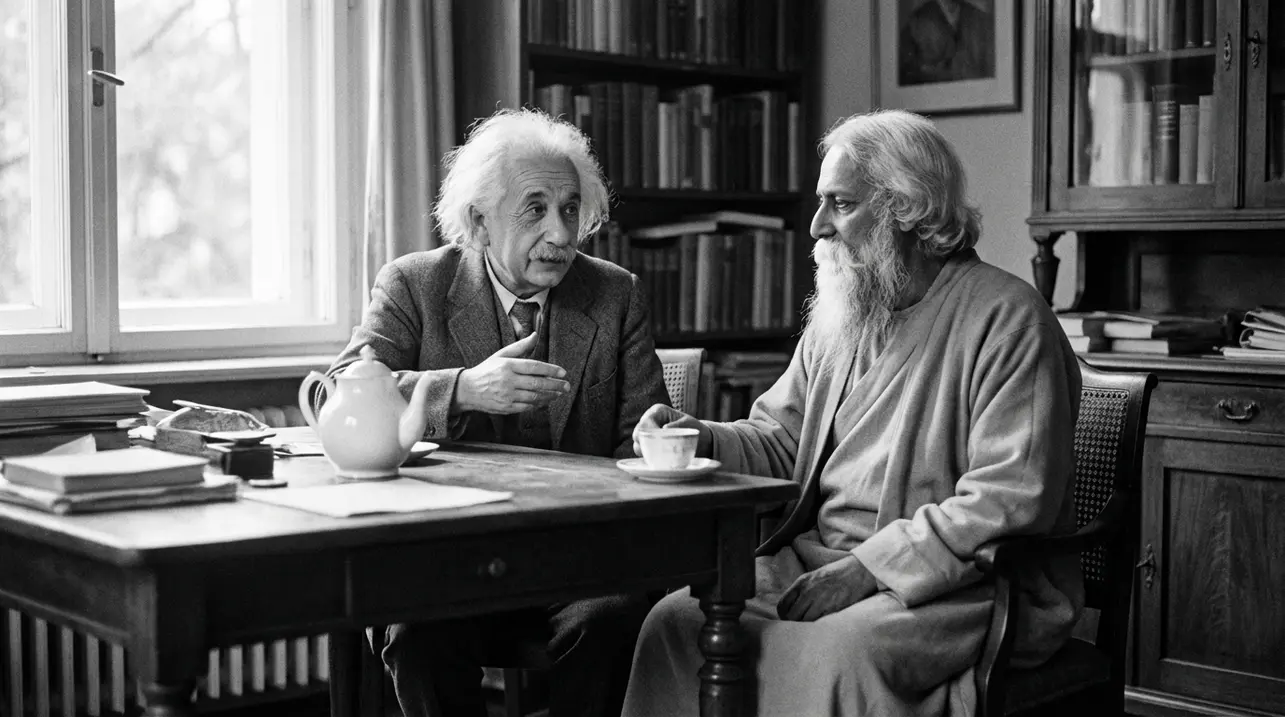
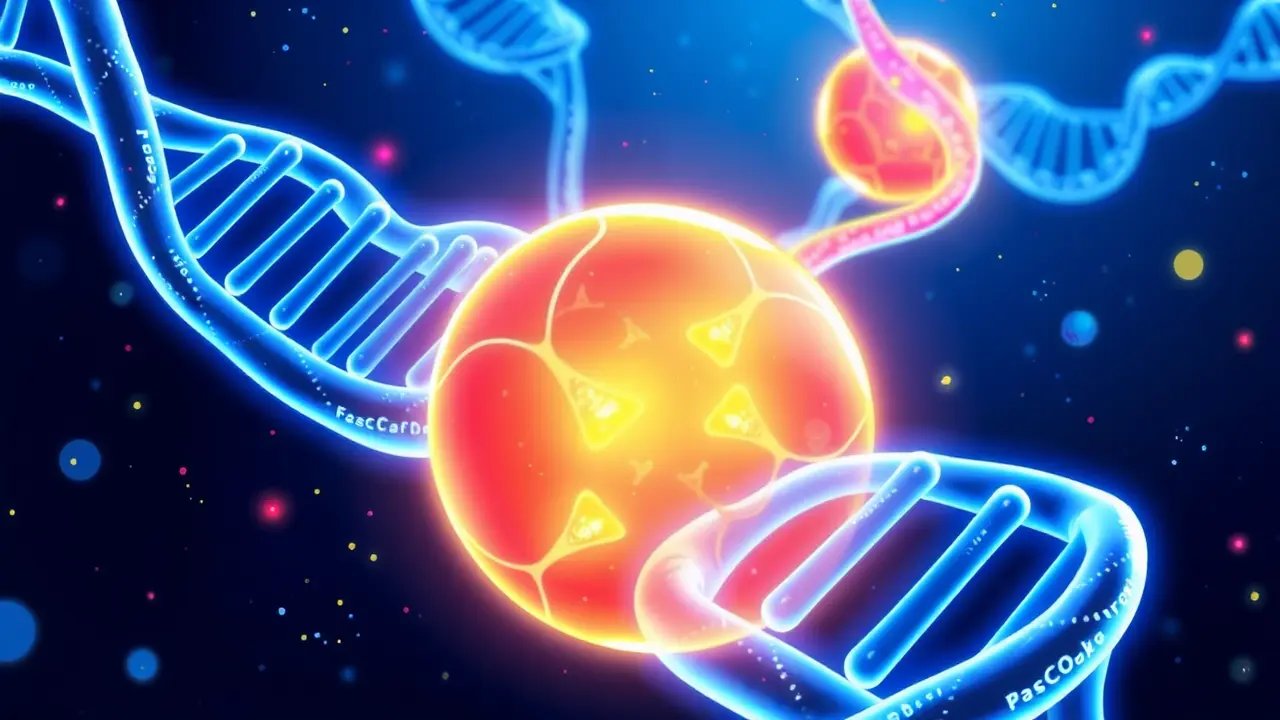
Understanding the Science Behind 'Your Body Keeps Score'
We’ve all heard the phrase “your body keeps score,” a line that feels almost like a whisper from our future selves. When we’re young, it’s easy to dismiss; we feel invincible, bouncing back from stress, sleepless nights, and next-day regrets with a resilience that feels endless.But time has a way of teaching us otherwise. You start to notice the ache in your shoulders that wasn’t there before, the way a certain tone of voice can make your stomach clench, or how a forgotten memory can surface as a physical tension you can’t quite place.This isn’t just folk wisdom; it’s a profound biological truth rooted in the science of trauma and stress, a concept popularized by Dr. Bessel van der Kolk’s seminal work.The core idea is that our nervous system is a meticulous archivist. It doesn’t just store memories in the mind as stories or images; it encodes experiences—especially distressing ones—in our very physiology.When we face a threat, real or perceived, our body’s alarm system, the sympathetic nervous system, kicks into high gear, flooding us with cortisol and adrenaline to prepare for fight or flight. If that threat is overwhelming, or if we’re unable to discharge that pent-up energy through action, the experience can get trapped.The score is kept in elevated heart rates, in a hyper-vigilant startle response, in chronic pain, digestive issues, or a compromised immune system. I’ve spoken to therapists who describe clients whose chronic back pain eased only after processing long-buried grief, and to yoga instructors who see the body unlock emotions held in the hips and jaw.It’s a reminder that we are not just brains piloting meat suits; we are integrated systems where thought, feeling, and sensation are inextricably linked. This understanding shifts the narrative from “it’s all in your head” to a more compassionate “it’s in your body, and your body is telling us something important.” Healing, then, becomes less about just talking and more about listening to this somatic ledger. Modalities like trauma-informed yoga, EMDR, and somatic experiencing don’t ask you to simply recall an event; they help you safely reconnect with and recalibrate the physical sensations associated with it, allowing the body to finally release what it has been holding.It’s a slow, often non-linear process of befriending your own physiology, of learning that the tension in your chest might be an old fear, and that by breathing into it, you can begin to settle the score. This isn’t about blaming the past but about reclaiming agency in the present, understanding that every deep breath, every moment of mindful movement, is a gentle edit to a story your body has been writing all along.
#neuroscience
#trauma
#stress
#health
#psychology
#body keeps score
#editorial picks news