
Diseases of the Will: Neuroscience Founding Father on Psychological Flaws
LA
3 days ago7 min read
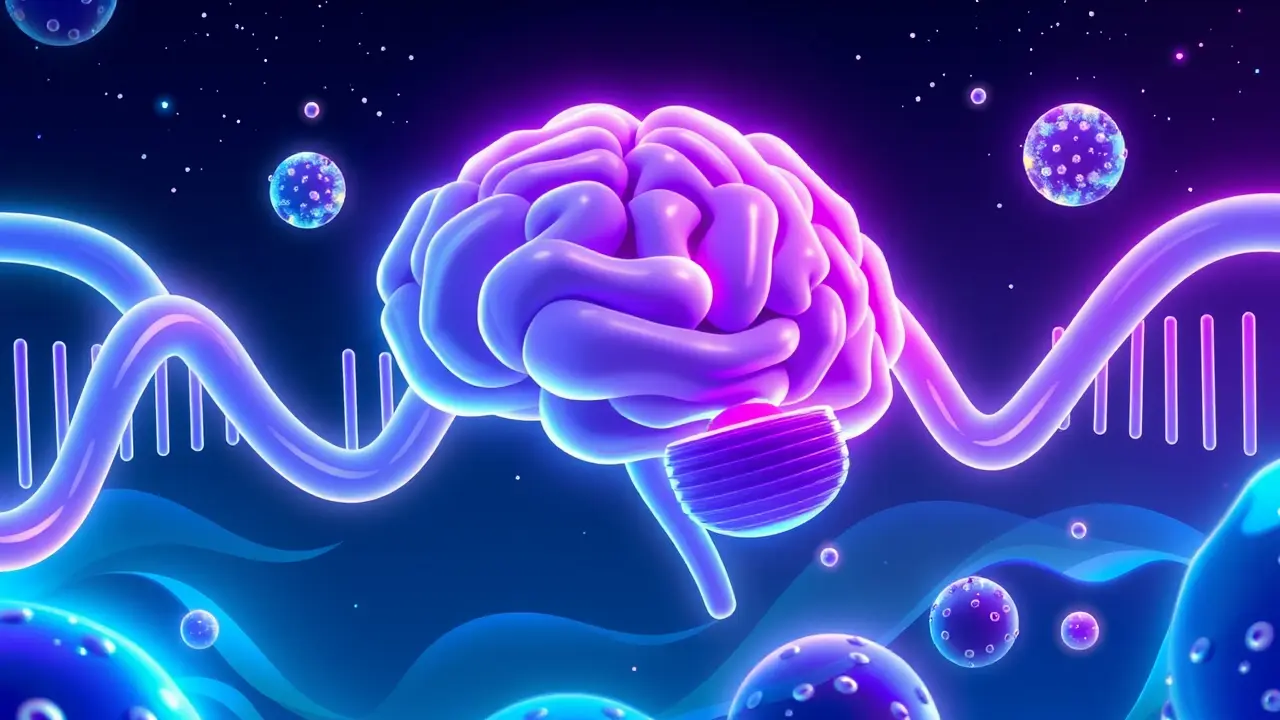
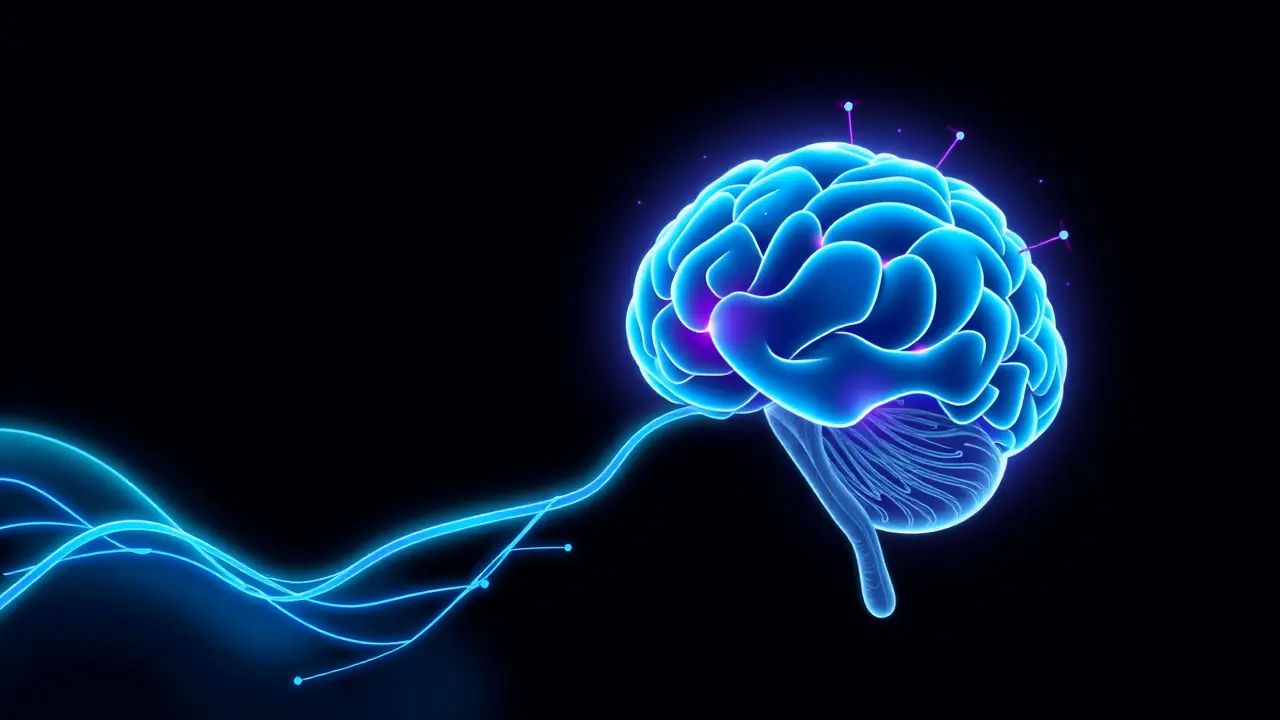
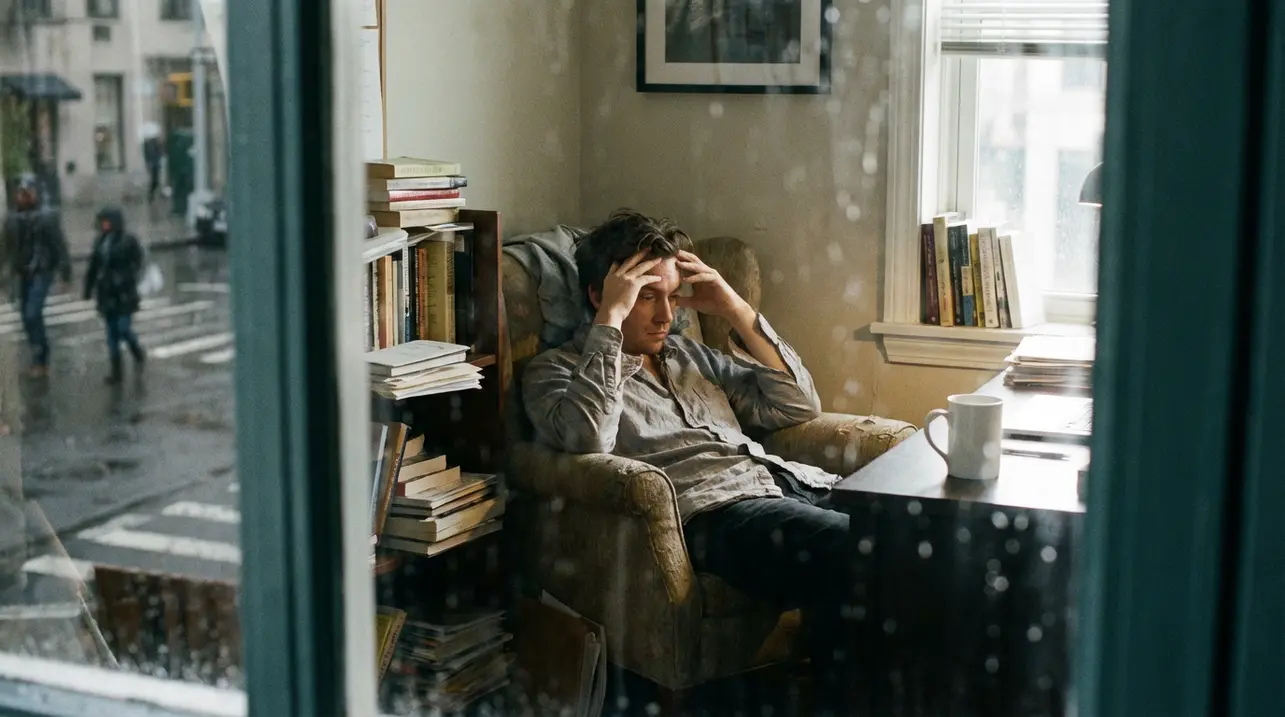
The idea that our willpower can falter, that we can know what’s right and yet fail to act on it, is a flaw as old as humanity itself. It’s a theme that threads through literature and philosophy, from the ancient Greeks wrestling with *akrasia*—weakness of will—to the modern self-help aisle groaning with books on habit formation.But what if this isn't just a moral failing or a lack of discipline, but something wired into the very architecture of our brains? This question brings us to a foundational voice in neuroscience, whose insights feel startlingly relevant today. He argued that our neurons are not merely passive receivers of experience; they are active constructors of our reality.'Our neurons must be used. not only to know but also to transform knowledge; not only to experience but also to construct,' he posited.This isn't abstract theory. Think about the last time you set a goal—to exercise, to learn a skill, to break a bad habit.You had the knowledge. You understood the benefits.Yet, something stopped you. That gap between knowing and doing, between intention and action, is the battlefield of the will.The neuroscience founding father suggested that overcoming these 'diseases of the will' requires us to actively sculpt our neural pathways through consistent, constructive action. It’s a process of building, not just thinking.In a world saturated with information and distraction, where our attention is fractured and our impulses are constantly triggered, this call to conscious construction is more urgent than ever. It moves the conversation from blame—'why am I so lazy?'—to a more compassionate and practical inquiry: how can we design our lives and environments to support the neural construction of a stronger will? It’s a deeply human struggle, one I’ve heard echoed in countless conversations with people from all walks of life, all trying to bridge that same, stubborn gap.
#Santiago Ramón y Cajal
#neuroscience
#psychology
#human potential
#cognitive flaws
#willpower
#history of science
#featured
Stay Informed. Act Smarter.
Get weekly highlights, major headlines, and expert insights — then put your knowledge to work in our live prediction markets.