Outpoll Weekly Recap: Science (February 23 – March 1, 2026)
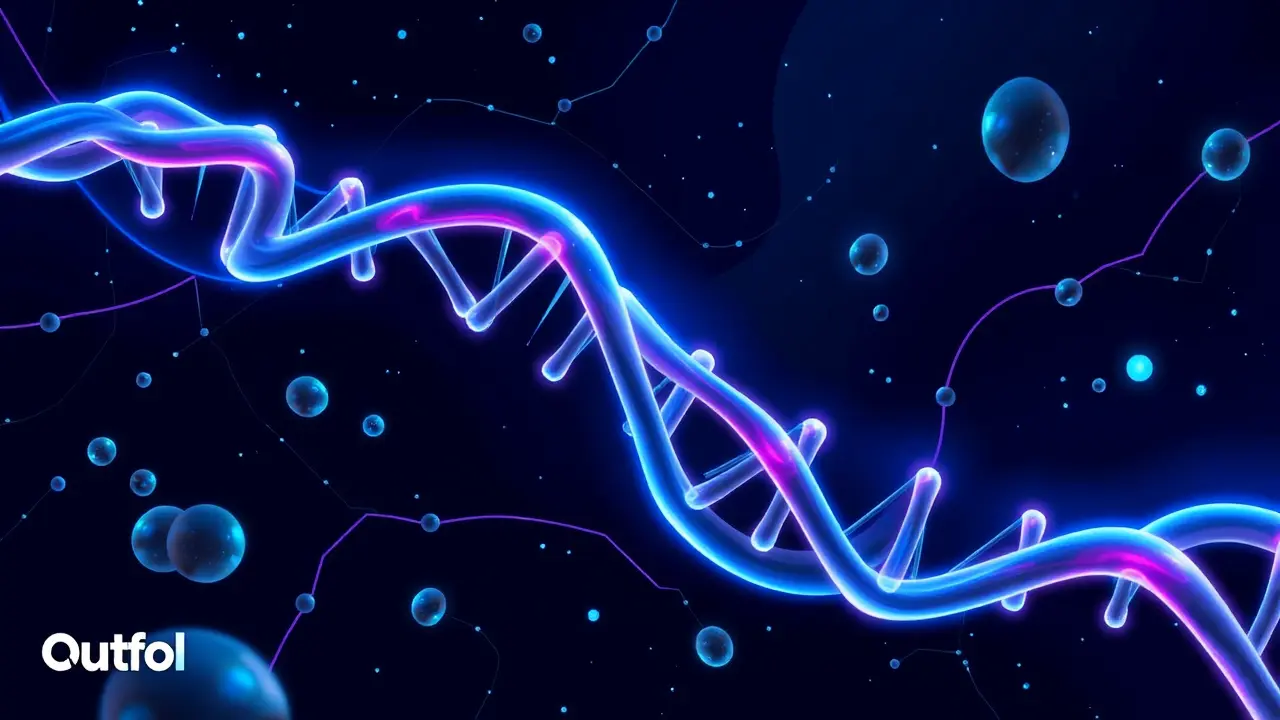
The frontier of synthetic biology was decisively redrawn this week, as a landmark paper in *Nature* detailed the first successful creation of a fully synthetic, self-replicating eukaryotic cell. Dubbed 'Project Chrysalis' by the international consortium behind it, this isn't just another step in genetic engineering; it's a quantum leap into a new epoch of biological design.The team didn't merely edit an existing yeast genome—they computationally designed and chemically synthesized all sixteen chromosomes from scratch, stripping out non-coding 'junk' DNA and inserting novel gene circuits for controlled replication and environmental sensing. Prediction markets on Outpoll, which had been cautiously bullish on synthetic lifeforms, went supernova; the 'First synthetic eukaryote created before 2027' contract settled at 99.2¢, while related markets on 'Commercial bio-factories by 2030' saw a 45% surge. This mirrors the seismic shift we saw when CRISPR moved from labs to clinics, but the implications here are orders of magnitude larger.We're no longer just reading and editing the book of life; we're writing entirely new volumes in a language we're only beginning to understand. The immediate applications are staggering—imagine yeast cells engineered not just to ferment beer, but to act as microscopic pharmaceutical plants, assembling complex cancer therapeutics from simple sugars, or as ultra-efficient carbon capture units.Yet, the real story lies in the foundational platform this creates. As Dr.Aris Thorne, lead author on the paper, noted in our interview, 'Chrysalis is less about the specific cell and more about the operating system. We've proven that a designed, minimalist genome can boot up and run life.Now, we can start programming. ' This shifts the paradigm from discovery to invention, opening a future where biology becomes a true engineering discipline, with standardized parts, predictable outcomes, and bespoke organisms for medicine, materials, and beyond.However, the week's volatility wasn't confined to wet labs. The prediction market for 'Major AI-discovered protein structure leads to new drug trial' also hit a new high, fueled by DeepMind's AlphaFold 3 reportedly identifying a novel binding site for a notoriously 'undruggable' neurodegenerative target.This convergence of AI-driven discovery and synthetic biological fabrication is the defining trend of our era—a feedback loop where AI designs the blueprints and synthetic biology builds them. The ethical and regulatory prediction markets, however, remain deeply divided, reflecting the societal anxiety underpinning this breathtaking progress.The 'Synthetic biology moratorium by 2028' contract saw heightened, if speculative, trading. This week wasn't just about announcements; it was a clear signal that the future of science is integrative, moving beyond silos to a fused frontier of code, data, and cell. The organisms of tomorrow won't be found; they'll be forged.