SciencemedicinePublic Health
Hong Kong Opens First Chinese Medicine Hospital with Full Bookings
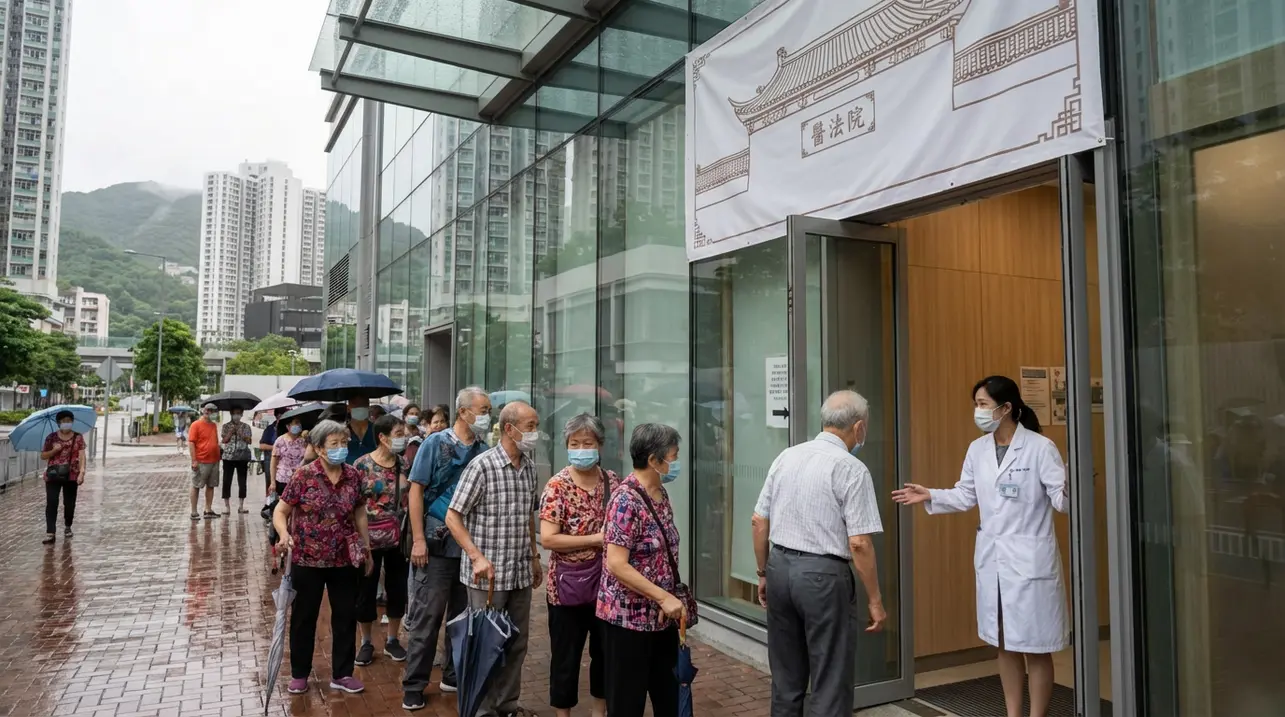
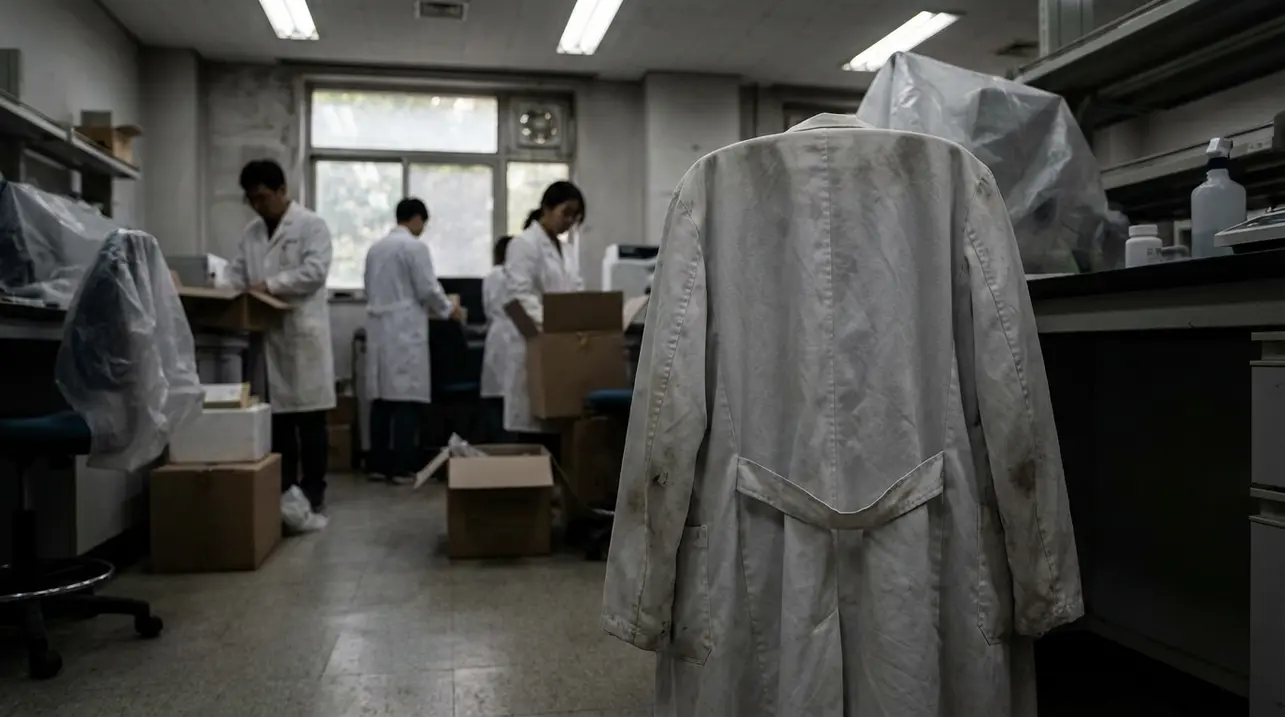
Hong Kong’s first dedicated Chinese medicine hospital opened its doors this week, a move that signals a profound and deliberate fusion of ancient tradition and modern biomedical ambition. The facility, located on Pak Shing Kok Road in Tseung Kwan O, isn't merely a new clinic; it's a state-subsidized flagship designed to be a tripartite engine for clinical service, advanced research, and global-standard training.Notably, its subsidized general outpatient bookings were fully committed for the entire first month before the doors even opened, a testament to overwhelming public demand and a clear indicator of the deep-seated cultural trust in these practices. This isn't just about offering acupuncture or herbal prescriptions alongside Western oncology.It represents a strategic, government-backed initiative to systematize, validate, and ultimately export Traditional Chinese Medicine (TCM) on a global stage, positioning Hong Kong as the crucial bridge between China's millennia-old pharmacopeia and the evidence-based, peer-reviewed corridors of international science. The hospital's mandate to facilitate collaborations and 'go global' speaks directly to a long-standing challenge: translating the holistic, often personalized tenets of TCM—where treatment is tailored to the body's qi, or vital energy, and patterns of imbalance—into the universal language of randomized controlled trials and biochemical pathways.This endeavor sits at the thrilling, contentious frontier of next-generation medicine, where concepts like network pharmacology are beginning to map how complex herbal compounds interact with multiple targets in the human body, much like a sophisticated polypharmacy. Critics have long pointed to a lack of rigorous standardization and reproducible data as TCM's Achilles' heel, with concerns about sustainability of herbal sources and potential adulteration.This new institution is Hong Kong's direct answer to those critiques, an attempt to build a world-class research hub that can apply CRISPR-level precision to understanding *why* Artemisia annua (qinghao) fights malaria or how acupuncture's neurostimulation modulates pain perception. The geopolitical and economic undertones are equally significant.As a Special Administrative Region of China with deep international ties and a robust legal framework, Hong Kong is the ideal testbed to legitimize TCM for Western markets. Success here could pave the way for more insurance reimbursements globally, create new intellectual property empires around standardized herbal formulas, and even influence integrative care models in Europe and North America.However, the path is fraught with complexity. True integration requires more than co-location; it demands a respectful dialogue between fundamentally different philosophical paradigms of health and disease.Will this hospital produce practitioners who are bilingual in both anatomy and meridian theory? Can its research protocols satisfy both the TCM master who diagnoses via tongue and pulse and the molecular biologist seeking a single protein target? The facility's full bookings reveal a population voting with its feet, seeking alternatives or complements to a high-tech, sometimes impersonal Western medical system. This hospital's ultimate metric of success won't just be its patient throughput or research papers, but whether it can generate a new, hybrid model of healthcare—one where ancient wisdom is not merely preserved in a museum but actively refined in the lab, creating a future where medicine is both profoundly personal and rigorously proven.
#Hong Kong
#Chinese Medicine Hospital
#healthcare services
#outpatient
#training
#research
#editorial picks news