SciencemedicinePublic Health
No Harm: The Quest for a Good Death in Modern Medicine
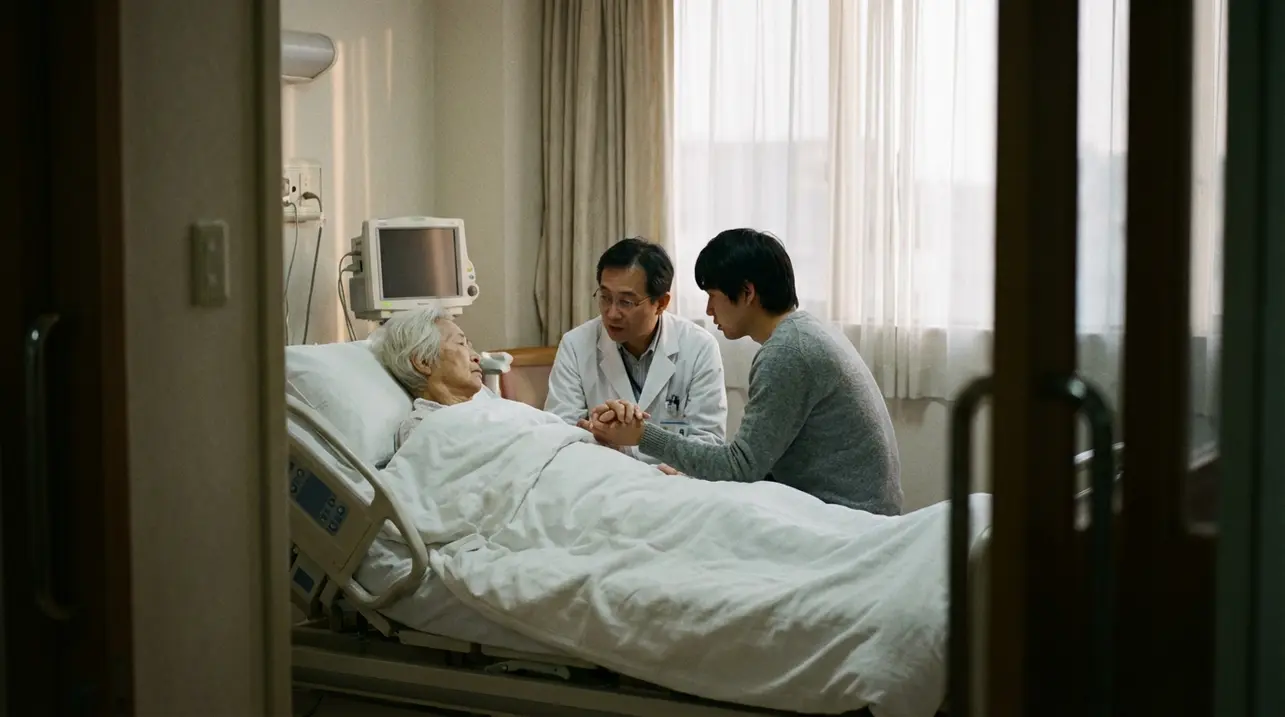
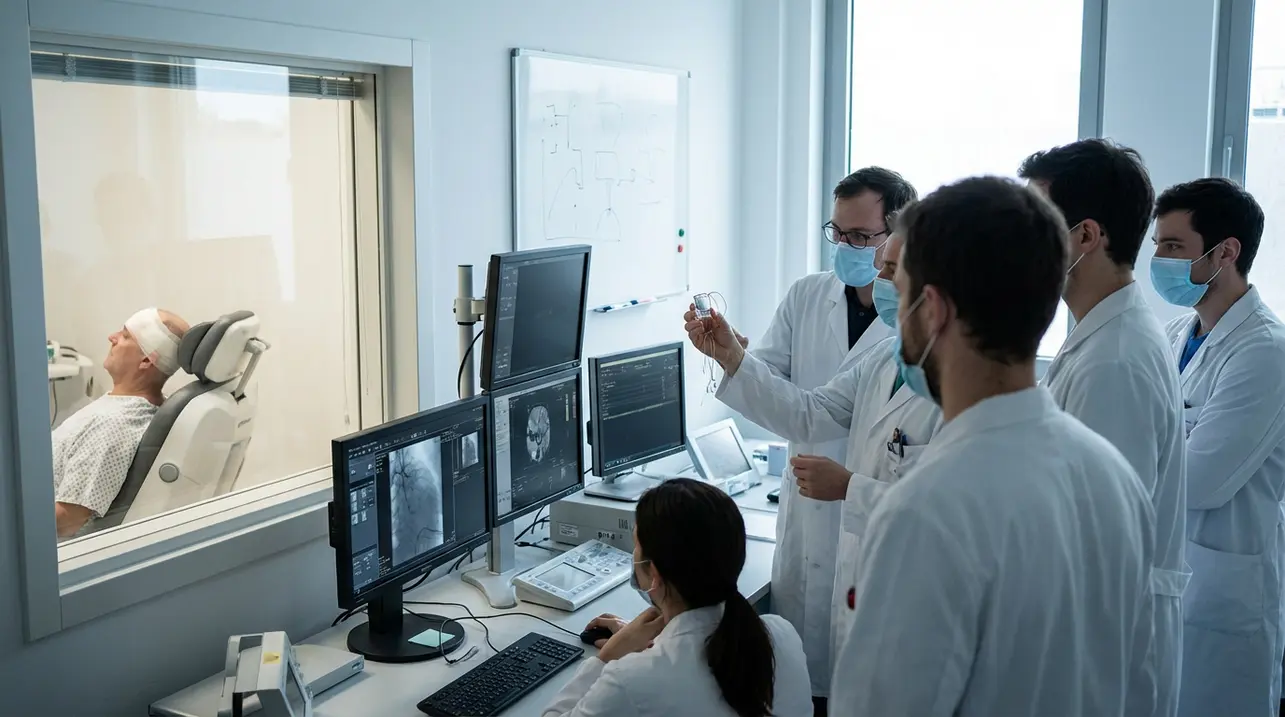
The question, 'Was it possible to have a good death in our current medical system?' cuts to the heart of a profound crisis in modern healthcare, a system engineered for intervention but often woefully unequipped for the final, inevitable transition. For decades, the medical paradigm has been one of aggressive, technological warfare against disease, a philosophy that has yielded miracles but also created a terminal-care landscape where the default setting is to fight, often at the expense of dignity, comfort, and patient autonomy.This isn't just a philosophical quandary; it's a biological and systemic failure. The quest for a 'good death'—one defined by pain management, psychological peace, and personal choice—collides with a clinical infrastructure built on metrics like tumor shrinkage and blood pressure, not serenity or spiritual resolution.We see this in the ICU, where patients spend their final days tethered to ventilators and monitors, a scenario more reminiscent of a laboratory than a bedside, a process that can feel less like care and more like a prolonged, technologically sophisticated form of physiological distress. The data is stark: a significant percentage of terminal patients still undergo aggressive, non-curative treatments in their last weeks, interventions that frequently decrease quality of life without meaningfully extending it.This dissonance stems from a deep-seated cultural and professional aversion to 'giving up,' a framing that tragically mischaracterizes palliative care and hospice as surrender rather than the intentional, expert-led redirection of care goals. However, the frontier of medicine is beginning to shift, driven by a fusion of biotechnology, data analytics, and a growing patient-rights movement.The emerging field of precision palliative care, for instance, uses genetic and biomarker profiling not to attack a disease, but to predict and preemptively manage symptoms like pain and delirium with far greater accuracy, moving from a reactive to a predictive model of comfort. Furthermore, the integration of AI-driven prognostic tools is helping clinicians and families have clearer, earlier conversations about likely outcomes, cutting through the ambiguity that often leads to defaulting to 'do everything.' Innovations in psychedelic-assisted therapy for end-of-life existential distress are being rigorously studied, offering a glimpse at a future where we can pharmacologically support not just the body, but the psyche facing the abyss. The real breakthrough, however, will be systemic—a re-engineering of healthcare incentives to value quality of dying as a core metric, alongside survival rates.This requires moving beyond the fee-for-service model that rewards procedures and toward value-based frameworks that incentivize advance care planning, seamless hospice integration, and robust home-based support. The 'good death' is not a retreat from medical science; it is its next, necessary evolution.It demands we apply the same rigor, innovation, and personalized approach to the art of dying that we have long applied to the science of living. The answer to the question, therefore, is not yet a definitive yes, but it is moving from impossible to imaginable, thanks to a new generation of clinicians, bioethicists, and technologists who see death not as medicine's ultimate failure, but as its final, and most human, domain of care.
#end-of-life care
#medical ethics
#palliative care
#healthcare system
#good death
#editorial picks news