

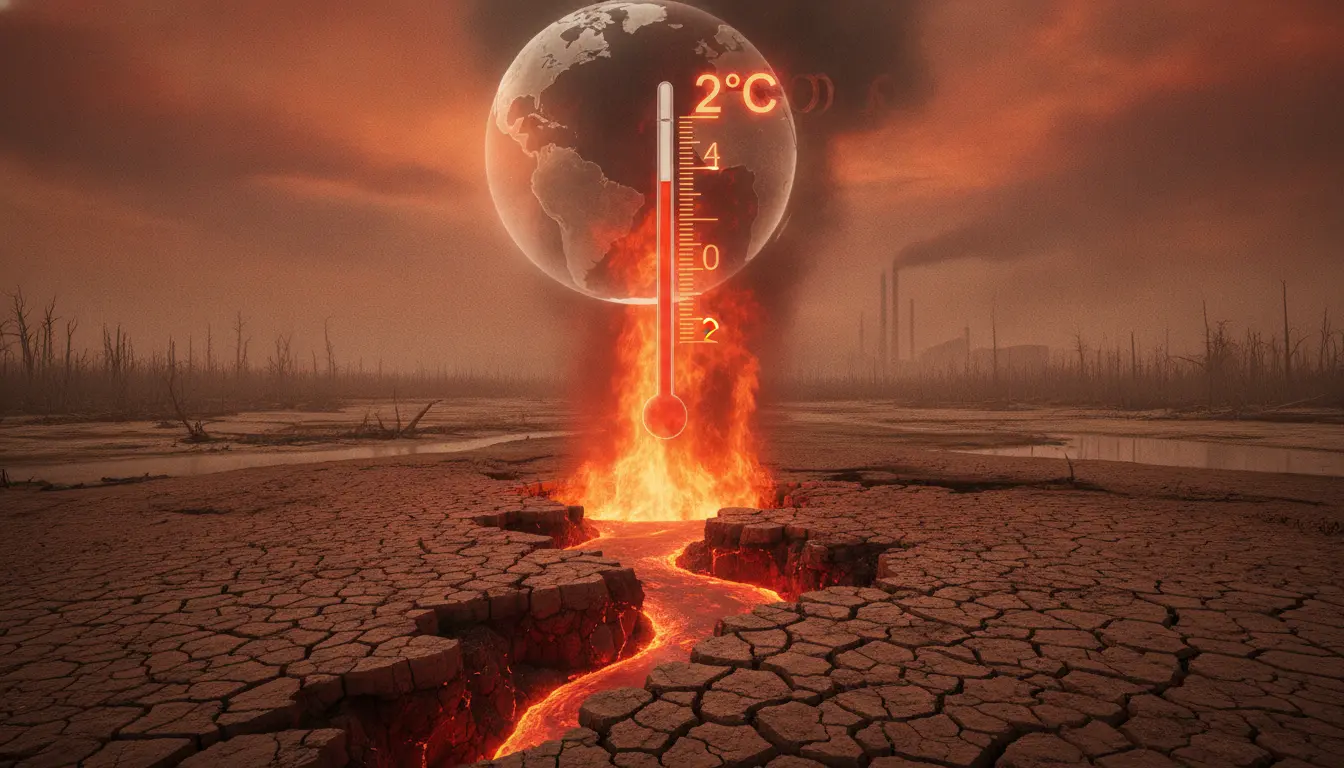
Scientists Warn Global Warming Could Exceed 2°C Threshold Before 2050
A growing consensus among climate scientists indicates that the world is on an accelerated trajectory to surpass the critical 2 degrees Celsius threshold of global warming above pre-industrial levels, potentially decades sooner than previously projected. This alarming forecast, underscored by recent climate models and observed trends, casts a stark shadow over international climate targets and highlights the urgent need for more drastic emissions reductions. The potential breach of this internationally recognized guardrail before mid-century signals a future with more extreme and pervasive climate impacts, fundamentally reshaping ecosystems, economies, and human societies.
Since the dawn of the industrial revolution, human activities have steadily increased the concentration of greenhouse gases in the atmosphere, leading to a measurable rise in global average temperatures. The 2015 Paris Agreement established ambitious goals to limit this warming, aiming to hold the increase to well below 2°C above pre-industrial levels, while pursuing efforts to limit it to 1.5°C. These targets were not arbitrary; they represent scientific assessments of the point at which the risks of irreversible and catastrophic changes to the planet’s climate system dramatically escalate. Breaching 2°C means moving into a zone where adaptation becomes significantly harder and the potential for cascading failures across natural systems grows exponentially.
The Intergovernmental Panel on Climate Change (IPCC), the leading international body for assessing climate change, has consistently warned that current global policies and emission reduction pledges fall far short of what is required to meet even the 2°C target, let alone 1.5°C. Recent analyses, incorporating the latest climate data and enhanced modeling capabilities, suggest that the planet has already warmed by approximately 1.2°C. The current rate of greenhouse gas emissions, primarily from the burning of fossil fuels, continues unabated in many regions, pushing the atmospheric concentration of carbon dioxide to unprecedented levels. This sustained input of heat-trapping gases is fueling a rapid climb in global temperatures, making the 2050 timeline for breaching 2°C increasingly plausible.
The implications of exceeding 2°C are profound and far-reaching. Scientists anticipate a significant increase in the frequency and intensity of extreme weather events, including more severe heatwaves, prolonged droughts, devastating floods, and powerful tropical storms. Coastal communities face an amplified threat from accelerated sea-level rise, threatening displacement for millions and submerging vital infrastructure. Biodiversity loss would likely accelerate as ecosystems struggle to adapt to rapid environmental shifts, impacting everything from coral reefs to critical forest habitats. Furthermore, cascading effects could destabilize food and water security, exacerbate human migration, and intensify geopolitical tensions, creating a complex web of interconnected crises.
While the projections paint a sobering picture, the scientific community and international bodies emphasize that the future is not entirely predetermined. The precise timing and severity of future warming remain influenced by the collective actions taken today. Significant investments in renewable energy, aggressive decarbonization policies across all sectors, enhanced energy efficiency, and sustainable land use practices are crucial to slowing the warming trend. Global cooperation and the rapid deployment of existing and emerging climate technologies offer a pathway to mitigate the worst impacts, provided there is a concerted and immediate shift in policy and public will. The coming decades represent a critical juncture for humanity to avert the most severe consequences of a rapidly warming planet, underscoring the urgency of transforming global energy systems and economies.
The challenge of transitioning away from fossil fuels is immense, fraught with economic and political complexities. Many nations grapple with balancing economic development with climate imperatives, while developing countries often seek greater support from wealthier nations to facilitate their own green transitions. Innovative financial mechanisms, technology transfer, and robust international agreements are vital components of a comprehensive strategy to steer the world away from the 2°C precipice. The window for effective action is narrowing, and the choices made in the immediate future will determine the habitability of the planet for generations to come, defining a legacy of either proactive stewardship or profound climatic disruption.
Stay Informed. Act Smarter.
Get weekly highlights, major headlines, and expert insights — then put your knowledge to work in our live prediction markets.
Related News
Experts Warn of Potentially Exceptionally Active 2026 Atlantic Hurricane Season

Europe Faces Deepening Heatwave Crisis as Fatalities Mount Across Continent
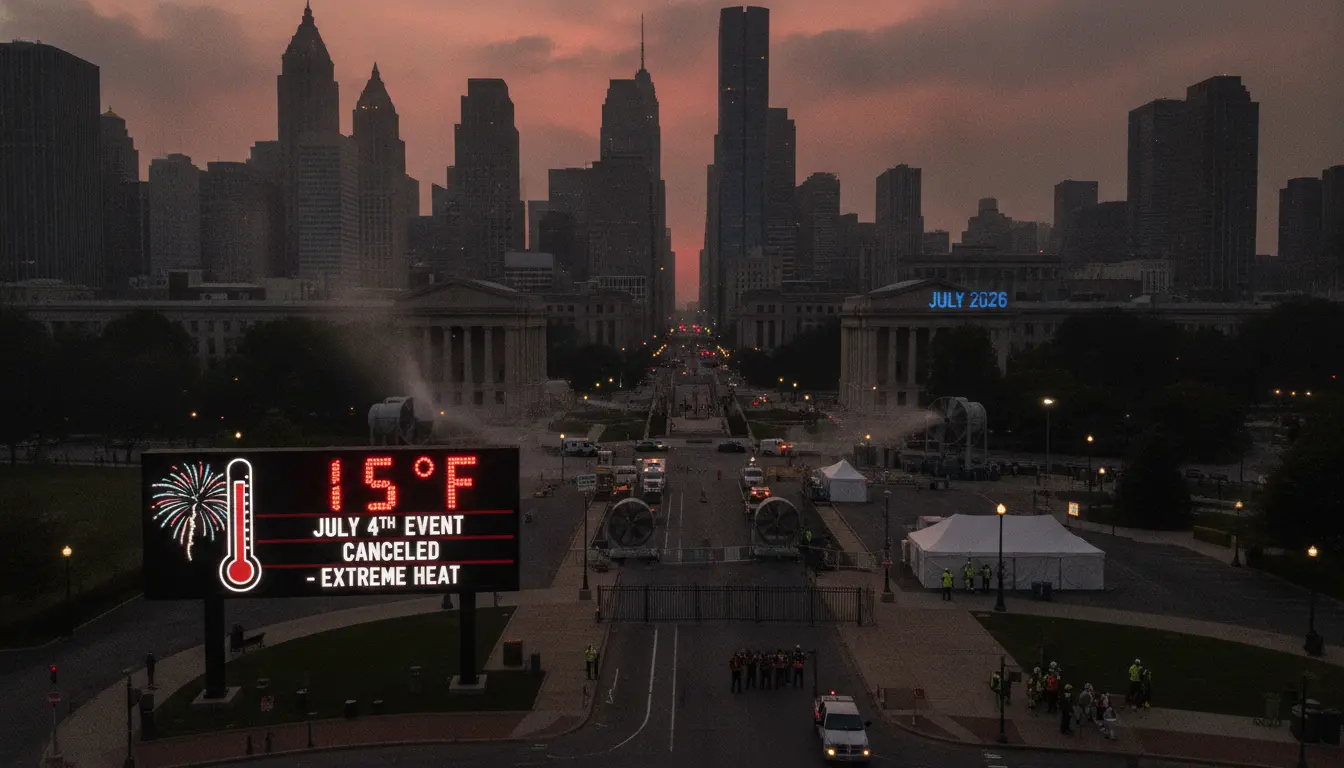
Major US Cities Begin Prepping for Potential July 4th Event Disruptions Amid Escalating Heat Risks by 2026
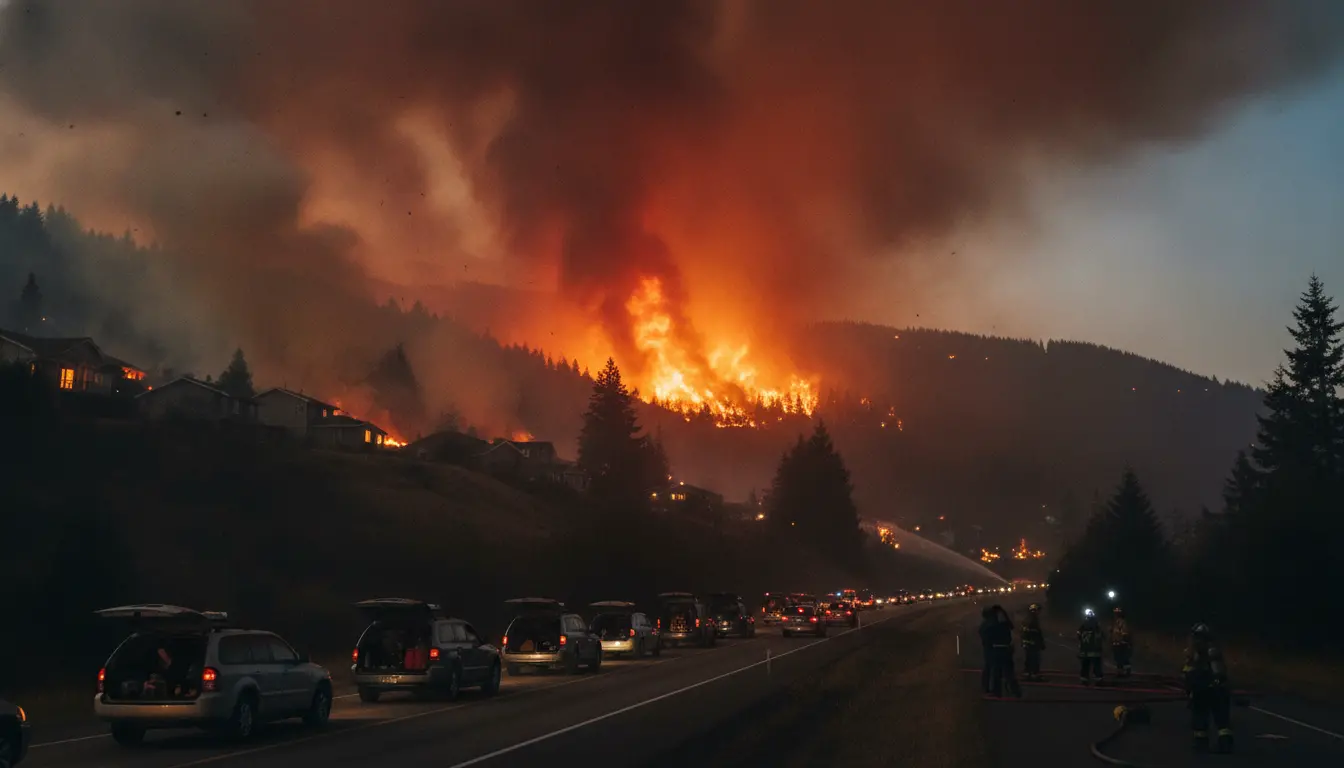
Washington State Confronts Escalating Wildfire Crisis, Displacing Thousands

European Heatwave Triggers Public Health Crisis, Driving Mounting Excess Deaths Across France, Germany, and Spain

Europe Confronts Escalating Public Health Crisis as Heatwaves Claim Hundreds of Lives

US Congress Accelerates Efforts to Enact Comprehensive Federal AI Regulation by 2026

US Federal Government Weighs Comprehensive AI Safety Legislation Amid Catastrophic Risk Warnings

Federal Reserve Focuses on July 2026 CPI Amid Persistent Inflationary Pressures

Tesla's Automotive Gross Margin Under Intense Scrutiny Ahead of Q2 2026 Earnings Report