

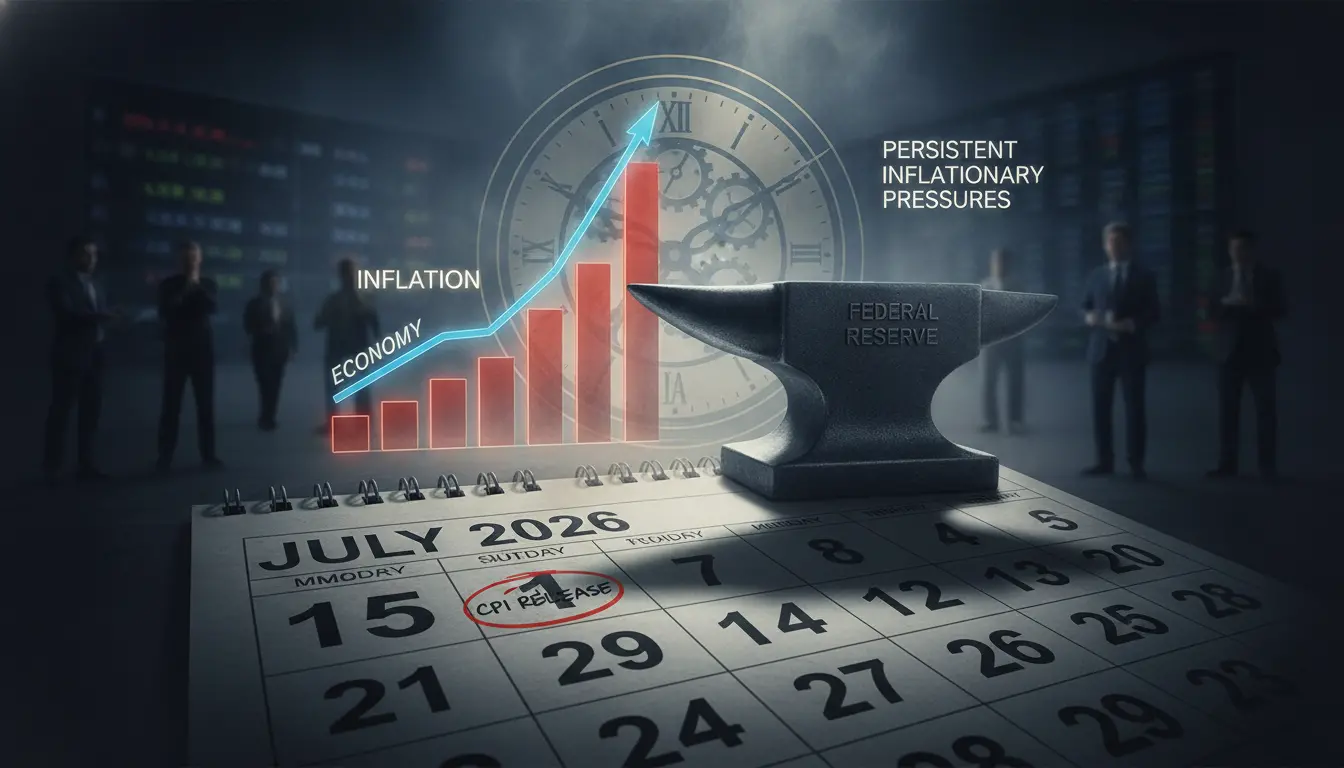
Federal Reserve Focuses on July 2026 CPI Amid Persistent Inflationary Pressures
The United States is bracing for the release of the Consumer Price Index (CPI) for July 2026, a pivotal economic indicator that will offer crucial insights into the nation's ongoing struggle against inflation. Scheduled for release on August 12 by the US Bureau of Labor Statistics, this data point is expected to heavily influence the Federal Reserve's monetary policy decisions as it strives to guide inflation back towards its long-term target of 2%. With the economy navigating a complex landscape of fluctuating energy prices, supply chain adjustments, and a dynamic labor market, policymakers and economists alike will scrutinize every detail for signs of sustained price stability or renewed inflationary momentum.
The current inflationary environment is the culmination of several years of unprecedented economic shifts, stemming from the global pandemic and subsequent geopolitical disruptions. Following a dramatic surge in prices in 2021 and 2022, the Federal Reserve embarked on an aggressive campaign of interest rate hikes, marking the steepest tightening cycle in decades. This assertive stance was designed to cool demand, reduce liquidity, and ultimately curb runaway inflation. The 2% inflation target, a benchmark adopted by most major central banks, is seen as the optimal level for fostering sustainable economic growth and employment without eroding purchasing power, offering a delicate balance between too much and too little price growth.
Recent data has presented a mixed picture, showing some pockets of easing while other sectors remain stubbornly elevated. Analysts will be particularly keen on dissecting the components of the July CPI report, paying close attention to both headline inflation and core inflation, which excludes volatile food and energy prices. Services inflation, particularly housing costs, has proven to be a persistent driver, influenced by supply-demand imbalances and wage pressures. While some supply chain issues have resolved, new geopolitical tensions or shifts in commodity markets could quickly re-ignite price increases, underscoring the fragile nature of the current disinflationary trend. The narrative around whether inflation is truly 'transitory' or 'entrenched' continues to evolve with each data release.
The stakes for the Federal Reserve are exceptionally high. Policymakers face the unenviable task of engineering a 'soft landing' – bringing inflation down without triggering a recession. A higher-than-expected CPI reading could prompt the Fed to maintain higher interest rates for longer, potentially dampening economic activity and increasing borrowing costs for consumers and businesses. Conversely, a significant easing could open the door for future rate cuts, providing relief to credit markets and stimulating investment. The decisions made based on reports like the July CPI have profound implications for mortgage rates, car loans, business expansion plans, and the overall financial health of American households.
Beyond domestic factors, the global economic backdrop adds another layer of complexity. International trade dynamics, the strength of the US dollar, and economic performance in major trading partners all feed into the domestic inflation picture. Geopolitical conflicts, such as those impacting energy-producing regions, can transmit price shocks across borders, making the Fed's task of achieving predictable price stability even more challenging. The long-term trajectory of inflation will also depend on structural changes in the labor market, productivity growth, and the ongoing adaptation of global supply chains.
As the release date approaches, financial markets, businesses, and everyday Americans will be keenly watching the numbers. The July 2026 CPI report is more than just a statistic; it is a critical barometer of the nation's economic health and a key determinant of the path forward for monetary policy. Its outcome will not only confirm or challenge existing disinflationary trends but also help shape the economic narrative for the remainder of the year and beyond, affecting everything from investment decisions to household budgets across the country.
Stay Informed. Act Smarter.
Get weekly highlights, major headlines, and expert insights — then put your knowledge to work in our live prediction markets.
Related News
US Inflation Outlook: Analysts Project Sub-3% CPI by July 2026 Amid Economic Crosscurrents

US Economic Forecasts Point to Sustained PCE Inflation Moderation by Mid-2026

US Wage Growth Trajectory for 2026 Under Scrutiny Amid Inflation Concerns

US Producer Price Index Report Looms, Offering Key Insights into August 2026 Inflation Trends

July 2026 ISM Services PMI Release Set to Offer Crucial Insights into US Economic Health

US Producer Price Growth Expected to Moderate Below 2.5% by August 2026

Tesla's Automotive Gross Margin Under Intense Scrutiny Ahead of Q2 2026 Earnings Report

Tesla's Q2 2026 Deliveries Under Intense Investor Scrutiny as Reporting Date Nears

Supreme Court Weighs Presidential Power to Dismiss Federal Reserve Governors Without Cause

Supreme Court Poised to Rule on Presidential Power to Fire Fed Governors, Threatening Central Bank Independence