

- News
- Finance
- US Inflation Outlook: Analysts Project Sub-3% CPI by July 2026 Amid Economic Crosscurrents
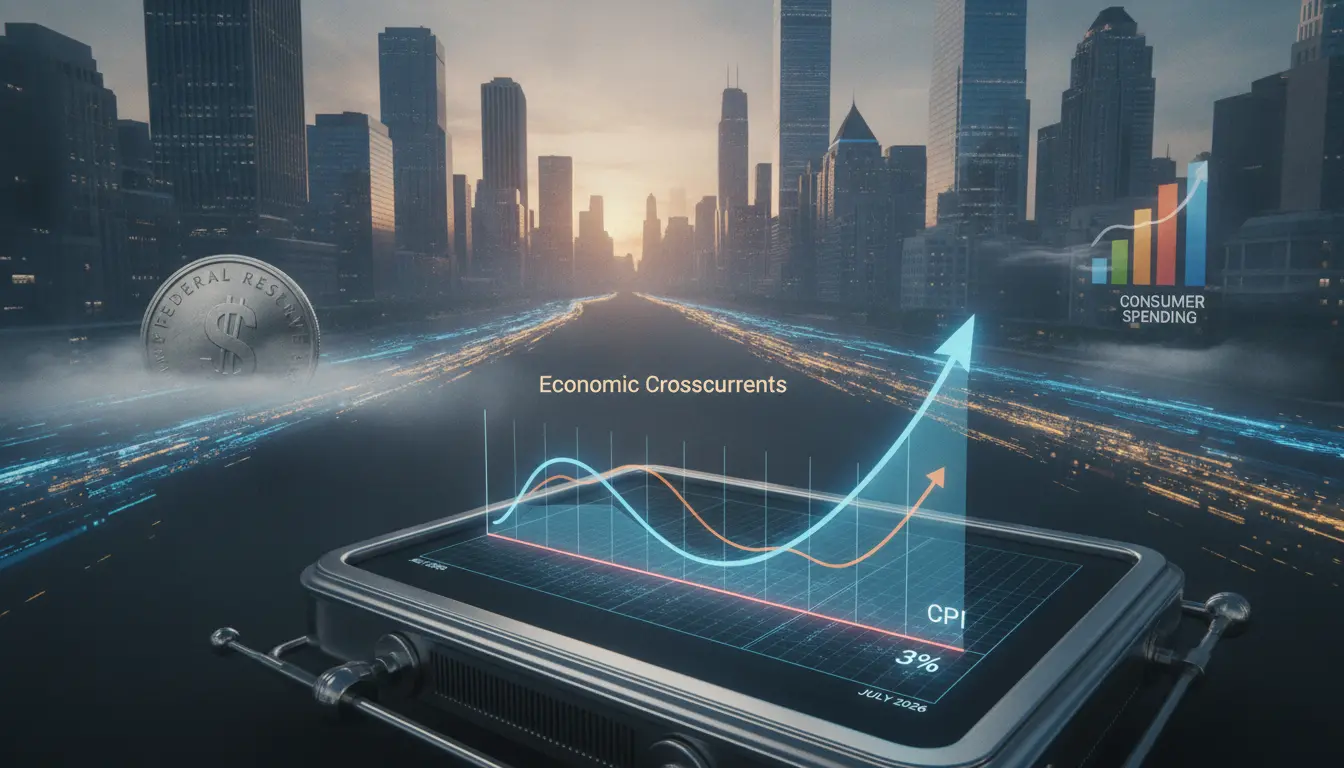
US Inflation Outlook: Analysts Project Sub-3% CPI by July 2026 Amid Economic Crosscurrents
As the United States economy navigates a complex period of post-pandemic recovery and monetary policy adjustments, a key question for economists and policymakers revolves around the future trajectory of inflation. Specifically, significant attention is being paid to whether the headline Consumer Price Index (CPI), measured year-over-year, will firmly settle below the 3.0% mark by July 2026. This threshold represents a critical benchmark, signaling a return to more normalized inflationary pressures after the dramatic surges witnessed in recent years, though still slightly above the Federal Reserve's long-term target of 2%.
The journey of US inflation has been a tumultuous one since the onset of the COVID-19 pandemic. Supply chain disruptions, robust consumer demand fueled by fiscal stimulus, and geopolitical events combined to push headline CPI to multi-decade highs, peaking at over 9% in mid-2022. In response, the Federal Reserve embarked on an aggressive campaign of interest rate hikes, aiming to cool demand and bring prices under control. This concerted effort has yielded significant results, with inflation gradually receding from its peak. However, the pace of disinflation has been uneven, and core inflation measures, which exclude volatile food and energy prices, have proven more persistent, reflecting ongoing pressures in the services sector and a tight labor market.
Looking ahead to mid-2026, many analysts anticipate that several disinflationary forces will continue to exert influence. Supply chains have largely normalized, reducing cost pressures on goods producers. Energy markets, while prone to geopolitical shocks, are generally expected to stabilize compared to the extreme volatility of 2022. Furthermore, the lagged effects of the Federal Reserve’s tighter monetary policy are still working their way through the economy, expected to dampen aggregate demand and temper price increases across various sectors. The housing market, a significant component of CPI, is also showing signs of cooling, which could contribute to further disinflation over time.
However, the path to sustained sub-3% inflation is not without its challenges and potential headwinds. Persistent wage growth, particularly in service-oriented industries, could continue to fuel underlying price pressures. Labor market tightness, if it endures, risks creating a wage-price spiral that would make it harder to achieve the desired inflation moderation. Geopolitical tensions, from ongoing conflicts to trade disputes, could always disrupt supply chains or impact commodity prices, reigniting inflationary impulses. Moreover, the long-term implications of elevated national debt and potential future fiscal policies could introduce additional uncertainties into the inflation outlook.
The Federal Reserve remains steadfast in its commitment to achieving its 2% inflation target, viewing price stability as crucial for sustainable economic growth. While a headline CPI reading below 3.0% by July 2026 would be a significant victory in the battle against inflation, it would still represent a slight overshoot of the Fed's explicit target. The central bank's actions between now and then, including any adjustments to the federal funds rate, will be heavily influenced by incoming economic data, including employment figures, wage growth, and various inflation indicators. Their strategic decisions will play a pivotal role in guiding the economy towards its desired equilibrium.
For businesses and consumers, the prospect of inflation stabilizing below 3.0% offers a degree of relief and predictability. Lower and more stable inflation translates into greater purchasing power for consumers, more predictable input costs for businesses, and a clearer environment for investment decisions. Conversely, if inflation remains stubbornly above this benchmark, it could necessitate a more restrictive monetary policy stance from the Fed, potentially impacting economic growth and borrowing costs. The period leading up to July 2026 will therefore be a critical test of economic resilience and policy efficacy, with global markets and domestic households closely monitoring every data release for clues about the future of prices.
Stay Informed. Act Smarter.
Get weekly highlights, major headlines, and expert insights — then put your knowledge to work in our live prediction markets.
Related News
US Economic Forecasts Point to Sustained PCE Inflation Moderation by Mid-2026
Federal Reserve Focuses on July 2026 CPI Amid Persistent Inflationary Pressures

US Producer Price Growth Expected to Moderate Below 2.5% by August 2026

US Wage Growth Trajectory for 2026 Under Scrutiny Amid Inflation Concerns

July 2026 ISM Services PMI Release Set to Offer Crucial Insights into US Economic Health
US Producer Price Index Report Looms, Offering Key Insights into August 2026 Inflation Trends

US Congress Accelerates Efforts to Enact Comprehensive Federal AI Regulation by 2026

US Political Landscape Girds for Pivotal 2026 Midterm Elections as Control of Congress Hangs in Balance

US Congress Weighs Passage of Pivotal Crypto Clarity Act Amid Regulatory Push

2026 Midterms Set to Decide Critical Control of US House of Representatives