

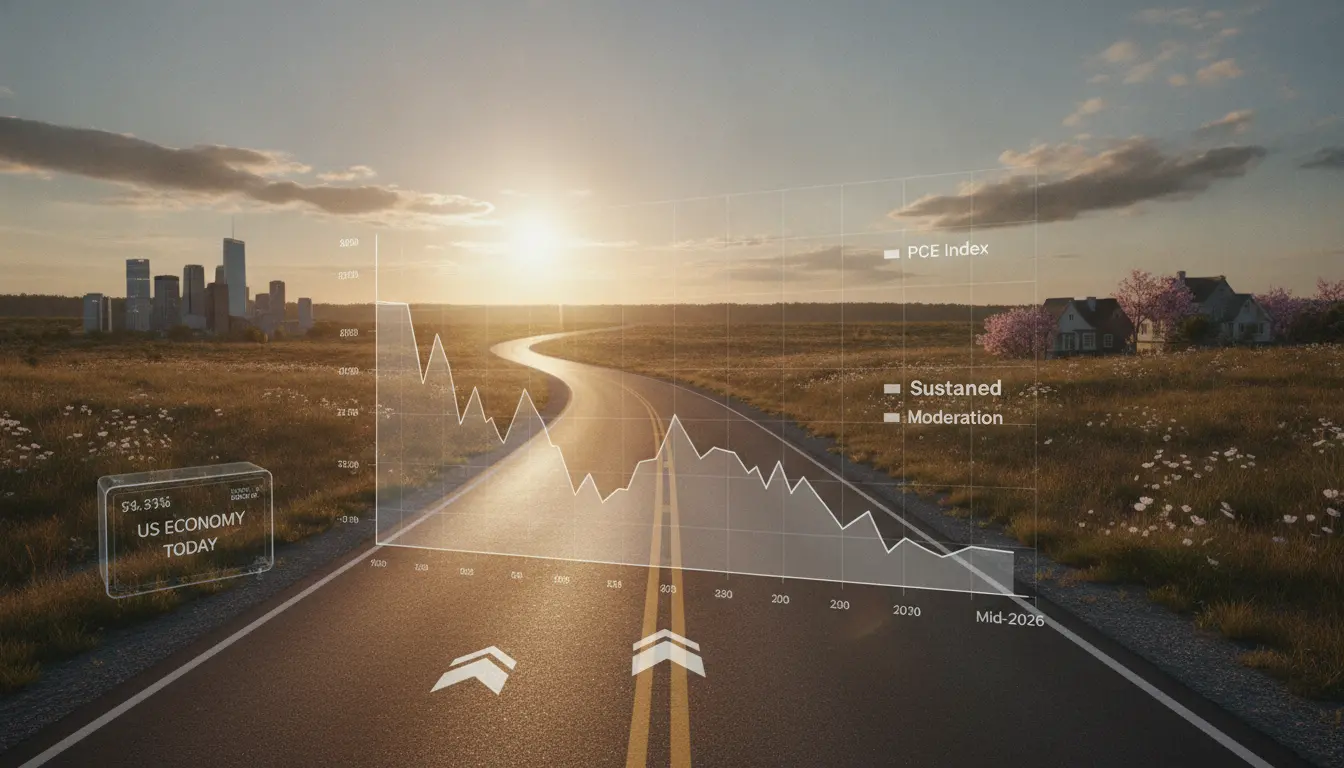
US Economic Forecasts Point to Sustained PCE Inflation Moderation by Mid-2026
The United States economy is keenly focused on the trajectory of inflation, with particular attention to the Personal Consumption Expenditures (PCE) price index, the Federal Reserve's preferred gauge. As mid-2026 approaches, economic analysts and policymakers are evaluating whether the annual PCE inflation rate can sustainably settle below the 2.5% threshold. This benchmark is crucial, sitting close to the Fed's long-term 2% target, and its achievement would signal a significant victory in the ongoing battle against persistent price pressures, impacting everything from interest rate policy to consumer confidence and business investment strategies across the nation.
For years following the unprecedented economic disruptions of the COVID-19 pandemic, inflation surged to multi-decade highs, driven by a confluence of factors including robust consumer demand fueled by fiscal stimulus, severe supply chain bottlenecks, and geopolitical events impacting commodity markets. The Federal Reserve responded aggressively, embarking on the most rapid series of interest rate hikes in decades to cool the economy and bring inflation back down. The PCE index, which measures the prices of goods and services purchased by consumers, is favored by the central bank over the more widely publicized Consumer Price Index (CPI) because it provides a broader measure of consumer spending and accounts for changes in consumer behavior, such as substituting cheaper goods for more expensive ones. Reaching a PCE inflation rate below 2.5% by June 2026 would represent a successful, albeit challenging, navigation of these complex economic currents.
The path to disinflation has been anything but linear, marked by periods of encouraging moderation followed by unexpected resurgences. Key drivers influencing the current and future inflation outlook include the state of the labor market, energy prices, and global supply chain resilience. A tight labor market, characterized by low unemployment and rising wages, can exert upward pressure on prices as businesses pass on higher labor costs to consumers. Conversely, a gradual softening of the labor market, without a significant rise in unemployment, is seen as vital for alleviating some of these cost pressures. Geopolitical stability, particularly concerning major oil-producing regions, also remains a critical factor, as energy costs permeate nearly every sector of the economy.
Looking ahead to mid-2026, economic models and expert consensus suggest a gradual deceleration of inflation, but the pace and certainty of this trend are subject to considerable debate. Many economists anticipate that the cumulative effect of higher interest rates will continue to filter through the economy, dampening demand and eventually aligning inflation closer to the Fed's target. However, others warn of potential headwinds, such as renewed fiscal stimulus, unexpected commodity shocks, or the stickiness of services inflation, which remains elevated due to factors like housing costs and wages in labor-intensive sectors. The ongoing rebalancing of global supply chains post-pandemic is expected to contribute to downward pressure on goods prices, but its full effect is yet to be realized.
The Federal Reserve's communication and policy decisions will be paramount in shaping expectations and influencing actual inflation outcomes. Should inflation continue its downward trend towards the 2% target, the central bank might have greater flexibility to adjust monetary policy, potentially through interest rate cuts, which could stimulate economic growth. Conversely, if inflationary pressures prove more resilient than anticipated, the Fed may be compelled to maintain a restrictive stance for longer, carrying implications for borrowing costs, corporate profitability, and the broader financial markets. The regular release of economic data, including the Bureau of Economic Analysis's report on June 2026 PCE inflation data due on July 30, 2026, will serve as crucial checkpoints for policymakers and market participants alike.
The stakes are high. A successful moderation of inflation below 2.5% by mid-2026 would solidify the perception of the Fed's credibility and provide a more stable economic environment for businesses and consumers. It would likely lead to more predictable interest rates, encouraging long-term investment and consumer spending, and supporting sustainable economic growth. Conversely, a failure to reach this benchmark could reignite concerns about inflation becoming entrenched, potentially requiring further aggressive monetary tightening and increasing the risk of an economic downturn. The balance between combating inflation and avoiding a recession remains a tightrope walk for policymakers, with the PCE data serving as a vital guidepost on this precarious journey.
Ultimately, the economic outlook for mid-2026 is one of cautious optimism, tempered by an awareness of persistent uncertainties. While the forces of disinflation are expected to continue their work, the exact path of the PCE index will be determined by a complex interplay of domestic policies, global economic conditions, and unforeseen events. All eyes will remain on key economic indicators, particularly the comprehensive PCE report, as the nation strives for price stability and sustainable prosperity.
Stay Informed. Act Smarter.
Get weekly highlights, major headlines, and expert insights — then put your knowledge to work in our live prediction markets.
Related News
US Inflation Outlook: Analysts Project Sub-3% CPI by July 2026 Amid Economic Crosscurrents

US Producer Price Growth Expected to Moderate Below 2.5% by August 2026
Federal Reserve Focuses on July 2026 CPI Amid Persistent Inflationary Pressures
US Wage Growth Trajectory for 2026 Under Scrutiny Amid Inflation Concerns
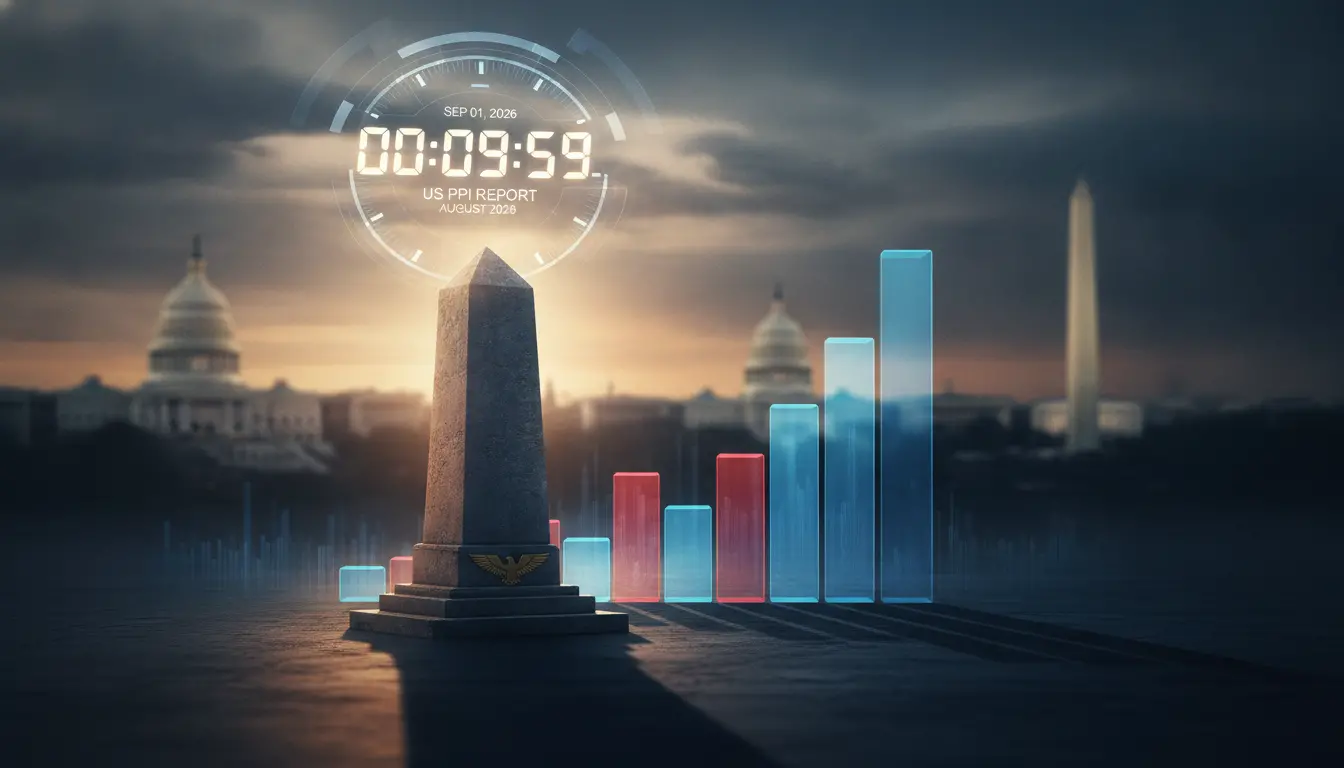
US Producer Price Index Report Looms, Offering Key Insights into August 2026 Inflation Trends

July 2026 ISM Services PMI Release Set to Offer Crucial Insights into US Economic Health
2026 Midterms Set to Decide Critical Control of US House of Representatives
US Political Landscape Girds for Pivotal 2026 Midterm Elections as Control of Congress Hangs in Balance
Republicans Eye Critical Gains as Battle for US Senate Control Intensifies Ahead of 2026 Midterms
Tesla's Automotive Gross Margin Under Intense Scrutiny Ahead of Q2 2026 Earnings Report