


US Producer Price Growth Expected to Moderate Below 2.5% by August 2026
Forward-looking economic assessments suggest that the United States is on a trajectory to see a significant moderation in wholesale inflation, with producer prices anticipated to rise by less than 2.5% on a year-over-year basis by August 2026. This projection, while still distant, reflects a consensus among analysts that the disinflationary forces currently at play will continue to gain traction, bringing the economy closer to a state of sustained price stability. The Producer Price Index (PPI) serves as a critical barometer, offering an early glimpse into the cost pressures faced by businesses, which often cascade down to consumer prices. A sustained deceleration at the wholesale level would provide substantial relief to both firms grappling with input costs and households contending with elevated living expenses.
Historically, the PPI has been a bellwether for the broader inflationary environment. It captures the average change over time in the selling prices received by domestic producers for their output, encompassing goods and services across various industries. Following the unprecedented supply chain disruptions and surging demand post-pandemic, the US economy witnessed a historic surge in PPI, often reaching double-digit year-over-year growth rates in 2021 and 2022. This spike created immense challenges for businesses and contributed significantly to the cost-of-living crisis. The Federal Reserve's aggressive monetary policy tightening, alongside the gradual normalization of global supply chains, has since worked to dampen these pressures, although the path back to target inflation has proven persistent and complex.
The anticipated moderation in producer price growth stems from several key factors. Foremost among them is the continued improvement in global supply chain efficiency. Bottlenecks that once led to soaring freight costs and component shortages have largely eased, allowing for smoother production and distribution processes. Furthermore, a stabilization or even a decline in energy prices, particularly crude oil and natural gas, would significantly alleviate a major input cost for producers across a multitude of sectors. The outlook for global demand also plays a role; a potential tempering of robust consumer spending, both domestically and internationally, could reduce pricing power for producers. Finally, a gradual rebalancing of the labor market, leading to more sustainable wage growth, would help to mitigate upward pressure on production costs.
For the Federal Reserve, a PPI trending consistently below 2.5% would be a welcome development, signaling progress toward its broader inflation objectives. While the central bank primarily targets the Personal Consumption Expenditures (PCE) price index, the PPI offers valuable insights into the pipeline of inflationary pressures. A benign wholesale inflation environment provides the Fed with greater flexibility in its monetary policy decisions, potentially paving the way for eventual adjustments to the federal funds rate. It reinforces the narrative that the central bank's actions have been effective in anchoring inflation expectations and restoring equilibrium to the economy without necessarily triggering a severe downturn.
However, the path to achieving and sustaining such disinflationary trends is not without its challenges. Geopolitical tensions, particularly in major commodity-producing regions, always pose a risk to energy and food prices. Unexpected shifts in global demand, whether due to a sudden economic acceleration or deceleration in key trading partners, could also disrupt existing forecasts. Moreover, domestic factors such as the pace of wage growth and the underlying strength of the housing market will continue to exert influence on overall price levels. Policymakers remain vigilant, emphasizing data dependency and the need to adapt to evolving economic conditions.
Should the US achieve a PPI below 2.5% by mid-2026, the economic implications would be broadly positive. Businesses would benefit from more predictable and manageable input costs, potentially leading to improved profit margins or the ability to pass on savings to consumers. For consumers, this translates into a deceleration in the cost of goods and services over time, enhancing purchasing power and alleviating financial strain. Such an environment fosters greater economic stability, encouraging investment and long-term planning, and reinforcing confidence in the nation's economic resilience. It signifies a successful navigation of the post-pandemic inflationary surge and a return to more normalized economic conditions.
Ultimately, the expectation of moderating producer price growth by August 2026 underscores a cautious optimism regarding the trajectory of the US economy. While numerous variables could still influence the outcome, the confluence of improving supply dynamics, potential energy market stability, and the ongoing impact of monetary policy sets the stage for a period of greater price stability. Continued monitoring of these key indicators will be crucial for policymakers, businesses, and consumers alike as the economy moves towards what is hoped to be a more balanced and sustainable future. The journey from elevated inflation to a stable pricing environment is incremental, with each data point providing valuable insights into the prevailing economic forces. It highlights the complex interplay between global events, domestic policy, and market dynamics in shaping the economic landscape. The 2.5% threshold serves as a significant marker in this ongoing evolution, representing a return to a more manageable and predictable inflationary baseline for producers.
Stay Informed. Act Smarter.
Get weekly highlights, major headlines, and expert insights — then put your knowledge to work in our live prediction markets.
Related News

US Producer Price Index Report Looms, Offering Key Insights into August 2026 Inflation Trends
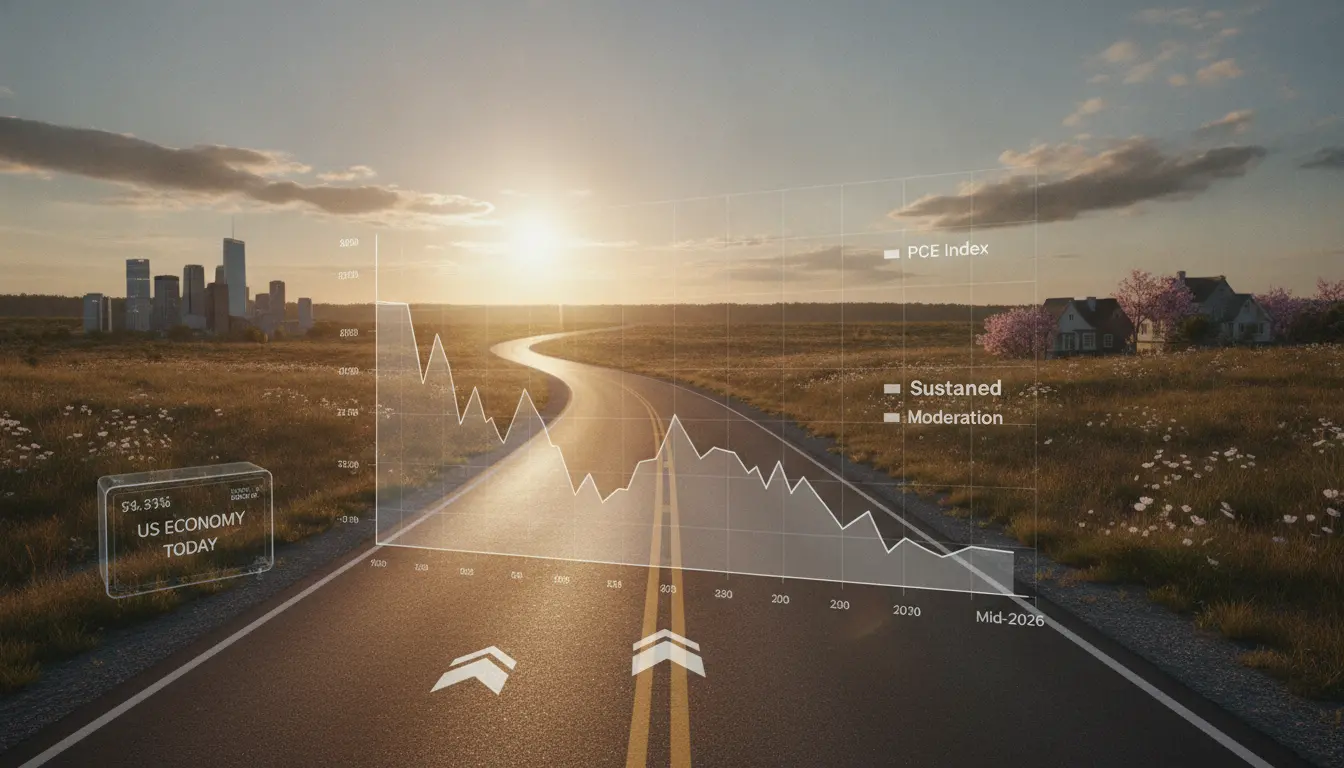
US Economic Forecasts Point to Sustained PCE Inflation Moderation by Mid-2026
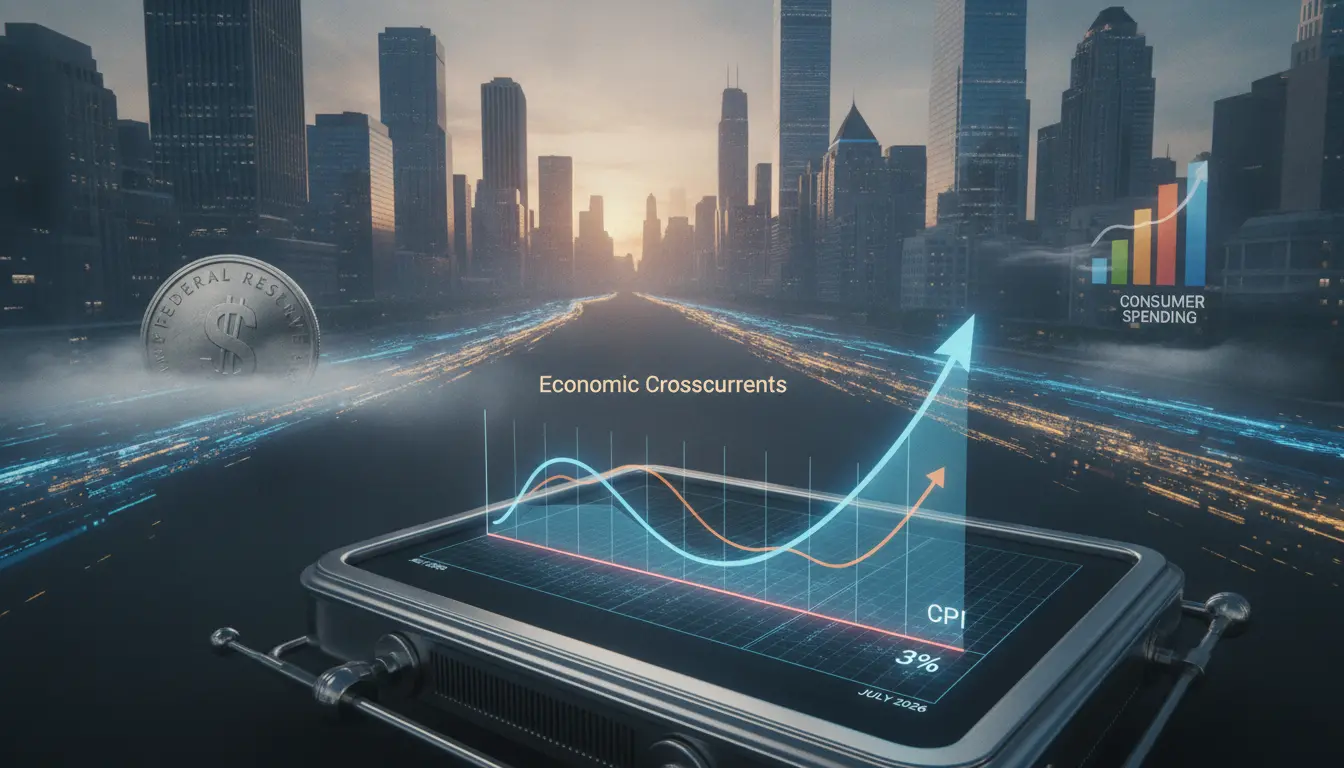
US Inflation Outlook: Analysts Project Sub-3% CPI by July 2026 Amid Economic Crosscurrents
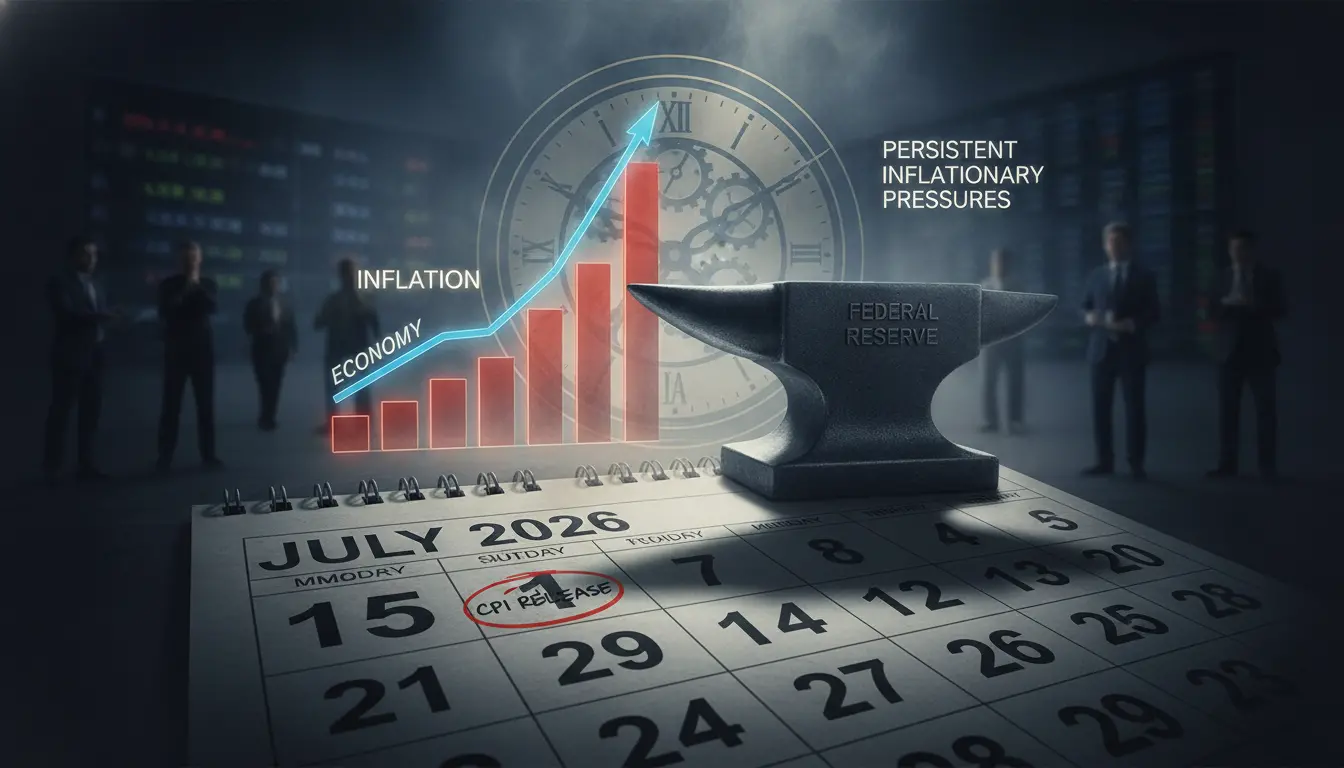
Federal Reserve Focuses on July 2026 CPI Amid Persistent Inflationary Pressures

US Wage Growth Trajectory for 2026 Under Scrutiny Amid Inflation Concerns

July 2026 ISM Services PMI Release Set to Offer Crucial Insights into US Economic Health

2026 Midterms Set to Decide Critical Control of US House of Representatives

US Political Landscape Girds for Pivotal 2026 Midterm Elections as Control of Congress Hangs in Balance

2026 US Senate Midterms Poised for Razor-Thin Control, Fueling Bipartisan Struggle

Tesla's Automotive Gross Margin Under Intense Scrutiny Ahead of Q2 2026 Earnings Report