

- News
- Politics
- Supreme Court Poised to Rule on Presidential Power to Fire Fed Governors, Threatening Central Bank Independence
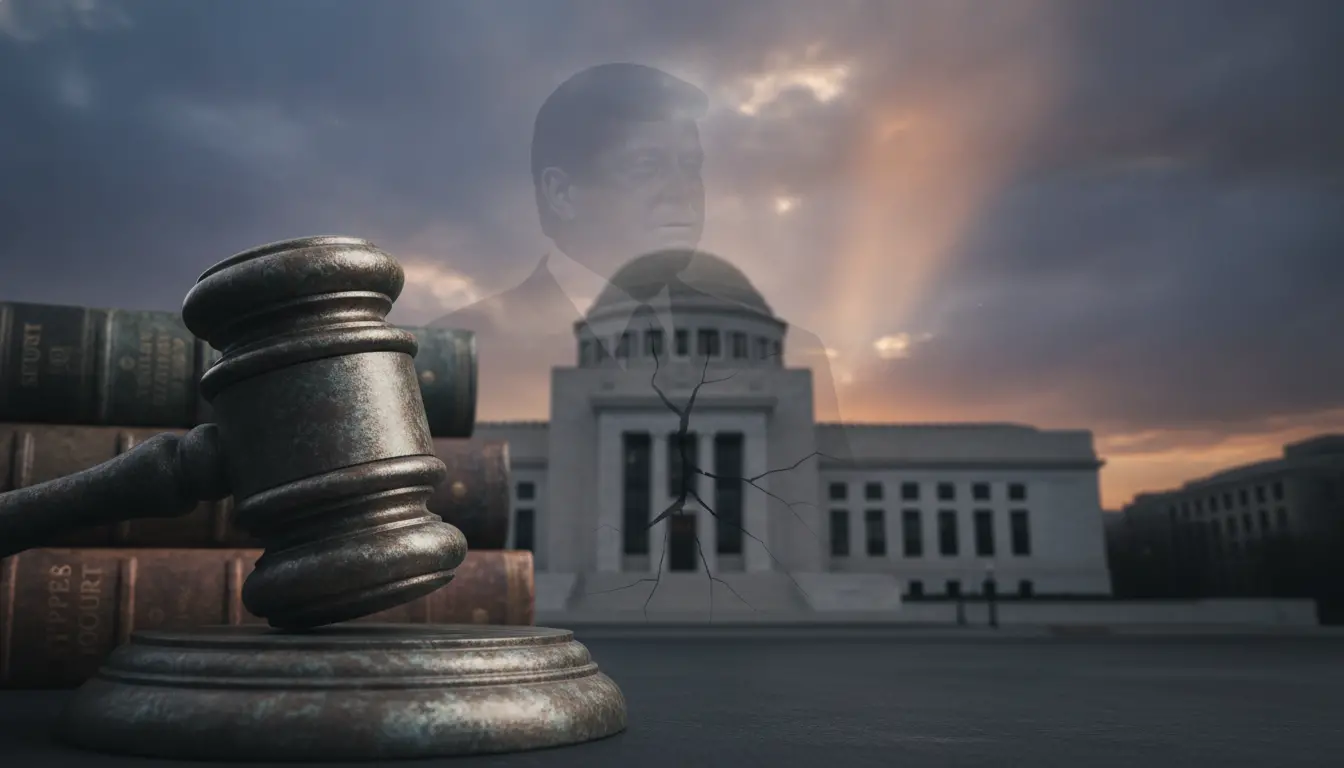
Supreme Court Poised to Rule on Presidential Power to Fire Fed Governors, Threatening Central Bank Independence
WASHINGTON – The U.S. Supreme Court is expected to deliver a landmark ruling in the coming weeks that could fundamentally reshape the American administrative state, with the independence of the Federal Reserve hanging in the balance. At the heart of the matter is a long-simmering constitutional debate: whether the President has the authority to fire governors of the nation’s central bank, and heads of other independent agencies, without cause. A decision affirming such a power would dismantle nearly a century of precedent designed to insulate crucial economic and regulatory bodies from short-term political whims, potentially introducing a new era of volatility into U.S. monetary policy.
Since its creation by the Federal Reserve Act of 1913, the central bank has been structured as an independent entity within the government. Its Board of Governors are appointed to staggered 14-year terms, a length designed to outlast any single presidential administration. Critically, the law stipulates that they can only be removed from office "for cause," a high legal standard generally understood to mean inefficiency, neglect of duty, or malfeasance. This protection is widely considered the bedrock of the Fed’s credibility, allowing it to make difficult, and often unpopular, decisions on interest rates and inflation without fear of immediate political retribution. The objective is to prevent a scenario where a president, seeking a short-term economic boost before an election, could pressure the Fed into lowering interest rates, risking runaway inflation down the line.
The legal challenge to this long-standing arrangement stems from the “unitary executive theory,” a conservative legal doctrine asserting that Article II of the Constitution grants the President complete control over the executive branch. Proponents argue that independent agencies whose leaders are shielded from at-will presidential removal constitute an unconstitutional “fourth branch” of government, unaccountable to the elected head of state. The Supreme Court has addressed this issue in recent years, notably in cases like Seila Law v. CFPB (2020) and Collins v. Yellen (2021). In those rulings, the court found that for-cause removal protections were unconstitutional for agencies led by a single director, such as the Consumer Financial Protection Bureau. The current legal question extends this logic to multi-member boards and commissions, like the Federal Reserve, the Federal Trade Commission, and the Securities and Exchange Commission.
A ruling that strikes down for-cause removal protections for Fed governors would represent a seismic shift in American governance. The immediate consequence would be the erosion of the Fed's political independence. A president could, in theory, threaten to dismiss or actually fire governors who pursue monetary policies contrary to the administration's goals. For instance, if the Fed were raising interest rates to combat inflation at a pace the White House deemed harmful to economic growth or its re-election chances, the president could replace dissenting governors with more compliant appointees. Such a move would severely undermine the confidence of domestic and international financial markets, which rely on the Fed’s predictable, data-driven approach. The mere perception of political interference could trigger market instability, impact the value of the dollar, and complicate the fight against inflation.
Economists and former central bank officials have warned that politicizing the Federal Reserve would be a grave mistake. They argue that the institution's independence is a key reason for the relative stability of the U.S. economy over the past several decades. While the Fed is not immune to criticism and is ultimately accountable to Congress, its insulation from the executive branch’s day-to-day political agenda is paramount. As the Supreme Court justices finalize their opinions before their traditional end-of-June recess, the decision they render on this issue will not only resolve a complex constitutional question but also set the course for the future of economic policymaking and the balance of power in Washington for decades to come.
Stay Informed. Act Smarter.
Get weekly highlights, major headlines, and expert insights — then put your knowledge to work in our live prediction markets.
Related News

Supreme Court Weighs Presidential Power to Dismiss Federal Reserve Governors Without Cause
Supreme Court Considers Presidential Authority to Remove Federal Reserve Governors Without Cause
Supreme Court Considers President's Power to Remove Federal Reserve Governors

Project 2025 Blueprints Potential Purge of Independent Agency Heads in a Second Trump Term
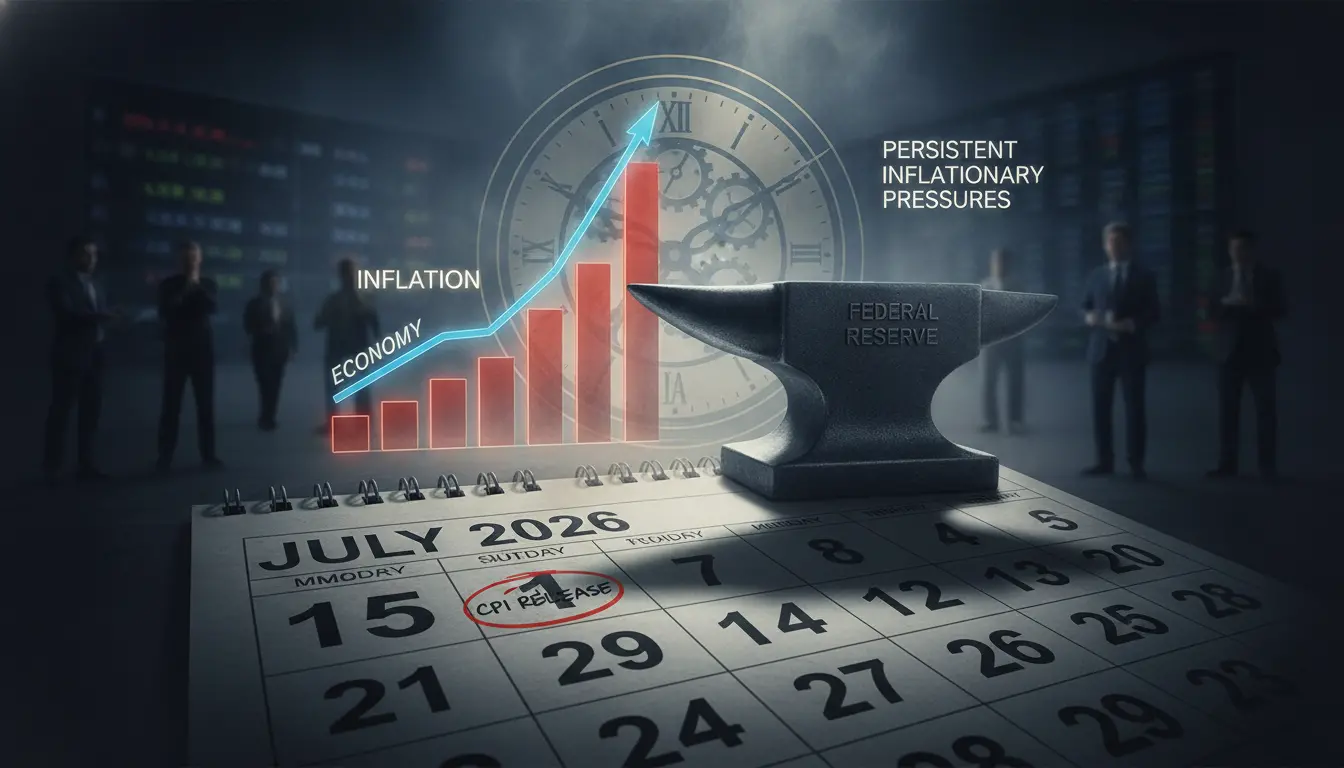
Federal Reserve Focuses on July 2026 CPI Amid Persistent Inflationary Pressures
Legal Challenges Anticipated Regarding Executive Power Over Election Assistance Commission
Supreme Court Poised for Potential Review of Birthright Citizenship Under 14th Amendment

US Economic Forecasts Point to Sustained PCE Inflation Moderation by Mid-2026

Campaign Spending for 2026 US Midterm Elections Poised to Exceed $18 Billion Following Judicial Shifts

US Wage Growth Trajectory for 2026 Under Scrutiny Amid Inflation Concerns