

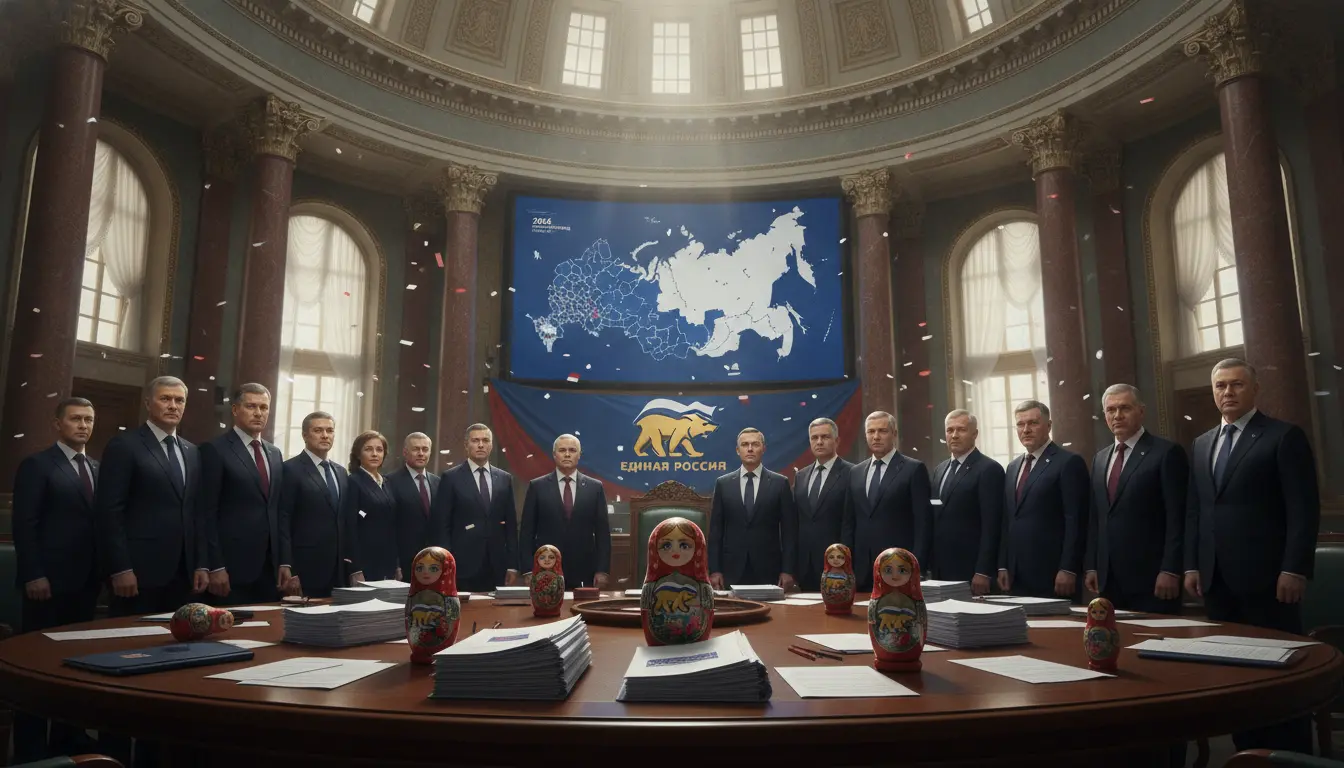
United Russia Prepares to Consolidate Power in 2026 State Duma Elections
As Russia looks ahead to the September 2026 legislative elections for the State Duma, expectations are firmly set on the United Russia party to maintain its long-held dominant position. The forthcoming ballot, while still over two years away, is already being viewed by observers as another meticulously managed exercise designed to reaffirm the existing power structures and consolidate the Kremlin's mandate amidst a complex domestic and international landscape. The outcome is widely anticipated to ensure continuity, allowing the government to pursue its policy agenda without significant parliamentary impediment, reflecting the established political reality within the Russian Federation.
United Russia, often described as the 'party of power,' has served as the primary political vehicle for President Vladimir Putin's administration since its formation in 2001. Originating from the Unity interregional movement, it rapidly absorbed other pro-Kremlin factions to create a formidable electoral machine. Its enduring success is not merely a reflection of popular support, though it consistently polls well, but also a testament to its deep integration with state institutions, extensive organizational reach, and a political system that effectively marginalizes genuine opposition. The party's platform, broadly defined by conservative values, national sovereignty, and social stability, resonates with a significant portion of the electorate, particularly in the absence of viable alternatives offering a fundamentally different vision for the country.
The political environment in Russia has been characterized by a steady centralization of power, particularly in recent years. Legislative and electoral reforms have incrementally tightened control over the political process, making it increasingly difficult for independent candidates or non-systemic opposition parties to gain traction. Media landscapes are largely state-controlled, shaping public discourse and limiting exposure for dissenting voices. This carefully constructed ecosystem ensures that while elections are held, the results largely align with the Kremlin's strategic objectives, projecting an image of democratic legitimacy while guaranteeing desired political outcomes. The 2026 elections will unfold within this well-established framework, further solidifying the trajectory set by the current leadership.
Key players in this electoral drama include not only President Putin, who remains the ultimate arbiter of Russian politics and the de facto leader of United Russia, but also high-ranking party officials who manage its day-to-day operations and electoral strategy. While other parties, such as the Communist Party of the Russian Federation (CPRF), the Liberal Democratic Party of Russia (LDPR), and A Just Russia — For Truth, hold seats in the Duma, they are widely considered 'systemic opposition.' These parties participate in the political process but generally operate within parameters acceptable to the Kremlin, providing a semblance of multi-party debate without posing a serious challenge to United Russia's dominance or the broader direction of national policy. Their participation lends an air of legitimacy to the electoral process, reinforcing the impression of a pluralistic political landscape.
The stakes for the 2026 elections are substantial, both domestically and internationally. A continued supermajority for United Russia would empower the government to pass legislation swiftly, including potentially controversial economic or social reforms, and maintain a firm grip on the legislative agenda. It would also send a clear signal of internal stability and unity to both the Russian populace and the international community, particularly at a time when Russia navigates significant geopolitical challenges. Conversely, any unexpected erosion of support, however unlikely, could complicate governance, though it is highly improbable to alter the fundamental balance of power. The preparations for the 2026 vote, therefore, are not just about securing votes, but about reaffirming the political order and projecting an unwavering image of national resolve and continuity.
Looking ahead, United Russia's campaign is expected to leverage its extensive administrative resources, access to state media, and a narrative focused on national unity, stability, and the protection of Russian interests. The party will likely highlight achievements and ongoing projects, reinforcing its image as the reliable steward of the nation. For those seeking a shift in Russian politics, the 2026 State Duma elections are poised to be another stark reminder of the deeply entrenched nature of the current political system and the formidable challenge faced by any genuine alternative to the ruling party.
In essence, the 2026 legislative elections are set to be less of a contest for power and more of an affirmation of the established political order. United Russia’s expected retention of its majority will allow the Kremlin to continue its policies unimpeded, underscoring the resilience and effectiveness of Russia's centralized political machine.
Stay Informed. Act Smarter.
Get weekly highlights, major headlines, and expert insights — then put your knowledge to work in our live prediction markets.
Related News
Kremlin Seeks to Bolster Control in Upcoming 2026 Federal Duma Elections
Swiss Voters to Decide on Constitutional Strengthening of Nation's Neutrality Doctrine in 2026
EU Weighs Further Sanctions on Russia Amid Prolonged Conflict in Ukraine
EU Prepares Expansive Sanctions Package Targeting Over 1,600 Firms Accused of Aiding Russian War Effort
Federal Reserve Prepares for Key Interest Rate Review at July 2026 Meeting
US Durable Goods Orders for July 2026 Under Scrutiny as Economic Health Indicator

US Q2 2026 GDP Growth Poised for Potential Upward Revision with Third Estimate
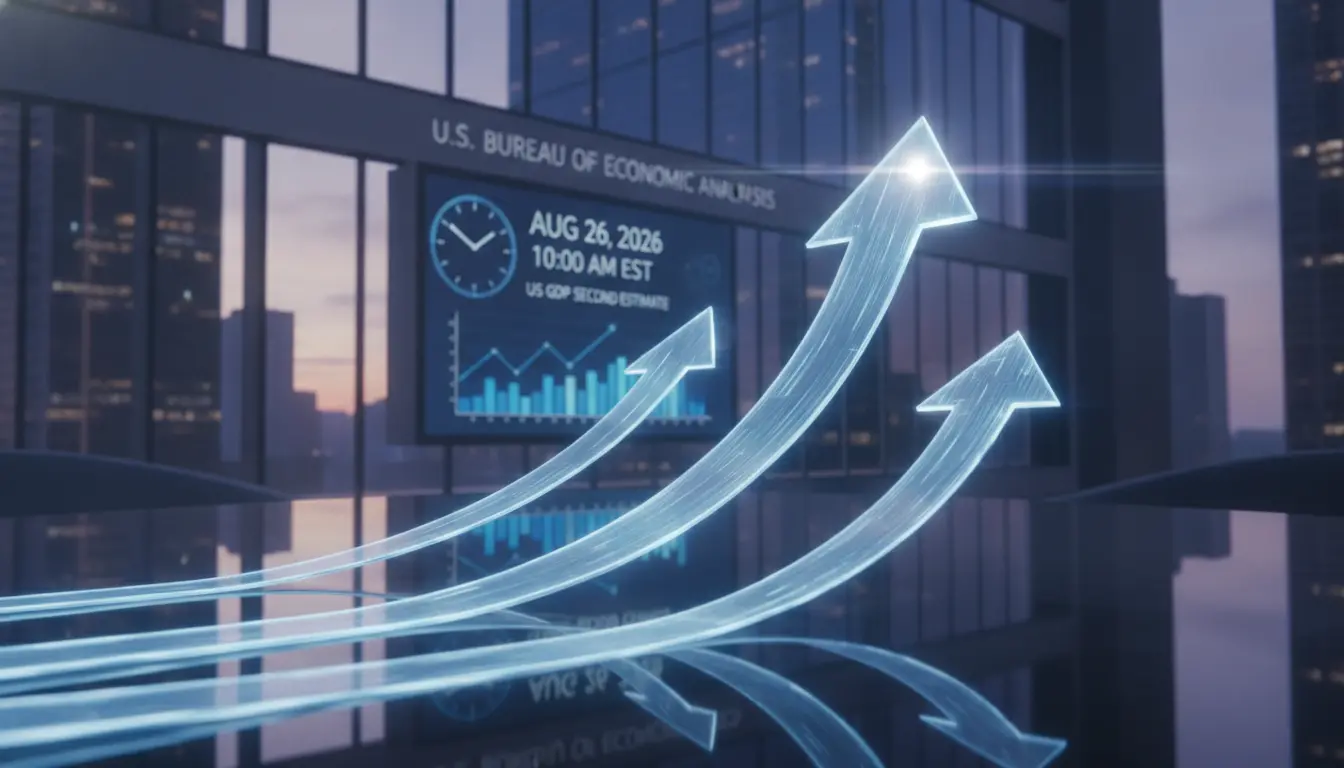
Q2 2026 US GDP Second Estimate Looms, Upward Revision in Focus

July 2026 US Retail Sales Report Nears, Offering Crucial Insight into Consumer Spending
Bank of Japan's September 2026 Meeting Looms as Rate Hike Speculation Mounts