

- News
- Politics
- EU Prepares Expansive Sanctions Package Targeting Over 1,600 Firms Accused of Aiding Russian War Effort
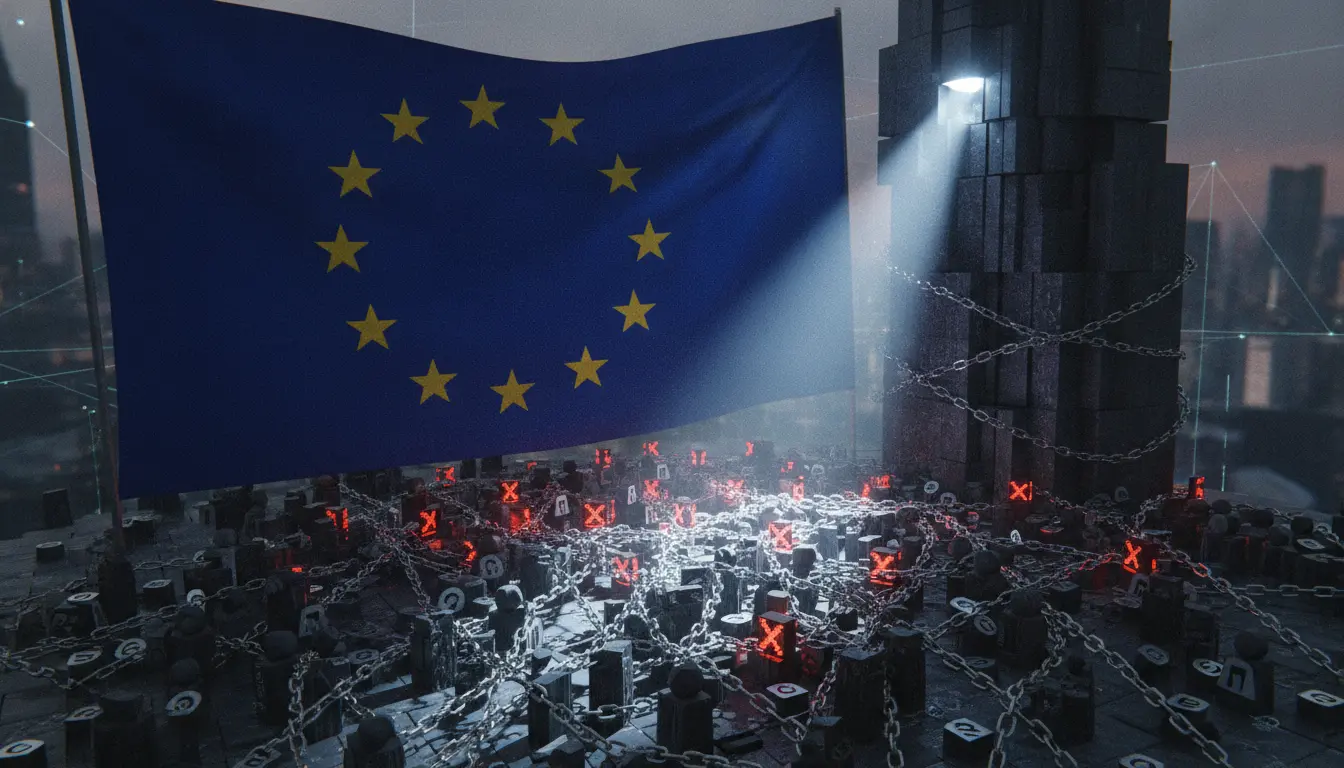
EU Prepares Expansive Sanctions Package Targeting Over 1,600 Firms Accused of Aiding Russian War Effort
The European Union is reportedly preparing its most extensive sanctions package to date, aiming to target a record 1,600 firms identified as complicit in helping Russia circumvent existing restrictions and sustain its military operations in Ukraine. This proposed action underscores Brussels' escalating efforts to tighten the economic noose around Moscow, confronting a sophisticated network of entities facilitating the flow of prohibited goods and funds into Russia despite unprecedented international pressure. The initiative signals a determined push to disrupt the Kremlin's ability to procure critical components and financing for its ongoing war.
Since Russia's full-scale invasion of Ukraine in February 2022, the EU, alongside its international partners, has rolled out a series of punitive measures designed to cripple key sectors of the Russian economy. These have included restrictions on energy exports, financial institutions, dual-use technologies, and high-tech components crucial for military applications. However, intelligence reports and investigative journalism have consistently highlighted Russia's success in adapting to and circumventing these sanctions, often through third-country intermediaries and shell companies. This upcoming package is a direct response to those persistent evasion tactics, indicating a shift towards a more aggressive enforcement strategy that targets the facilitators rather than solely the primary recipient.
The scale of this proposed sanctions list — encompassing an estimated 1,600 entities — represents a significant escalation, far surpassing previous individual packages in terms of the number of targeted firms. These firms are believed to span various jurisdictions, including countries in Russia's immediate periphery, Central Asia, and potentially even some within EU member states or allied nations, operating under opaque ownership structures. The focus is expected to be on companies involved in providing critical components for Russia's defense industrial base, facilitating financial transactions, or transporting sanctioned goods through complex supply chains that obscure their ultimate destination. The sheer volume also suggests a comprehensive data-driven approach, leveraging intelligence from member states, international partners, and open-source investigations to identify these illicit networks.
The process of imposing such widespread sanctions requires unanimous approval from all 27 EU member states, a step that can often be fraught with diplomatic challenges due to varying national economic interests and geopolitical priorities. The European Commission plays a central role in drafting and proposing these measures, but their adoption hinges on a delicate balance of consensus. Once implemented, these sanctions would entail asset freezes and travel bans for individuals associated with the firms, as well as prohibitions on doing business with the listed entities, effectively cutting them off from the EU's vast single market and financial system. The aim is to make it increasingly difficult and costly for Russia to procure necessary materials and to exert pressure on third countries to crack down on firms operating within their borders that aid Moscow's war effort.
Beyond the immediate economic impact on the targeted firms, this new package carries significant geopolitical weight. It serves as a stark warning to any company, regardless of its origin, that continues to engage in activities deemed supportive of Russia's aggression against Ukraine. It also underscores the EU's long-term commitment to applying sustained economic pressure, signaling that the bloc is prepared to broaden its enforcement net and impose severe consequences on entities attempting to profit from or enable the conflict. The challenge will lie not only in securing political consensus for such an expansive list but also in effectively monitoring and enforcing these measures across a globalized economy, ensuring they deliver the intended blow to Russia's war machine while minimizing unintended collateral damage.
Observers note that the effectiveness of these sanctions will depend heavily on the ability of EU member states and their international allies to coordinate enforcement actions and close loopholes that allow for continued circumvention. This includes enhanced customs checks, stricter due diligence requirements for financial institutions, and improved intelligence sharing. The financial and reputational risks associated with being listed on such a comprehensive sanctions regime are substantial, and the EU hopes this will deter other firms from contemplating similar illicit activities. The bloc's sustained focus on sanctions as a core instrument of its foreign policy demonstrates a resolve to degrade Russia's military capabilities and economic resilience for as long as the conflict persists, making it clear that aiding the aggressor comes at an increasingly steep price.
Stay Informed. Act Smarter.
Get weekly highlights, major headlines, and expert insights — then put your knowledge to work in our live prediction markets.
Related News

EU Weighs Further Sanctions on Russia Amid Prolonged Conflict in Ukraine

Kremlin Seeks to Bolster Control in Upcoming 2026 Federal Duma Elections

Swiss Voters to Decide on Constitutional Strengthening of Nation's Neutrality Doctrine in 2026

United Russia Prepares to Consolidate Power in 2026 State Duma Elections

US Officials Weigh Naval Blockade Option Against Iran Amid Deepening Tensions

ECB to Weigh Main Refinancing Rate Adjustment in July 2026

US Retail Sales Data for July 2026 Poised to Inform Economic Outlook

Amazon Antitrust Settlement Opens Claims Process Amid Scrutiny Over Market Dominance

European G7 Nations Weigh Full Ban on Major Generative AI Models Amid Safety Concerns

July 2026 US Retail Sales Report Nears, Offering Crucial Insight into Consumer Spending