


July 2026 US Retail Sales Report Nears, Offering Crucial Insight into Consumer Spending
As August 15, 2026, approaches, economic analysts, policymakers, and investors alike are sharpening their focus on the forthcoming release of the US Retail Sales Report for July 2026. This critical data point, issued by the US Census Bureau, serves as a vital barometer of consumer health and overall economic momentum. In an environment marked by shifting economic currents—ranging from persistent inflationary pressures to an evolving labor market—the report is poised to offer indispensable insights into the robustness of American purchasing power. The figures for July 2026 will not merely reflect recent transactional activity but will also inform broader narratives about the trajectory of the nation's economy and the potential implications for monetary and fiscal policy going forward. A notable shift in consumer behavior could underscore either budding economic fragilities or enduring resilience, making this particular release especially poignant.
Retail sales represent the total receipts of retail stores and food services, encompassing a wide array of goods and services purchased by consumers. As such, the report offers a granular view into household spending patterns across various sectors, from automotive and electronics to clothing and dining out. Consumer spending traditionally accounts for roughly two-thirds of the United States' Gross Domestic Product, cementing its status as the primary engine of economic growth. Therefore, any significant deviation from expected trends in retail sales data can ripple through financial markets and influence economic forecasts. A robust consumer base indicates strong demand and often correlates with healthy employment and wage growth, while a contraction can signal a pullback in discretionary spending, potentially indicative of economic headwinds or growing caution among households. The US Census Bureau’s meticulous data collection ensures a comprehensive snapshot, allowing for month-over-month comparisons that highlight immediate changes in spending habits.
Several macroeconomic factors are anticipated to have shaped consumer behavior leading up to July 2026. Inflation, though potentially moderating from its recent peaks, remains a significant concern. Elevated prices for everyday necessities can compel households to prioritize essential goods, thereby reducing expenditure on non-discretionary items and impacting overall retail figures. Concurrently, the Federal Reserve’s ongoing stance on interest rates, aimed at taming inflation, has influenced borrowing costs for everything from mortgages to auto loans, potentially deterring large purchases. The state of the labor market also plays a pivotal role; consistent job growth and rising real wages empower consumers with greater purchasing power, whereas any signs of softening employment could prompt a more cautious approach to spending. Furthermore, consumer confidence surveys conducted during July would have offered a glimpse into psychological factors, revealing whether households felt optimistic about their personal financial situations and the broader economic outlook.
The implications of the July 2026 retail sales report are far-reaching. Should the data reveal a decrease in sales compared to the previous month, it would likely be interpreted as a tangible sign of weakening consumer spending and a potential deceleration in economic activity. Such a trend could signal that the cumulative effect of higher interest rates and inflationary pressures is finally taking a significant toll on household budgets, potentially increasing the likelihood of a recession or at least a period of slower growth. Conversely, a stronger-than-expected retail sales performance would underscore the resilience of the American consumer, suggesting that households are either managing inflationary pressures effectively or that wage gains are sufficiently strong to maintain robust spending. This scenario, while positive for immediate economic growth, might also reignite concerns about persistent inflation, potentially influencing the Federal Reserve's future monetary policy decisions and challenging the narrative of a 'soft landing' for the economy.
Policymakers at the Federal Reserve will scrutinize these figures closely as they calibrate future interest rate adjustments, balancing the imperative to control inflation with the need to avoid stifling economic growth. A marked slowdown in retail sales could bolster arguments for a pause or even a cut in interest rates, while sustained strength might reinforce a hawkish stance. Beyond monetary policy, the report will also influence corporate strategies, with businesses adjusting inventory levels, marketing efforts, and investment plans based on perceived consumer demand. Investors, too, will react swiftly, with retail sector stocks and broader market indices reflecting the prevailing sentiment about consumer health. Moreover, the data provides invaluable input for government fiscal policy discussions, informing debates around potential stimulus measures or adjustments to tax policies designed to support economic stability.
While a single month's data point offers a snapshot, its weight in the larger economic narrative cannot be overstated. The July 2026 retail sales report is more than just a collection of numbers; it is a critical pulse check on the nation's economic vitality. Economists will look for underlying trends, differentiating between temporary fluctuations and more enduring shifts in consumer behavior. The report will set the stage for subsequent economic releases, providing a foundational understanding of where the US economy stands mid-year 2026 and offering crucial guidance for navigating the complex economic landscape that lies ahead, underscoring the ongoing challenges and opportunities facing American households and businesses.
Stay Informed. Act Smarter.
Get weekly highlights, major headlines, and expert insights — then put your knowledge to work in our live prediction markets.
Related News
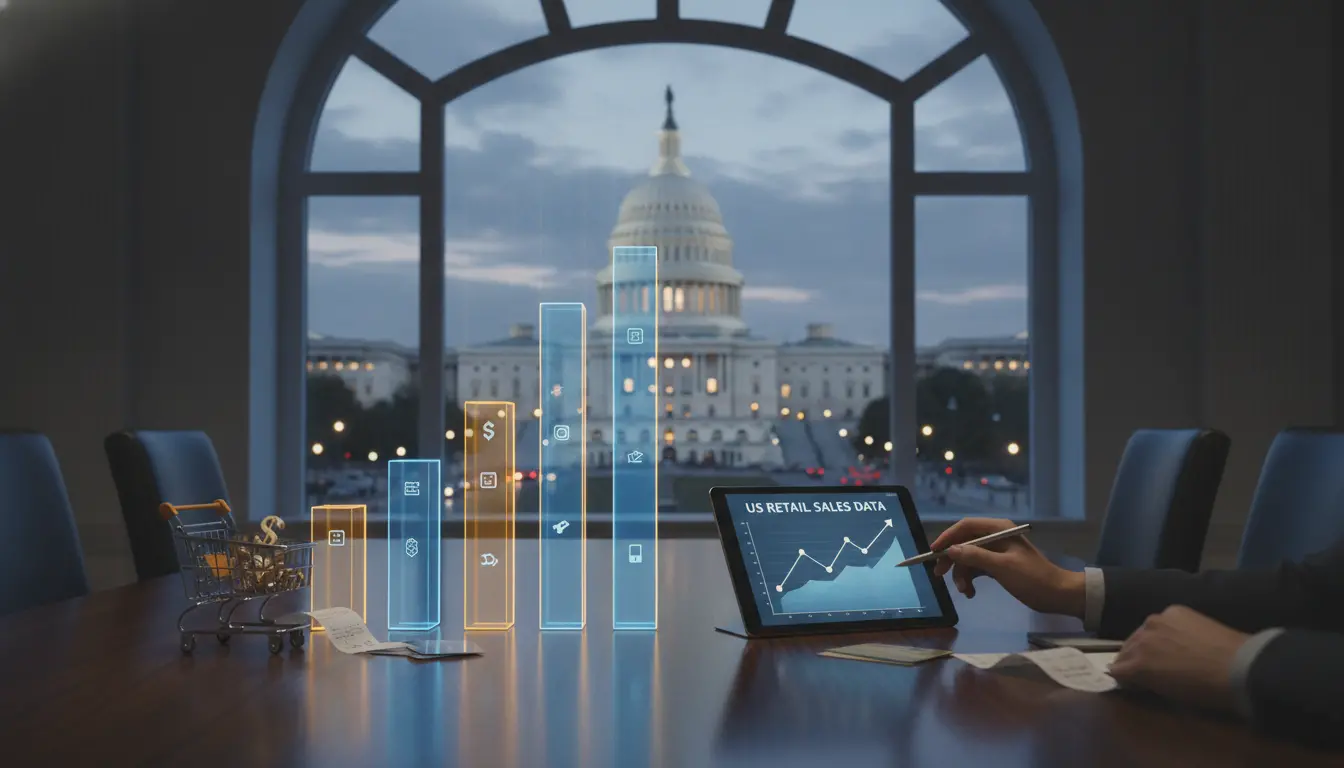
US Retail Sales Data for July 2026 Poised to Inform Economic Outlook

US Durable Goods Orders for July 2026 Under Scrutiny as Economic Health Indicator

US Economy Awaits Critical Q2 2026 GDP Revision Amid Growth Scrutiny

Federal Reserve Prepares for Key Interest Rate Review at July 2026 Meeting
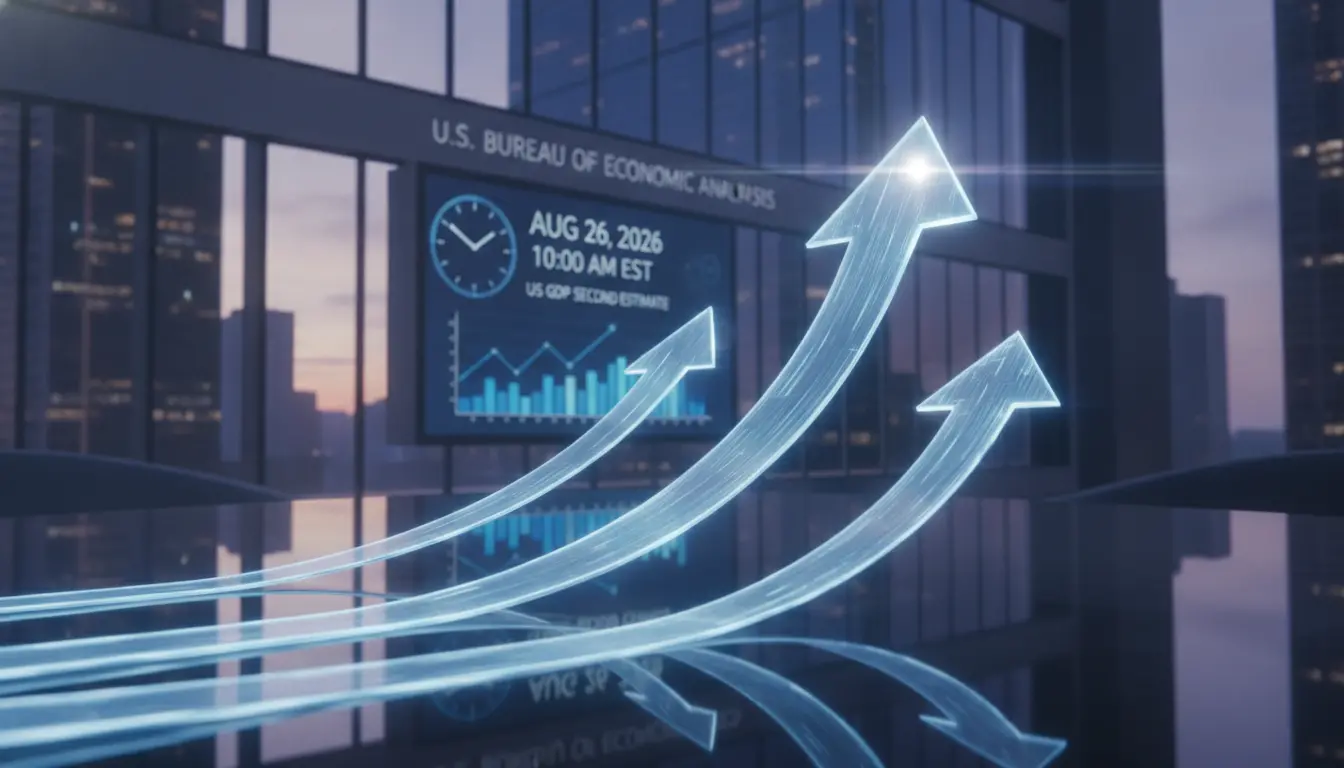
Q2 2026 US GDP Second Estimate Looms, Upward Revision in Focus
US Q2 2026 GDP Growth Poised for Potential Upward Revision with Third Estimate

US Manufacturing Sector Eyes Sustained Expansion Amidst Evolving Economic Landscape

Markets Brace for Federal Reserve's July Minutes Amid Hawkish Policy Focus

ECB to Weigh Main Refinancing Rate Adjustment in July 2026

RBI Poised for Key Interest Rate Call on August 5, Weighing Inflation Against Economic Momentum