


Markets Brace for Federal Reserve's July Minutes Amid Hawkish Policy Focus
The financial world is poised for the release of the Federal Reserve’s Federal Open Market Committee (FOMC) minutes from its July 28-29, 2026 meeting, scheduled for August 19. This highly anticipated document is expected to offer crucial insights into the central bank’s recent policy deliberations, with investors particularly keen to discern any signals that might point towards a more aggressive tightening posture than previously anticipated. The minutes will be meticulously scrutinized for nuanced language, dissenting opinions, and the underlying economic assessments that shaped the committee's decisions, ultimately providing a clearer picture of the likely trajectory for interest rates in the coming months.
The Federal Reserve, operating under its dual mandate of achieving maximum employment and price stability, has navigated a complex economic landscape leading up to the July meeting. Persistent inflationary pressures, coupled with a remarkably resilient labor market and robust consumer spending, have presented policymakers with difficult choices. While headline inflation figures may have shown some moderation, underlying core inflation metrics have remained stubbornly elevated, fueling concerns that the battle against rising prices is far from over. This backdrop has intensified the debate within the FOMC, pitting members who prioritize reining in inflation through higher rates against those who express caution about the potential for over-tightening to tip the economy into a downturn. The minutes are crucial because they move beyond the terse post-meeting statement and individual speeches, revealing the collective thinking, uncertainties, and precise arguments that inform policy.
A "hawkish" stance typically implies a commitment to higher interest rates, either through more frequent hikes, larger increments, or a longer period of restrictive policy. For the July 2026 minutes, market participants will be searching for specific indicators that suggest such a shift. This could include stronger-than-expected consensus among committee members regarding the need for further tightening, less emphasis on downside risks to economic growth, or detailed discussions about the pace of quantitative tightening – the reduction of the Fed's balance sheet. Any indication that the FOMC views inflation as more entrenched or the labor market as overheating to a greater degree could be interpreted as a hawkish signal, potentially implying that the Fed is prepared to tolerate a greater degree of economic slowdown to achieve its price stability objective. Conversely, signs of growing concern over economic fragility or an increased focus on the lag effects of previous rate hikes could temper these expectations.
The July meeting deliberations undoubtedly factored in a fresh slate of economic data, including the latest inflation readings, employment reports, GDP growth figures, and consumer confidence surveys. These data points, along with the Fed staff's economic projections, form the bedrock of the FOMC's discussions. Key figures within the Federal Reserve, from the Chair to regional bank presidents, often express varying views in public speeches. The minutes, however, synthesize these individual perspectives into a collective narrative, showing where common ground was found and where disagreements persisted. Analysts will pay close attention to the language used to describe the "path of policy" and any qualifying remarks about future data dependency, seeking to gauge the degree of flexibility the committee retains versus a predetermined course of action.
The implications of a potentially more hawkish reveal in the minutes are significant. Financial markets could react swiftly, with bond yields potentially rising as investors price in higher future rates. This, in turn, could impact equity valuations, particularly for growth stocks sensitive to borrowing costs. The U.S. dollar might strengthen against other major currencies, reflecting increased demand for dollar-denominated assets. For businesses and consumers, a sustained hawkish stance translates to higher borrowing costs for everything from mortgages to corporate loans, potentially cooling investment and spending. Ultimately, the minutes will help shape expectations for the Fed's actions in the remainder of 2026 and beyond, influencing global economic sentiment and capital flows. A clear signal of continued vigilance against inflation, even at the cost of slower growth, would underscore the central bank's unwavering commitment to its primary mandate.
Beyond immediate market reactions, the July minutes will also contribute to the broader narrative surrounding central bank policy in an era of elevated inflation. Global central bankers are closely observing the Federal Reserve's actions, given its outsized influence on international capital markets and monetary conditions. Any indication of a more entrenched hawkish posture could ripple through global economies, potentially prompting other central banks to re-evaluate their own policy stances. The intricate details contained within the minutes will thus serve as more than just a snapshot of past deliberations; they will be a forward-looking guide, signaling the Fed's resolve and shaping the economic outlook for the foreseeable future.
Stay Informed. Act Smarter.
Get weekly highlights, major headlines, and expert insights — then put your knowledge to work in our live prediction markets.
Related News
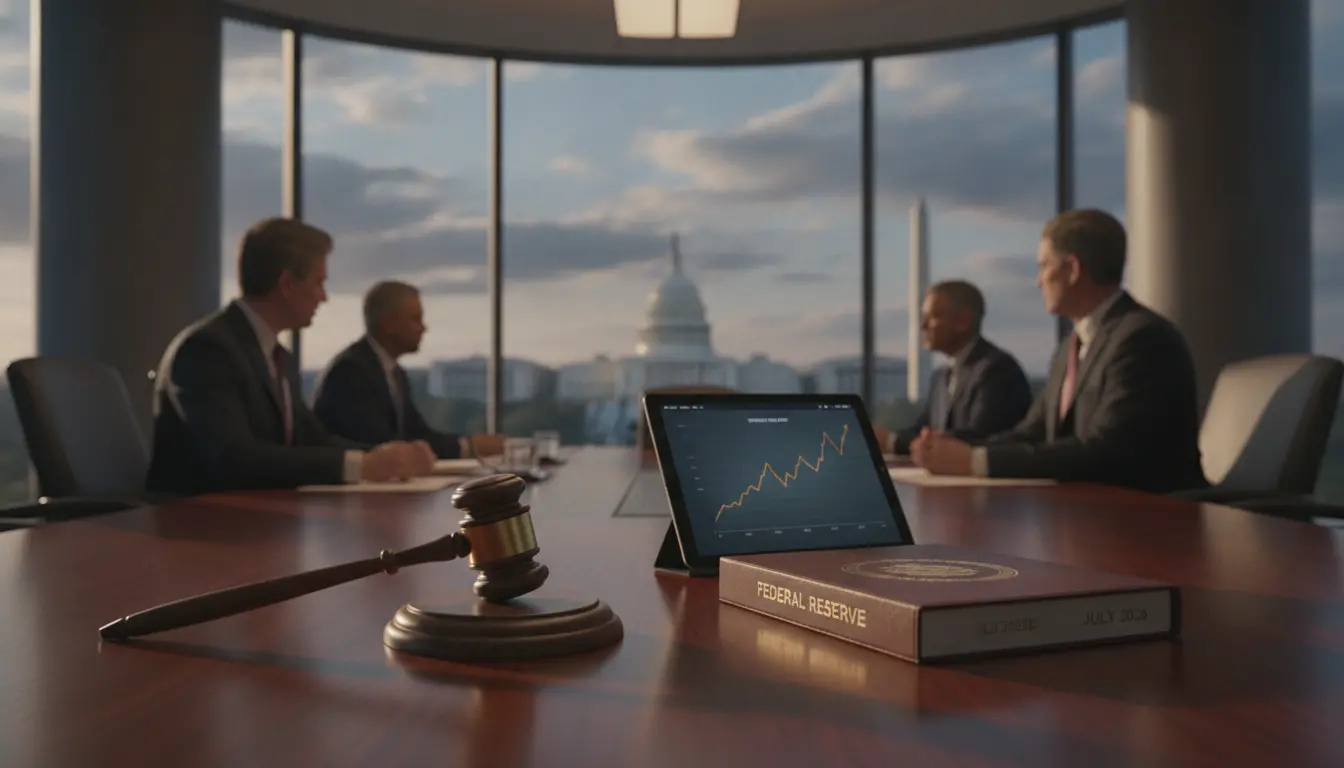
Federal Reserve Prepares for Key Interest Rate Review at July 2026 Meeting

July 2026 US Retail Sales Report Nears, Offering Crucial Insight into Consumer Spending
Bank of Japan's September 2026 Meeting Looms as Rate Hike Speculation Mounts
US Retail Sales Data for July 2026 Poised to Inform Economic Outlook

US Economy Awaits Critical Q2 2026 GDP Revision Amid Growth Scrutiny

US Durable Goods Orders for July 2026 Under Scrutiny as Economic Health Indicator

ECB to Weigh Main Refinancing Rate Adjustment in July 2026

US Manufacturing Sector Eyes Sustained Expansion Amidst Evolving Economic Landscape
Q2 2026 US GDP Second Estimate Looms, Upward Revision in Focus

RBI Poised for Key Interest Rate Call on August 5, Weighing Inflation Against Economic Momentum