

US Officials Weigh Naval Blockade Option Against Iran Amid Deepening Tensions
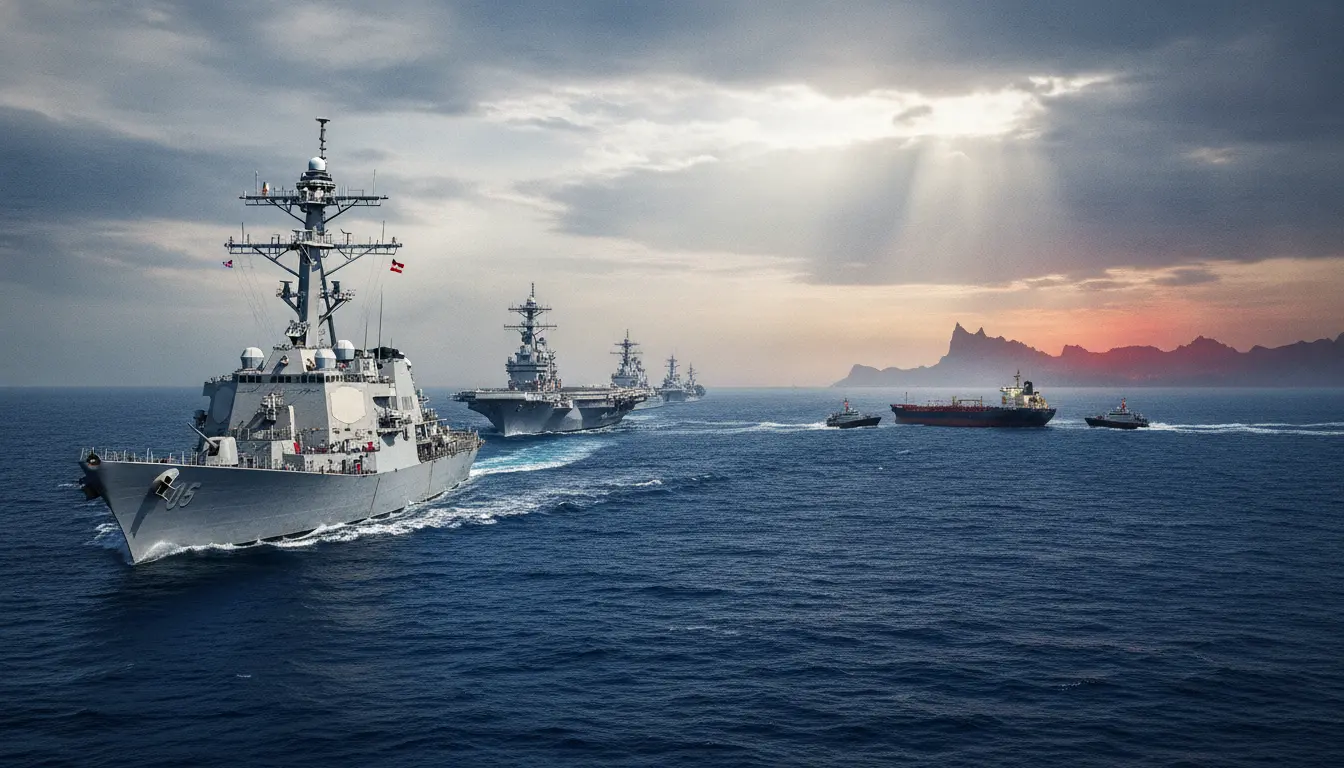
Washington is reportedly giving serious consideration to imposing a naval blockade on Iran, a move that would dramatically escalate already fraught relations following recent US airstrikes against Iranian-backed targets in the region. This strategic deliberation comes as a direct response to what US officials describe as Iran's persistent destabilizing activities in the Middle East, particularly its advancements in nuclear capabilities and its extensive network of proxy forces. A blockade, if implemented, would represent a significant shift in US policy, moving beyond targeted retaliatory strikes to a broader economic and military containment strategy with potentially profound global implications, especially for energy markets.
The prospect of a naval blockade is rooted in decades of animosity and distrust between the two nations, which intensified significantly after the US withdrew from the Joint Comprehensive Plan of Action (JCPOA), or Iran nuclear deal, in 2018. Since then, Iran has progressively expanded its uranium enrichment activities, far exceeding the limits set by the original agreement, raising international alarms. Concurrently, Tehran has continued to bolster its regional proxies, including groups responsible for recent attacks on US personnel and international shipping. This historical backdrop, coupled with a series of tit-for-tat escalations, has created a volatile environment where each action and reaction pushes both countries closer to a direct confrontation.
A central component of any potential blockade strategy would undoubtedly revolve around the Strait of Hormuz, a choke point through which approximately 20% of the world's total petroleum consumption, and a third of the world’s liquefied natural gas, passes daily. The strategic importance of the Strait cannot be overstated; its disruption would send shockwaves through the global economy. In the past, the US had explored various approaches to control or influence traffic through this vital waterway, including proposals for a fee on transiting vessels. However, abandoning such a commercial levy in favor of actively considering a military blockade underscores a hardening stance and a perceived necessity for more decisive action to curb Iran's regional influence and nuclear ambitions. This shift highlights a calculated move from economic pressure to a more overt display of force.
The immediate catalysts for Washington's current deliberations include recent US airstrikes targeting Iranian-backed militias in Iraq and Syria, executed in response to attacks on US bases. These actions signal a readiness to use military force, albeit in a limited, retaliatory capacity. Furthermore, Iran's alleged role in enabling Houthi attacks on commercial shipping in the Red Sea has underscored the global reach of its regional strategy and the vulnerability of international maritime trade. A naval blockade would aim to sever Iran's economic lifelines, primarily its oil exports, which despite extensive sanctions, continue to flow through various illicit channels, providing critical revenue for the regime and its proxy network.
Implementing a naval blockade, however, presents a labyrinth of legal, logistical, and geopolitical challenges. Under international law, blockades are typically considered acts of war, requiring specific justification and often UN Security Council authorization, which would likely face a veto from Russia and China. Logistically, enforcing a blockade of Iran's extensive coastline and maritime interests would require a sustained and significant naval presence, risking direct clashes with Iranian forces and potentially drawing in regional and global powers. The economic fallout would not only impact Iran but could trigger a dramatic surge in global oil prices, leading to widespread inflation and economic instability, particularly in energy-dependent nations.
Moreover, a blockade could unify public sentiment within Iran against external pressure, potentially strengthening hardliners and eroding any existing moderate influence. It could also prompt Iran to retaliate in asymmetric ways, such as further disrupting shipping, intensifying cyber-attacks, or activating dormant proxy cells globally. The path to de-escalation would become exceedingly narrow, making an already precarious regional security landscape even more volatile. The international community would face immense pressure to either condemn or support such a unilateral move, further straining diplomatic relations at a time when global cooperation is critical to addressing a myriad of complex challenges.
As the US weighs these high-stakes options, the decision point extends far beyond the immediate goal of deterring Iran. It involves calculating the potential for widespread conflict, global economic disruption, and the long-term reshaping of geopolitical alliances. The diplomatic tightrope walk continues, with the international community closely watching whether Washington opts for a path that could usher in an unprecedented era of confrontation in the Middle East or seeks alternative avenues for de-escalation and negotiated solutions.
Stay Informed. Act Smarter.
Get weekly highlights, major headlines, and expert insights — then put your knowledge to work in our live prediction markets.
Related News

EU Weighs Further Sanctions on Russia Amid Prolonged Conflict in Ukraine

EU Prepares Expansive Sanctions Package Targeting Over 1,600 Firms Accused of Aiding Russian War Effort

North American Trade Pact Faces Uncertain Future as 2026 Review Looms

European G7 Nations Weigh Full Ban on Major Generative AI Models Amid Safety Concerns

Swiss Voters to Decide on Constitutional Strengthening of Nation's Neutrality Doctrine in 2026

The White House Wants Anthropic to Block All Jailbreaks. That May Not Be Possible

ECB to Weigh Main Refinancing Rate Adjustment in July 2026

Federal Reserve Prepares for Key Interest Rate Review at July 2026 Meeting

Markets Brace for Federal Reserve's July Minutes Amid Hawkish Policy Focus

US Economy Awaits Critical Q2 2026 GDP Revision Amid Growth Scrutiny