

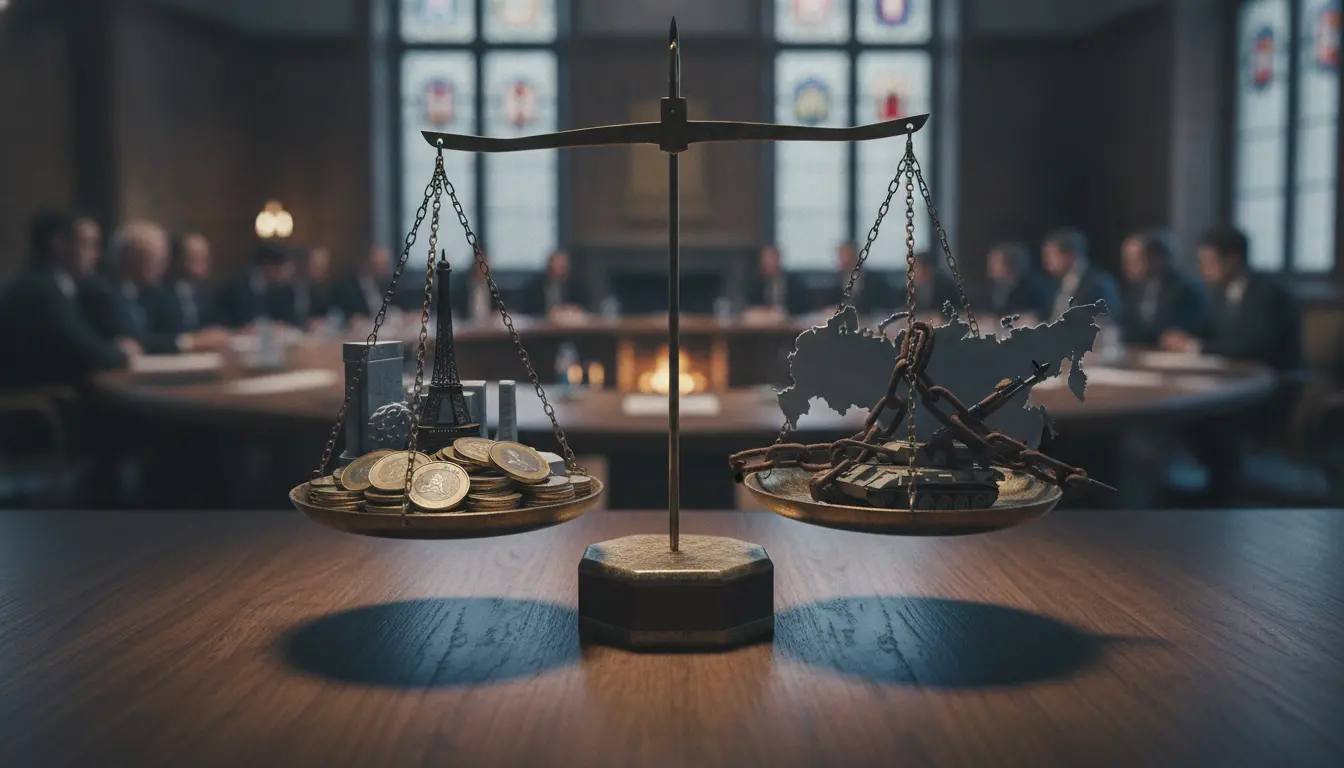
EU Weighs Further Sanctions on Russia Amid Prolonged Conflict in Ukraine
The European Union is engaged in an ongoing and complex debate over the imposition of additional sanctions against Russia, as the full-scale conflict in Ukraine shows no signs of abatement. With multiple significant packages of restrictive measures already in force, Brussels faces the delicate task of identifying new avenues to pressure Moscow without unduly harming its own member states' economies or provoking further escalation. The discussion reflects a persistent commitment to support Ukraine, even as the search for effective, yet politically feasible, economic levers becomes increasingly challenging.
Since Russia's full-scale invasion of Ukraine in February 2022, the EU has implemented over a dozen rounds of sanctions, targeting key sectors of the Russian economy, including energy, finance, technology, and defense, as well as numerous individuals and entities. These measures were designed to cripple Russia's ability to fund its war efforts, isolate its financial system, and degrade its military-industrial complex. While acknowledged to have had a substantial impact, Russia has also demonstrated a degree of resilience, rerouting trade flows, forging new partnerships, and adapting its economic structures to mitigate the effects, necessitating a continuous review of the existing framework and the exploration of new areas for intervention.
Recent discussions within the bloc have centered on tightening enforcement of existing sanctions, closing loopholes, and expanding the scope to include sectors or entities previously untouched. The complexities are manifold: achieving unanimity among all 27 member states remains a significant hurdle, as each nation weighs the political symbolism against the potential economic fallout for its own industries. Countries with stronger historical or economic ties to Russia, or those heavily reliant on specific Russian imports, often advocate for more cautious approaches, leading to protracted negotiations and the need for intricate compromise deals that balance collective resolve with national interests. The timeframe stretching towards late 2026 suggests an understanding that this is a prolonged struggle, requiring sustained and evolving pressure.
Areas under consideration for future sanctions could include further restrictions on Russia's energy revenues, potentially targeting liquefied natural gas (LNG) or the shipping of Russian oil beyond the G7 price cap, which has proven difficult to enforce. Expanding the list of sanctioned goods to prevent dual-use technologies from reaching Russia, even indirectly through third countries, is also a priority. Financial restrictions, including targeting specific Russian banks or expanding the list of financial services forbidden to Russian entities, remain on the table. The objective is to further diminish Russia's financial capacity to sustain its military aggression and to increase the cost of its continued occupation of Ukrainian territories.
The strategic stakes for the EU are immense. Maintaining a unified front against Russian aggression is crucial for upholding the international rules-based order and ensuring the long-term security of Europe. However, the cumulative effect of sanctions also impacts global markets, particularly for energy and commodities, and requires careful management to avoid exacerbating inflation or triggering economic instability within the EU itself. The debate over future sanctions is not merely about economic measures; it is a profound political statement about the EU's resolve, its values, and its role as a geopolitical actor in a rapidly shifting global landscape.
Ultimately, the efficacy of any new sanctions package will depend on meticulous design, robust enforcement, and sustained political will from all member states. As the conflict in Ukraine endures, the pressure on the EU to demonstrate continued resolve through tangible actions, including further economic restrictions, will only intensify. The coming years will reveal the extent to which the Union can adapt its strategy to meet the evolving challenges posed by a recalcitrant Russia and its ongoing war of aggression, without sacrificing its internal cohesion or economic stability.
Stay Informed. Act Smarter.
Get weekly highlights, major headlines, and expert insights — then put your knowledge to work in our live prediction markets.
Related News
EU Prepares Expansive Sanctions Package Targeting Over 1,600 Firms Accused of Aiding Russian War Effort

Swiss Voters to Decide on Constitutional Strengthening of Nation's Neutrality Doctrine in 2026
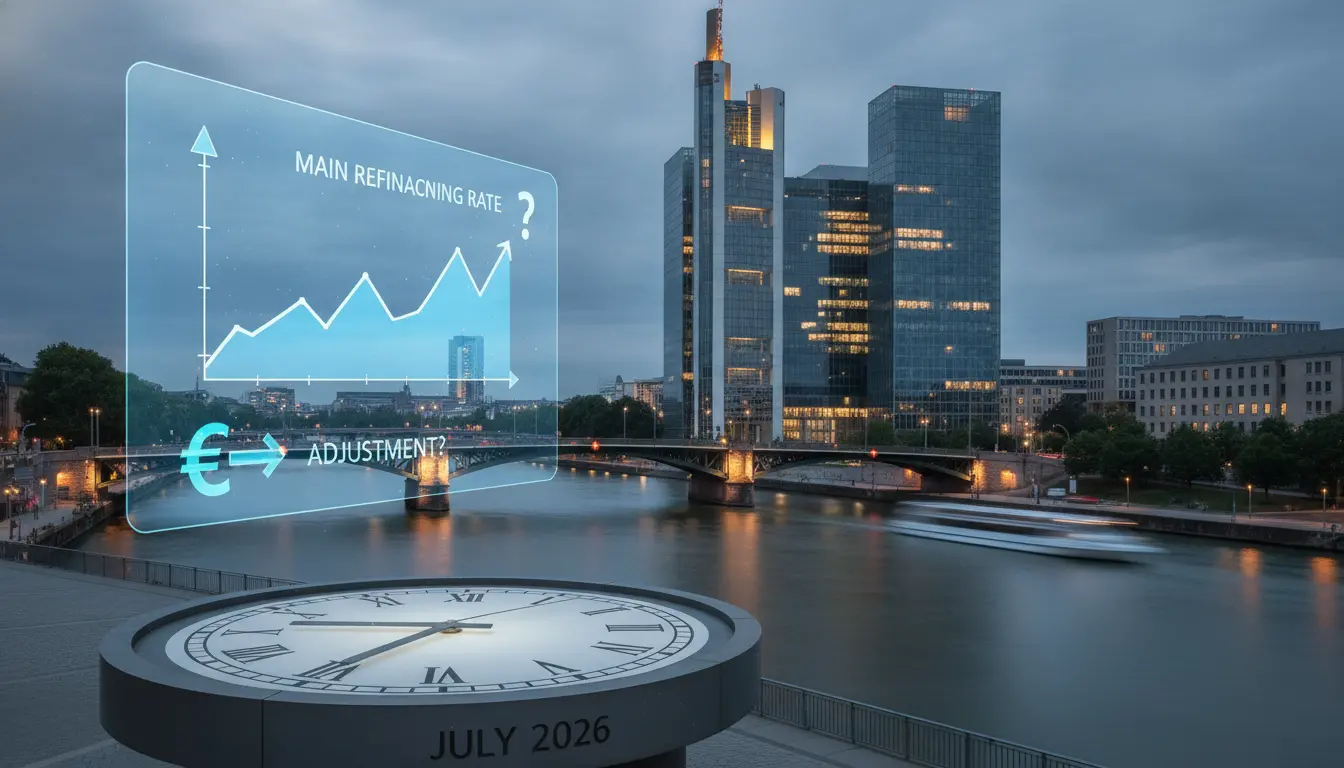
ECB to Weigh Main Refinancing Rate Adjustment in July 2026
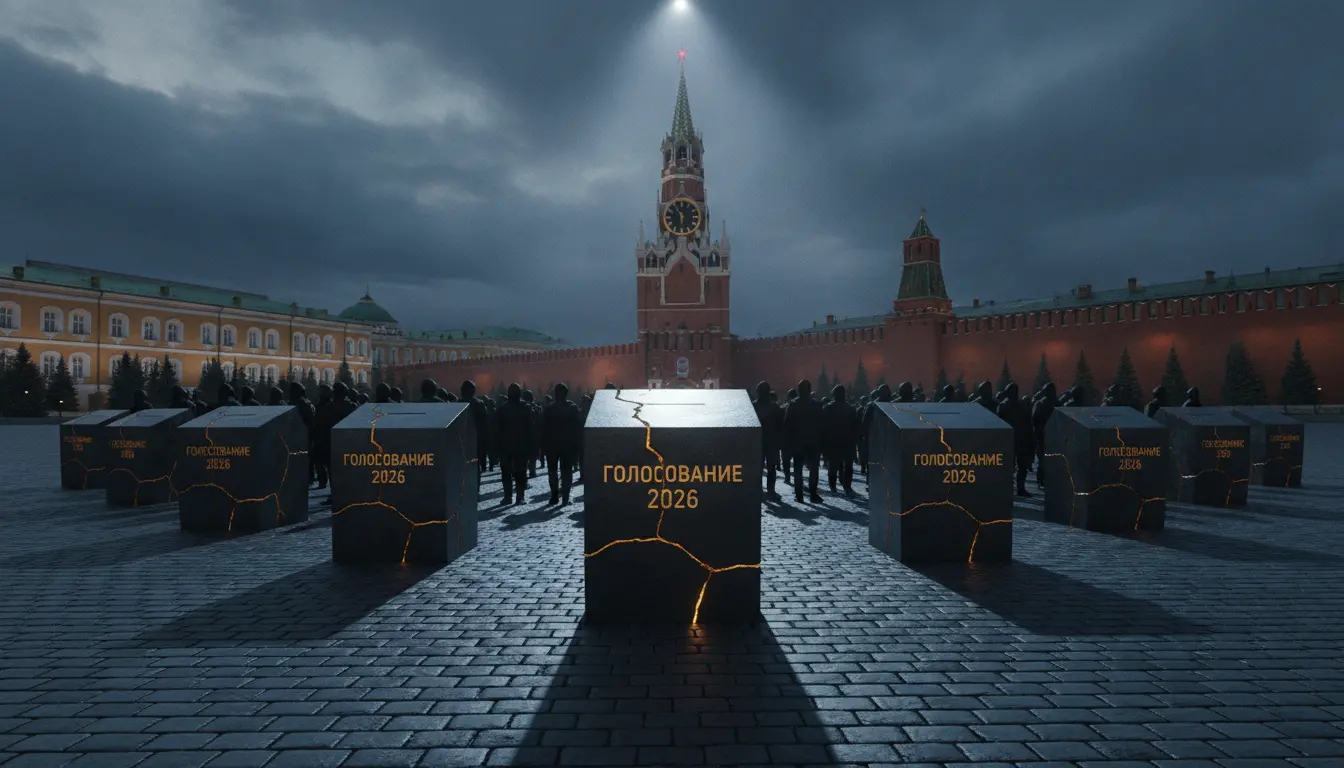
Kremlin Seeks to Bolster Control in Upcoming 2026 Federal Duma Elections
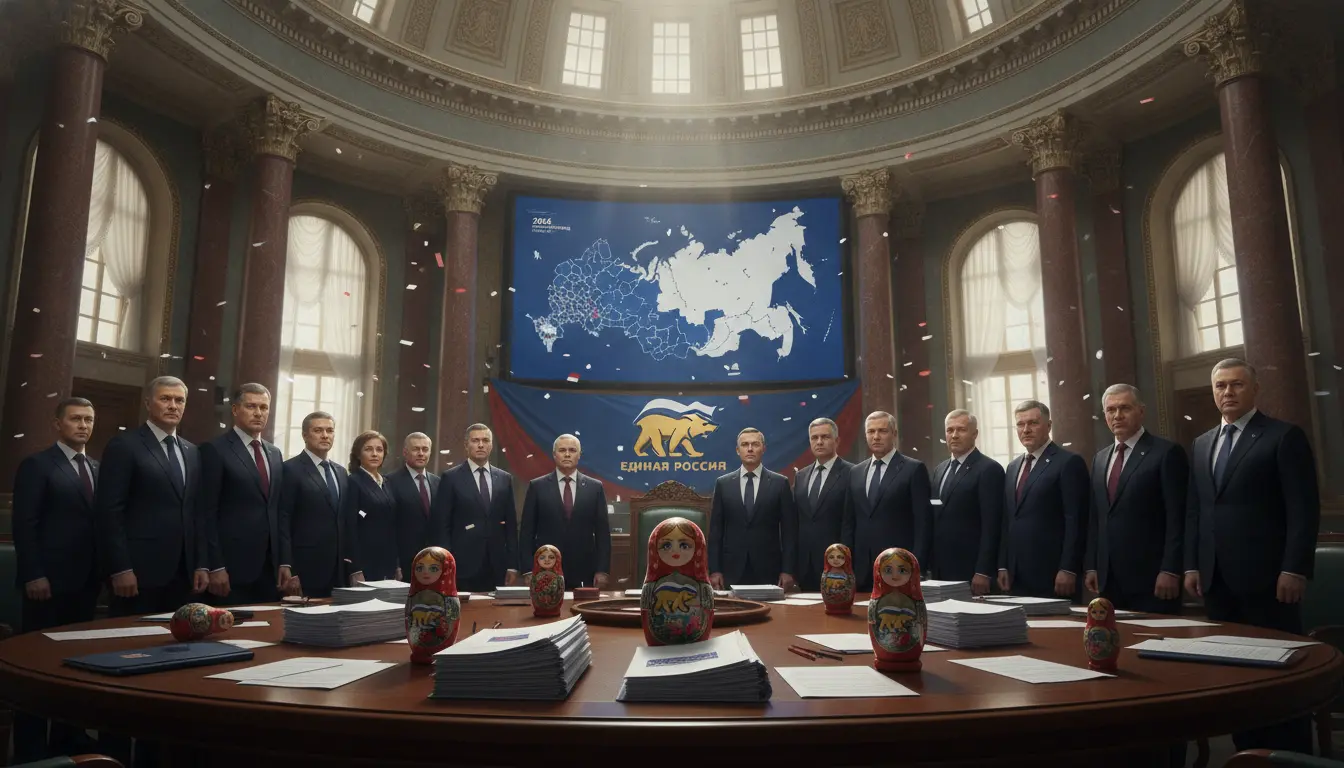
United Russia Prepares to Consolidate Power in 2026 State Duma Elections
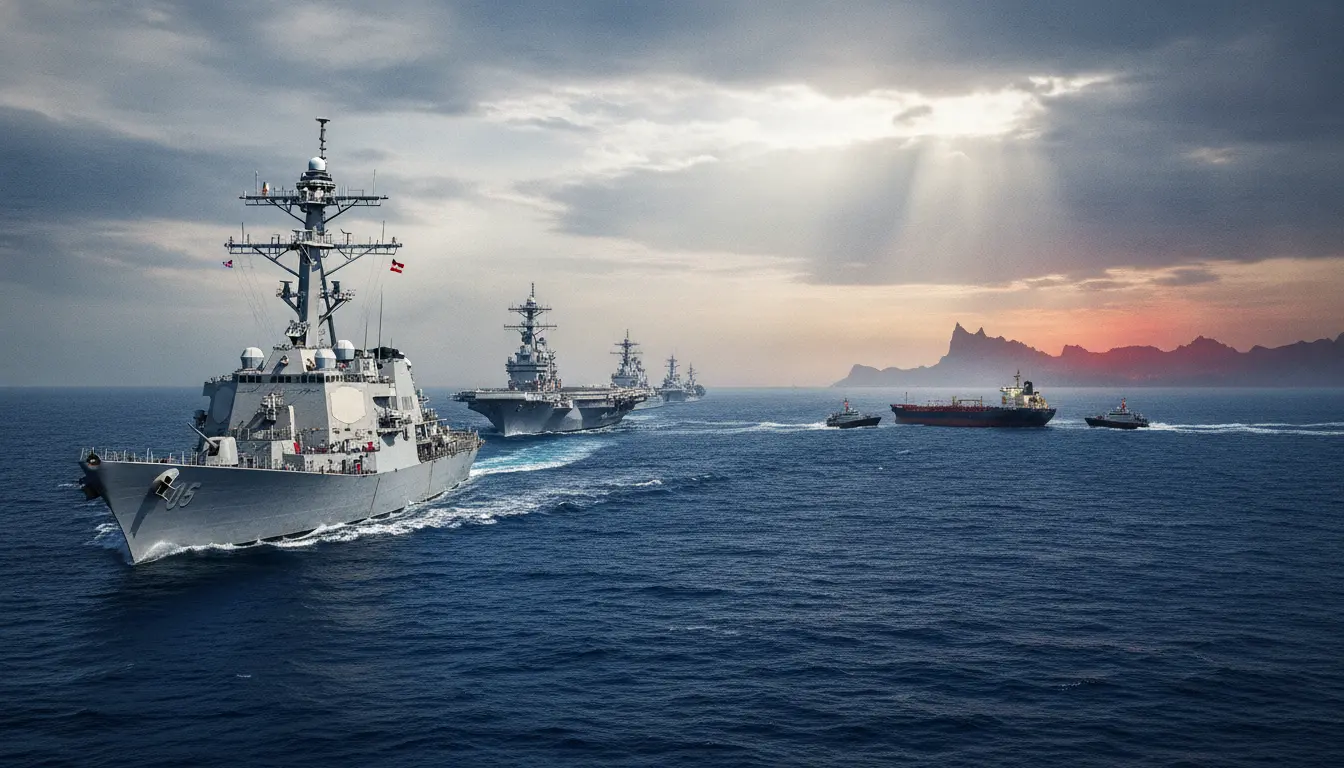
US Officials Weigh Naval Blockade Option Against Iran Amid Deepening Tensions
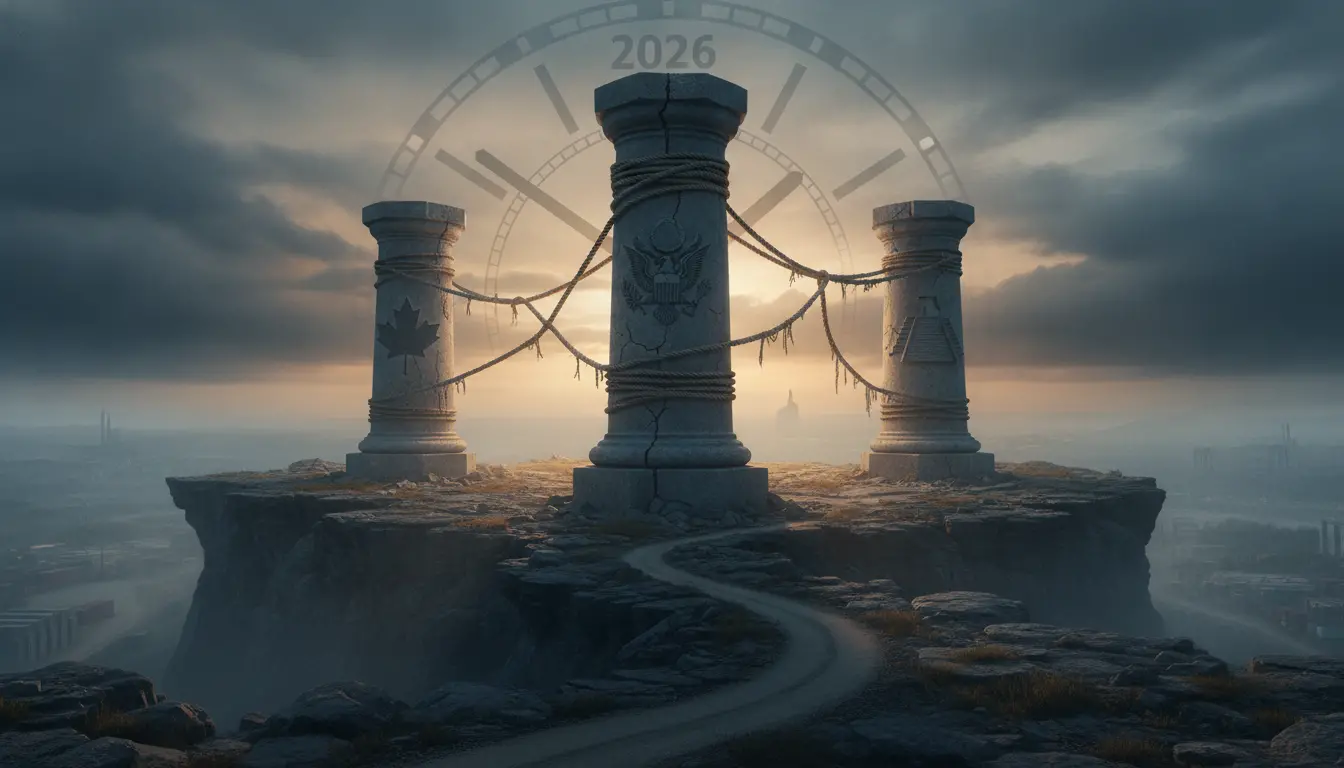
North American Trade Pact Faces Uncertain Future as 2026 Review Looms

US Q2 2026 GDP Growth Poised for Potential Upward Revision with Third Estimate

UK Economic Outlook: Path to Positive GDP Growth in Focus for Q2 2026
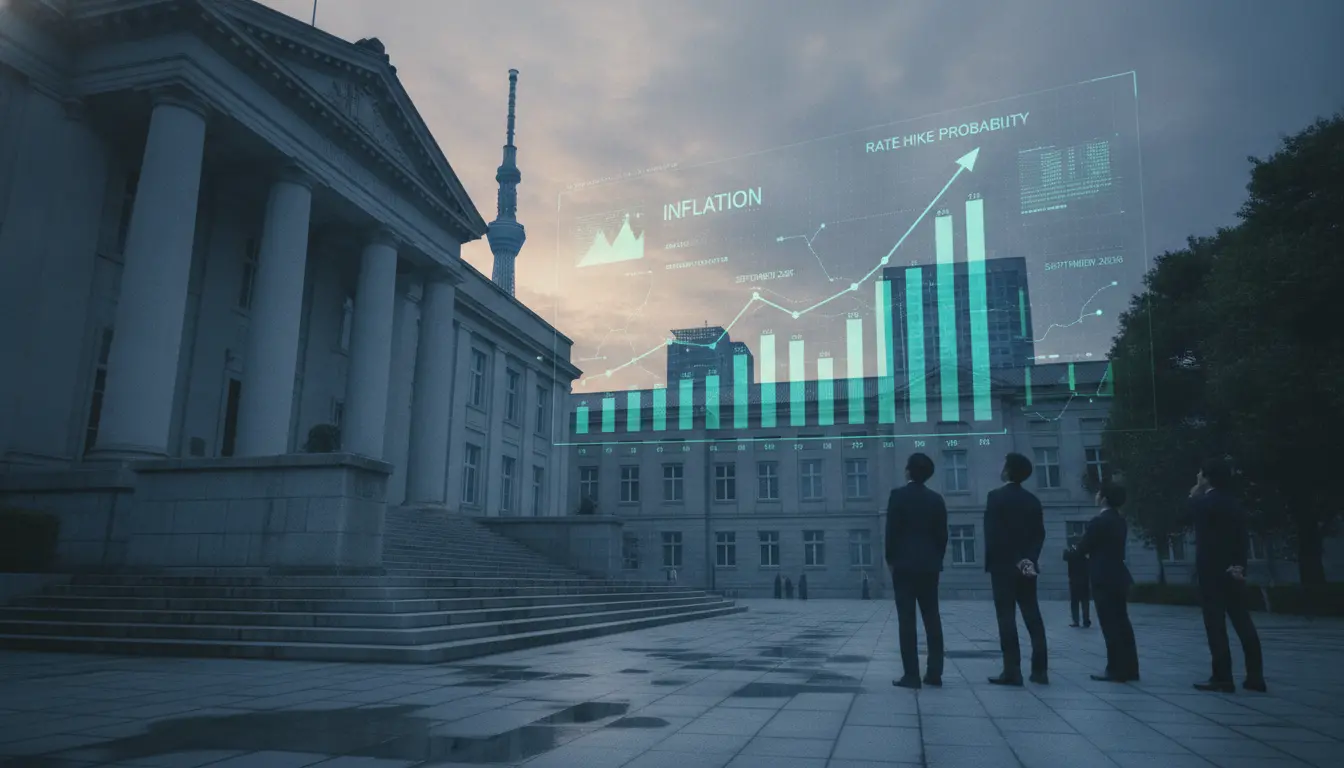
Bank of Japan's September 2026 Meeting Looms as Rate Hike Speculation Mounts