

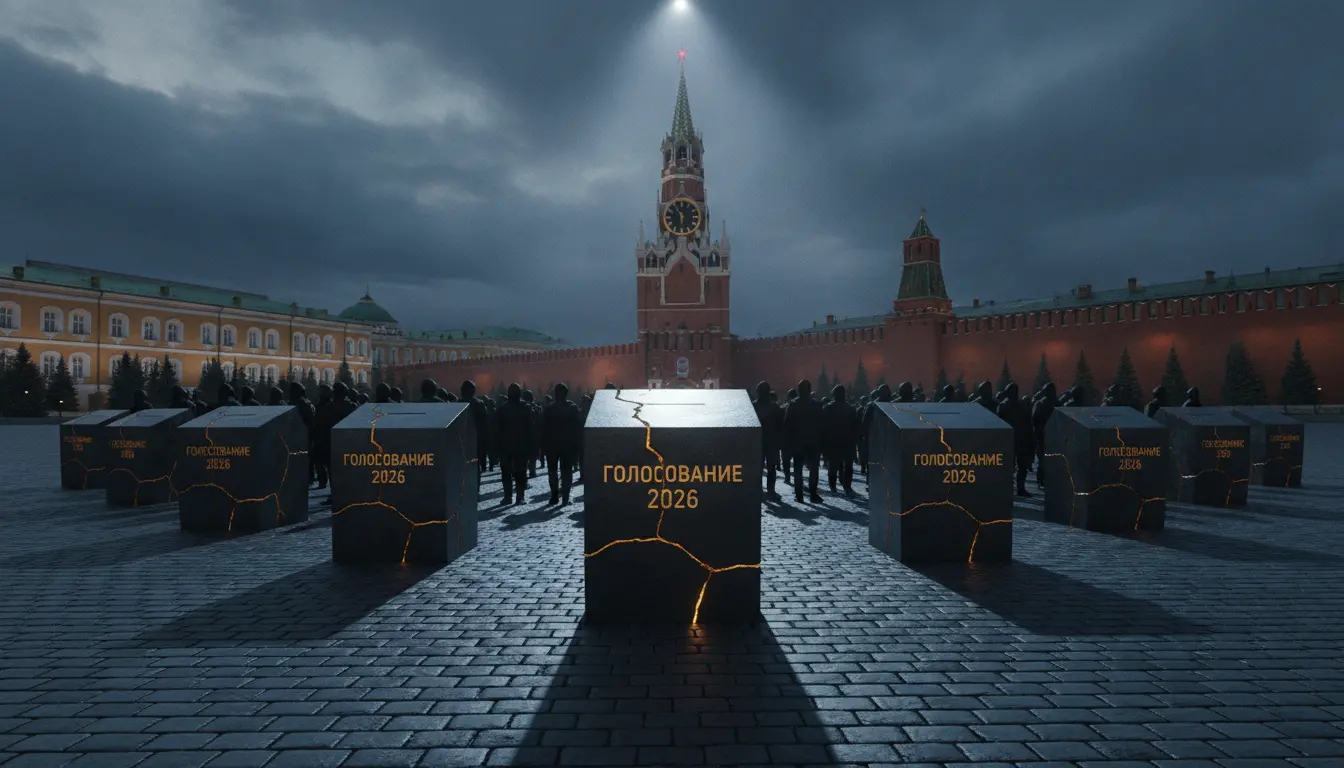
Kremlin Seeks to Bolster Control in Upcoming 2026 Federal Duma Elections
Russia is gearing up for its next Federal Duma elections in September 2026, an electoral cycle poised to further solidify the Kremlin's influence over the country's legislative landscape. While still over two years away, the political machinery is already implicitly aligning for a campaign that observers expect to reinforce the dominant position of United Russia, the ruling party. These elections are crucial not merely for the distribution of seats in the lower house of parliament but as a barometer of internal stability and a key mechanism for the executive branch to project its authority and continuity amidst an evolving geopolitical environment.
The Federal Assembly, Russia's bicameral parliament, comprises the Federal Duma and the Federation Council. The Duma, with its 450 deputies, holds significant legislative power, shaping domestic policy, approving the budget, and ratifying international treaties. Historically, elections to the Duma have largely served to affirm the political direction set by the presidency, with United Russia consistently securing a constitutional majority. This pattern is deeply embedded in Russia's political system, where the executive branch exerts strong control over the electoral process and the broader media narrative, ensuring that the legislative agenda largely complements the Kremlin’s strategic objectives.
The upcoming 2026 contest is expected to feature the established cohort of parties often referred to as the “systemic opposition,” which operate within the Kremlin-sanctioned political framework. Foremost among these is the Communist Party of the Russian Federation (KPRF), which typically positions itself as the second-largest party. The KPRF, while offering a left-leaning critique of socio-economic policies, generally supports the Kremlin on key foreign policy and national security issues. Other notable contenders include the Liberal Democratic Party of Russia (LDPR), known for its nationalist and populist rhetoric, and A Just Russia – For Truth, a social-democratic leaning party that also navigates a delicate balance of criticism and support for the government.
United Russia, currently holding a supermajority, is anticipated to leverage its extensive administrative resources, media presence, and popular support, particularly in rural areas and among state employees, to maintain its preeminent status. The party’s platform traditionally emphasizes stability, national unity, and social welfare programs, closely aligning with President Vladimir Putin’s agenda. The Kremlin’s focus on national sovereignty, traditional values, and military strength in the face of perceived external threats is expected to resonate strongly in the campaign, bolstering support for the ruling party and its allies.
The electoral system combines proportional representation (party-list voting) and single-mandate constituencies, a hybrid model designed to balance party loyalty with regional representation. However, critics often point to various administrative hurdles, media biases, and stringent registration requirements for new political entities, which collectively limit the genuine competitiveness of elections and marginalize independent opposition voices. The overarching goal remains the consolidation of power and the legitimization of the existing political order, ensuring a compliant legislative body that can swiftly pass government initiatives.
As 2026 approaches, the pre-election period will likely see heightened political activity, with parties articulating their platforms and engaging with the electorate. For Russia, these elections represent more than just a change in parliamentary composition; they are a critical juncture for reinforcing domestic policy directions and demonstrating the resilience of its political system. The outcome will be closely watched by international observers as an indicator of Russia’s internal dynamics and its commitment to its current geopolitical trajectory, shaping its course for the latter half of the decade.
Ultimately, the 2026 Federal Duma elections are poised to reaffirm the dominant role of the Kremlin and its allied parties, continuing a political tradition of stability and centralized control. The results will not only determine who sits in the Duma but will also significantly influence the speed and direction of legislative reforms and the nation’s socio-economic priorities, underscoring the enduring significance of these parliamentary contests in Russia's political landscape.
Stay Informed. Act Smarter.
Get weekly highlights, major headlines, and expert insights — then put your knowledge to work in our live prediction markets.
Related News
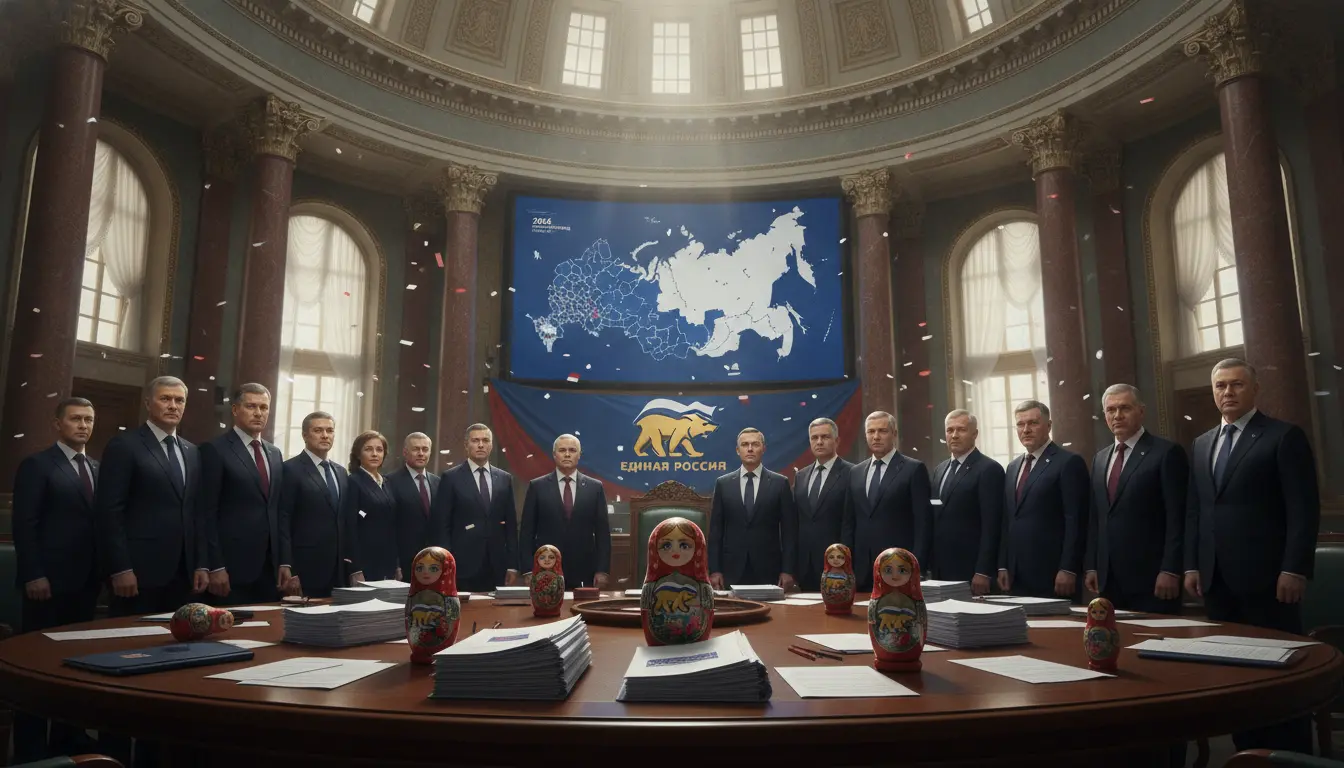
United Russia Prepares to Consolidate Power in 2026 State Duma Elections

Swiss Voters to Decide on Constitutional Strengthening of Nation's Neutrality Doctrine in 2026

EU Weighs Further Sanctions on Russia Amid Prolonged Conflict in Ukraine

Federal Reserve Prepares for Key Interest Rate Review at July 2026 Meeting

Q2 2026 US GDP Second Estimate Looms, Upward Revision in Focus
EU Prepares Expansive Sanctions Package Targeting Over 1,600 Firms Accused of Aiding Russian War Effort

US Durable Goods Orders for July 2026 Under Scrutiny as Economic Health Indicator

US Q2 2026 GDP Growth Poised for Potential Upward Revision with Third Estimate

US Economy Awaits Critical Q2 2026 GDP Revision Amid Growth Scrutiny

July 2026 US Retail Sales Report Nears, Offering Crucial Insight into Consumer Spending