

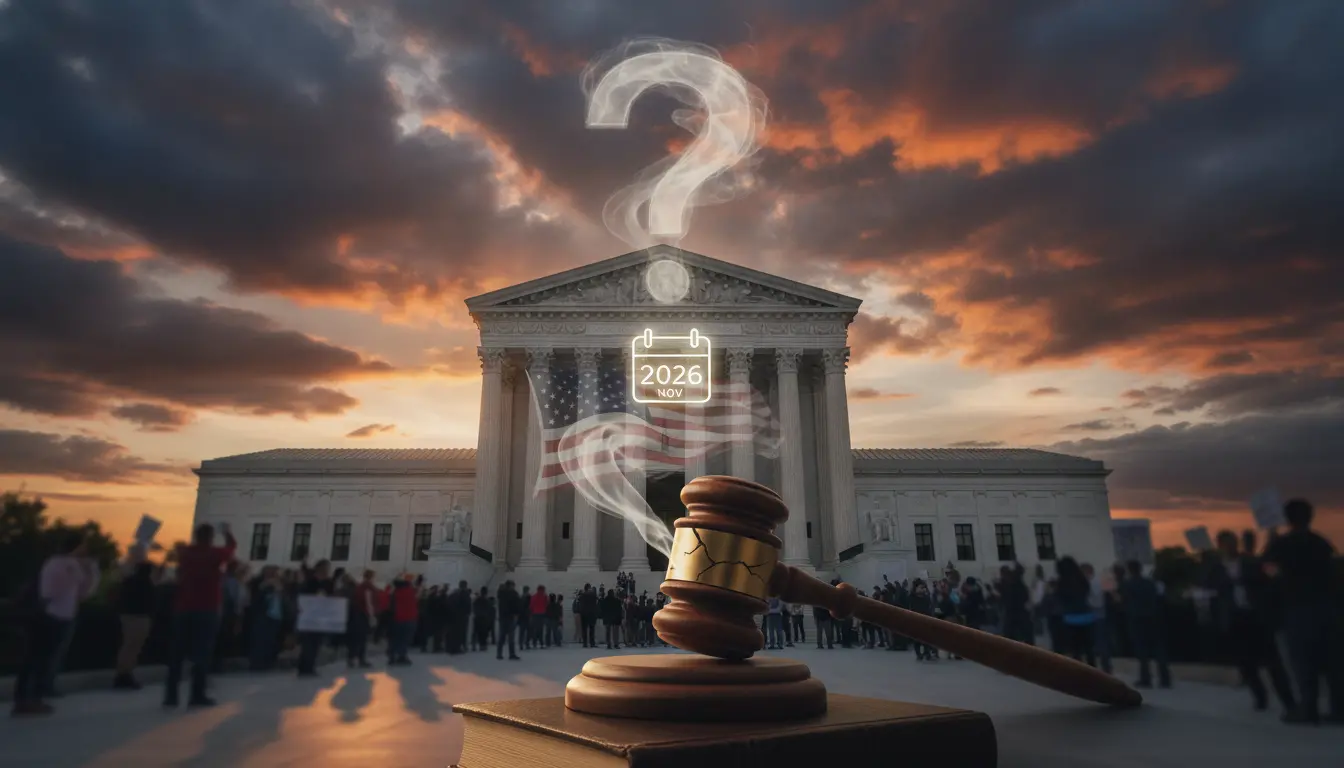
Supreme Court Vacancy Speculation Intensifies as 2026 Midterms Approach
With the 2026 midterm elections looming, political attention is increasingly turning to the composition of the U.S. Supreme Court, where the possibility of a vacancy has become a central topic of strategic discussion among lawmakers, legal scholars, and advocacy groups. While no sitting justice has announced plans to step down, the advanced age of several members and the high-stakes political environment have fueled intense speculation about whether a confirmation battle could erupt before voters head to the polls.
The current nine-member bench includes justices who have served for decades, and the average age of the court’s most senior members has become a focal point for those analyzing potential retirement scenarios. Justice Clarence Thomas, at 76, and Justice Samuel Alito, at 74, are the oldest members, and both have faced renewed scrutiny over their health and longevity. Additionally, Justice Sonia Sotomayor, 70, has been the subject of recurring rumors regarding a possible departure, though she has given no public indication of stepping aside. These whispers have been amplified by the fact that a vacancy during a Democratic presidency or a Republican-controlled Senate would trigger a confirmation process with profound implications for the court’s ideological balance.
The political calculus surrounding any potential vacancy is extraordinarily complex. If a retirement were announced before the midterms, the Senate would be tasked with holding confirmation hearings and a vote, a process that historically takes several months. The current Senate, narrowly divided, would likely see fierce partisan maneuvering, with both parties recognizing that a single appointment could shift the court’s direction on issues ranging from abortion and gun rights to executive power and voting laws. Republican leaders have already signaled that they would move swiftly to confirm a conservative nominee, while Democrats have vowed to oppose any candidate who might tip the court further to the right. The possibility of a vacancy has also revived debates over court packing and term limits, proposals that have gained traction among progressive activists but remain deeply divisive in Congress.
Beyond the immediate political maneuvering, the broader context of the court’s docket adds urgency to the speculation. The justices are currently considering cases that could reshape federal regulatory authority, voting access, and the scope of civil rights protections. A new justice, particularly one appointed in the final months before an election, could influence the outcome of these landmark decisions for decades. Legal experts note that the court’s legitimacy has been tested in recent years by contentious confirmation battles, including the expedited appointment of Justice Amy Coney Barrett in 2020, which set a precedent for rapid action when a vacancy occurs close to an election. That episode remains a touchstone for both parties, with Democrats still angered by what they view as a broken process and Republicans defending their actions as constitutionally sound.
The White House has remained tight-lipped about any potential retirement discussions, with press officials declining to comment on hypothetical scenarios. However, behind the scenes, administration lawyers and Senate aides are reportedly preparing for a range of possibilities, including the drafting of shortlists for potential nominees. Advocacy groups on both sides of the aisle have already begun running advertisements and mobilizing grassroots networks, treating the possibility of a vacancy as a live political issue. Polling suggests that voters are closely divided on the court’s direction, with a majority expressing concern about the influence of politics on judicial appointments.
As the 2026 election cycle intensifies, the question of whether the Senate will confirm a new justice before the midterms remains unresolved. The answer depends on a confluence of factors: the health and decisions of individual justices, the political calculations of Senate leaders, and the unpredictable dynamics of a closely contested electoral landscape. What is certain is that any vacancy would trigger one of the most consequential political battles of the decade, with the future of American jurisprudence hanging in the balance. For now, the nation watches and waits, aware that a single announcement could transform the political calendar and the course of the law.
Stay Informed. Act Smarter.
Get weekly highlights, major headlines, and expert insights — then put your knowledge to work in our live prediction markets.
Related News
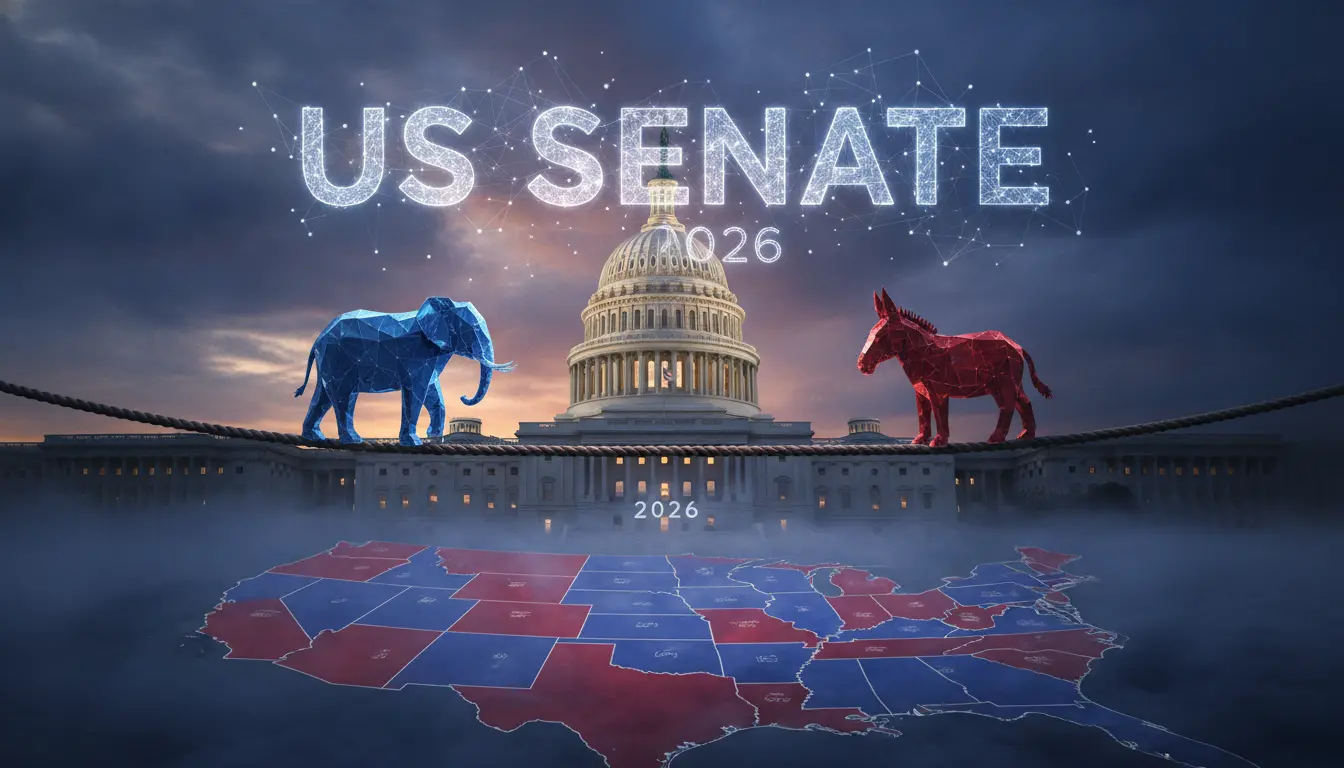
Control of US Senate Hangs in Balance as 2026 Midterm Elections Loom
Strategic Battle Lines Drawn for Control of U.S. Senate Ahead of 2026 Elections
Democrats Face Uphill Battle to Maintain Senate Majority in 2026 Midterm Elections
Outpoll Weekly Recap: Politics (August 3 – 9, 2026)
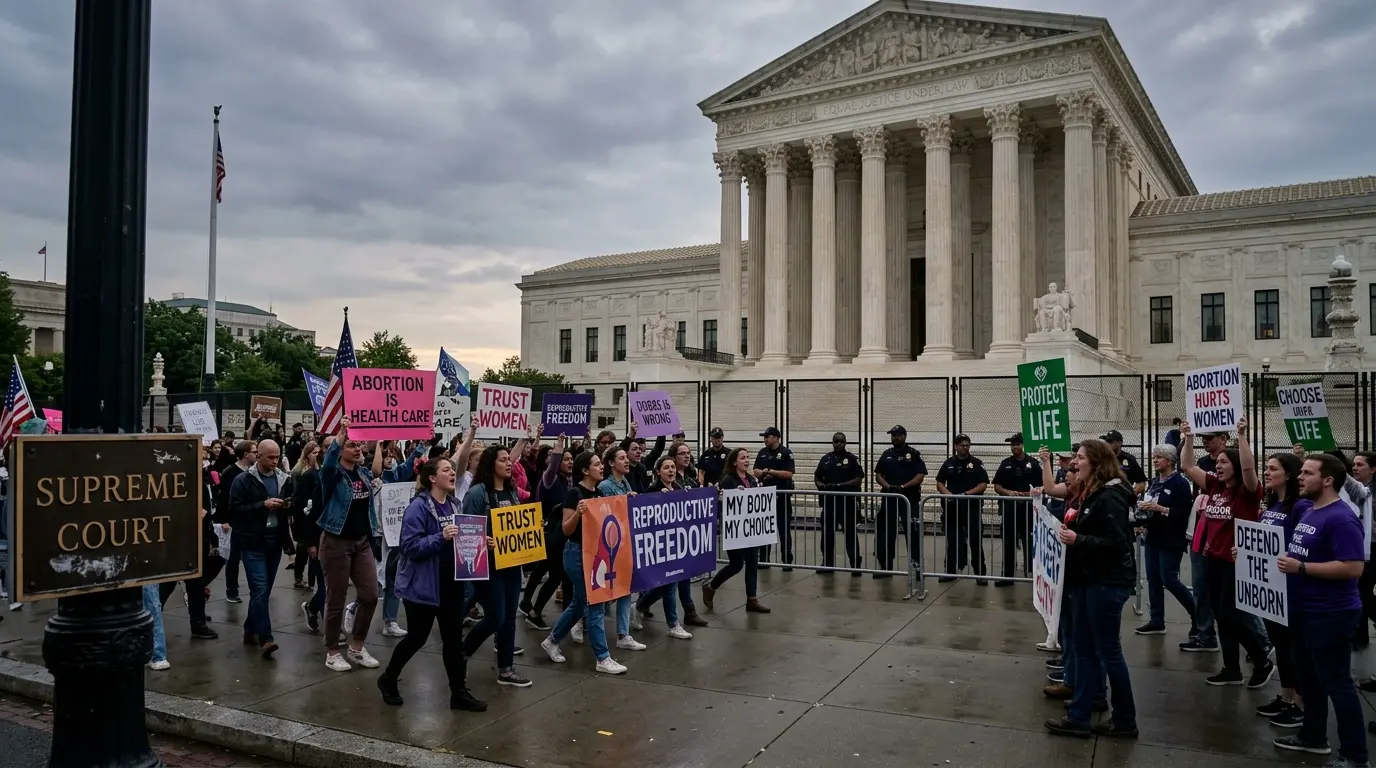
U.S. Supreme Court Poised to Revisit State Abortion Restrictions Amidst Mounting Legal Challenges
McConnell's Health Sparks Renewed Scrutiny of His Role as Senate Minority Leader
Senate Republicans Grapple With Leadership Uncertainty Amid McConnell's Extended Absence
Supreme Court Considers Trump-Era Mail-In Voting Order Amidst Looming Election Cycle

Outpoll Weekly Recap: Politics (August 24 – 30, 2026)
Donald Trump's Extensive Legal Battles Face Critical Junctures Ahead of 2026 Midterm Elections