

- News
- Politics
- Philippine Lawmakers Deliberate Potential Postponement of 2026 Barangay and Sangguniang Kabataan Elections
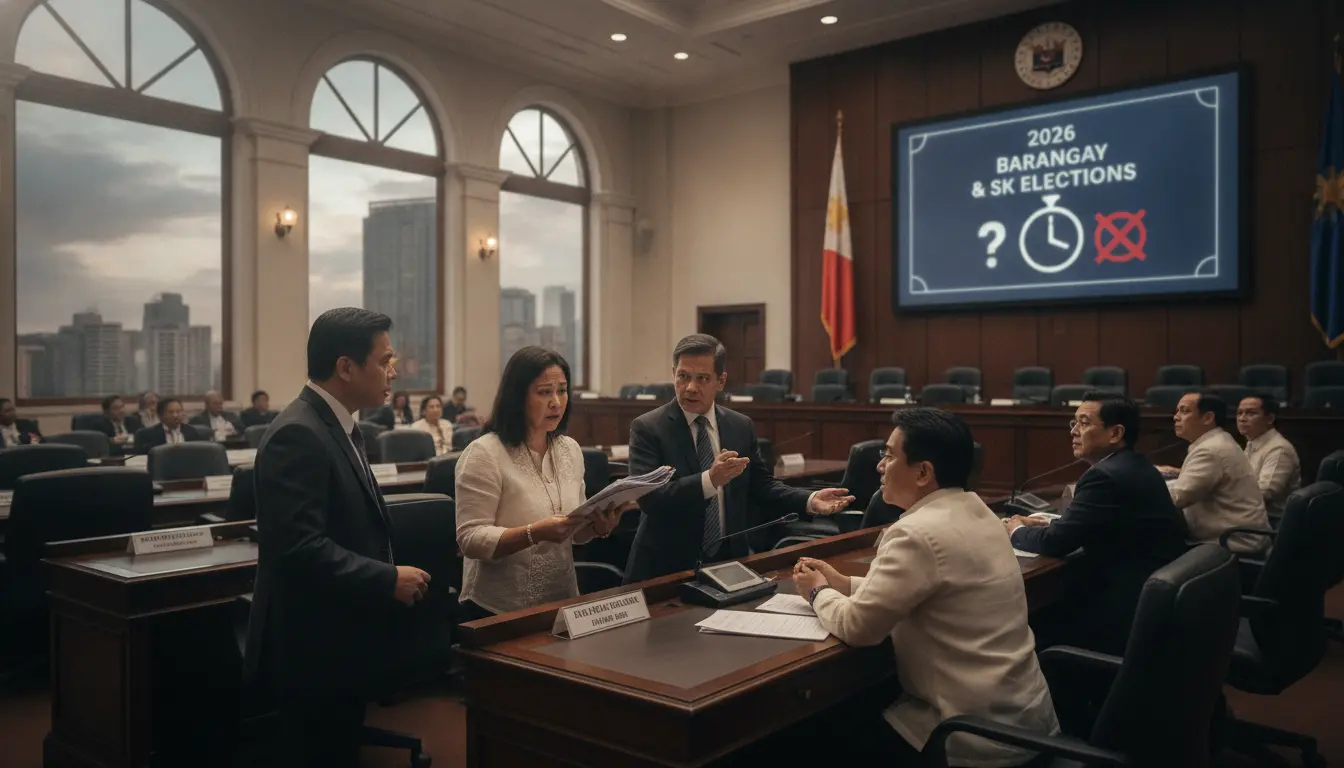
Philippine Lawmakers Deliberate Potential Postponement of 2026 Barangay and Sangguniang Kabataan Elections
MANILA – A familiar debate is beginning to stir within Philippine political circles regarding the fate of the upcoming Barangay and Sangguniang Kabataan (SK) Elections, currently slated for November 2, 2026. Despite the fixed schedule, a persistent historical pattern of legislative-driven postponements has fueled speculation and early discussions about whether the grassroots polls will once again be moved. This recurring question underscores the complex interplay between electoral cycles, political priorities, and the practical challenges of administering elections in the archipelago.
The Barangay and Sangguniang Kabataan elections are critical pillars of Philippine democracy, serving as the closest interface between citizens and their government. Barangays are the smallest administrative divisions in the Philippines, with elected officials overseeing local services, public safety, and community welfare. Sangguniang Kabataan, or youth councils, provide a platform for young people aged 18 to 24 to participate in local governance, manage youth-oriented programs, and represent their demographic's interests. Historically, these elections have faced numerous delays, often justified by legislators citing reasons ranging from the need to save government funds, allow elected officials more time to implement their programs, or to synchronize local elections with national polls for efficiency, even if the latter often leads to longer terms for incumbents.
The Commission on Elections (COMELEC), the independent body tasked with administering all elections, typically begins its preparations well in advance of the scheduled dates. However, the ultimate decision to postpone or cancel elections rests with the Philippine Congress. In recent years, proposals for postponement have often originated from legislators keen on extending the terms of incumbent local officials, a move that critics argue undermines democratic accountability and the constitutional principle of fixed terms. Any legislative action to move the 2026 elections would require careful deliberation and passage through both the House of Representatives and the Senate, inevitably triggering intense public discourse and scrutiny from civil society groups and election watchdogs.
Proponents for a potential postponement often highlight the immense logistical and financial resources required to conduct nationwide local elections. With over 42,000 barangays across the country, organizing polling precincts, recruiting and training election staff, and ensuring the secure transport of ballots involves a massive undertaking. Some argue that pushing the elections back could free up resources for other critical government programs or allow for a more streamlined electoral process in the future. Conversely, strong opposition emerges from those who champion electoral regularity and accountability. Extending terms of office without a fresh mandate from constituents is viewed by many as an assault on democratic principles, potentially entrenching local dynasties and weakening the checks and balances inherent in a healthy electoral system.
The implications of another postponement are significant. It would affect millions of voters eager to choose their local leaders and potentially stifle the dynamism that regular elections bring to local governance. For the youth, whose participation is channeled through the SK, a delay could diminish their engagement and trust in the electoral process. The integrity and predictability of the electoral calendar are crucial for maintaining public confidence in democratic institutions. Any move to alter the 2026 schedule would necessitate robust justification and transparent legislative processes to mitigate concerns about political maneuvering and ensure that the voice of the electorate remains paramount. As the 2026 date draws closer, the debate is expected to intensify, keeping the nation's political observers and local communities on alert regarding the future of their grassroots representation.
Stay Informed. Act Smarter.
Get weekly highlights, major headlines, and expert insights — then put your knowledge to work in our live prediction markets.
Related News
South Africa's 2026 Local Elections: ANC Faces Defining Challenge Amid Shifting Political Landscape
Cook Islands Sets Stage for Highly Anticipated 2026 General Election
Netanyahu's Coalition Faces Significant Hurdles Ahead of Israel's 2026 General Election
Israel Gears Up for Pivotal 2026 General Election Amid Deepening Political Cracks
Morocco's Next General Election Firmly Scheduled for September 23, 2026
Kuomintang Eyes Taipei City Council Majority Ahead of 2026 Local Elections

Lula's Political Future Dominates Discussion Ahead of Brazil's 2026 Presidential Election
South Africa's ANC Faces Significant Challenge to Retain Major Metro Control in 2026 Municipal Elections
Democrats Face Uphill Battle to Maintain Senate Majority in 2026 Midterm Elections

Israel's Scheduled 2026 Legislative Elections Under Spotlight Amid Political Flux