


G20 Finance Ministers Set for August 2026 Summit on Global Economic Stability
Global finance ministers and central bank governors from the Group of Twenty (G20) nations are scheduled to convene on August 31, 2026, for a crucial meeting aimed at addressing and solidifying measures for global economic stability. This gathering comes at a pivotal juncture, as the world economy continues to navigate a complex landscape marked by persistent inflation, geopolitical fragmentation, and an uneven recovery from recent shocks. The highly anticipated summit will serve as a platform for the world's leading economies to coordinate strategies and forge a collective path forward to mitigate emerging risks and foster sustainable growth.
The G20, comprising 19 individual countries and the European Union, represents approximately 80% of global economic output, two-thirds of the world's population, and 75% of global trade. Established in 1999 in the wake of the Asian financial crisis, its mandate is to bring together systemically important industrial and developing economies to discuss key issues in the global economy. Over the years, the forum has played a critical role in coordinating responses to major economic crises, from the 2008 financial meltdown to the COVID-19 pandemic. Its finance ministers and central bank governors' meetings are particularly significant, as they often lay the groundwork for policy consensus that can influence fiscal and monetary decisions worldwide.
Heading into the 2026 meeting, several pressing issues are expected to dominate the agenda. Persistent inflationary pressures, though potentially moderated, will likely still be a concern, requiring careful deliberation on central bank policies and potential fiscal support measures. The ongoing impact of geopolitical tensions on global supply chains and energy markets will demand strategies for resilience and diversification. Furthermore, the burgeoning global debt crisis, particularly in developing nations, will necessitate discussions on debt restructuring, sustainable financing, and the role of international financial institutions like the IMF and World Bank. Climate change and its economic ramifications, including green financing and energy transition policies, are also expected to feature prominently, reflecting the interconnectedness of environmental and economic stability.
The ability of the G20 finance ministers to agree on a joint statement on global economic stability is paramount. Such a statement would signal a unified commitment from the world's major economies, providing much-needed clarity and confidence to financial markets and businesses. It would outline common principles and potential actions, from coordinating interest rate policies to bolstering mechanisms for cross-border financial surveillance and crisis resolution. A strong, cohesive statement can catalyze collective action, encourage investment, and reinforce the multilateral framework essential for addressing shared economic challenges. Conversely, a failure to reach consensus could be interpreted as a sign of fragmentation, potentially exacerbating uncertainties and hindering collaborative efforts.
However, reaching such a consensus is often fraught with challenges. The diverse economic interests, development stages, and political priorities of G20 member states frequently lead to divergent perspectives on policy responses. Developed economies might prioritize inflation control, while developing nations might focus on growth and debt relief. Geopolitical rivalries can also complicate negotiations, making it difficult to find common ground on critical issues. The success of the August 2026 meeting will depend on the willingness of these nations to bridge their differences, prioritize collective well-being over narrow national interests, and reaffirm their commitment to an open, stable, and resilient global economic system.
The stakes for the 2026 G20 Finance Ministers meeting are exceptionally high. The global economy is still in a delicate state, susceptible to various shocks, from energy price volatility to financial market instability. A successful outcome, marked by a robust and unified joint statement, could provide a crucial anchor for global economic policy and help steer the world towards greater prosperity and stability. The world will be watching closely to see if these influential leaders can once again demonstrate the power of multilateral cooperation in the face of complex and intertwined global challenges.
Stay Informed. Act Smarter.
Get weekly highlights, major headlines, and expert insights — then put your knowledge to work in our live prediction markets.
Related News

Outpoll Weekly Recap: Finance (August 17 – 23, 2026)

Outpoll Weekly Recap: Finance (August 3 – 9, 2026)

Federal Reserve Prepares for Critical July 2026 Rate Decision Amid Evolving Economic Landscape

Eurozone Economic Outlook and Persistent Inflation Set Stage for ECB's Mid-2026 Monetary Policy Review
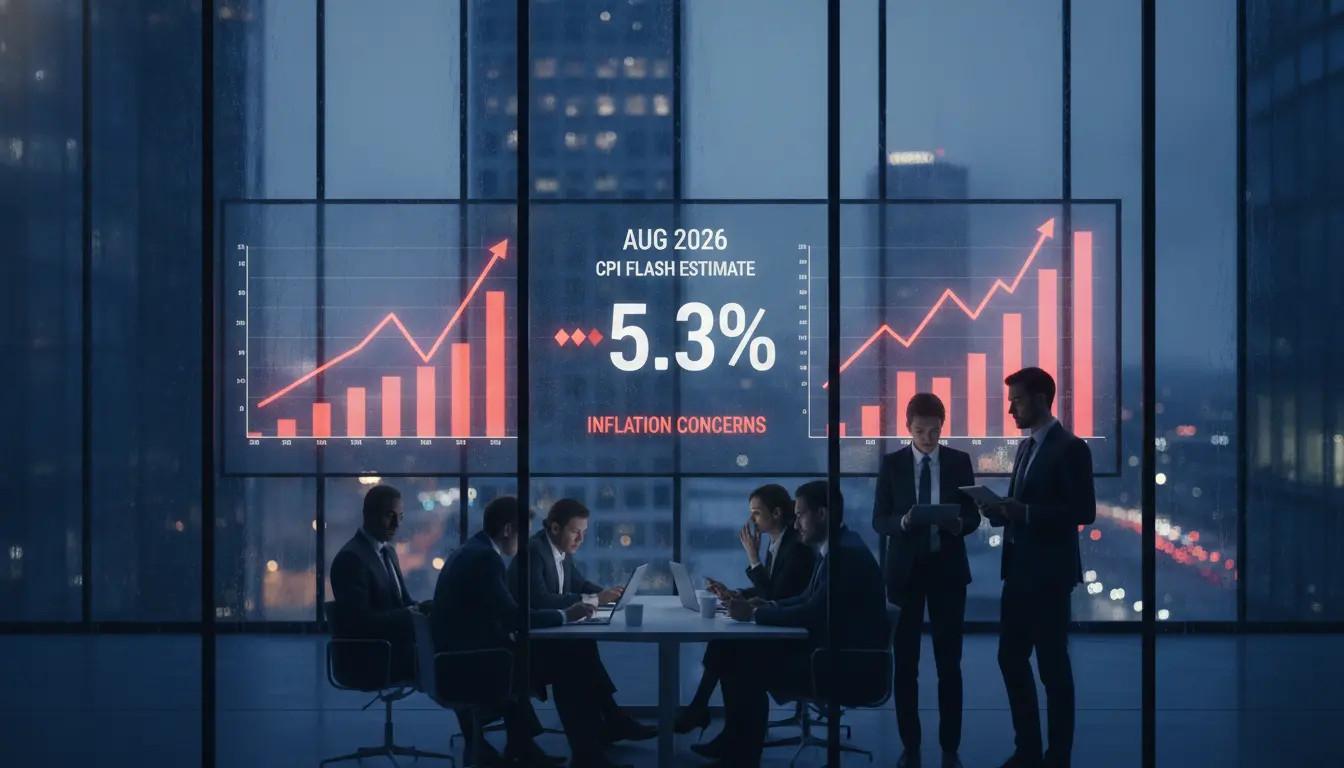
Eurozone Awaits Crucial August 2026 CPI Flash Estimate Amid Persistent Inflation Concerns
Federal Reserve's Long-Term Inflation Battle Intensifies Ahead of July 2026 Core PCE Report

Outpoll Weekly Recap: Finance (August 24 – 30, 2026)

Outpoll Weekly Recap: Politics (August 17 – 23, 2026)
China's Economic Trajectory Under Scrutiny as 2026 Growth Target Looms

Economists Intensify Debate on US Recession Risk Through 2026 Amid Fed's Inflation Fight