

- News
- Politics
- Analysts Warn of Sweeping Global Tariff Expansion Under Potential Future Trump Administration
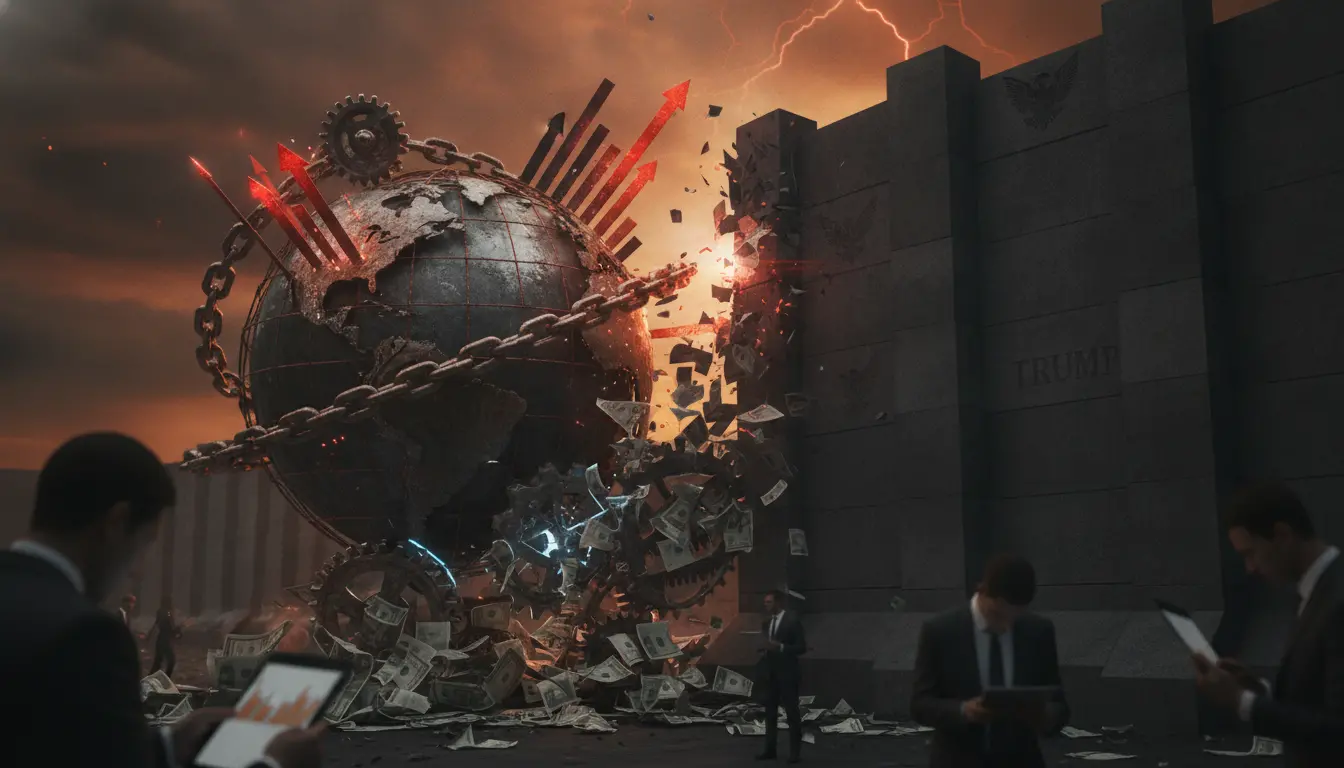
Analysts Warn of Sweeping Global Tariff Expansion Under Potential Future Trump Administration
Economists and international trade experts are raising significant concerns about the potential for a dramatic and widespread expansion of global tariffs should former President Donald Trump secure a second term in office. Building on his previous administration’s protectionist agenda, Trump has openly signaled an intent to implement a universal baseline tariff on nearly all imported goods, alongside the possibility of even higher duties targeting specific nations. This prospect has ignited debate over its far-reaching implications for the global economy, supply chains, and international diplomatic relations.
During his first presidency, Trump famously initiated several rounds of tariffs, most notably under Section 232 of the Trade Expansion Act of 1962, which imposed duties on steel and aluminum imports from numerous countries, citing national security grounds. He also deployed Section 301 of the Trade Act of 1974 to levy extensive tariffs on a wide array of Chinese goods, aiming to address what his administration deemed unfair trade practices, intellectual property theft, and forced technology transfers. These actions led to retaliatory tariffs from Beijing and other trading partners, sparking what became known as a trade war, which significantly impacted various sectors of the U.S. and global economies.
The rhetoric leading up to a potential future administration suggests an even more aggressive and comprehensive approach. Trump has frequently discussed a 10% across-the-board tariff on all imported goods, a policy designed to encourage domestic production and generate revenue. Beyond this universal baseline, he has also floated the idea of substantially higher tariffs—potentially reaching 60% or more—on imports from countries perceived as engaging in unfair trade practices or currency manipulation, with China often singled out as a primary target. The sheer scope of such a policy, encompassing a vast number of trading partners, represents a significant departure from traditional U.S. trade policy and could reshape global commerce on an unprecedented scale.
The economic implications of such sweeping tariffs are a central point of contention. Proponents argue that high tariffs would protect domestic industries, incentivize manufacturing jobs to return to the U.S., and reduce trade deficits. However, a broad consensus among economists suggests that universal tariffs would likely lead to higher costs for American consumers, as import taxes are often passed on in the form of increased prices for goods. Businesses that rely on imported raw materials or components could face significantly higher operating costs, potentially reducing profitability, stifling innovation, and slowing economic growth. Moreover, historical precedent indicates that such measures frequently invite retaliatory tariffs from affected nations, harming U.S. exporters and complicating global supply chains that have been carefully built over decades.
From a geopolitical perspective, the imposition of widespread tariffs could strain relationships with key allies and adversaries alike. Friendly nations in Europe, Asia, and other regions, which are deeply integrated into the global trading system, would likely view broad tariffs as an unfriendly act and a breach of long-standing trade agreements. This could lead to a fragmentation of economic blocs, undermine multilateral trade organizations like the World Trade Organization, and potentially push countries closer to economic arrangements that exclude the United States. Such a scenario would carry significant diplomatic risks, potentially isolating the U.S. on the world stage and complicating efforts to address other pressing international challenges.
The debate over protectionist trade policies reflects a broader ideological divide within economic and political circles. While some see tariffs as a necessary tool to safeguard national interests and revitalize domestic industries, others view them as a self-defeating strategy that leads to economic inefficiency, reduces consumer choice, and fosters international tension. As the prospect of a new era of protectionism looms, businesses, policymakers, and consumers globally are bracing for what could be a profound reordering of international trade dynamics, with substantial risks and uncertain benefits for the global economic landscape.
The specifics of any future tariff regime would depend heavily on the political will and legislative capacity of a potential new administration. However, the consistent messaging from Trump indicates a strong commitment to these policies, underscoring the high stakes involved in the ongoing discussions about the future direction of U.S. economic and trade policy. The implications extend far beyond simple economic figures, touching upon the very architecture of global cooperation and competition in the 21st century.
Stay Informed. Act Smarter.
Get weekly highlights, major headlines, and expert insights — then put your knowledge to work in our live prediction markets.
Related News
Trump's Threat of 100% Tariffs on Europe Stokes Fears of a New Transatlantic Trade War
US-China Economic Standoff Intensifies Amidst Calls for New Tariffs by 2026

US Considers Reviving 100% Tariffs on European Digital Services, Sparking Transatlantic Trade Concerns
Trump Vows 100% Tariffs on Europe Over Digital Taxes, Threatening New Trade War
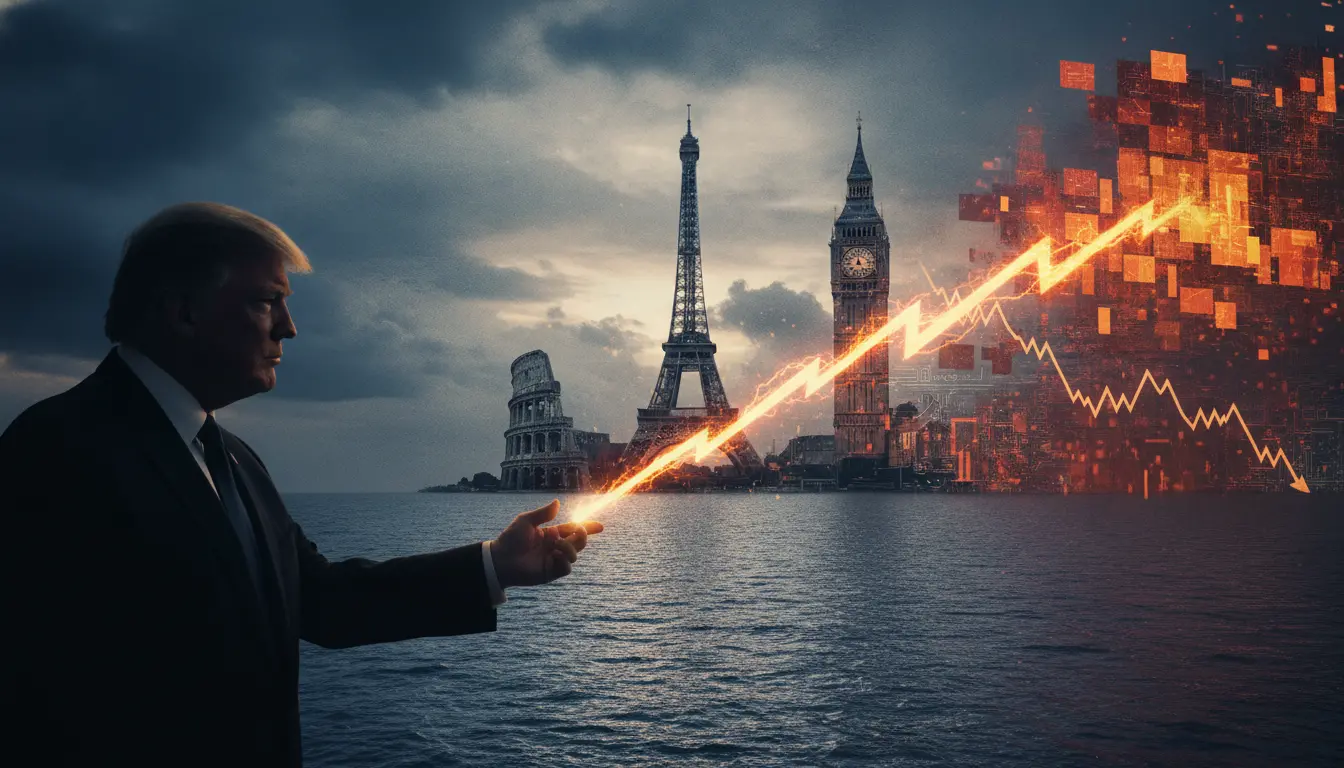
Former President Trump's Tariff Threat on European Digital Services Looms Ahead of US Election

US Considers Imposing Fresh Tariffs on Chinese Goods Amid Persistent Trade Frictions
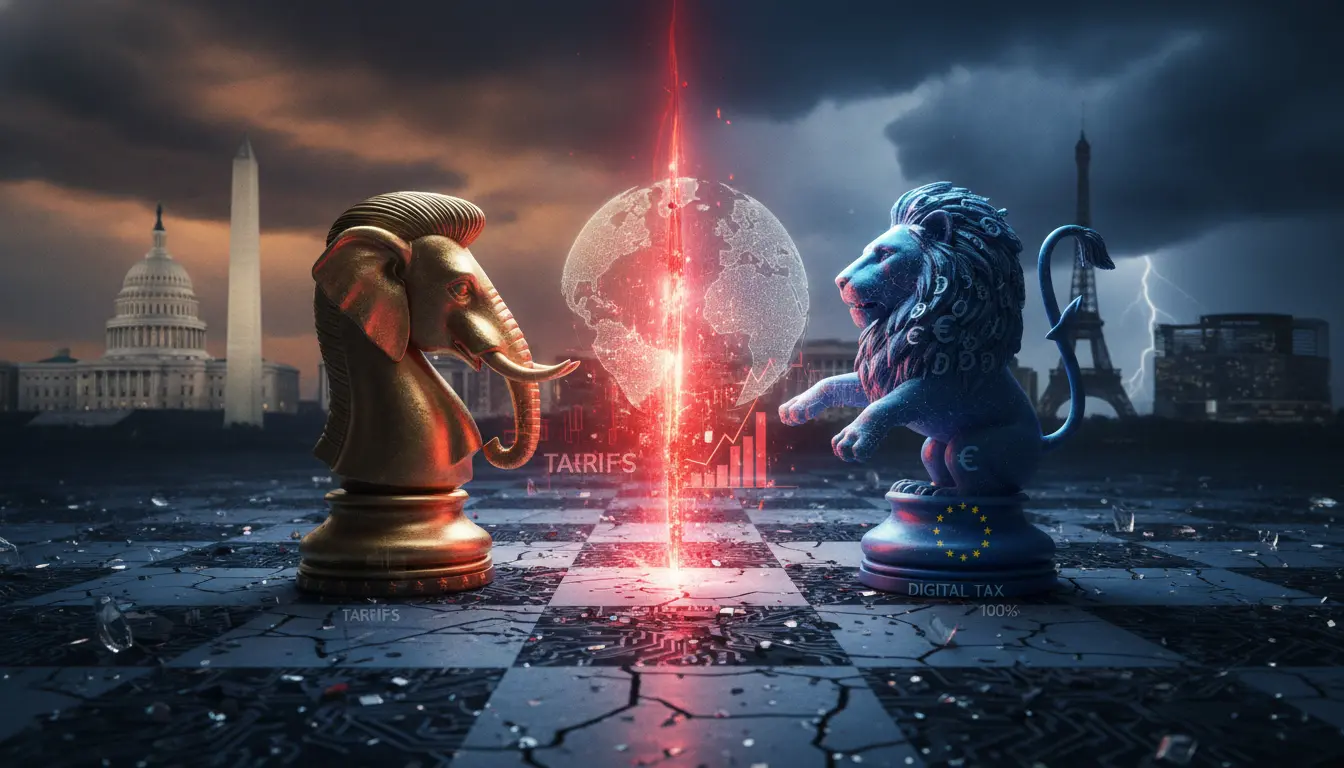
Trump's Tariffs Threat Rekindles US-EU Digital Tax Tensions
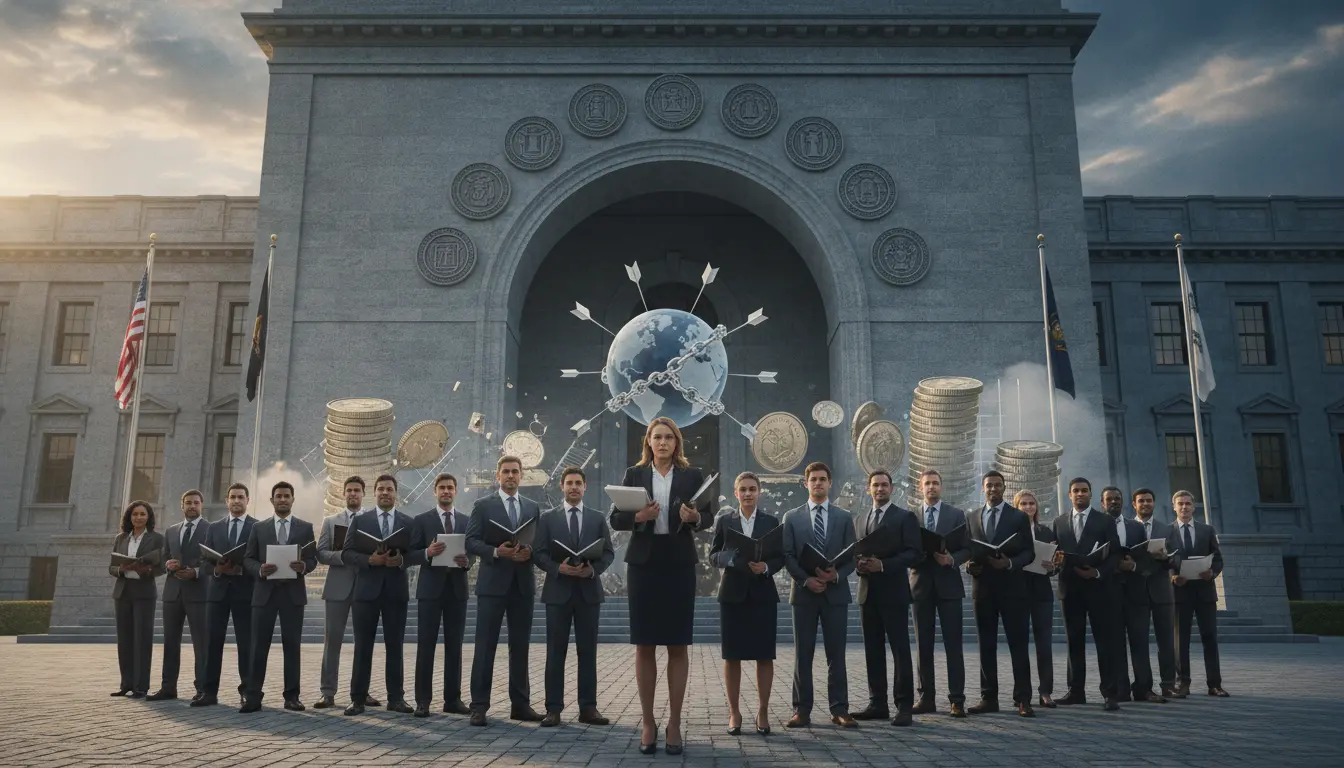
Twenty-Five States Launch Legal Battle Against Trump-Era Global Tariffs
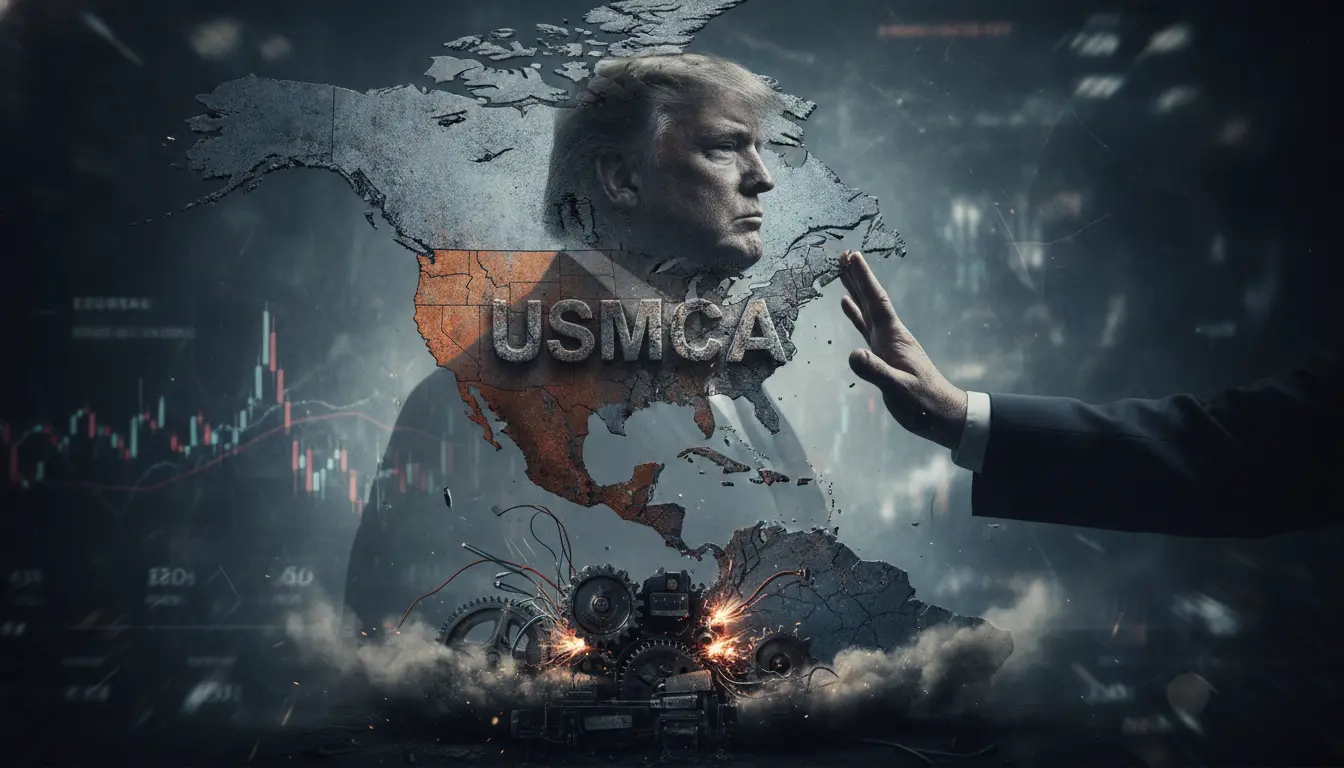
Trump Hints at Scrapping USMCA, His Own Signature Trade Deal, Sparking Economic Uncertainty
White House Intensifies Global Scrutiny Over Alleged China Tariff Evasion Network