

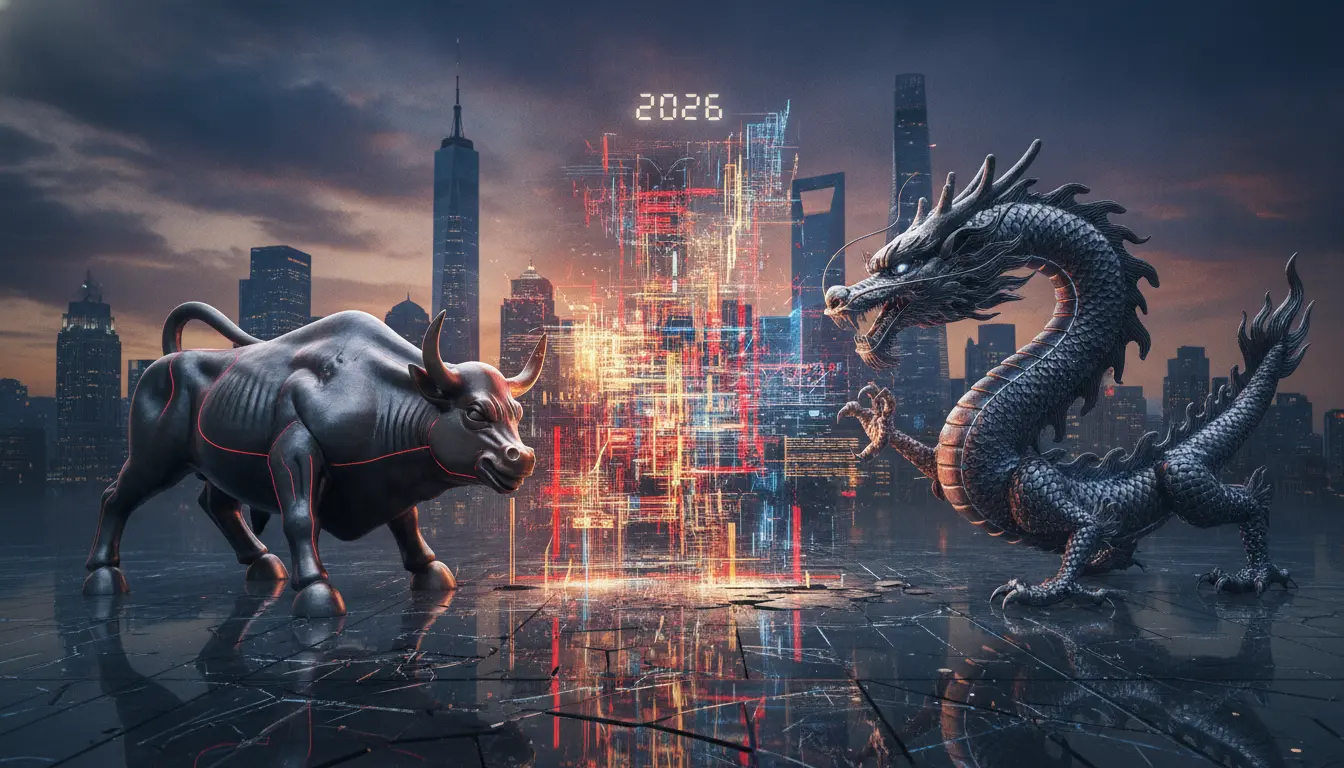
US-China Economic Standoff Intensifies Amidst Calls for New Tariffs by 2026
The economic rivalry between the United States and China is poised for potential escalation, with mounting pressures in both Washington and Beijing suggesting that new, significant tariffs could be on the horizon before the end of 2026. This period signals a deepening of the strategic competition, moving beyond the existing trade barriers to embrace a more confrontational approach as global powers grapple for technological superiority, economic influence, and national security.
The genesis of this modern trade friction dates back to 2018, when the Trump administration initiated a series of tariffs on hundreds of billions of dollars worth of Chinese goods, citing unfair trade practices, intellectual property theft, and forced technology transfers. China swiftly retaliated with its own tariffs on U.S. products, igniting what became known as the U.S.-China trade war. While the Biden administration largely maintained these tariffs, its strategy has evolved, focusing more acutely on targeted restrictions, particularly in advanced technology sectors like semiconductors, and a broader push for “de-risking” supply chains away from China rather than outright decoupling.
However, the calls for a renewed, broader tariff offensive are growing louder in Washington. Policymakers and industry groups express increasing concern over China's state-backed industrial policies, which they argue create an uneven playing field, particularly in emerging sectors such as electric vehicles (EVs), solar panels, and critical minerals. There is a strong bipartisan sentiment that China's aggressive subsidization of these industries threatens to undercut nascent American manufacturing and innovation. For the Biden administration, addressing these concerns aligns with its broader industrial policy goals aimed at revitalizing domestic manufacturing and securing critical supply chains, while also playing to a populist narrative ahead of future elections. Conversely, Beijing views any new tariffs as a direct assault on its economic sovereignty and development model, likely prompting robust retaliation aimed at sensitive American economic sectors or corporations.
The strategic stakes for both nations are immense. For the United States, the objective extends beyond protecting specific industries; it involves safeguarding national security interests by preventing adversaries from dominating critical technologies and supply chains. The drive to reshore manufacturing and diversify sourcing is a direct response to vulnerabilities exposed during the COVID-19 pandemic and geopolitical tensions. China, under President Xi Jinping, is equally determined to achieve technological self-reliance and global leadership, pushing its “Made in China 2025” initiative and other industrial blueprints designed to reduce its dependence on foreign technology while simultaneously expanding its export prowess. The intersection of these two national ambitions creates an inherent friction that tariffs are increasingly seen as a tool to manage, or exacerbate.
Several factors contribute to the heightened probability of escalation. The ongoing geopolitical rivalry, particularly concerning Taiwan and China's assertiveness in the South China Sea, frames the economic relationship within a broader security context. Furthermore, domestic political pressures in both countries often favor tough stances against the perceived economic aggressor. As the 2024 U.S. presidential election cycle heats up, candidates may vie to present themselves as stronger on China, potentially advocating for more stringent trade measures. This political dynamic, combined with genuine economic grievances and strategic competition, could easily tip the balance towards further tariff imposition.
The global implications of such an escalation would be profound. New tariffs could further disrupt global supply chains, exacerbate inflationary pressures, and create significant uncertainty for multinational corporations. Businesses that have navigated the existing tariff landscape would face renewed challenges, potentially leading to higher production costs, reduced profitability, and a further fragmentation of global trade networks. Consumers in both countries could also face higher prices for imported goods, while industries reliant on components or markets in the opposing nation would confront increased operational complexities and costs. The prospect of an intensified trade war thus presents a significant headwind to global economic stability, forcing countries worldwide to reassess their trade relationships and supply chain resilience.
Ultimately, the path to 2026 is likely to be characterized by continued strategic competition, with economic tools, including tariffs, remaining central to the U.S.-China dynamic. While both nations acknowledge the intricate interdependence of their economies, the imperatives of national security, industrial policy, and political posturing suggest that a significant escalation of trade barriers is a distinct possibility, reshaping global commerce for years to come.
Stay Informed. Act Smarter.
Get weekly highlights, major headlines, and expert insights — then put your knowledge to work in our live prediction markets.
Related News

US Considers Imposing Fresh Tariffs on Chinese Goods Amid Persistent Trade Frictions
US and China Navigate Complex Trade Impasse as Pressure Mounts for New Comprehensive Agreement by 2026
Analysts Warn of Sweeping Global Tariff Expansion Under Potential Future Trump Administration
White House Intensifies Global Scrutiny Over Alleged China Tariff Evasion Network
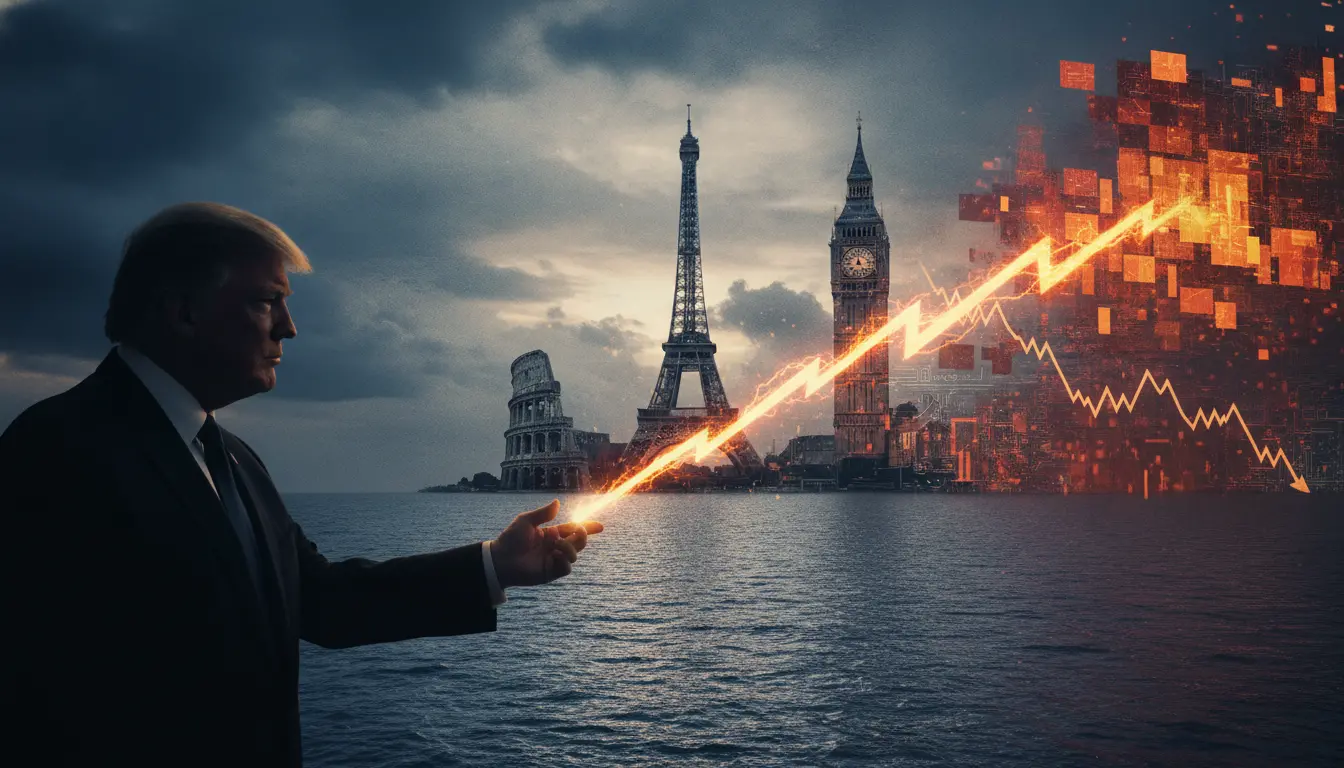
Former President Trump's Tariff Threat on European Digital Services Looms Ahead of US Election

Twenty-Five States Launch Legal Battle Against Trump-Era Global Tariffs
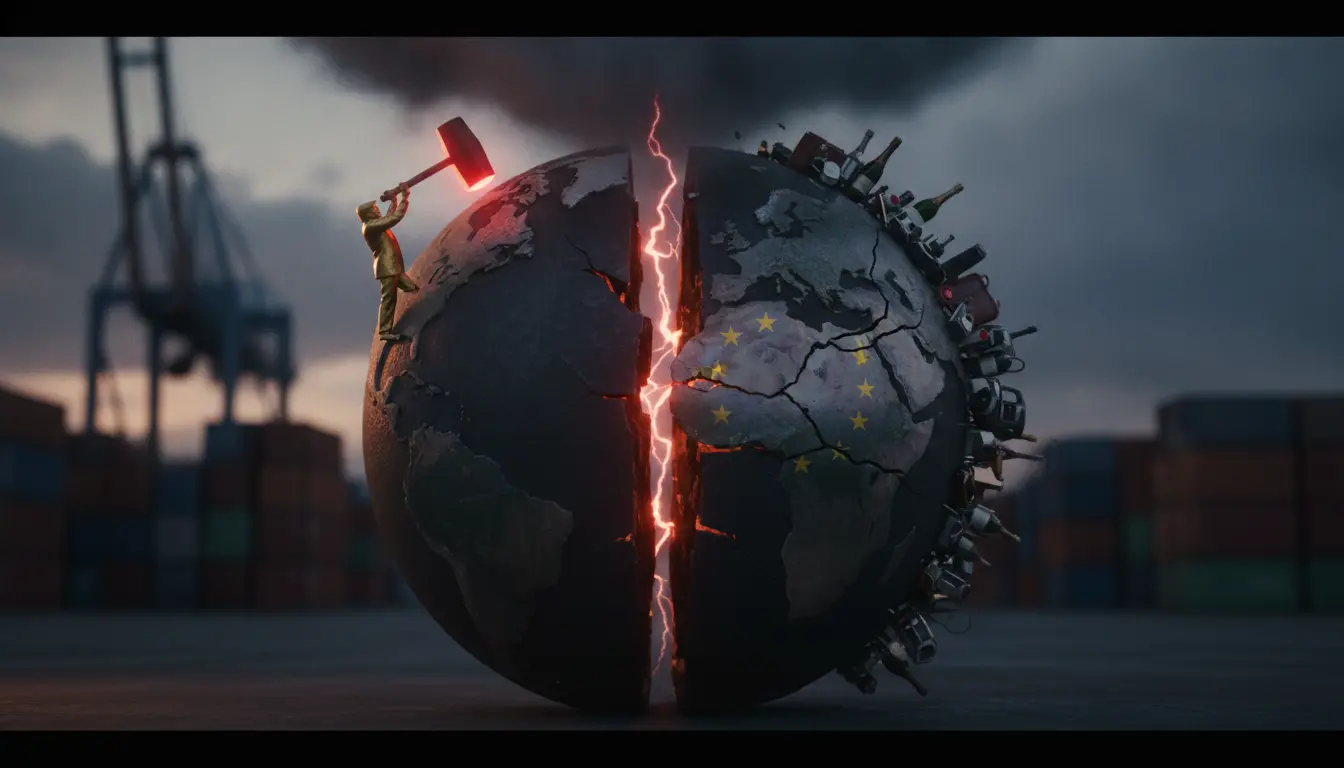
Trump's Threat of 100% Tariffs on Europe Stokes Fears of a New Transatlantic Trade War

US Considers Reviving 100% Tariffs on European Digital Services, Sparking Transatlantic Trade Concerns
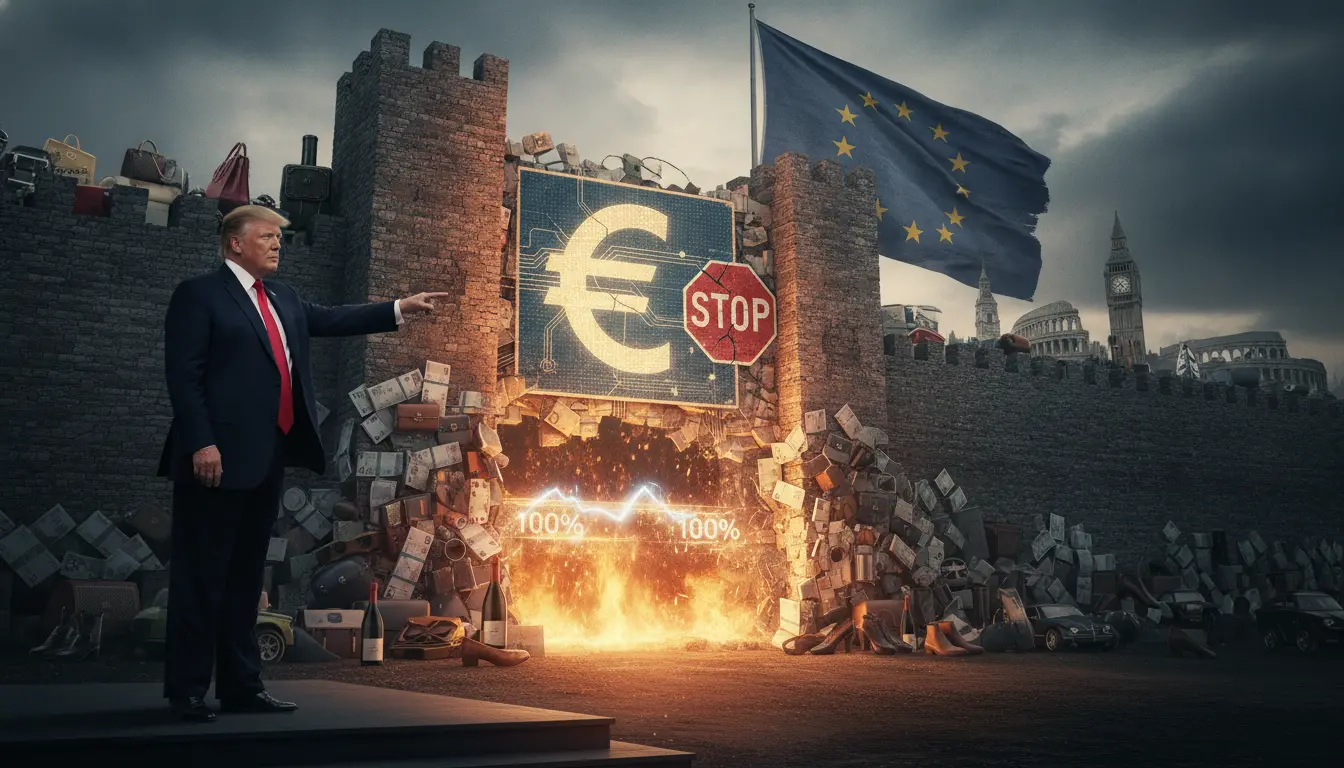
Trump Vows 100% Tariffs on Europe Over Digital Taxes, Threatening New Trade War

Washington Considers Imposing New Trade Tariffs on Spain Amid Diplomatic Rifts