

- News
- Politics
- Trump Hints at Scrapping USMCA, His Own Signature Trade Deal, Sparking Economic Uncertainty
Trump Hints at Scrapping USMCA, His Own Signature Trade Deal, Sparking Economic Uncertainty
Former President Donald Trump has cast a long shadow of uncertainty over the future of North American trade, making public remarks that question the value of the U.S.-Mexico-Canada Agreement (USMCA)—the landmark trade pact he once heralded as a crowning achievement of his presidency. In a startling reversal, Trump recently stated he would "rather not have" the deal, a sentiment that has sent ripples through corporate boardrooms and government halls in Washington, Ottawa, and Mexico City. The comments signal a potential return to the turbulent, tariff-driven trade policies of his first term, threatening to unravel a carefully constructed economic framework that governs over $1.5 trillion in annual commerce and underpins millions of jobs across the continent.
The USMCA was the result of a contentious, years-long negotiation process initiated by Trump to replace the North American Free Trade Agreement (NAFTA), a deal he famously labeled "the worst trade deal ever made." After threatening to tear up NAFTA entirely, his administration brokered the new agreement, which was ratified with broad bipartisan support in 2020. At the time, Trump praised the USMCA for its updated provisions on intellectual property, digital trade, and labor rights, as well as stricter rules of origin for the automotive sector designed to incentivize North American manufacturing. It was presented to the American public as a monumental victory that fulfilled a key 2016 campaign promise to renegotiate unfavorable trade deals and put "America First."
Trump's recent turn against his own signature policy appears to be rooted in his dissatisfaction with its implementation and the persistent U.S. trade deficit with Mexico. His rhetoric suggests he believes the deal has not gone far enough to protect American industries, particularly as supply chains have shifted and trade dynamics have evolved post-pandemic. This shift could be a strategic move to energize his political base ahead of a potential presidential run, tapping into a potent vein of economic nationalism and protectionism. By attacking the USMCA, he positions himself once again as the ultimate disruptor, willing to dismantle even his own creations if they are perceived as failing to deliver on their promises to American workers.
The economic stakes of a potential U.S. withdrawal are immense. Industries from agriculture to advanced manufacturing have spent the last several years reconfiguring their supply chains and investment strategies around the stability provided by the USMCA. The automotive sector, in particular, operates on a deeply integrated, cross-border system where parts and vehicles move seamlessly between the three countries. Abruptly canceling the agreement would throw this system into chaos, likely triggering retaliatory tariffs and creating a logistical nightmare that could drive up costs for both producers and consumers. Business groups, including the U.S. Chamber of Commerce, have already voiced concerns, emphasizing that the agreement is critical for economic growth and competitiveness.
For Canada and Mexico, the prospect of renegotiating or losing the trade pact is a significant threat. Both nations are heavily reliant on the U.S. market, and the USMCA provides essential predictability for their economies. The uncertainty alone could chill foreign investment and complicate diplomatic relations. The timing of Trump's comments is also notable, as the USMCA is scheduled for a mandatory joint review in 2026. This built-in "sunset clause" requires all three countries to affirm their commitment to the deal for it to be extended. Trump's hostility toward the pact could transform this review from a routine check-in into a high-stakes showdown that could lead to its dissolution.
Ultimately, whether these statements are election-year bluster or a genuine policy objective remains to be seen. The process of withdrawing from the USMCA is legally straightforward, requiring only six months' notice from the executive branch, meaning a future president could act swiftly without congressional approval. For now, Trump’s renewed skepticism has served as a stark reminder that the foundations of North American trade, once thought to be settled, may once again become a central battleground in American politics, forcing businesses and allied governments to prepare for a future of renewed economic volatility.
Stay Informed. Act Smarter.
Get weekly highlights, major headlines, and expert insights — then put your knowledge to work in our live prediction markets.
Related News
Trump's Stance on USMCA Sparks North American Trade Tensions, Setting Stage for Renegotiation
Trump-Era Policy Stance Casts Shadow Over USMCA's Future Ahead of 2026 Review
Analysts Warn of Sweeping Global Tariff Expansion Under Potential Future Trump Administration
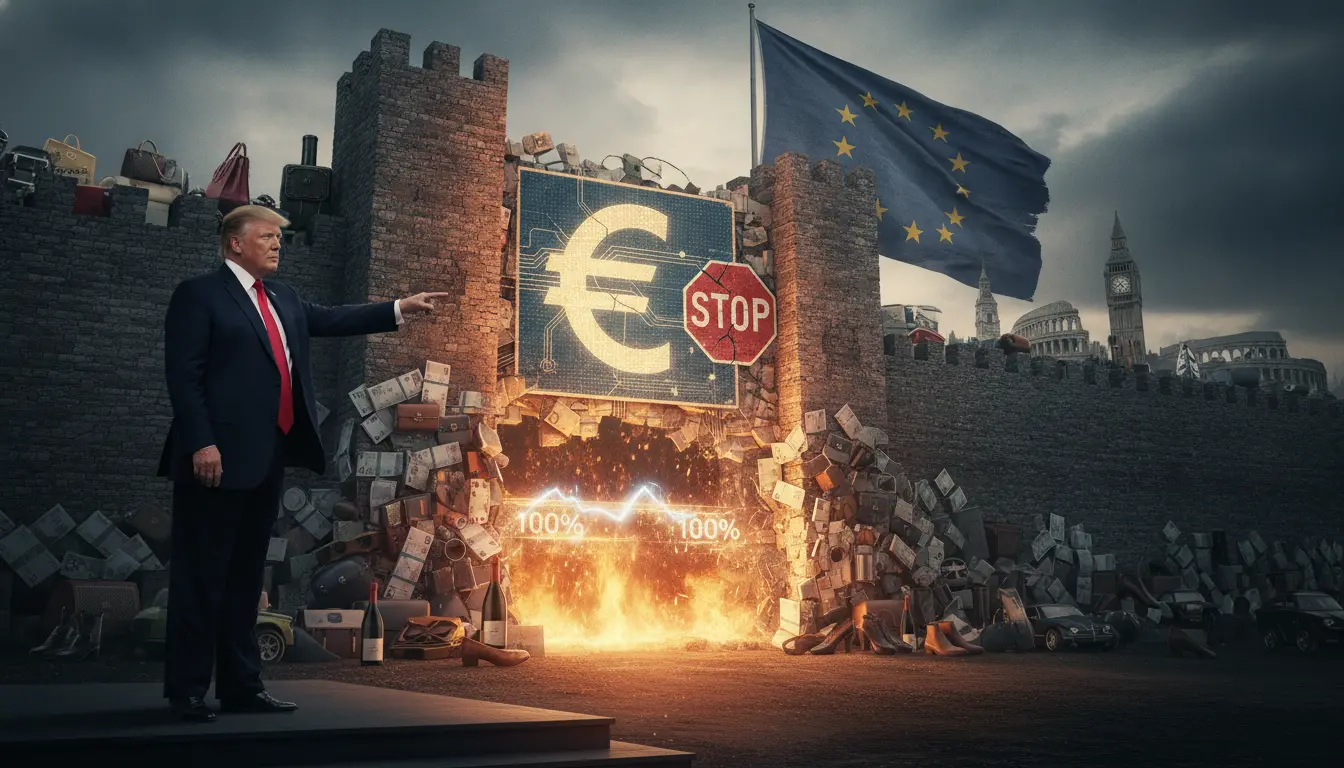
Trump Vows 100% Tariffs on Europe Over Digital Taxes, Threatening New Trade War
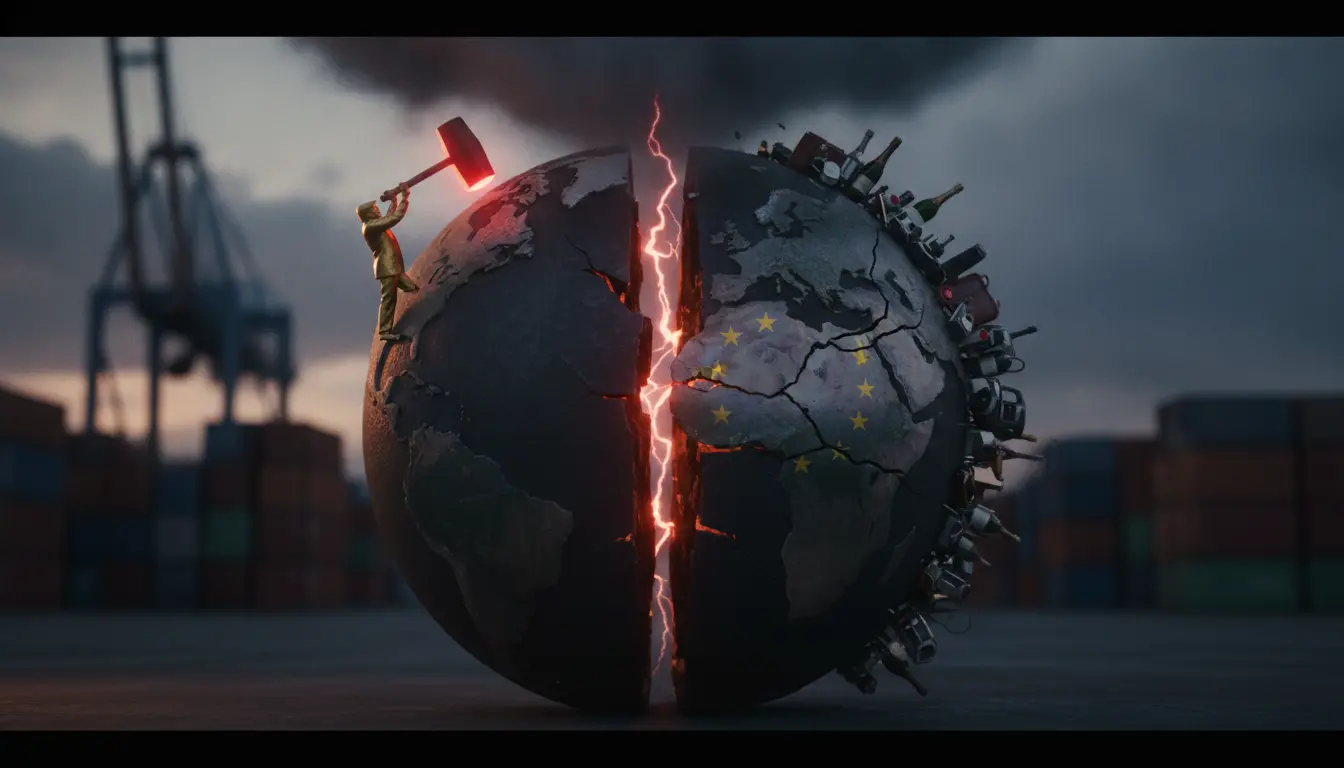
Trump's Threat of 100% Tariffs on Europe Stokes Fears of a New Transatlantic Trade War
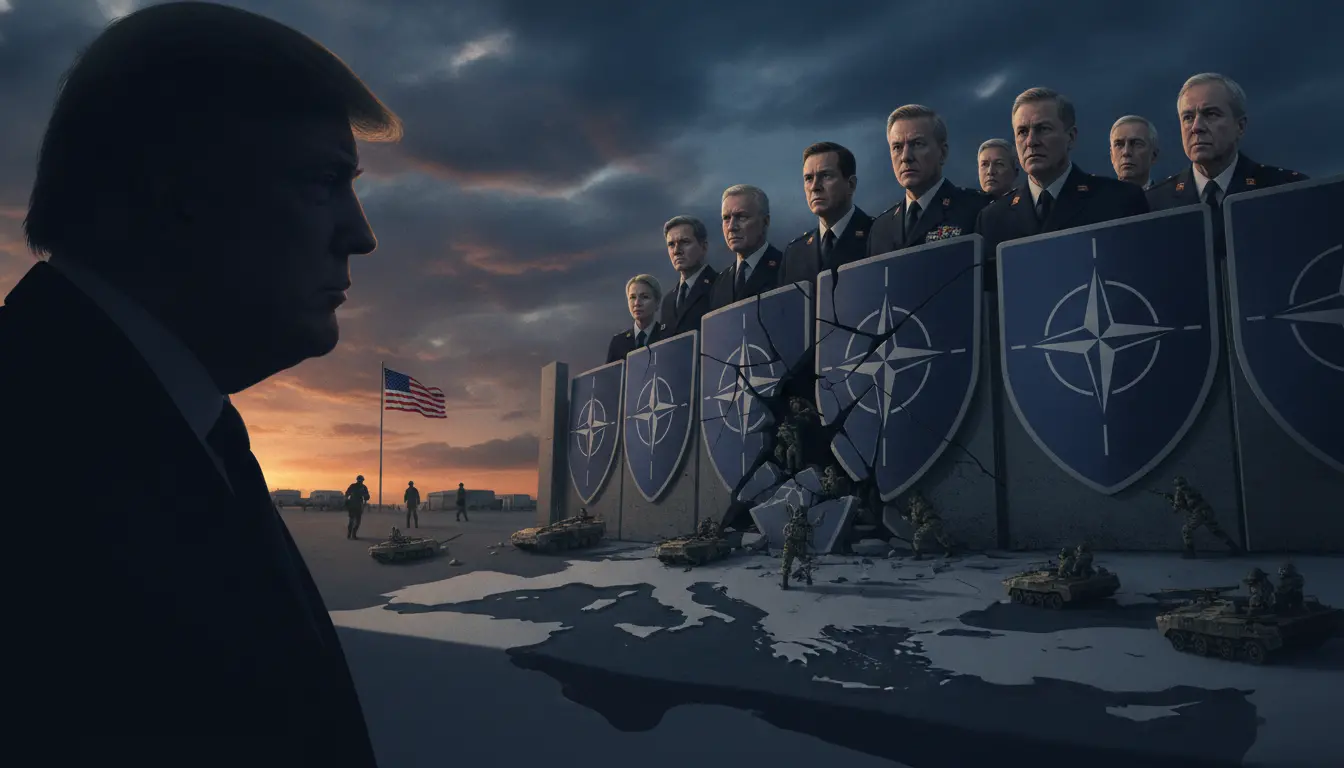
Trump's Renewed Threats to Withdraw US Troops from Europe Spark Alarm Among NATO Allies

US Considers Reviving 100% Tariffs on European Digital Services, Sparking Transatlantic Trade Concerns
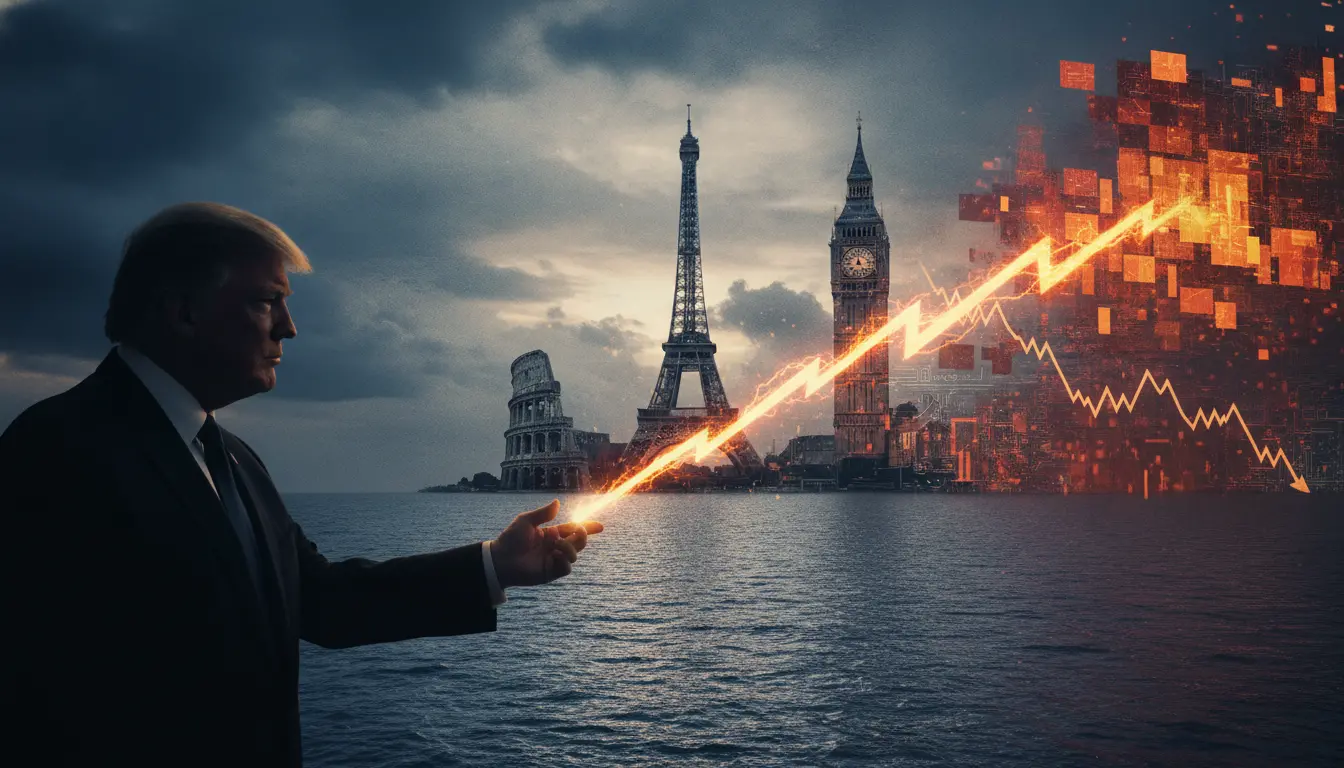
Former President Trump's Tariff Threat on European Digital Services Looms Ahead of US Election
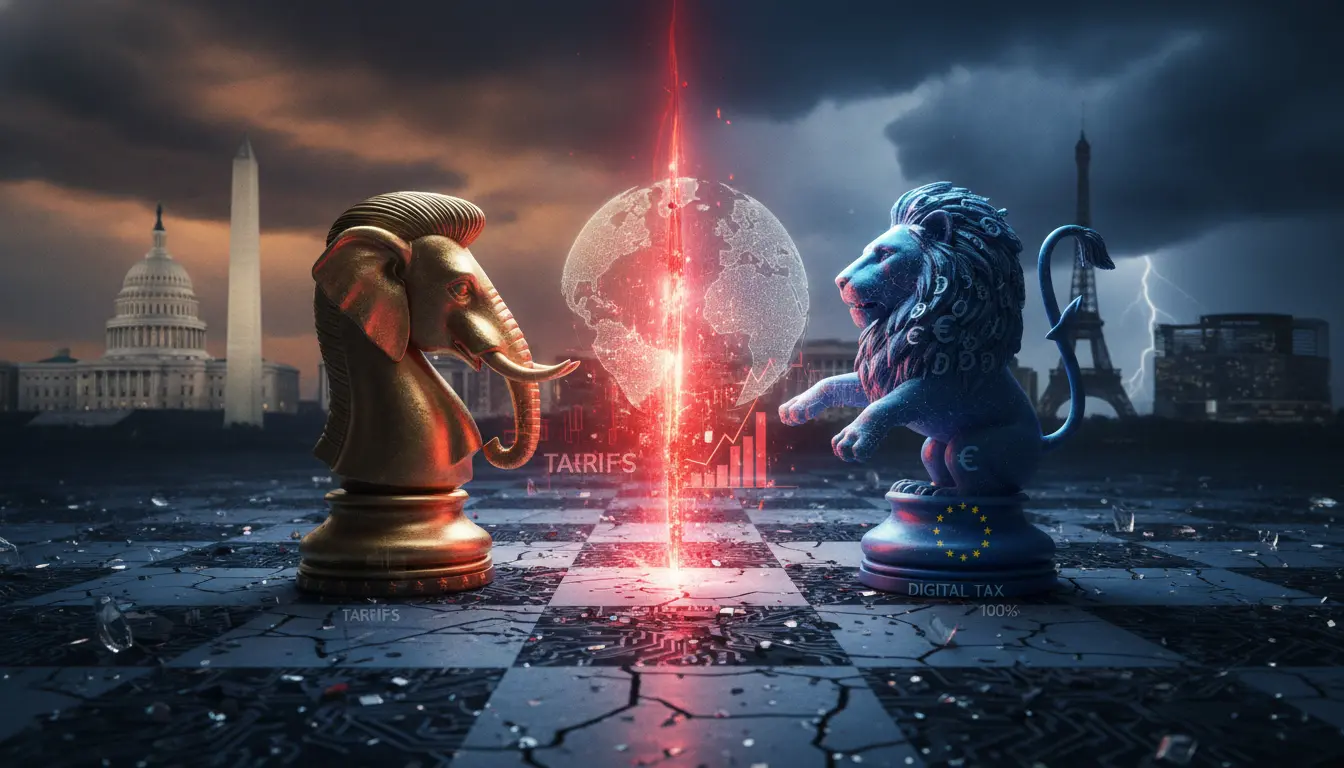
Trump's Tariffs Threat Rekindles US-EU Digital Tax Tensions

US-China Economic Standoff Intensifies Amidst Calls for New Tariffs by 2026