

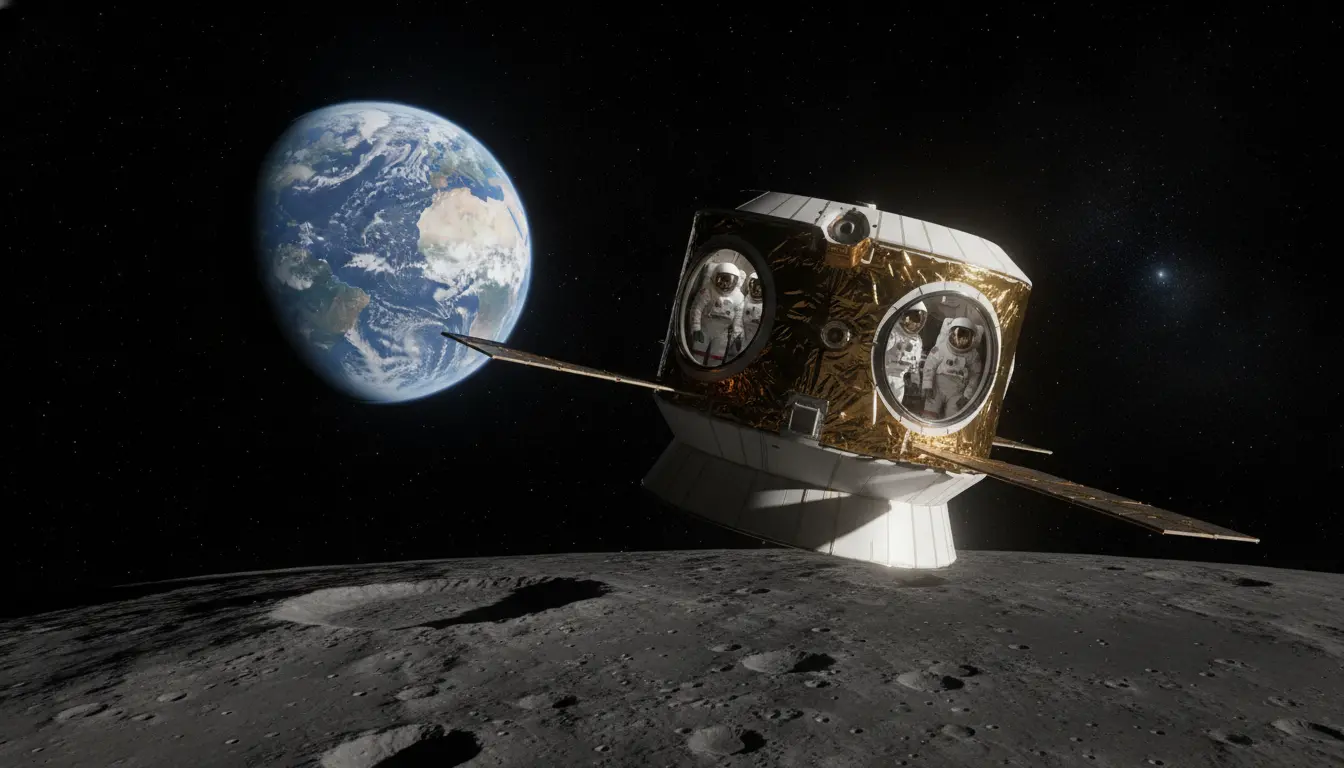
NASA Aims for Crewed Artemis II Lunar Flyby by End of 2026
NASA is pushing ahead with ambitious plans for its Artemis II mission, targeting a crewed lunar orbital flight by the end of 2026. This pivotal mission marks a significant step in humanity’s return to the Moon, preparing the ground for future lunar landings and eventually, sustained human presence beyond Earth. The mission, which will carry four astronauts aboard the Orion spacecraft, represents the first time humans will journey to the vicinity of the Moon since Apollo 17 in 1972, serving as a critical test of the entire Artemis system before a lunar landing attempt.
The Artemis program itself is a multi-phase initiative designed not only to return humans to the lunar surface but also to establish a sustainable long-term presence on and around the Moon. This differs from the Apollo era's race to the Moon, focusing instead on building infrastructure, conducting extensive scientific research, and developing technologies that will pave the way for human missions to Mars. International collaboration, particularly with the European Space Agency (ESA) and the Canadian Space Agency (CSA), is a cornerstone of the Artemis endeavor, contributing crucial modules and robotic arms to the planned Lunar Gateway space station, which will orbit the Moon.
Artemis II is designed as a roughly 10-day mission that will send its crew on a circumlunar trajectory, orbiting Earth twice before executing a complex trans-lunar injection burn to send Orion towards the Moon. The spacecraft will then perform a lunar flyby, reaching a maximum distance of approximately 6,400 miles beyond the far side of the Moon, before slinging back towards Earth. This journey is crucial for testing Orion's life support systems, communications, navigation capabilities, and critical re-entry procedures at high lunar return speeds, all with a human crew validating its performance. The four astronauts selected for this historic journey are NASA’s Reid Wiseman, Victor Glover, Christina Koch, and CSA’s Jeremy Hansen, who will be the first non-American to venture into deep space.
The path to this ambitious target has been fraught with technical challenges and schedule adjustments. Originally, Artemis II was anticipated to launch earlier, but a combination of issues related to the Space Launch System (SLS) rocket’s readiness, Orion spacecraft development, and the ground infrastructure necessary for launch and recovery have necessitated a revised timeline. Manufacturing complexities, the integration of thousands of components, and rigorous safety checks on both the spacecraft and its launch vehicle contribute to the intricate dance of modern space mission planning. These delays, while frustrating for some, underscore NASA's methodical approach to ensuring astronaut safety and mission success, recognizing the inherent risks of human deep-space travel.
Successfully executing Artemis II is not merely about reaching the Moon; it is about validating the entire architecture that will support future lunar surface missions, including Artemis III, which aims to land astronauts near the Moon's South Pole. The data and experience gained from Artemis II will be invaluable for refining procedures, mitigating risks, and optimizing systems for subsequent, more complex missions. This return to lunar orbit also serves to re-ignite public fascination with space exploration, inspiring a new generation of scientists, engineers, and explorers.
Looking beyond 2026, Artemis II's success is paramount for the long-term vision of sustained human presence on the Moon and the broader goal of interplanetary travel. The insights from this mission will inform the development of lunar habitats, in-situ resource utilization technologies, and further international partnerships, creating a collaborative framework for deep-space exploration. The upcoming lunar flyby is more than just a trip around the Moon; it’s a foundational expedition that sets the stage for humanity’s enduring journey into the cosmos, solidifying our species' footprint beyond Earth for generations to come.
Stay Informed. Act Smarter.
Get weekly highlights, major headlines, and expert insights — then put your knowledge to work in our live prediction markets.
Related News
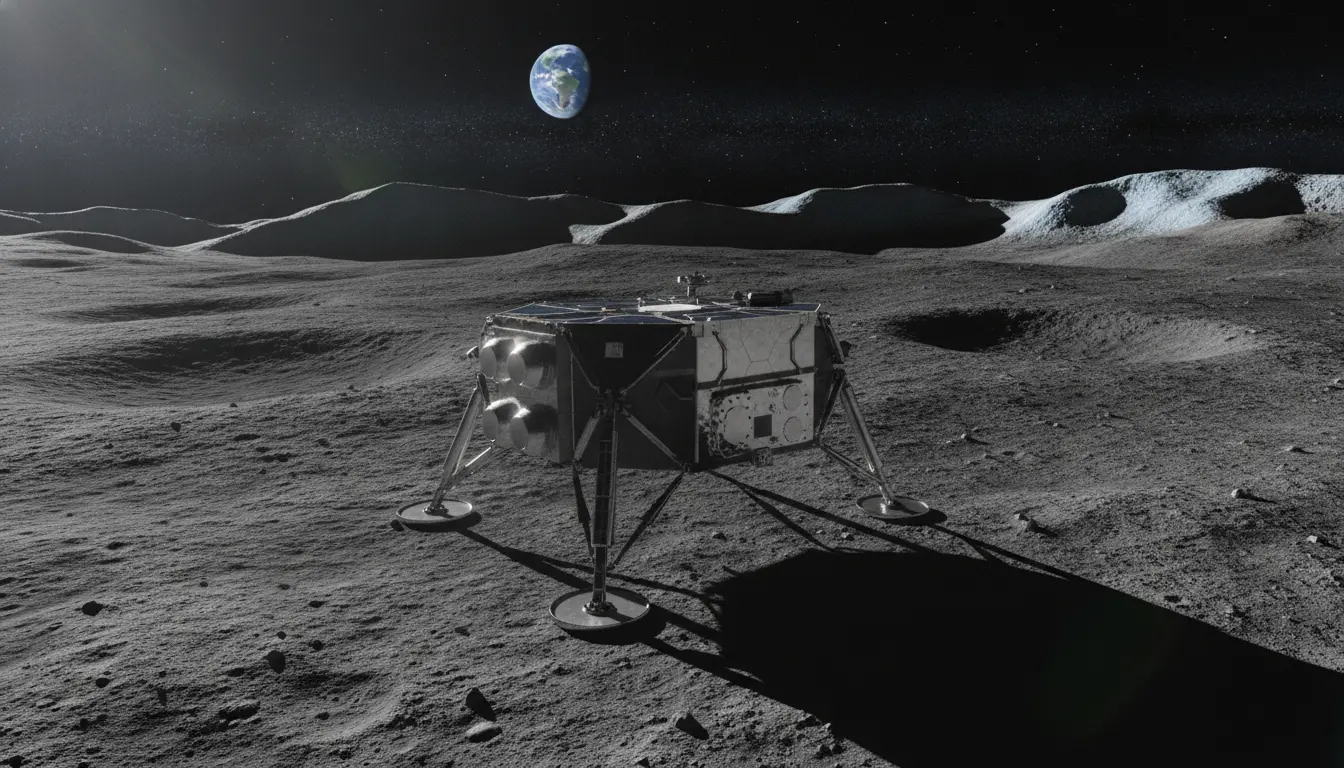
Astrobotic's Griffin-1 Lander Targets Lunar South Pole for 2026 Mission
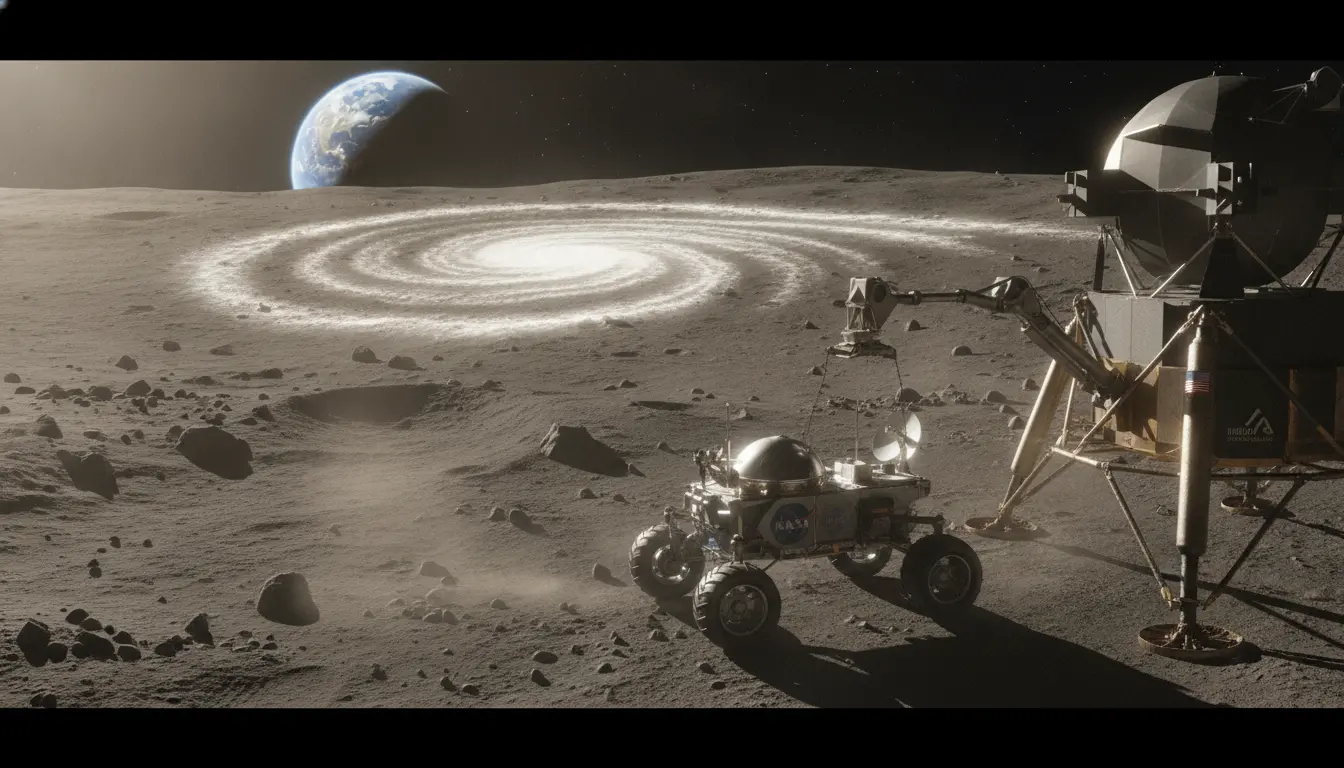
Intuitive Machines and NASA Target Mysterious Lunar Swirl with Rover-Deploying IM-3 Mission

US Economy Awaits Critical Q2 2026 GDP Revision Amid Growth Scrutiny

Q2 2026 US GDP Second Estimate Looms, Upward Revision in Focus

US Manufacturing Sector Eyes Sustained Expansion Amidst Evolving Economic Landscape

US Q2 2026 GDP Growth Poised for Potential Upward Revision with Third Estimate

Disney's D23 Entertainment Showcase Anticipated to Unveil Major Marvel Cinematic Universe Plans

Federal Reserve Prepares for Key Interest Rate Review at July 2026 Meeting
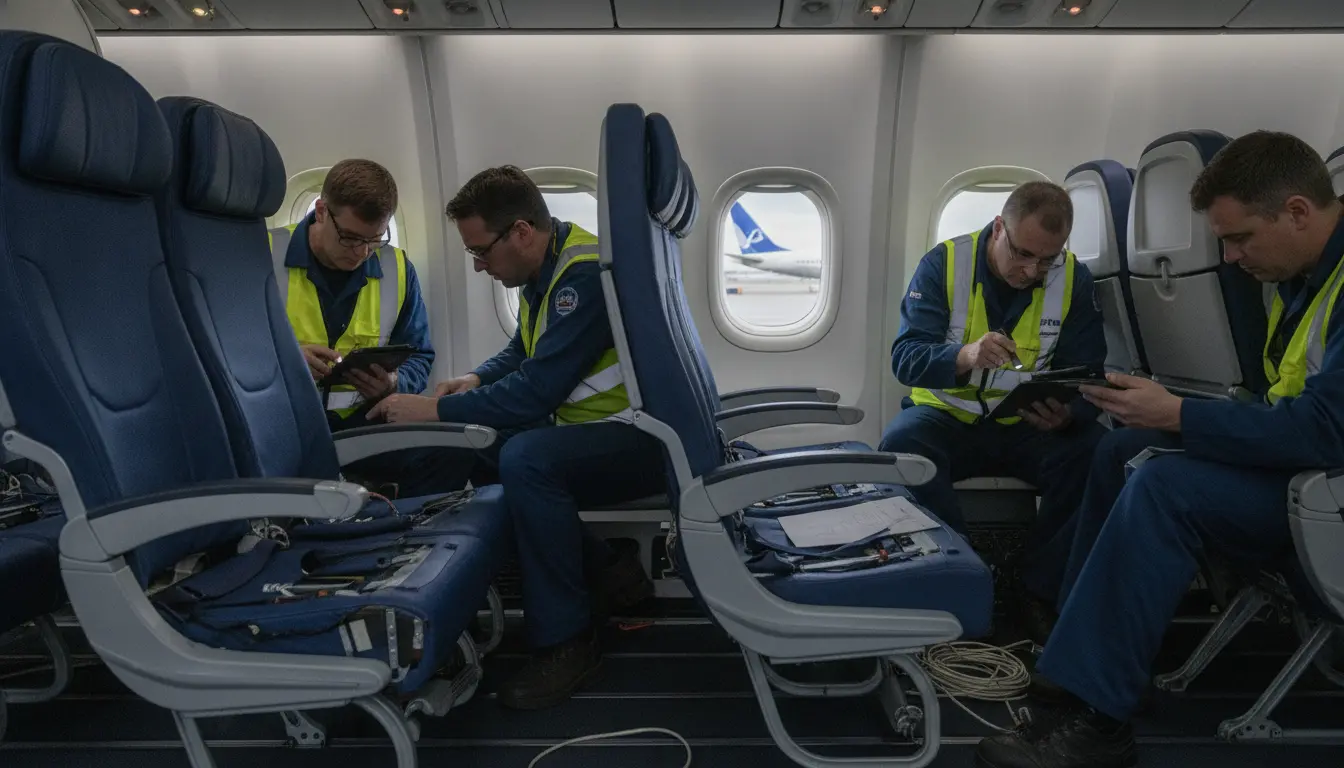
US FAA Signals Mandatory Safety Inspections for Hundreds of Boeing Aircraft Seats

Swiss Voters to Decide on Constitutional Strengthening of Nation's Neutrality Doctrine in 2026