

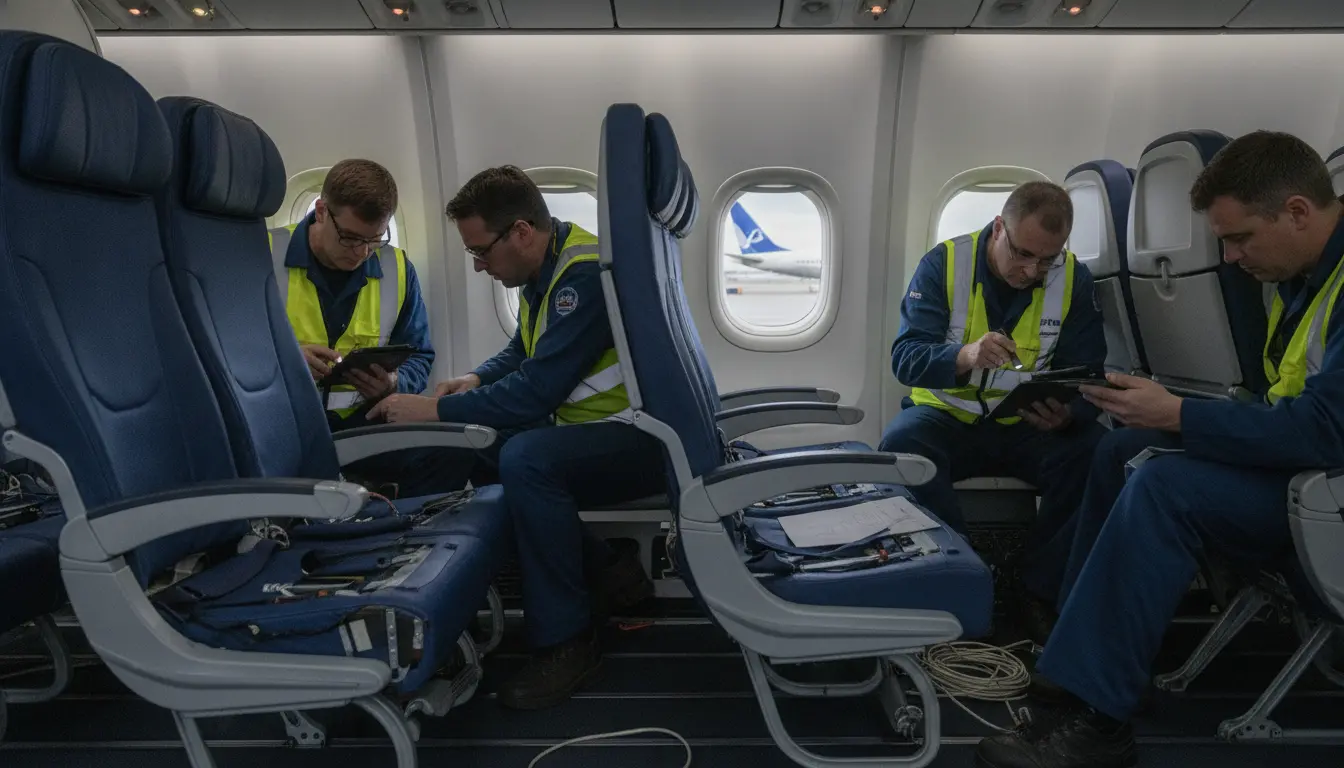
US FAA Signals Mandatory Safety Inspections for Hundreds of Boeing Aircraft Seats
The U.S. Federal Aviation Administration (FAA) has indicated that a significant number of Boeing aircraft may soon be subject to mandatory safety inspections focusing on passenger seats. This move comes as the aviation industry, and particularly Boeing, faces intense scrutiny over manufacturing quality and safety protocols. While a formal Airworthiness Directive (AD) has yet to be issued, the FAA's warning suggests a strong likelihood of an impending mandate that could affect at least 500 aircraft, prompting airlines to prepare for potential operational disruptions and maintenance costs.
The potential directive stems from identified concerns regarding certain seat models and their attachment mechanisms within Boeing's fleet. The FAA, responsible for ensuring the safety of civil aviation, has been closely monitoring various aspects of aircraft manufacturing and maintenance following several high-profile incidents involving Boeing aircraft over the past year. These incidents, including a mid-air panel detachment on an Alaska Airlines 737 MAX earlier this year, have intensified calls for more rigorous oversight. The regulator's proactive stance on seat inspections underscores a broader effort to pre-emptively address any latent safety risks before they escalate into critical failures.
At the heart of the matter are specific vulnerabilities that could compromise the integrity of passenger seating in certain operational conditions, such as severe turbulence or emergency landings. While details on the exact nature of the flaw remain under investigation and subject to the final AD language, industry experts suggest it could relate to design specifications, manufacturing tolerances, or material fatigue in the seat's structural components or its interface with the aircraft floor. Such issues, if left unaddressed, could pose a risk to passenger safety by failing to adequately restrain occupants during unexpected events, potentially leading to injuries.
For airlines, a new Airworthiness Directive represents a complex challenge. An AD mandates specific inspections, repairs, or modifications to aircraft within a specified timeframe, often requiring the temporary grounding of affected planes. This translates to significant logistical hurdles, including scheduling maintenance slots, sourcing parts, and managing technicians, all while minimizing impact on flight schedules and passenger service. Depending on the complexity of the required inspections and any subsequent repairs, the financial implications for carriers operating large fleets of Boeing aircraft could be substantial, encompassing labor costs, material expenses, and potential revenue losses from grounded planes.
Boeing, already grappling with a challenging period marked by production slowdowns, quality control audits, and leadership changes, faces additional pressure with this potential directive. Each new safety concern further erodes public confidence and attracts more intense regulatory oversight. The company has publicly committed to addressing all safety concerns raised by the FAA and other international regulators, initiating comprehensive reviews of its production processes and supply chain. This latest development underscores the continuous and critical need for robust quality assurance from manufacturers and diligent oversight from regulatory bodies to maintain the highest standards of aviation safety.
The timeline for any such directive and its full scope remains crucial. The FAA typically issues a Notice of Proposed Rulemaking (NPRM) before a final AD, allowing public comment from manufacturers, airlines, and other stakeholders. This process can refine the requirements, but the underlying intent to address safety concerns remains firm. Airlines are likely already initiating preliminary assessments of their fleets and engaging with Boeing to understand the potential impact, preparing for what could be another wide-ranging safety mandate in the ongoing drive to ensure air travel remains the safest mode of transport. The anticipated directive signals the FAA’s unwavering commitment to preventative safety measures, placing passenger well-being at the forefront of its regulatory actions.
Stay Informed. Act Smarter.
Get weekly highlights, major headlines, and expert insights — then put your knowledge to work in our live prediction markets.
Related News

US Durable Goods Orders for July 2026 Under Scrutiny as Economic Health Indicator

US Manufacturing Sector Eyes Sustained Expansion Amidst Evolving Economic Landscape

Q2 2026 US GDP Second Estimate Looms, Upward Revision in Focus

Federal Reserve Prepares for Key Interest Rate Review at July 2026 Meeting

US Economy Awaits Critical Q2 2026 GDP Revision Amid Growth Scrutiny

July 2026 US Retail Sales Report Nears, Offering Crucial Insight into Consumer Spending

Bank of Japan's September 2026 Meeting Looms as Rate Hike Speculation Mounts

US Q2 2026 GDP Growth Poised for Potential Upward Revision with Third Estimate

EU Prepares Expansive Sanctions Package Targeting Over 1,600 Firms Accused of Aiding Russian War Effort

Amazon Antitrust Settlement Opens Claims Process Amid Scrutiny Over Market Dominance