

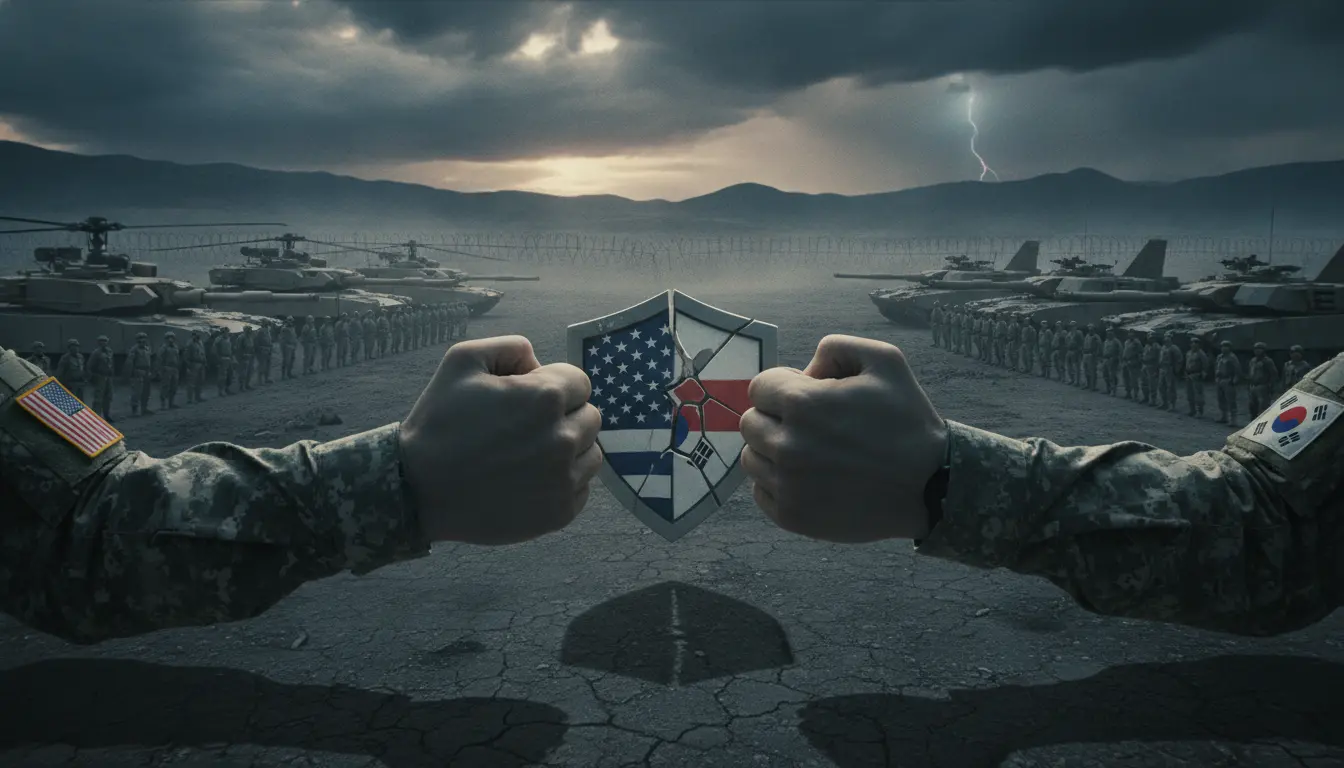
US-South Korea Alliance Tested as Debate Over Joint Military Drills Resurfaces
The longstanding military alliance between the United States and South Korea, a cornerstone of security in the Indo-Pacific for over seven decades, is once again at the center of a complex debate over the future of its large-scale joint military exercises. These drills, designed to ensure readiness and deter aggression from North Korea, have become a political and diplomatic flashpoint, with their scale and frequency now subject to strategic reassessments in both Washington and Seoul, reigniting a discussion that gained prominence during the Trump administration.
For decades, the joint exercises, often known by codenames such as "Foal Eagle" and "Ulchi Freedom Guardian," have been a visible symbol of the ironclad commitment between the two nations. They are critical for maintaining interoperability between the U.S. Forces Korea and the Republic of Korea Armed Forces, ensuring that the tens of thousands of American troops stationed on the peninsula can operate seamlessly with their South Korean counterparts in any contingency. From the perspective of military planners, these drills are not merely symbolic; they are essential for honing complex maneuvers, testing new defense systems, and preparing for a range of potential provocations from an increasingly unpredictable North Korea.
However, this military necessity has always existed in tension with diplomatic realities. Pyongyang has consistently condemned the exercises as “rehearsals for invasion” and a primary obstacle to dialogue, often responding with its own military provocations, such as ballistic missile tests. This dynamic was dramatically altered during the presidency of Donald Trump, who sought a diplomatic breakthrough with North Korean leader Kim Jong Un. Following their first summit in Singapore in 2018, Trump abruptly ordered a halt to what he termed the “provocative” and “tremendously expensive war games.” This move, which appeared to catch both the Pentagon and Seoul by surprise, fundamentally shifted the calculus, reframing the drills not just as a tool of deterrence but as a bargaining chip in high-stakes diplomacy.
The suspension and scaling-down of major exercises during that period were met with a mixed reception. While some lauded the move as a necessary confidence-building measure to encourage North Korean denuclearization, many defense analysts and lawmakers in both the U.S. and South Korea expressed grave concerns about a potential degradation of military readiness. They argued that reducing the scope and complexity of the drills could weaken the alliance's deterrent posture and send a dangerous signal of wavering commitment to adversaries in the region, including not only North Korea but also China.
Under the Biden administration, the pendulum has swung back toward a more traditional posture. Faced with a complete breakdown in diplomacy with Pyongyang and a significant uptick in North Korean weapons testing, Washington and Seoul have resumed and even expanded the scope of their joint exercises. Major field training drills involving aircraft carriers, advanced fighter jets, and thousands of troops have returned to the calendar, justified by officials as a prudent and necessary response to a heightened threat environment. Yet, the debate initiated under Trump has left a lasting mark. The cost of the exercises and their role as a potential diplomatic lever remain part of the strategic conversation, particularly as the U.S. balances its global military commitments.
The future of the drills is now intrinsically linked to the political landscape in both countries. In South Korea, conservative administrations like that of President Yoon Suk Yeol have strongly advocated for bolstering the exercises, while more progressive governments have historically been more willing to use them as a tool for engagement with the North. In the United States, the outcome of future presidential elections could prove decisive. A potential return to power by Donald Trump could foreseeably lead to another immediate and substantial reduction of the drills, consistent with his “America First” approach and skepticism toward the financial costs of overseas alliances.
What is at stake is the very nature of the U.S.-South Korea security partnership. A significant, long-term reduction in military exercises would force a fundamental rethink of how the alliance maintains its readiness and projects deterrence. While proponents argue it could reduce tensions and open doors for diplomacy, critics warn it could embolden adversaries and erode the trust that has underpinned stability on the Korean Peninsula for generations. As strategic priorities evolve and political winds shift, the future scale of these crucial military drills remains one of the most critical and uncertain variables in East Asian security.
Stay Informed. Act Smarter.
Get weekly highlights, major headlines, and expert insights — then put your knowledge to work in our live prediction markets.
Related News
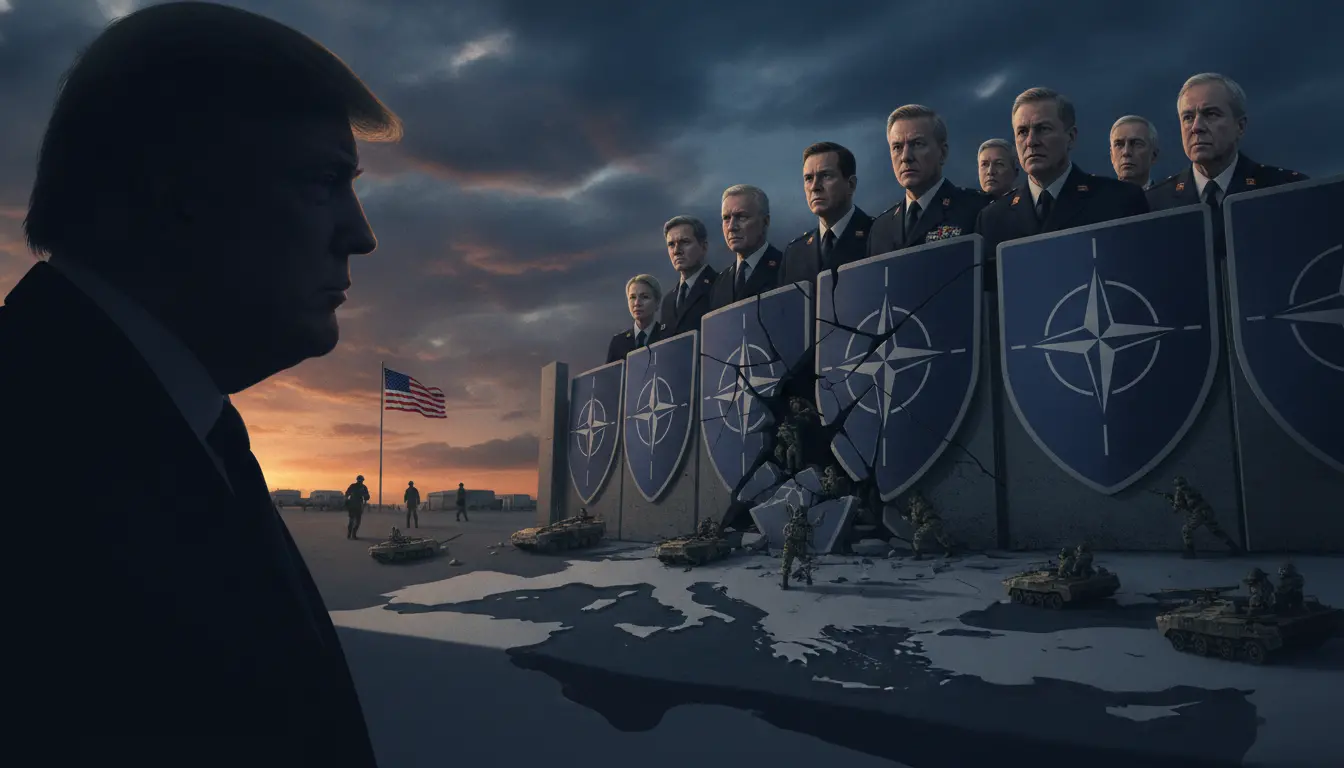
Trump's Renewed Threats to Withdraw US Troops from Europe Spark Alarm Among NATO Allies
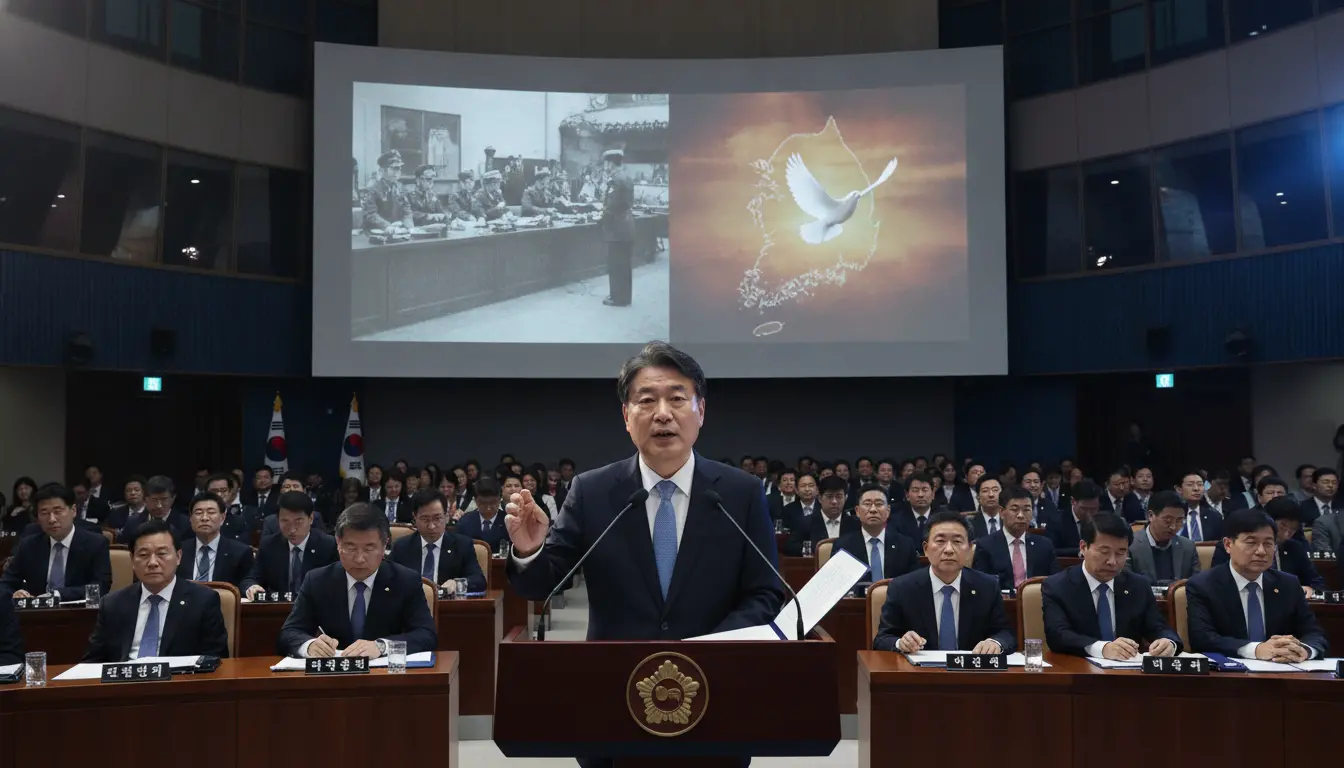
South Korean Opposition Leader Lee Jae-myung Advocates Formal Peace Treaty to End Korean War

NATO's Article 5 Defense Pact Under Intensified Scrutiny Amid Geopolitical Flashpoints and US Political Uncertainty

Allies Express Alarm as Trump Signals Potential US Troop Reductions in Europe
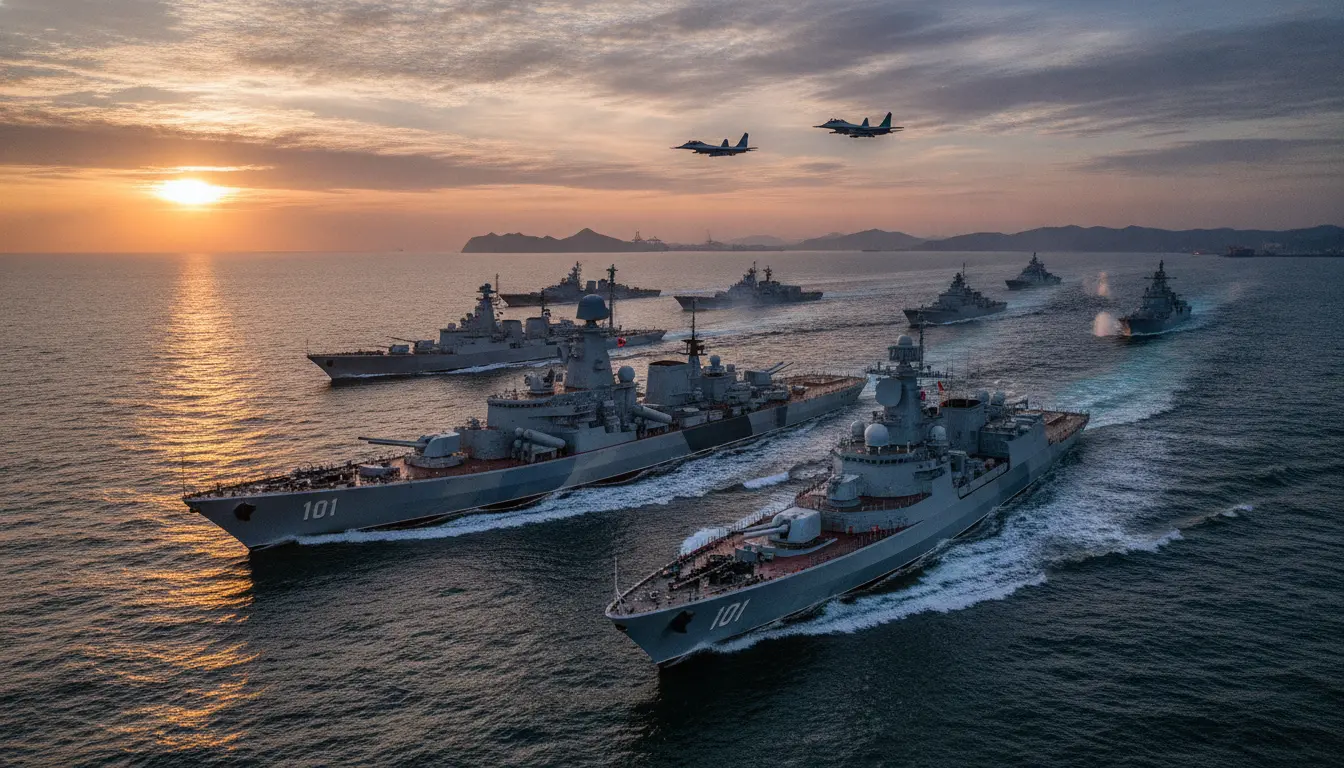
China and Russia Launch Joint Naval Drills in Yellow Sea Amid Deepening Strategic Alignment

Heightened Geopolitical Tensions Spark Concerns Over Potential US-Iran Conflict

Trump's 'America First' Doctrine Casts Shadow Over NATO's Future Ahead of Ankara Summit

Washington Considers Reviving F-35 Deal for Turkey Amid Israeli Concerns

US and Iran Agree to Extend Ceasefire Until August 2026 Amid Persistent Tensions
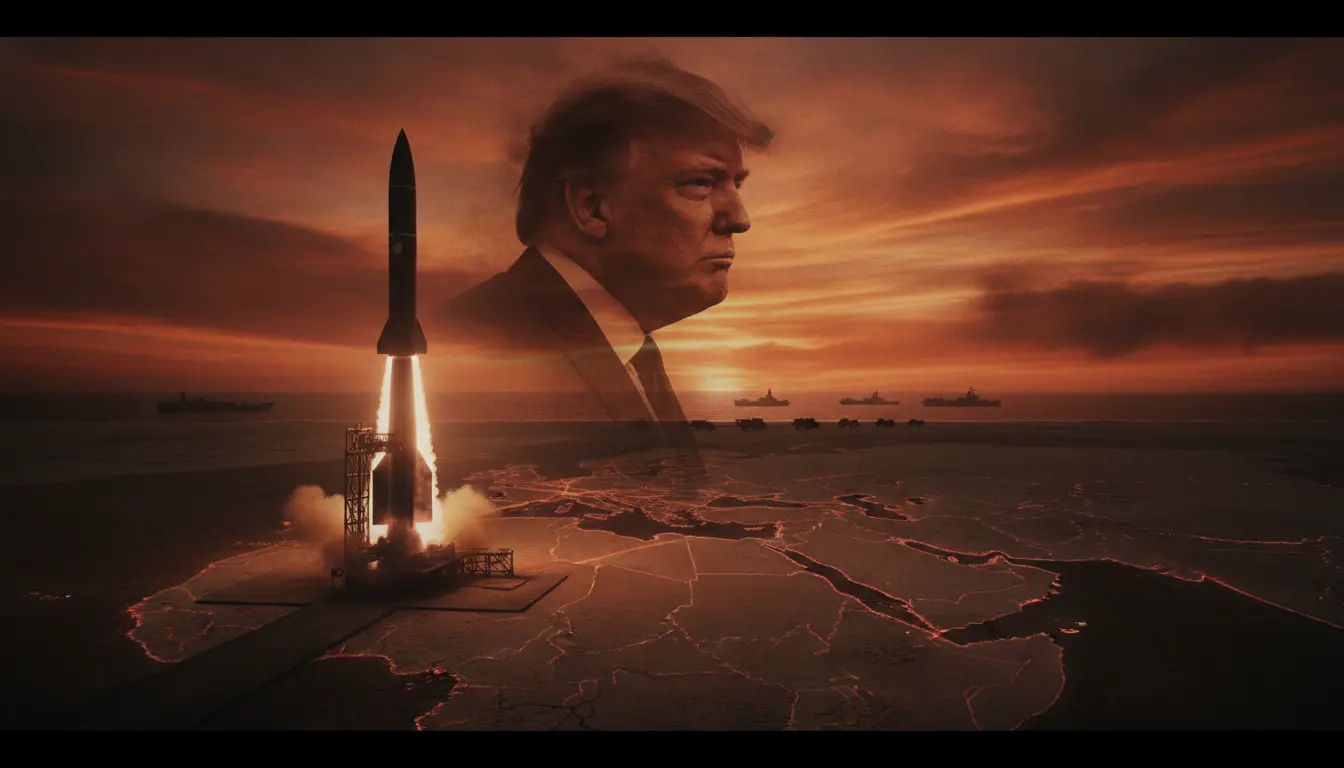
Trump's 'Massive Attack' Rhetoric on Iran Stokes Fears of Renewed Middle East Conflict