


Washington Considers Reviving F-35 Deal for Turkey Amid Israeli Concerns
The prospect of the United States potentially reversing course on the sale of advanced F-35 fighter jets to Turkey is emerging as a complex foreign policy challenge, stirring renewed debate within Washington and among key regional allies. Reports indicating a rejection of Israeli opposition to such a sale by figures like former President Donald Trump signal a potential future shift in U.S. executive branch thinking, which would inevitably trigger a rigorous and potentially contentious approval process within the U.S. Congress. This intricate situation forces a delicate balancing act between strategic alliances, regional security, and the imperative of non-proliferation.
The heart of the current dilemma traces back to 2019, when Turkey, a long-standing NATO ally and once a partner in the F-35 Joint Strike Fighter program, was expelled from the consortium. This dramatic move came after Ankara proceeded with the acquisition of the Russian-made S-400 Triumf air defense system, a decision the Pentagon deemed incompatible with NATO’s integrated air defense architecture and a serious security risk to the F-35's stealth technology. The U.S. argued that the S-400 could be used by Russia to gather intelligence on the F-35’s capabilities, thereby compromising the aircraft’s security. Despite Turkey’s significant investment in the F-35 program, its removal led to a major diplomatic rift and severely strained U.S.-Turkey relations, which have traditionally been a cornerstone of NATO's southern flank.
Following the F-35 expulsion, the U.S. offered Turkey an alternative: an upgrade package for its existing F-16 fleet and the potential sale of new F-16 Block 70 aircraft. Even this more limited deal faced substantial hurdles in Congress, where lawmakers cited concerns over Turkey's human rights record, its aggressive stance in regional disputes, and its continued possession of the S-400 systems. The congressional approval for the F-16 sale only materialized earlier this year, after significant diplomatic effort and Ankara’s ratification of Sweden’s NATO membership, demonstrating the legislative body's powerful oversight in arms transfers.
The potential reintroduction of F-35s into the discussion, particularly if championed by a future U.S. administration, would undoubtedly reignite intense scrutiny. A crucial player in this scenario is Israel, which has long maintained a qualitative military edge (QME) in the Middle East, heavily reliant on its access to advanced U.S. weaponry, including its own fleet of F-35s. The Israeli government has consistently voiced strong objections to any advanced arms sales to neighboring or potentially adversarial nations that could erode its strategic advantage. Their concerns stem from the possibility of F-35 technology falling into the wrong hands or being used in ways that could destabilize the delicate regional balance. Reports that such objections might be overridden by executive fiat underscore the political nature of these high-stakes decisions.
For the U.S. Congress, the potential F-35 sale to Turkey would represent a profound policy pivot. Lawmakers would need to weigh Turkey's evolving geopolitical role, its reliability as a NATO partner given its S-400 procurement, and its broader human rights record against the strategic imperative of maintaining a strong relationship with Ankara, particularly in light of ongoing conflicts and regional instability. The complex web of interests includes addressing the concerns of allies like Greece and Cyprus, who often find themselves at odds with Turkey, as well as considering the implications for global arms control and technological security.
Any renewed attempt to approve an F-35 sale to Turkey would necessitate an extensive lobbying effort by the executive branch to overcome significant bipartisan resistance in both the House and Senate. The legislative process for major foreign military sales involves multiple layers of review, public hearings, and the potential for resolutions of disapproval. Given the historical precedent of congressional skepticism toward Turkey's defense acquisitions and human rights practices, securing such an approval would require a substantial shift in Ankara's foreign policy or a highly persuasive argument from a U.S. administration regarding the overarching strategic benefits to U.S. national interests and NATO cohesion. The path ahead is fraught with political complexities and deep-seated concerns from multiple stakeholders, making any such approval a formidable challenge.
The implications of such a decision extend far beyond the immediate transaction. It could redefine alliances in a volatile region, set precedents for future arms sales to allies with complicated relationships, and significantly impact the geopolitical landscape for years to come. The debate over F-35s for Turkey is not merely about fighter jets; it is about the future of NATO, regional stability, and the U.S.'s role as a global security guarantor.
Stay Informed. Act Smarter.
Get weekly highlights, major headlines, and expert insights — then put your knowledge to work in our live prediction markets.
Related News

Prospective Trump Administration Poised to Seek Billions for Iran Operations Funding from Congress

Concerns Over US Political Dynamics Cloud Zelensky's Potential NATO Summit Address in Ankara
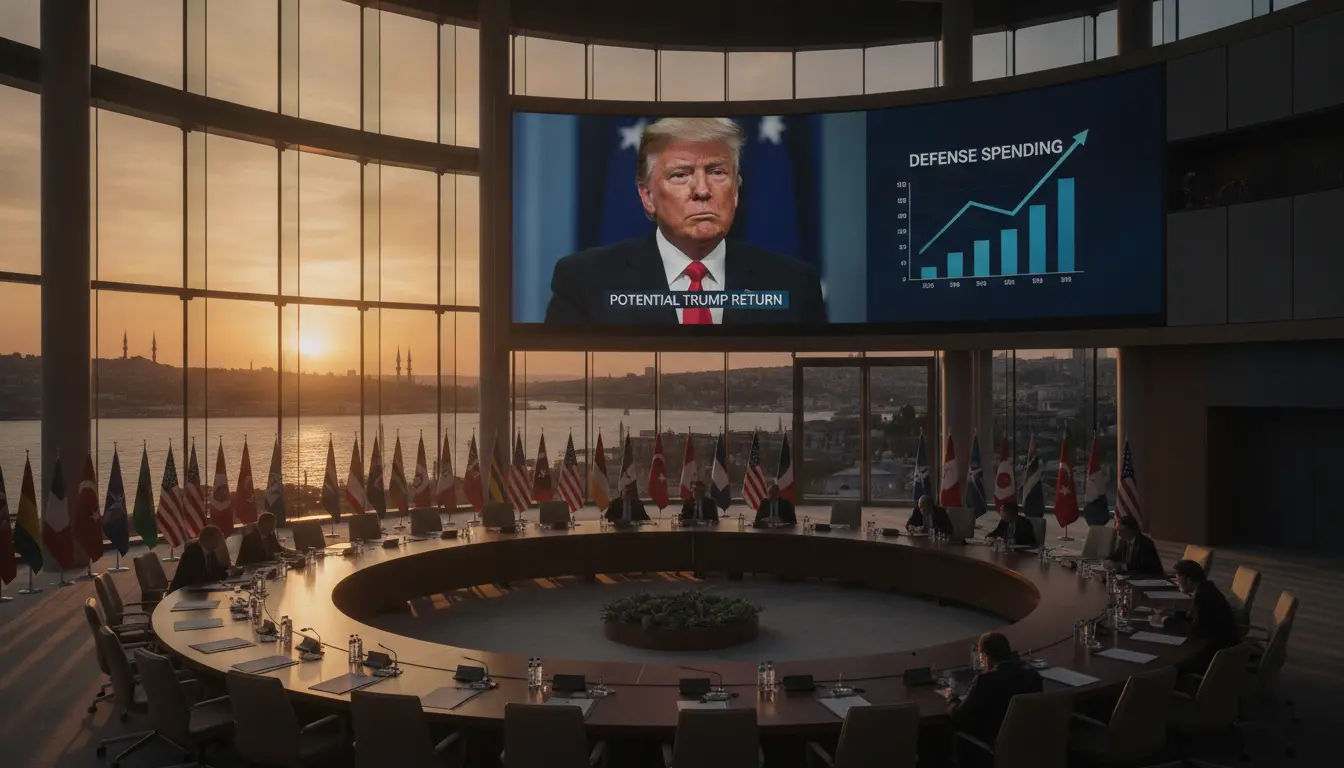
2026 NATO Summit in Turkey Prepares for Potential Trump Return Amid Defense Spending Pressure

Future of US-Iran Diplomacy Under Scrutiny Amid Reports of Potential High-Level Talks
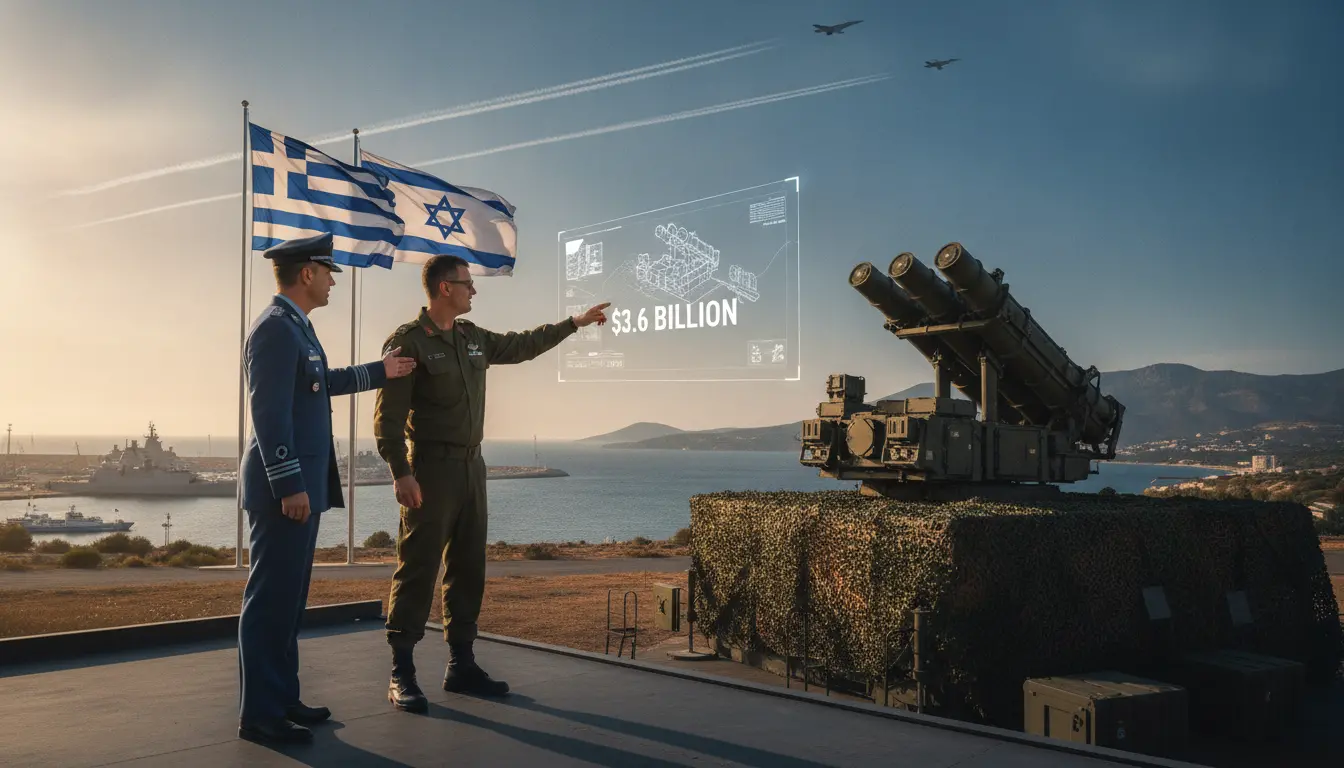
Greece Poised for Major $3.6 Billion Air Defense Acquisition from Israel Amid Regional Tensions
Trump's 'Massive Attack' Rhetoric on Iran Stokes Fears of Renewed Middle East Conflict

Netanyahu's Coalition Faces Significant Hurdles Ahead of Israel's 2026 General Election
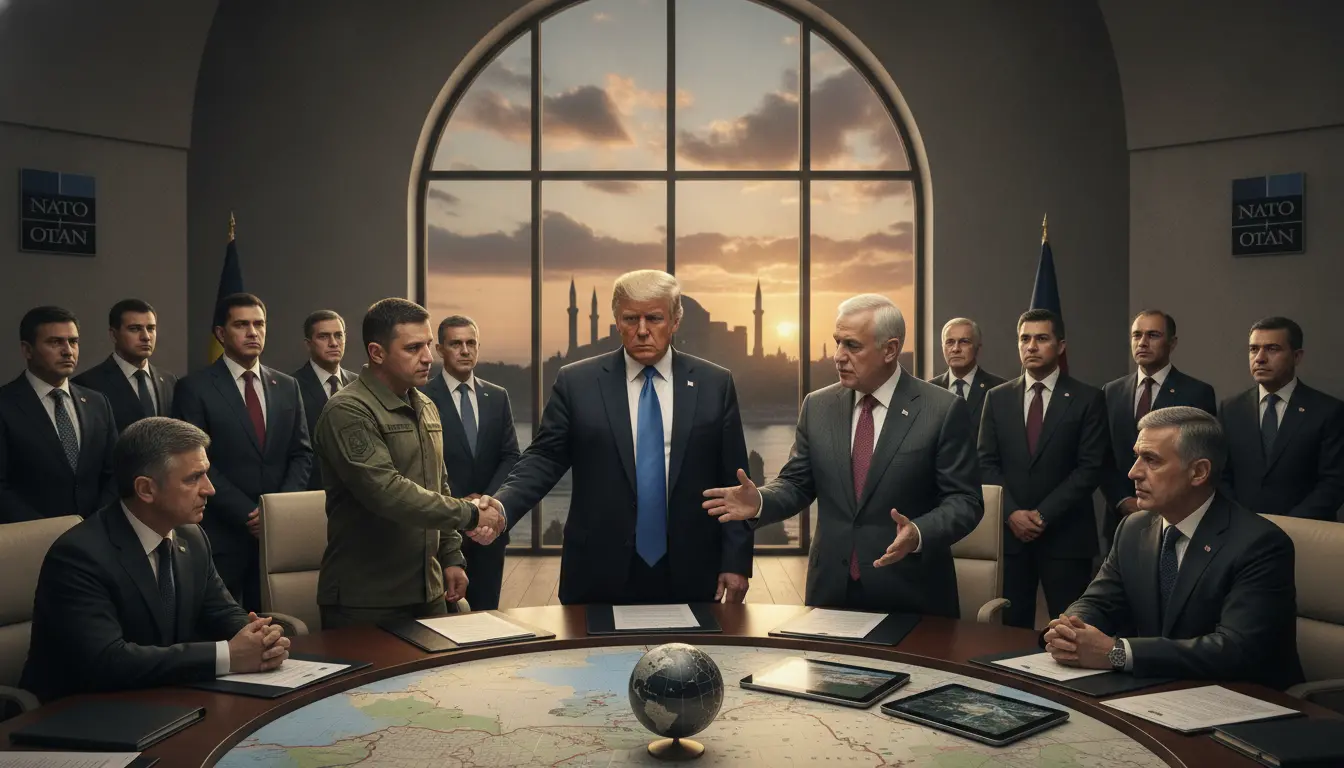
Trump's High-Stakes NATO Summit: Pivotal Meetings with Ukrainian and Syrian Leaders Could Reshape Global Conflicts

Trump's 'America First' Doctrine Casts Shadow Over NATO's Future Ahead of Ankara Summit

Israel Gears Up for Pivotal 2026 General Election Amid Deepening Political Cracks