

- News
- Politics
- US Army Secretary Dan Driscoll Reportedly Submits Resignation Amid Defense Department Tensions
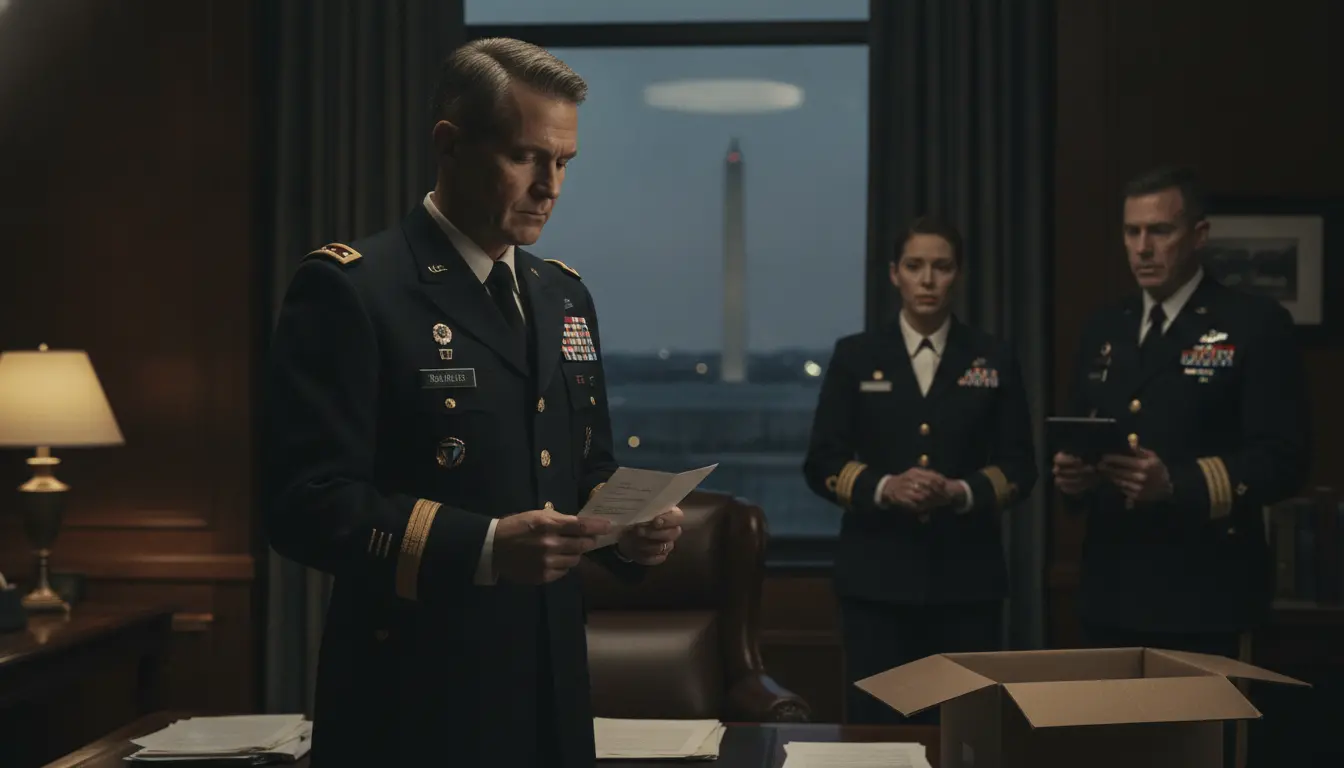
US Army Secretary Dan Driscoll Reportedly Submits Resignation Amid Defense Department Tensions
Reports circulating within Washington suggest that Army Secretary Dan Driscoll has submitted his resignation, sparking considerable unease and speculation across the Pentagon and Capitol Hill. The alleged departure comes amid persistent rumors of significant friction between Driscoll and Defense Secretary Pete Hegseth, pointing to potential policy disagreements at the highest echelons of military leadership. While no official confirmation has been released from the Department of Defense or the White House, the prospect of a senior civilian service secretary stepping down under such circumstances signals deep internal challenges for the Biden administration's defense apparatus.
Dan Driscoll has served as the civilian head of the U.S. Army, a critical role responsible for its overall administration, readiness, and modernization efforts. His tenure has been marked by efforts to adapt the Army to evolving global threats, including initiatives in technological integration, soldier welfare, and strategic deployment capabilities. Any resignation from such a pivotal post, especially one tied to reported disagreements with the Defense Secretary, could disrupt ongoing projects and raise questions about stability within the armed forces. The Army, being the largest branch of the U.S. military, requires consistent leadership to navigate complex budget cycles, recruitment challenges, and operational demands worldwide.
The alleged discord with Defense Secretary Pete Hegseth reportedly stems from fundamental differences in strategic priorities and budgetary allocations. Sources close to the Defense Department have whispered about tensions over the pace of modernization for the Army, particularly regarding next-generation weapon systems and artificial intelligence integration. There are also suggestions of disagreements on troop deployment strategies in key geopolitical hotspots and the balance between conventional deterrence and expeditionary operations. Hegseth, appointed to oversee the entirety of the U.S. military, is known for a robust approach to defense posture, and any perceived resistance or divergence from his vision could naturally lead to friction with service secretaries.
The implications of Driscoll's reported resignation extend beyond individual personalities. Such a high-profile departure could signal broader policy rifts within the administration's national security team, potentially affecting morale within the Army and creating uncertainty among allies. Congress, which exercises oversight over military affairs, would undoubtedly scrutinize the circumstances surrounding the exit, especially if it points to unaddressed issues in civil-military relations or strategic direction. A smooth transition of leadership is crucial for maintaining continuity in defense policy and ensuring the Army can effectively meet its global commitments.
Should the resignation be confirmed, the White House and the Department of Defense would face the immediate challenge of finding a suitable successor. The vetting process for such a critical position is rigorous, requiring extensive experience in national security, strong leadership credentials, and the ability to navigate complex political landscapes. A prolonged vacancy or a contentious confirmation process could further destabilize the Army's long-term planning and operational effectiveness. The incident underscores the delicate balance required in managing the civilian leadership of the armed forces, where robust debate must ultimately coalesce into unified policy and command.
For now, the defense community watches intently for an official statement, dissecting every report and rumor. The potential departure of Army Secretary Driscoll marks a significant moment, highlighting the intricate dynamics of power and policy within the Pentagon. It brings into sharp focus the pressures faced by top defense officials in aligning strategic visions and managing the immense resources and responsibilities entrusted to the U.S. military during a period of complex global challenges and shifting geopolitical landscapes. The overarching goal will remain ensuring the Army's continued strength and readiness, regardless of who is at its civilian helm.
Stay Informed. Act Smarter.
Get weekly highlights, major headlines, and expert insights — then put your knowledge to work in our live prediction markets.
Related News

Ukrainian President Zelenskyy Faces Opposition Amid Speculation Over Digital Transformation Minister Mykhailo Fedorov's Future
Succession Discussions Intensify for NATO's Top Post as 2026 Deadline Approaches
US-South Korea Alliance Tested as Debate Over Joint Military Drills Resurfaces
US Congressman Ro Khanna Reportedly Detained by Israeli Settlers in West Bank, Prompting Diplomatic Scrutiny
Todd Blanche Attorney General Nomination Faces Intense Senate Scrutiny Over Financial Dealings and Trump Ties
Biden Administration Navigates Calls for Broader Retaliatory Action Amid Iran Tensions

U.S. State Department Outlines Plans to Shutter Five Consulates by 2026
Global Diplomatic Scramble Intensifies for Next UN Secretary-General

US-Iran De-escalation Accord Faces Precarious Future Amid Renewed Hostilities and Strait of Hormuz Tensions

US-Iran De-escalation Memorandum Faces Collapse Amid Escalating Tensions and Regional Strikes