

- News
- Politics
- UK Political Circles Deliberate Andy Burnham's Future Leadership Prospects Amidst Snap Election Scenarios
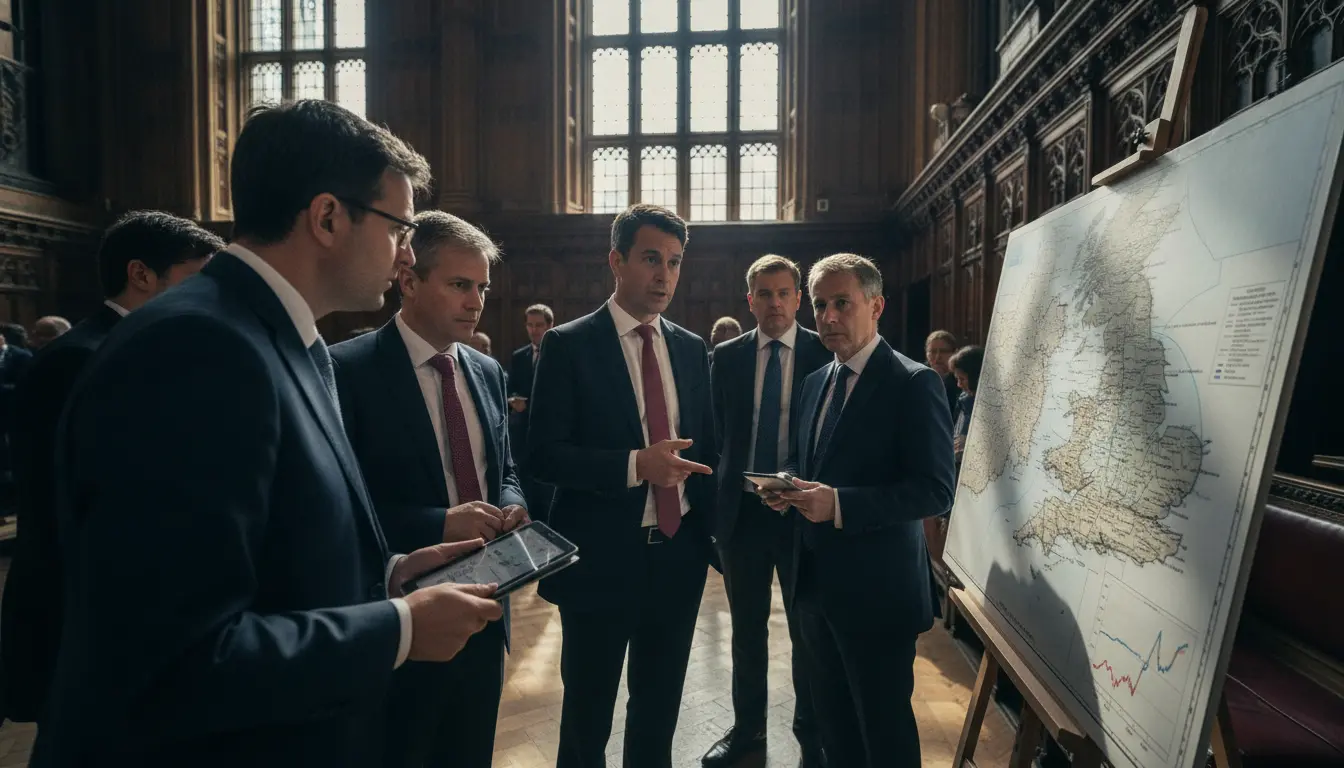
UK Political Circles Deliberate Andy Burnham's Future Leadership Prospects Amidst Snap Election Scenarios
In the ever-fluid landscape of British politics, discussions frequently pivot to hypothetical shifts in power and their potential ramifications. Among the figures consistently cited in these speculative exercises, Andy Burnham, the current Mayor of Greater Manchester, stands out. His enduring popularity and significant political profile make him a focal point in any debate concerning future Labour leadership, particularly as the party navigates a path towards potentially forming the next government. The discourse often extends to the strategic decisions a new Prime Minister, especially one arriving with a fresh mandate, might face, including the contentious but often tempting prospect of calling an early general election to solidify their position.
Burnham’s political career has been marked by a blend of national ministerial roles and a powerful regional mandate. A former Member of Parliament for Leigh, he held various cabinet positions under Gordon Brown, including Chief Secretary to the Treasury and Secretary of State for Health. His bids for the Labour Party leadership in both 2010 and 2015 showcased a broad appeal within the party ranks, even if ultimately unsuccessful. Since stepping onto the regional stage as Mayor of Greater Manchester in 2017, he has cultivated a strong public image, often seen as a champion for the North and a pragmatic voice capable of cutting through Westminster-centric politics. This unique blend of experience and grassroots credibility ensures his name continues to resonate whenever questions of national leadership emerge, positioning him as a perennial potential contender should circumstances shift within the Labour Party.
The concept of a snap election is a recurring feature of the British parliamentary system, offering a Prime Minister a powerful tool to reset the political agenda, secure a stronger mandate, or capitalise on favourable polling. Historically, leaders like Margaret Thatcher and Tony Blair successfully leveraged early elections to consolidate their power and deliver significant majorities. While the Fixed-term Parliaments Act, which aimed to curb this prime ministerial prerogative, was repealed in 2022, restoring the traditional power to call an election, the decision remains fraught with risk. A Prime Minister must weigh the potential gains of a strengthened mandate against the dangers of an adverse outcome that could destabilise their leadership or even force their resignation. The political calculation involves assessing national mood, economic conditions, and the strength of opposition parties.
The current political climate in the United Kingdom is characterised by significant economic pressures, ongoing geopolitical challenges, and a public mood that appears increasingly receptive to change. The Labour Party, under its current leadership, has seen a resurgence in opinion polls, placing it in a strong position for the next scheduled general election. However, the path to power is rarely straightforward, and internal party dynamics, shifting public allegiances, and unforeseen events can dramatically alter political fortunes. For a figure like Burnham, or indeed any incoming Prime Minister, the temptation to seize an opportune moment to seek a definitive mandate from the electorate would be considerable, especially if they perceived a window of public enthusiasm and a divided opposition.
Such a move would carry immense stakes, not only for the individual leader and their party but for the entire political direction of the nation. A Prime Minister calling a snap election would be aiming to secure stability for their legislative agenda, ensuring they have the parliamentary numbers to enact their policies without constant challenge. For the Labour Party, securing a substantial majority would provide the foundation needed to implement potentially transformative reforms across public services, the economy, and social policy. Conversely, a miscalculation could leave a newly installed government vulnerable, potentially ushering in a period of political instability and further electoral uncertainty. These are the complex strategic calculations that underpin the constant speculation surrounding future leadership and the timing of national polls.
The ongoing debate surrounding Andy Burnham’s role in future UK governments and the potential for an early general election underscores the dynamic nature of British politics. It reflects a nation grappling with its identity and future, where leadership transitions are not merely administrative changes but pivotal moments that can redefine the national trajectory. The interplay of individual ambition, party strategy, and public sentiment ensures that discussions about who might lead and when they might seek a renewed mandate will remain central to the political narrative.
Ultimately, while Andy Burnham's current focus remains on his mayoral duties, his significant political capital and continued resonance within the Labour Party ensure he remains a central figure in the wider conversations about the party's future and the strategic decisions a potential new Prime Minister might face. These ongoing discussions highlight the careful calibration required in British politics, where every leadership change, whether actual or hypothetical, is scrutinised for its potential to reshape the country's destiny.
Stay Informed. Act Smarter.
Get weekly highlights, major headlines, and expert insights — then put your knowledge to work in our live prediction markets.
Related News
Starmer weighing 'political realities', ally says, as PM considers future
Scrutiny Intensifies Over Keir Starmer's Long-Term Leadership of the UK Labour Party
UK Political Landscape Intensifies as Leadership Race Takes Shape Ahead of General Election

Conservative Party Begins Leadership Race After Decisive 2026 General Election Defeat
Governing a Fractured UK: The Political Minefield Awaiting a Starmer Premiership
UK Labour Party Poised for Leadership Transition as 2026 Ballot Deadline Approaches
Keir Starmer's Iron Grip on Labour Faces Test as Premiership Realities Loom
Labour's Leadership Contest Set to Anoint UK's Next Prime Minister

Starmer considers political future as pressure to quit mounts

Macron Government Navigates Instability Amid Persistent Early Election Speculation