

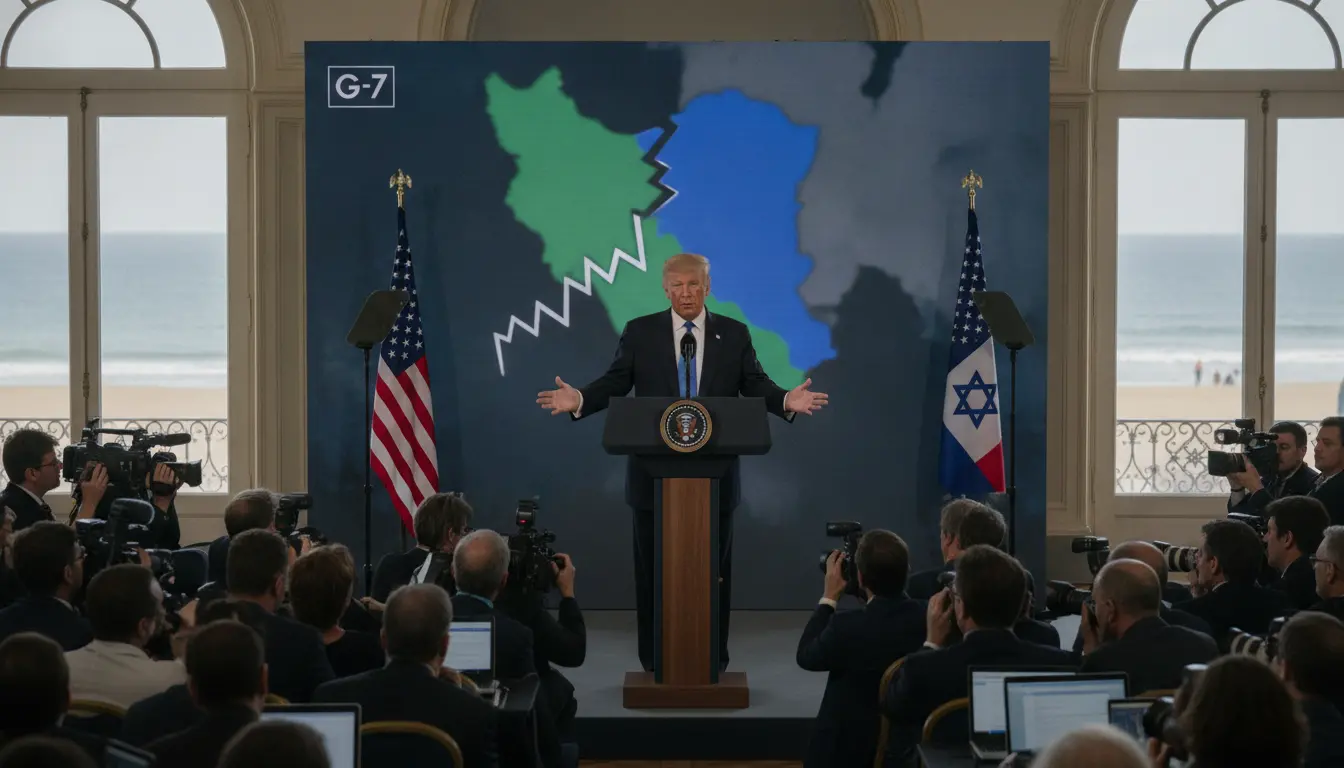
Trump defends his Iran deal, criticizes longtime ally Israel as G-7 ends
Against the opulent backdrop of the G-7 summit in Biarritz, France, then-President Donald Trump delivered a sprawling press conference that encapsulated his administration's unconventional approach to foreign policy. In a striking move, the president defended his engagement strategy concerning Iran and, perhaps more unexpectedly, leveled criticism at Israel, a nation long considered one of America's staunchest allies. His remarks signaled a complex and often contradictory diplomatic stance, leaving observers to parse the implications for Middle Eastern stability and global alliances.
The president's comments on Iran were particularly noteworthy, given his administration's earlier withdrawal from the Joint Comprehensive Plan of Action (JCPOA), commonly known as the Iran nuclear deal, in 2018. Following the pullout, Washington initiated a “maximum pressure” campaign, imposing stringent sanctions aimed at crippling Iran's economy and forcing it to renegotiate a more comprehensive agreement. However, at the G-7, Trump appeared to soften his posture, indicating a willingness to engage in direct talks with Tehran without preconditions, and even suggesting that the economic pressure might lay the groundwork for a new, potentially better, deal. This pivot sparked both confusion and cautious optimism among European allies, who had largely opposed the U.S. withdrawal from the JCPOA and had been striving to de-escalate tensions.
Simultaneously, Trump's criticism of Israel represented a marked deviation from his administration's typically staunch pro-Israel stance. Over his term, Trump had solidified his support for Israel through significant policy decisions, including moving the U.S. embassy to Jerusalem and recognizing Israeli sovereignty over the Golan Heights. The specific nature of his criticism at the G-7 was not fully detailed in the brief, but it suggested a potential frustration with Israel's perceived lack of cooperation or alignment with his administration's evolving strategy regarding Iran. Such public dissent from a close ally, especially one with deep historical and strategic ties to the U.S., underscored the president's readiness to challenge traditional diplomatic norms.
Beyond the specific dynamics of Iran and Israel, the G-7 press conference also touched upon broader economic issues. The president used the platform to tout the economic benefits stemming from what he described as a “ceasefire,” likely referring to a de-escalation in trade tensions, particularly with China or other major trading partners. He warned of potential force if this understanding failed, a typical tactic in his negotiation style, which often blended economic leverage with strategic threats. This blend of assertive diplomacy and transactional deal-making characterized his overall “America First” agenda, often unsettling traditional multilateral frameworks and challenging the established roles of global institutions.
Trump’s G-7 performance painted a picture of a presidency determined to redraw the contours of American foreign policy. His willingness to simultaneously engage adversaries and publicly question allies reflected a deeply transactional worldview, where alliances and antagonisms were fluid and contingent on perceived national interest. The immediate aftermath saw a flurry of diplomatic activity and speculation, as world leaders tried to discern the coherent strategy behind these seemingly disparate pronouncements. The complex interplay of defending a perceived 'deal' with Iran, criticizing a long-term ally like Israel, and leveraging economic 'ceasefires' ultimately highlighted a singular approach to global leadership, one that prioritized direct negotiation and the assertion of American power, often at the expense of traditional diplomatic consensus. The long-term ramifications of such a volatile and unpredictable foreign policy continue to be a subject of intense global scrutiny, particularly in regions as sensitive as the Middle East, where every presidential utterance carries significant weight and potential for real-world impact.
Stay Informed. Act Smarter.
Get weekly highlights, major headlines, and expert insights — then put your knowledge to work in our live prediction markets.
Related News
US-Iran Nuclear Diplomacy in Turmoil as Tehran Denies Trump's Claim of Inspection Deal
Trump threatens Iran on Lebanon amid nuclear talks
Trump's 'Massive Attack' Rhetoric on Iran Stokes Fears of Renewed Middle East Conflict
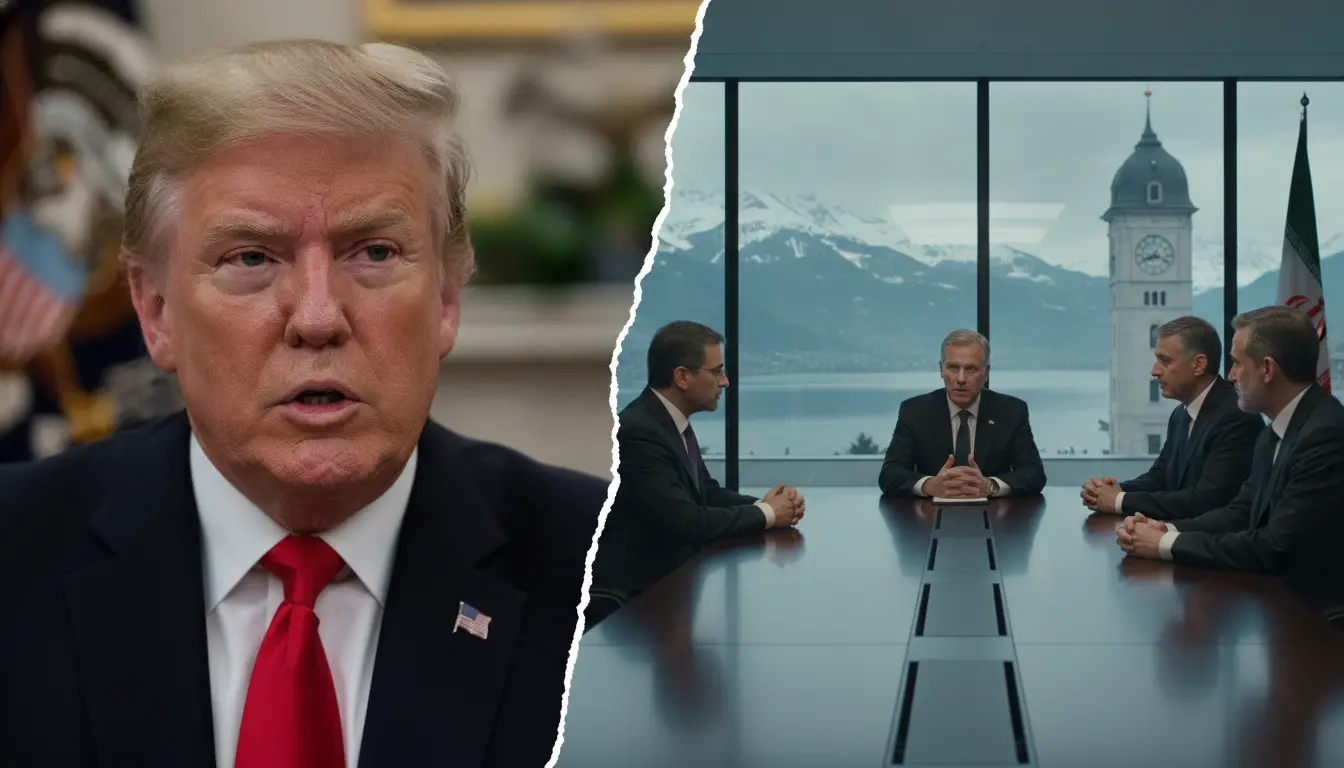
Trump threatens to 'hit Iran very hard again' while Vance is in Switzerland for talks

Future of US-Iran Diplomacy Under Scrutiny Amid Reports of Potential High-Level Talks
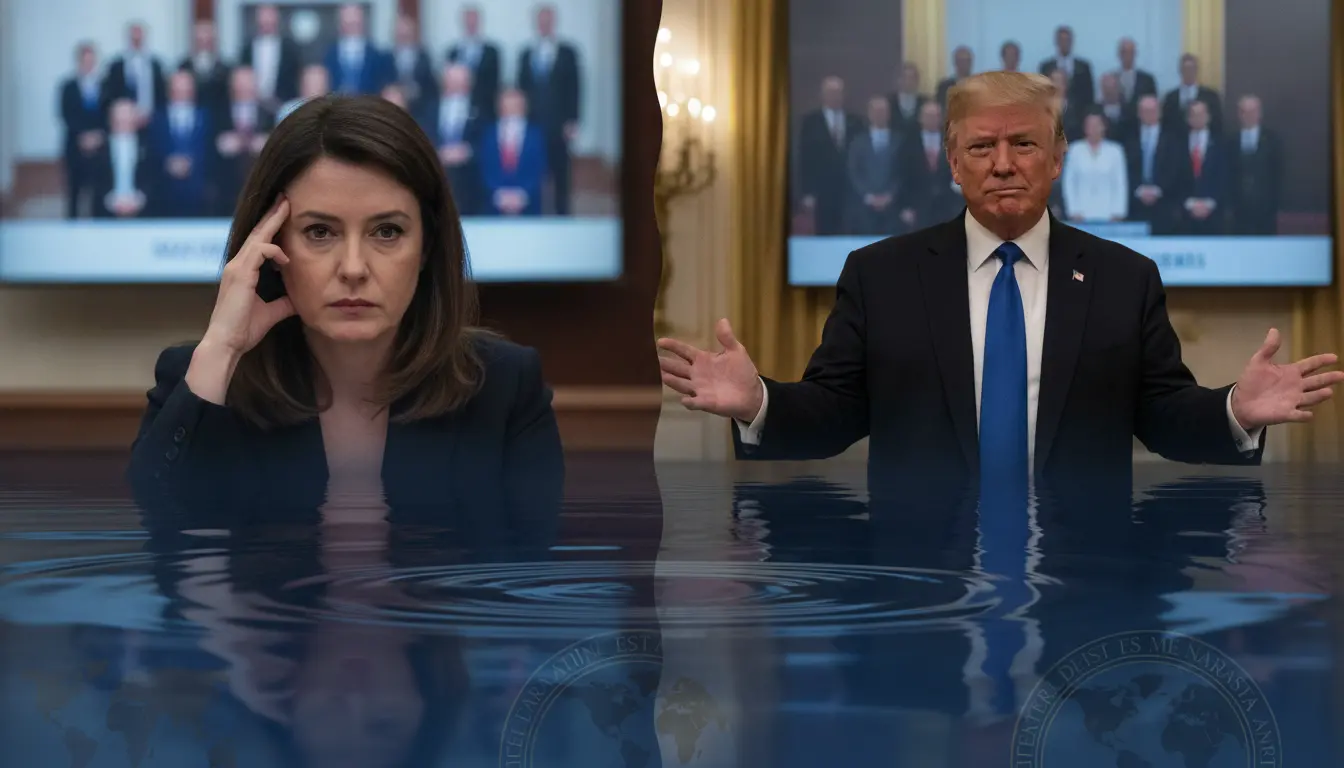
Meloni, Trump Accounts of G7 Photo Incident Remain Divergent Amid Diplomatic Ripples
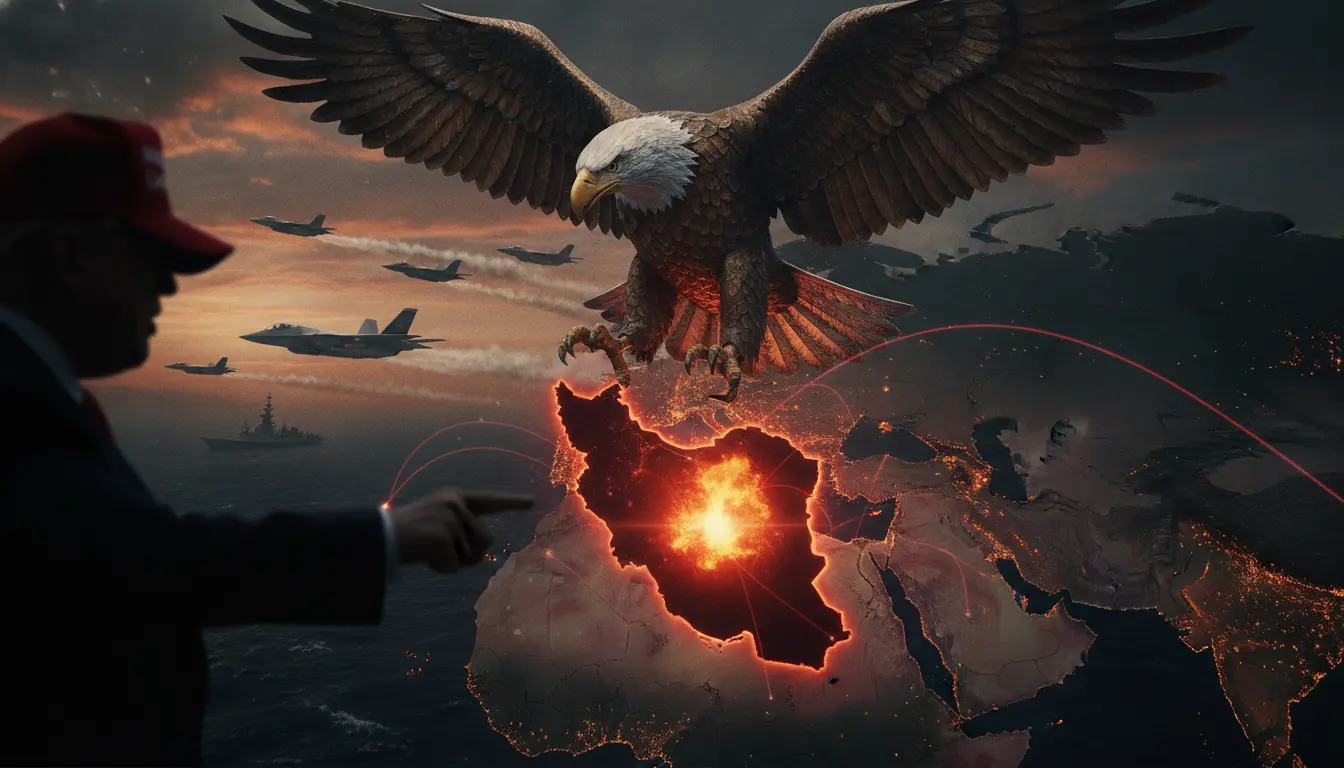
Former President Trump Threatens Renewed US Military Action Against Iran Amid Escalating Regional Tensions
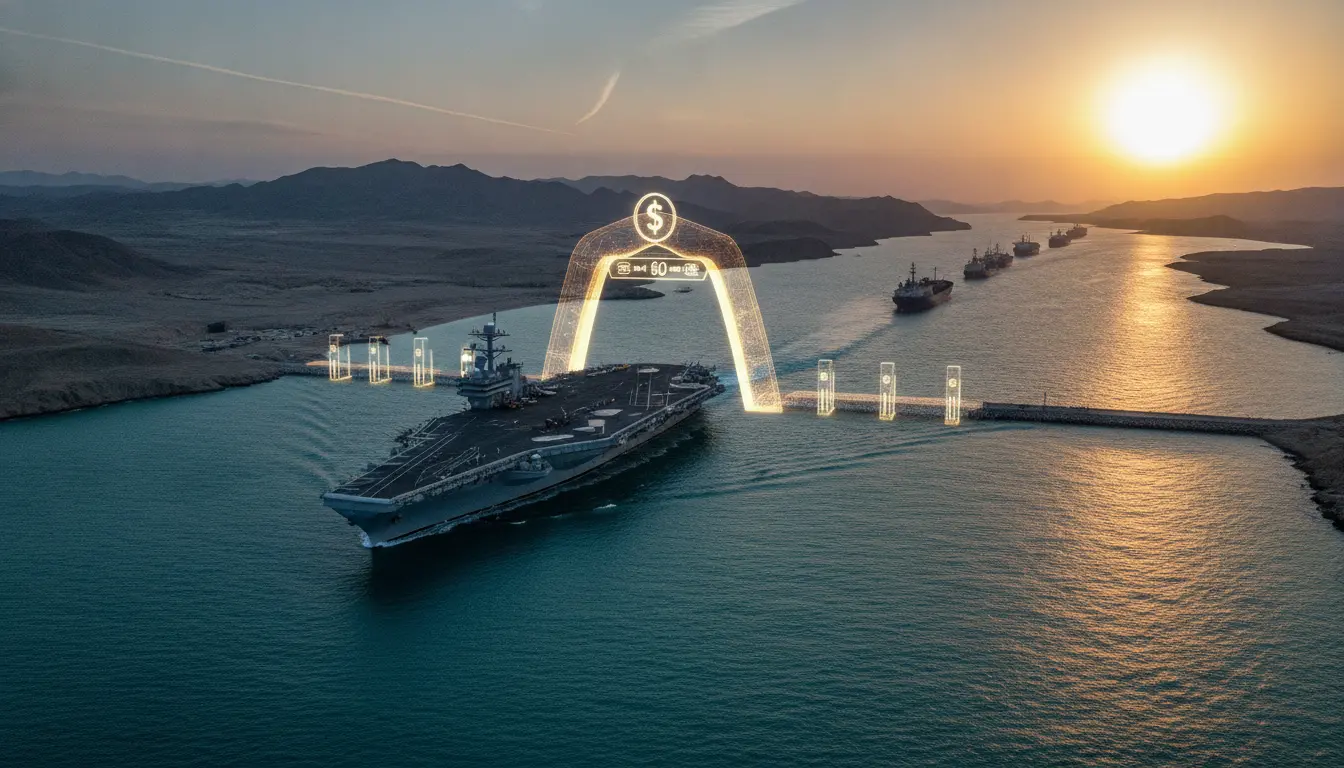
Trump says US will begin charging tolls in Strait of Hormuz if final Iran deal not reached in 60 days
Trump's High-Stakes NATO Summit: Pivotal Meetings with Ukrainian and Syrian Leaders Could Reshape Global Conflicts

US-Iran Tensions Escalate Amid Renewed Rhetoric, Raising Specter of Direct Confrontation