

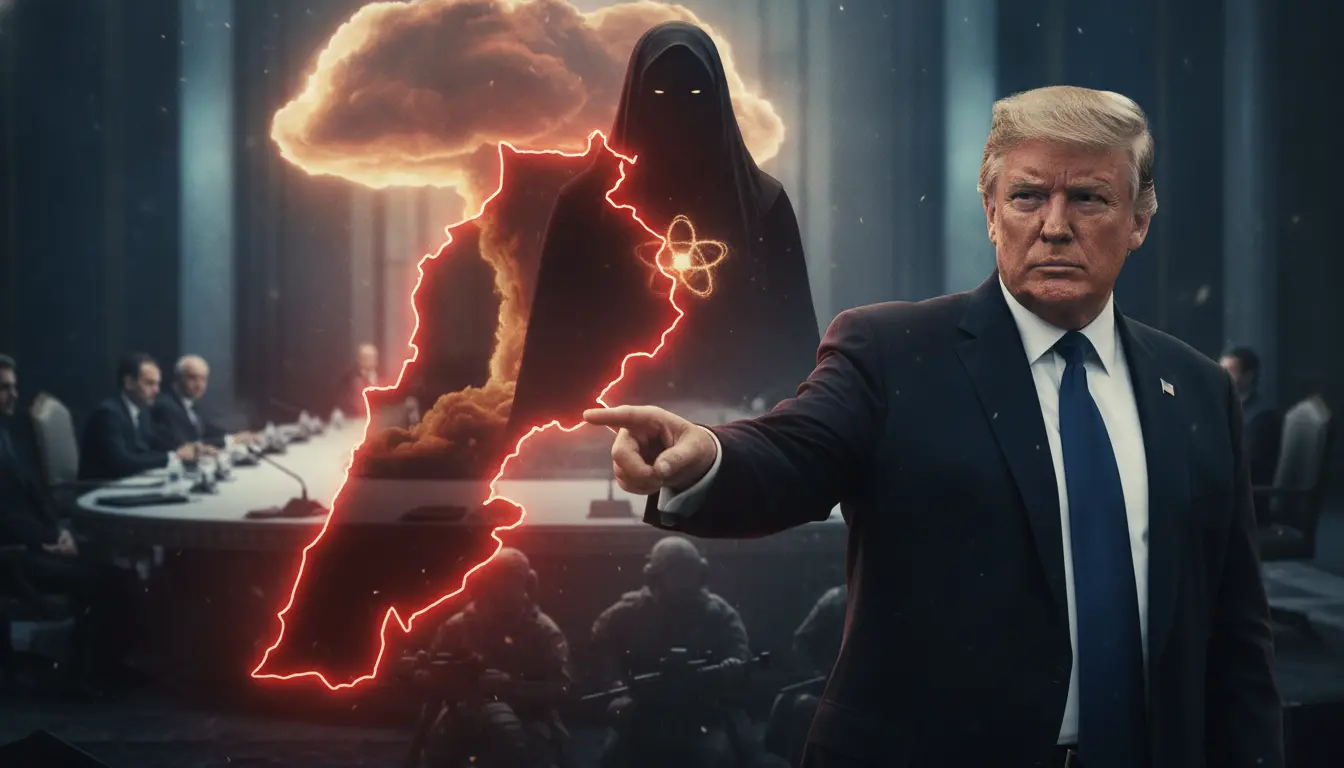
Trump threatens Iran on Lebanon amid nuclear talks
President Trump issued a stark and unequivocal warning to Iran on Sunday, cautioning Tehran against inciting unrest through its proxies in Lebanon, even as diplomatic efforts to address its nuclear program intensified. The admonition, delivered via Truth Social, underscored the precarious balance of coercion and negotiation that defines U.S. foreign policy toward the Islamic Republic. Trump’s message came shortly after Vice President Vance arrived in Switzerland to engage in critical nuclear discussions, signaling a complex and potentially volatile juncture in the long-standing standoff between Washington and Tehran.
“Iran must immediately stop their highly paid PROXIES in Lebanon from causing trouble,” Trump wrote, his statement reverberating across global capitals. He further escalated the threat, adding, “If they don’t, we’ll hit Iran very hard again, just like we did last week, only…” The ellipsis at the end of his post left the precise nature of future retaliation open to interpretation, yet the implication of a more severe response was unmistakable. This warning closely follows unspecified, recent U.S. actions against Iran, which were alluded to but not detailed in the President’s statement, creating an atmosphere of heightened tension and speculation regarding the scope and nature of previous engagements. The reference to “proxies” unmistakably points to Hezbollah, the powerful Shiite political party and militant group in Lebanon, which receives significant financial and military backing from Iran and has historically been a key instrument of Tehran’s regional influence and projection of power.
The timing of Trump’s assertive declaration is particularly noteworthy given Vice President Vance’s presence in Switzerland. Vance’s mission involves delicate, high-stakes talks aimed at de-escalating nuclear tensions and potentially charting a new course for international engagement with Iran’s atomic ambitions. These discussions occur in the shadow of the dismantled Joint Comprehensive Plan of Action (JCPOA), the multilateral nuclear agreement from which the Trump administration withdrew years prior. The U.S. withdrawal and subsequent re-imposition of crippling sanctions have plunged U.S.-Iran relations into a deep freeze, punctuated by periods of acute military escalation. Vance’s current diplomatic initiative seeks to explore pathways for limiting Iran’s nuclear program, which the U.S. and its allies contend has advanced significantly since the JCPOA’s collapse, raising proliferation concerns across the Middle East and beyond.
Iran’s network of proxy groups, extending from Lebanon to Iraq, Syria, and Yemen, remains a persistent flashpoint for regional instability. Hezbollah, a formidable non-state actor with a sophisticated military wing and a significant presence in Lebanese politics, plays a central role in Iran’s strategic doctrine. Its operations and influence have been a perpetual source of concern for the U.S. and its allies, particularly Israel, which views the group as a direct and existential threat on its northern border. Any perceived destabilizing actions by Hezbollah in Lebanon could be interpreted by Washington as a direct challenge from Tehran, potentially triggering the severe punitive measures warned by President Trump. This intricate web of alliances and antagonisms underscores the complex geopolitical landscape of the Levant and the broader Middle East, where local conflicts often serve as proxies for larger regional and international power struggles.
The implied threat of a more forceful military response against Iran, juxtaposed with ongoing diplomatic overtures, highlights the multi-faceted and often contradictory nature of American foreign policy. The administration appears to be employing a strategy of maximum pressure, combining economic sanctions and the credible threat of military force to compel Iran into concessions, even as it simultaneously engages in dialogue. However, such an approach carries inherent risks, particularly the potential for miscalculation or unintended escalation. Should Iran or its proxies respond to U.S. pressure in a manner deemed provocative, the cycle of retaliation could quickly spiral beyond diplomatic control, jeopardizing the fragile peace and the prospects of any future nuclear accord. The coming days will reveal whether this blend of brinkmanship and negotiation can steer the region away from further confrontation or instead exacerbate an already perilous situation, leaving the international community to ponder the efficacy and perils of such a high-stakes strategy.
Stay Informed. Act Smarter.
Get weekly highlights, major headlines, and expert insights — then put your knowledge to work in our live prediction markets.
Related News
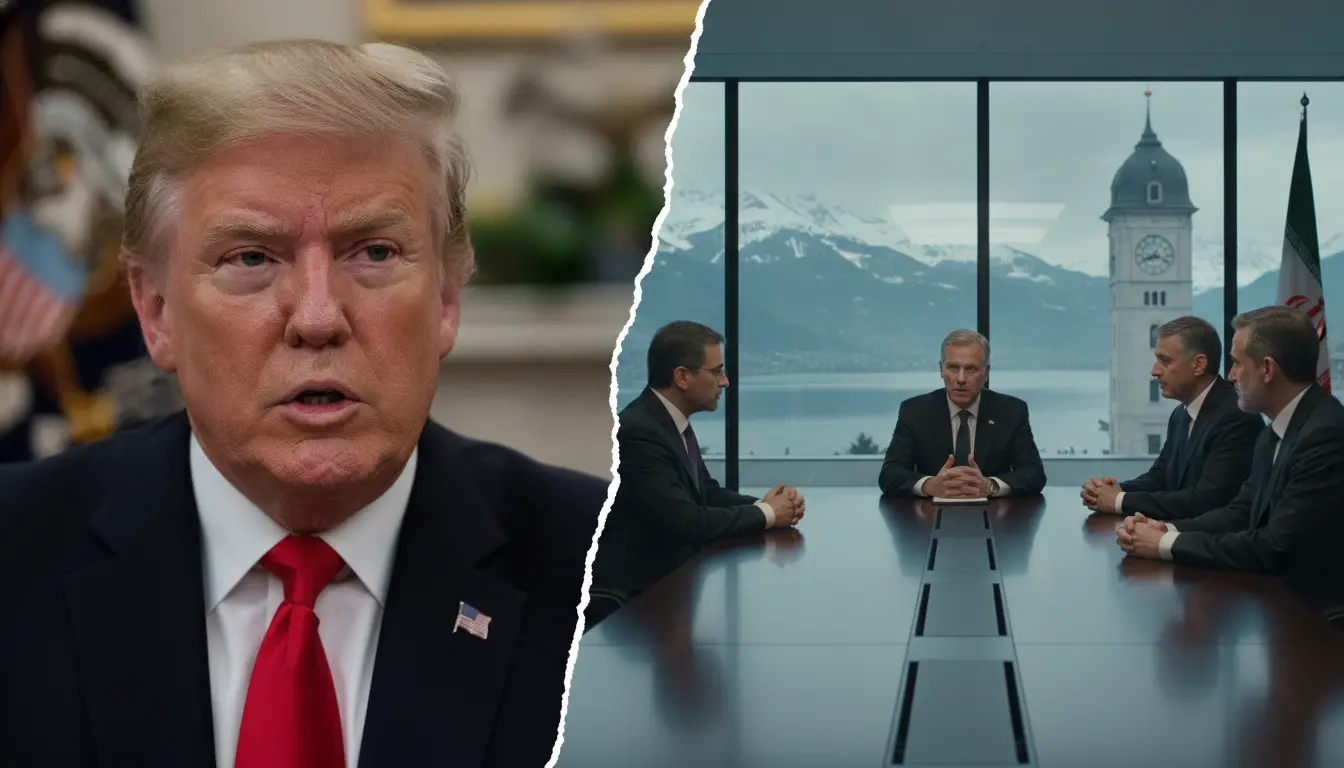
Trump threatens to 'hit Iran very hard again' while Vance is in Switzerland for talks
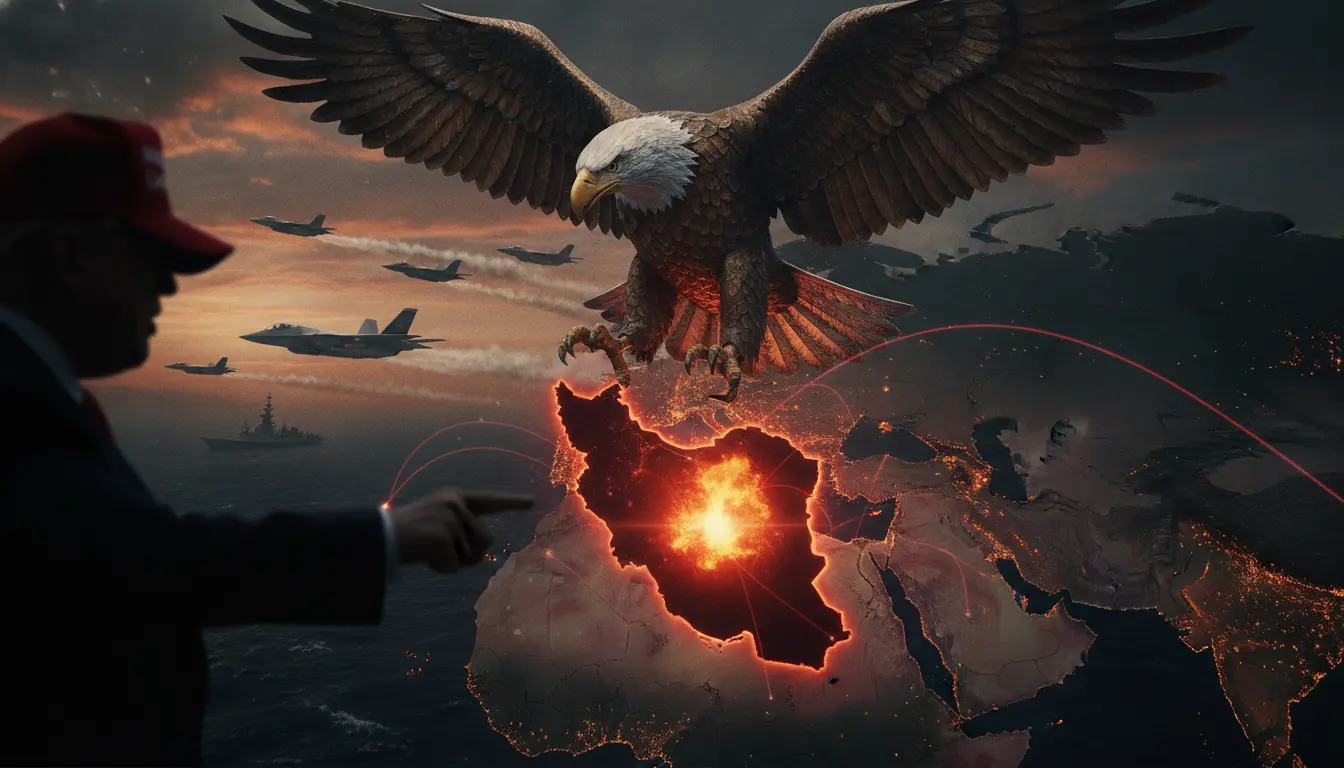
Former President Trump Threatens Renewed US Military Action Against Iran Amid Escalating Regional Tensions
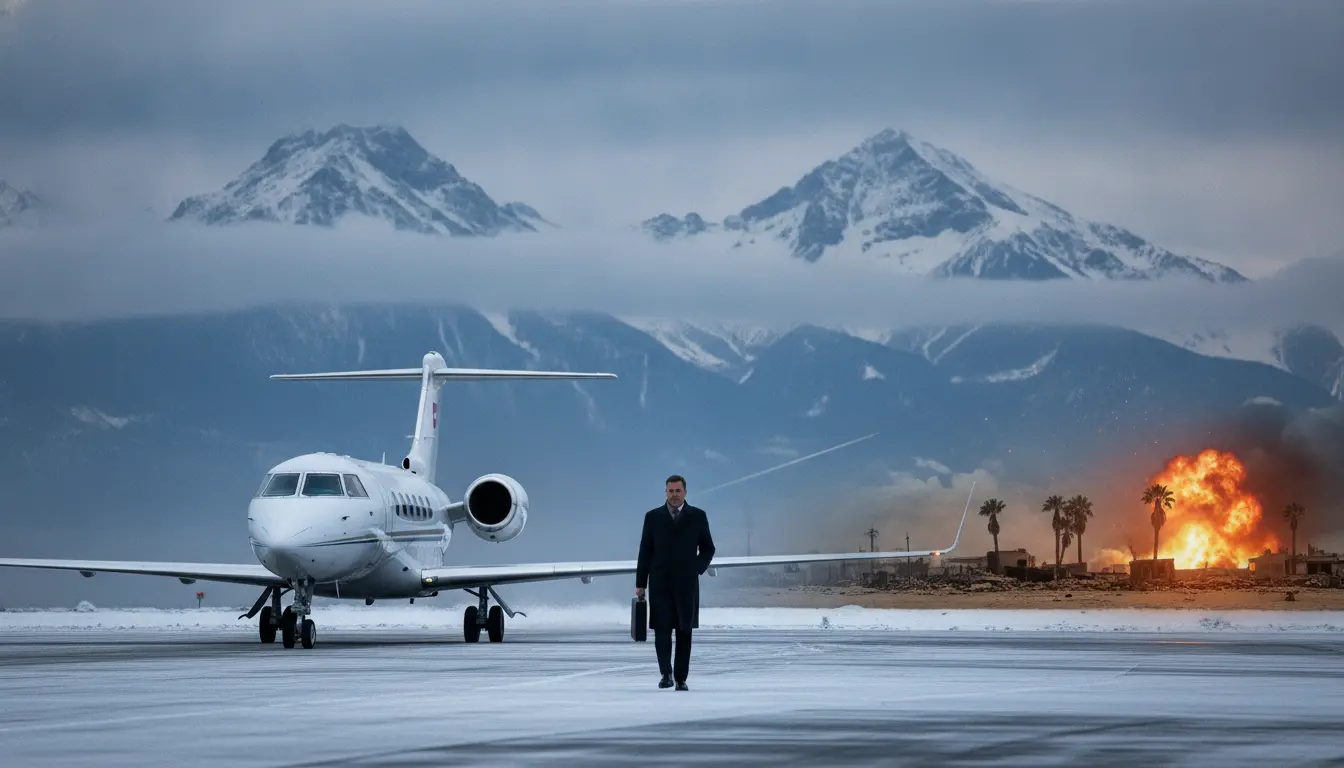
Iran war live: Vance heads to Switzerland; Israel kills 16 in Lebanon

US-Iran Tensions Escalate Amid Renewed Rhetoric, Raising Specter of Direct Confrontation
Trump's 'Massive Attack' Rhetoric on Iran Stokes Fears of Renewed Middle East Conflict

Oil Climbs After Fresh Trump Threat as US-Iran Peace Talks Begin
Vance arrives in Switzerland for US-Iran talks
Sunday shows preview: Iran’s Strait of Hormuz closure threatens Trump MOU ahead of planned Switzerland peace talks

Vance leaves for Switzerland with Strait of Hormuz status unclear
Former President Trump's Past Iran Rhetoric Signals Potential for Escalated Future Tensions