Brazil Imposes Entry Restrictions on Former Trump Officials Amid Diplomatic Strain
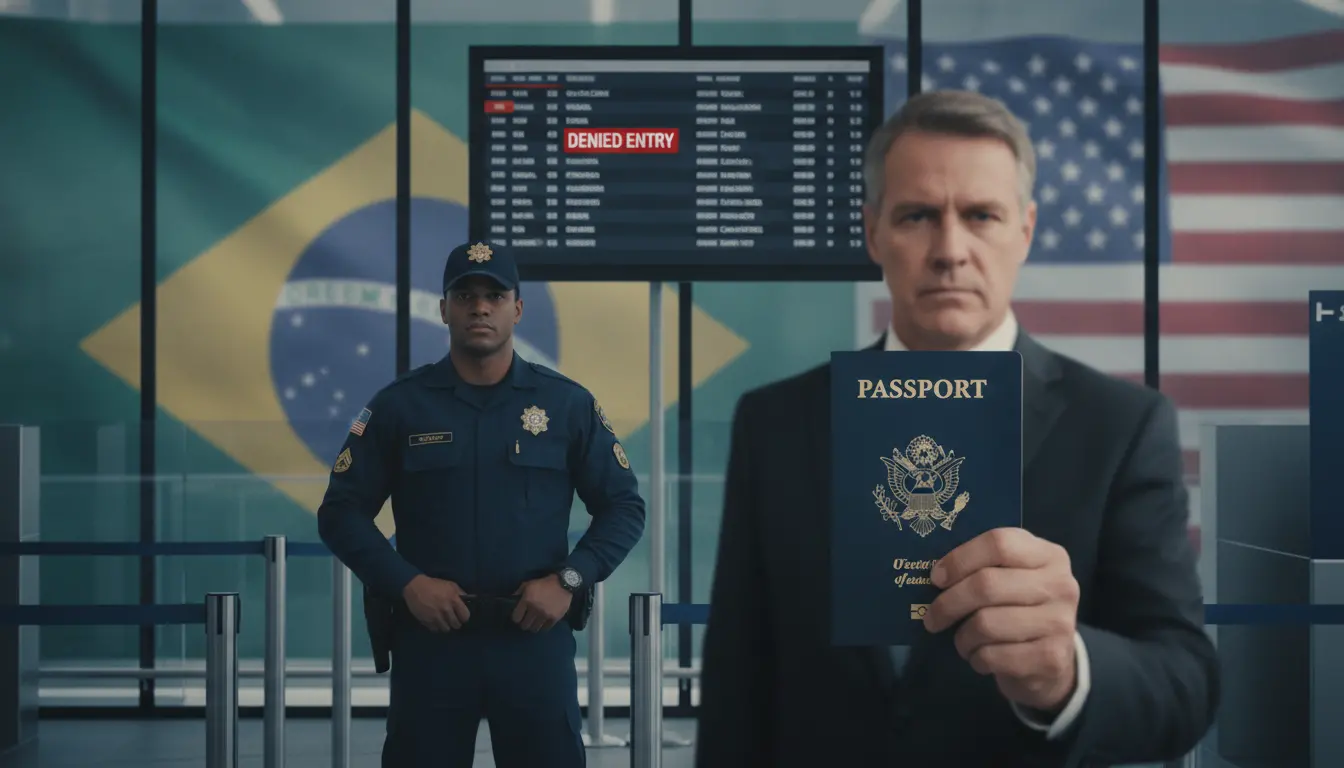
Brasília has moved to restrict the entry of certain senior officials associated with the former U.S. Trump administration, a decision signaling a heightened state of diplomatic tension between the two Western Hemisphere powers. The measures, which have already seen some individuals denied entry, are understood to reflect a broader strategic recalibration of Brazil's foreign policy under President Luiz Inácio Lula da Silva, particularly concerning figures perceived to have undermined democratic institutions or fostered political instability. This development casts a long shadow over bilateral relations, which experienced significant ideological shifts during the preceding presidencies of Donald Trump and Jair Bolsonaro.
The impetus behind Brazil's actions appears rooted in a complex interplay of political and diplomatic factors. While official statements have cited general “diplomatic tensions” or “threats to national security” without detailing specific allegations against individuals, observers point to the strong alignment between former Presidents Trump and Bolsonaro. Both leaders shared a populist, nationalist rhetoric and frequently expressed mutual admiration, fostering a period of close, albeit unconventional, bilateral ties. However, this alliance often bypassed traditional diplomatic channels and raised concerns among democratic institutions in both nations. With Lula's return to power in 2023, Brazil signaled a clear departure from Bolsonaro’s foreign policy, seeking to re-engage with multilateralism and strengthen alliances with left-leaning governments, while also prioritizing the protection of its democratic norms.
Key among the underlying concerns is Brazil's own experience with political unrest, particularly the January 8, 2023, attacks on government buildings in Brasília, which bore striking similarities to the January 6, 2021, assault on the U.S. Capitol. Brazilian authorities have since been meticulously investigating those events, viewing them as a grave threat to the country's democratic fabric. The perceived involvement or support of figures from the Trump administration in fostering a climate of political polarization or questioning electoral integrity – either in the U.S. or indirectly in Brazil – likely plays a role in Brasília's current stance. Bolsonaro himself spent a period in Florida following his electoral defeat, prompting questions about his interactions with Trump-aligned figures during that time.
Brazil’s Ministry of Foreign Affairs, under President Lula, has been steadily working to restore its international standing and reinforce democratic principles both domestically and abroad. The denial of entry to specific individuals is a potent tool in diplomatic statecraft, allowing a nation to signal disapproval or concern without resorting to broader sanctions or severing ties. Such actions are often based on a confluence of intelligence assessments, public statements made by individuals, and their perceived past or potential future conduct that might be deemed detrimental to the host country's interests or stability. The implications extend beyond individual travel, influencing how Brazil wants to be perceived on the global stage and its commitment to upholding democratic norms.
The timing of these restrictions is also significant, unfolding as the United States gears up for its own presidential election in November 2024, and Brazil looks towards its general election in October 2026. The potential return of Donald Trump to the U.S. presidency could significantly alter the diplomatic landscape, potentially re-aligning U.S.-Brazil relations towards a more ideologically sympathetic stance for some. However, Lula's government is clearly laying down markers, indicating that its commitment to democratic safeguards and its sovereign right to control its borders will remain paramount, irrespective of future political shifts in Washington. This long-term strategic posture suggests that Brazil is proactively managing its diplomatic environment to protect its perceived national interests and maintain its preferred international orientation.
What is at stake is not merely the travel plans of a few individuals, but the broader trajectory of U.S.-Brazil relations and the reinforcement of democratic governance in the region. Brazil's actions send a clear message about its sovereignty and its determination to prevent any perceived foreign interference or destabilizing influences from impacting its political processes. As both nations navigate their respective electoral cycles and global geopolitical shifts, the current diplomatic friction underscores a period of careful recalibration and assertive foreign policy from Brasília, aiming to solidify its position and protect its democratic institutions from perceived external pressures, particularly from figures associated with past administrations whose policies diverged sharply from Brazil's current leadership.
Stay Informed. Act Smarter.
Get weekly highlights, major headlines, and expert insights — then put your knowledge to work in our live prediction markets.
Related News

Will Anthropic face new formal US government sanctions or significant operating restrictions by December 31, 2026?
UK Government Seeks Parliamentary Approval to Designate Iran's IRGC as National Security Threat

Reports Indicate China Has Supplied Iran with Advanced Air Defense Systems, Raising Regional Tensions

DOJ Intensifies Antitrust Scrutiny on Big Tech, Pondering Breakup Lawsuits Against Amazon, Apple, Microsoft

Mifel Tennis Open 2026 Men's Singles Final Set for August 1 in Los Cabos