- News
- Politics
- UK Government Seeks Parliamentary Approval to Designate Iran's IRGC as National Security Threat
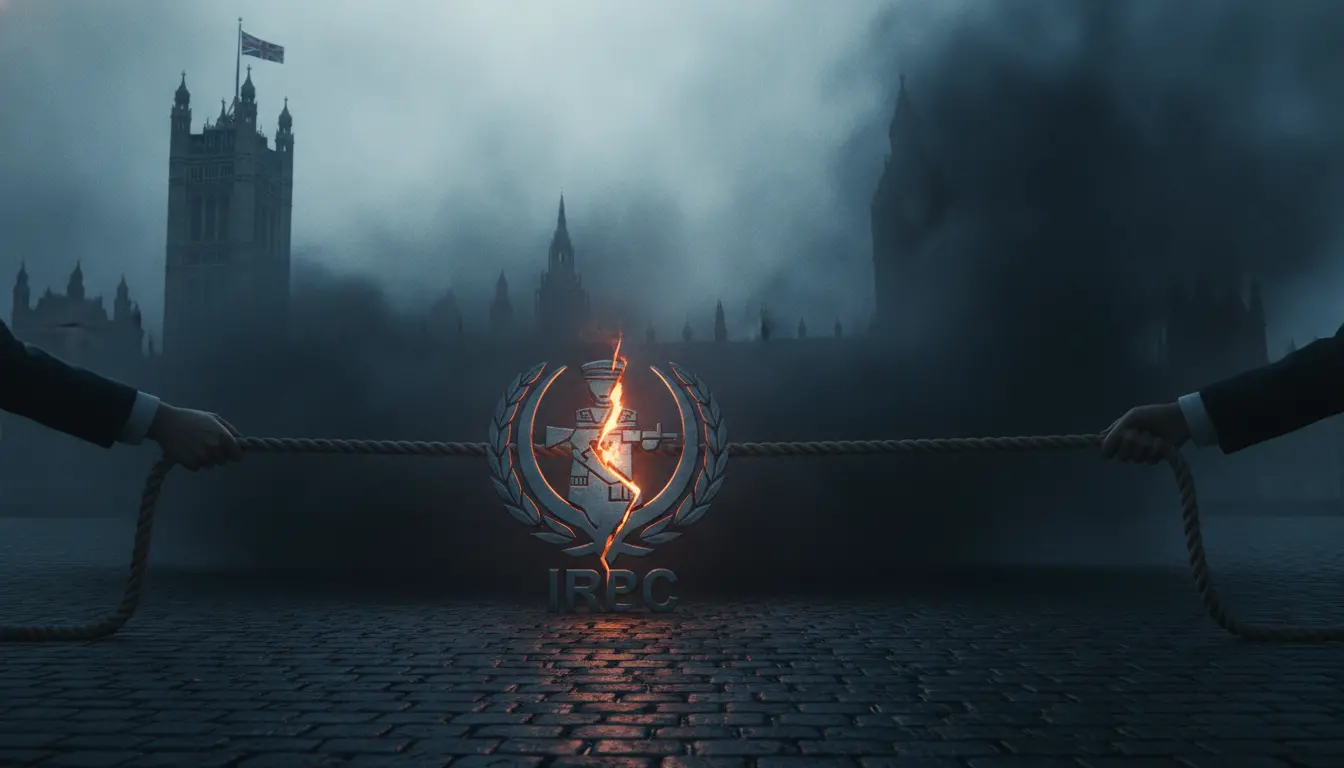
UK Government Seeks Parliamentary Approval to Designate Iran's IRGC as National Security Threat
The United Kingdom government has announced its intention to formally designate Iran's Islamic Revolutionary Guard Corps (IRGC) as a national security threat, a move that would fundamentally alter London’s posture towards Tehran and impose significant legal ramifications for any entity or individual found to be supporting the organization. This declaration, made public earlier this week, sets in motion a crucial parliamentary process under newly enacted legislation, signaling a hardening stance against a powerful and controversial foreign entity perceived as a significant destabilizing force.
For years, there have been growing calls within Westminster, from across the political spectrum, for a more robust approach to the IRGC. MPs, intelligence experts, and human rights advocates have consistently highlighted the IRGC's deep involvement in global terrorism, its systematic human rights abuses against the Iranian populace, and its active role in undermining regional stability through proxy forces. Unlike Iran's conventional military, the Artesh, the IRGC is a parallel force founded after the 1979 revolution, designed to protect the Islamic Republic's system and revolutionary ideals. Over the decades, it has evolved into a vast military, political, and economic empire, controlling vast swathes of Iran's economy and wielding immense influence far beyond its borders, from Lebanon and Syria to Yemen and Iraq.
The proposed designation, requiring parliamentary endorsement, would empower the government to outlaw support for the IRGC, making it a criminal offense to be a member, attend its meetings, or actively express backing for its objectives. Such a move would likely mirror similar proscriptions against terrorist organizations, triggering asset freezes, travel bans, and severe penalties for transgressors. The specific "new powers" referenced in the government's announcement are understood to derive from the National Security Act 2023, which significantly expanded the government's toolkit for countering state threats, espionage, and foreign interference. This legal framework provides a clearer pathway for the UK to confront hostile state actors and their proxies operating within or impacting British interests.
The implications of such a designation are far-reaching. Diplomatically, it represents a significant escalation in the UK's relationship with Iran, which is already strained by issues ranging from Tehran's nuclear program to its detention of dual nationals. While the United States proscribed the IRGC as a Foreign Terrorist Organization in 2019, European nations, including the UK, have historically hesitated to take a similar step, often citing concerns about escalating tensions and hindering diplomatic channels. This potential shift brings the UK more closely into alignment with Washington’s policy, signaling a more unified Western front against the IRGC’s activities. However, it also raises the prospect of retaliatory measures from Tehran, potentially affecting trade, embassy relations, and even the safety of British citizens abroad.
Domestically, the designation aims to curb the IRGC's perceived influence and intelligence-gathering operations within the UK. British intelligence agencies have repeatedly warned about Iranian state-backed threats on UK soil, including alleged plots to kidnap or assassinate individuals deemed enemies of the Iranian regime. By outlawing support for the IRGC, the government seeks to send a clear message that such activities will not be tolerated and that those who facilitate them will face severe legal consequences. It provides law enforcement with enhanced powers to disrupt networks and individuals linked to the organization.
The parliamentary debate and subsequent vote are anticipated to be keenly watched, as the government seeks to build consensus for this impactful foreign policy decision. While there is strong cross-party support for taking a firmer line on the IRGC, the precise legal and diplomatic ramifications will be thoroughly scrutinized. Should approval be granted, it would mark a pivotal moment in the UK’s national security strategy, underscoring a commitment to confronting what it views as a persistent and multifaceted threat emanating from the Iranian regime through its elite military force.
The move is expected to be a critical test of the UK's resolve in balancing its national security imperatives with the complexities of international diplomacy in an increasingly volatile global landscape. It underscores a growing international recognition of the IRGC's destabilizing role and the necessity for robust legislative and enforcement measures to counter its reach.
Stay Informed. Act Smarter.
Get weekly highlights, major headlines, and expert insights — then put your knowledge to work in our live prediction markets.
Related News

Reports Indicate China Has Supplied Iran with Advanced Air Defense Systems, Raising Regional Tensions

Brazil Imposes Entry Restrictions on Former Trump Officials Amid Diplomatic Strain

Will Anthropic face new formal US government sanctions or significant operating restrictions by December 31, 2026?

DOJ Intensifies Antitrust Scrutiny on Big Tech, Pondering Breakup Lawsuits Against Amazon, Apple, Microsoft

Mifel Tennis Open 2026 Men's Singles Final Set for August 1 in Los Cabos