- News
- Politics
- DOJ Intensifies Antitrust Scrutiny on Big Tech, Pondering Breakup Lawsuits Against Amazon, Apple, Microsoft
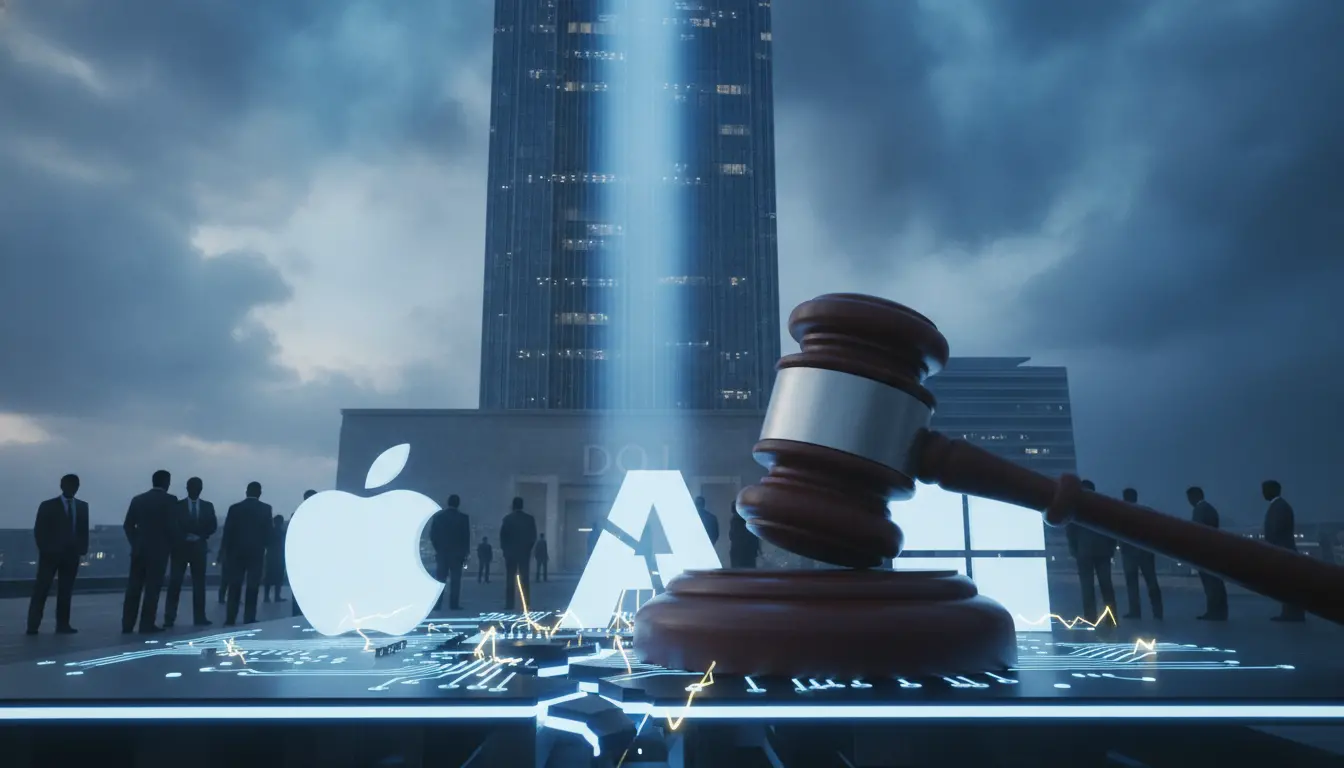
DOJ Intensifies Antitrust Scrutiny on Big Tech, Pondering Breakup Lawsuits Against Amazon, Apple, Microsoft
The United States Department of Justice (DOJ) is significantly escalating its antitrust enforcement efforts, placing several of the nation's largest technology companies under intense scrutiny. While the agency has already initiated landmark cases against Google and Meta, a notable shift in strategy suggests the possibility of future litigation seeking more drastic remedies, including the potential breakup of industry behemoths such as Amazon, Apple, or Microsoft. This aggressive stance reflects a growing consensus within government that previous regulatory approaches have been insufficient to curb the monopolistic practices and market dominance exhibited by these firms, which wield immense influence over digital commerce, communication, and innovation.
The current wave of antitrust activism by the DOJ and the Federal Trade Commission (FTC) marks a departure from decades of more lenient enforcement, often characterized by the consumer welfare standard that focused primarily on price effects. Regulators are now increasingly concerned with broader issues of market power, barriers to entry, anti-competitive self-preferencing, and the stifling of competition and innovation. The cases against Google, concerning its search and advertising practices, and Meta, over its acquisitions of Instagram and WhatsApp, underscore this renewed focus on structural issues. These ongoing battles serve as a preamble to potentially even more ambitious undertakings, signaling a readiness to challenge the very architecture of Big Tech's empires.
Amazon, Apple, and Microsoft represent the next frontier in this regulatory battle. Each company faces distinct but equally complex allegations regarding their market conduct. Amazon's sprawling e-commerce platform and cloud services (AWS) have drawn fire for alleged self-preferencing practices, where its private-label products may unfairly compete with third-party sellers on its marketplace. Apple’s App Store policies and ecosystem controls are under scrutiny for allegedly stifling competition and imposing exorbitant fees on developers, effectively maintaining a walled garden that dictates terms for a significant portion of the mobile economy. Microsoft, with its pervasive operating systems and cloud computing dominance, has long been a target of antitrust concerns, and its recent moves in AI and gaming have brought it back into the regulatory spotlight, with questions arising about its leveraging of market power across different segments.
The prospect of a government-mandated breakup, a remedy not seen in the tech sector since the AT&T divestiture in the 1980s or the Microsoft case settlement in the early 2000s, represents a significant escalation. Such a move would aim to fundamentally restructure these corporations, potentially separating key business units to foster competition. For instance, Amazon could be forced to spin off its marketplace from its retail operations, or Apple might be required to loosen its grip on the App Store. The implications for these companies, their shareholders, and the broader tech industry would be profound, potentially reshaping the competitive landscape for decades.
Legal experts and industry observers suggest that the DOJ's current leadership, backed by bipartisan concerns about Big Tech's unchecked power, is willing to pursue these cases vigorously, regardless of the significant legal hurdles and protracted litigation timelines involved. The agency understands that successfully challenging these multi-trillion-dollar entities will require robust evidence and a willingness to push the boundaries of existing antitrust law. The outcome of these potential future lawsuits will not only define the future of companies like Amazon, Apple, and Microsoft but also establish critical legal precedents for how digital markets are regulated in the 21st century, influencing global regulatory frameworks and the future of technological innovation.
Ultimately, the stakes are extraordinarily high. For consumers, the promise is increased choice, lower prices, and greater innovation; for smaller businesses and startups, it’s a fairer playing field. For the tech giants, however, it represents an existential threat to their current business models and market dominance. The ongoing discussions within the DOJ about pursuing these more aggressive actions signal a fundamental shift in the government's approach to corporate power, suggesting that the era of relatively unfettered growth for Big Tech may be drawing to a close as regulators consider the most impactful interventions in generations.
Stay Informed. Act Smarter.
Get weekly highlights, major headlines, and expert insights — then put your knowledge to work in our live prediction markets.
Related News

Will Anthropic face new formal US government sanctions or significant operating restrictions by December 31, 2026?

Meta Platforms Q2 2026 Advertising Revenue Under Scrutiny Amid Reality Labs Push

US Labor Market Projected to Cool Significantly as Job Openings May Dip Below 7.5 Million by Mid-2026

Brazil Imposes Entry Restrictions on Former Trump Officials Amid Diplomatic Strain

UK Government Seeks Parliamentary Approval to Designate Iran's IRGC as National Security Threat