

- News
- Finance
- Scrutiny Intensifies Over Elon Musk's Extensive CEO Responsibilities at Tesla, SpaceX, and X
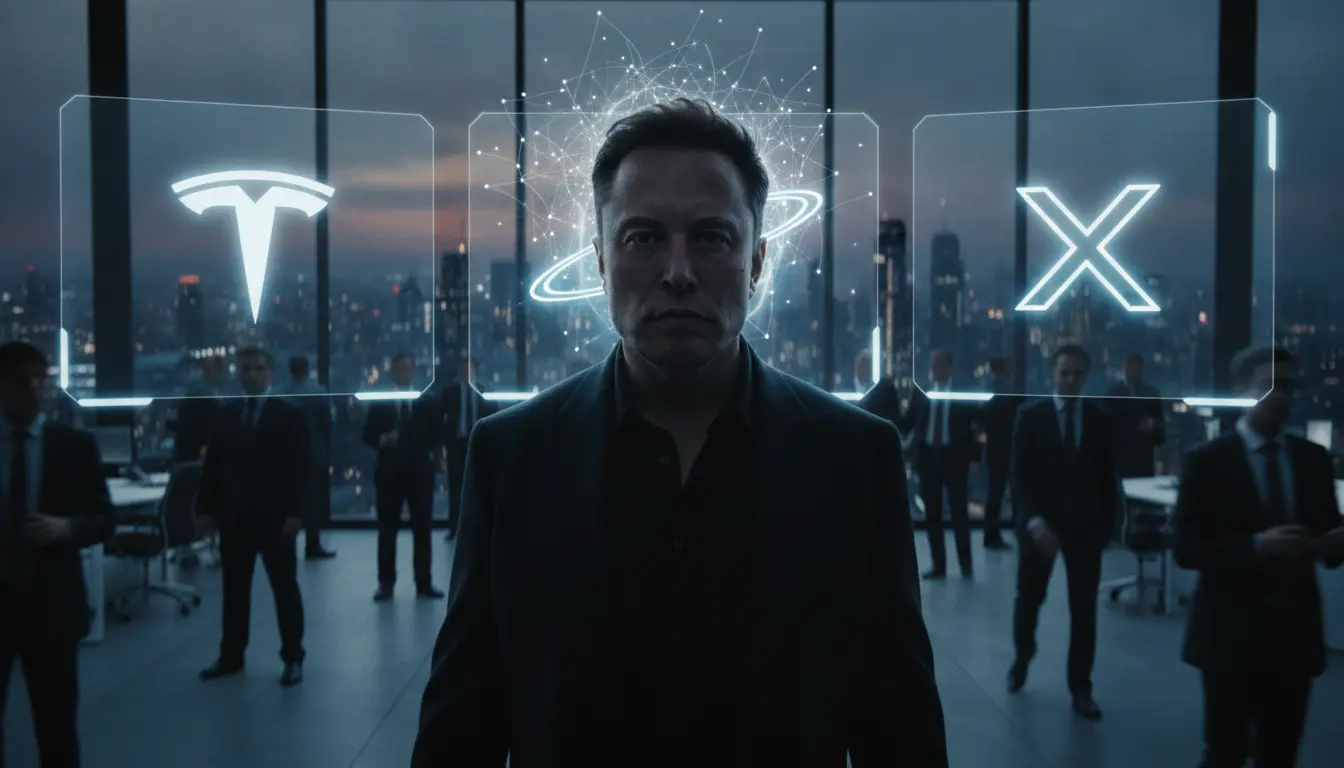
Scrutiny Intensifies Over Elon Musk's Extensive CEO Responsibilities at Tesla, SpaceX, and X
Elon Musk, the enigmatic and often controversial leader of multiple groundbreaking companies, continues to operate under an extraordinary spotlight as questions persist about the sustainability of his extensive leadership portfolio. Currently holding the chief executive reins at electric vehicle giant Tesla, aerospace pioneer SpaceX, and the social media platform X (formerly Twitter), Musk's multifaceted roles have drawn increasing scrutiny from investors, industry analysts, and the public alike. The sheer breadth of his commitments across these high-profile ventures, each demanding significant strategic vision and operational oversight, fuels ongoing speculation regarding the future structure of his corporate leadership by the close of 2026.
Musk’s unique approach to leadership, characterized by audacious goals and hands-on involvement, has undeniably propelled each company to unprecedented heights. Tesla revolutionized the automotive industry, SpaceX redefined space exploration with reusable rockets, and X remains a critical, albeit turbulent, global communication platform. However, this same intensity has also raised concerns about potential burnout, divided focus, and the concentration of power. Critics frequently point to the demanding nature of each role—navigating complex supply chains and regulatory hurdles at Tesla, pushing the boundaries of engineering and planetary colonization at SpaceX, and implementing rapid, often divisive, changes at X—as factors that could necessitate a redistribution of his executive duties.
The challenges faced by each company further amplify these discussions. Tesla, while dominant in EVs, grapples with increasing competition, production scalability, and the ambitious rollout of its full self-driving technology. SpaceX is in the midst of its most ambitious period, striving to perfect Starship for lunar and Martian missions while expanding Starlink’s global reach. X, acquired in a contentious deal, is undergoing a profound transformation, attempting to pivot from a traditional social media platform to an 'everything app' while contending with significant revenue pressures, content moderation dilemmas, and intense public debate over its direction. Each of these endeavors requires not just a visionary, but a dedicated operational leader capable of meticulous execution.
Historically, Musk has shown a willingness to delegate and empower strong lieutenants, as seen with Gwynne Shotwell's crucial role as President and COO at SpaceX. However, a full relinquishment of a CEO title, particularly from a company where his personal brand is so deeply intertwined with its identity and market valuation, would be a monumental shift. Investors in Tesla, for instance, often tie their confidence directly to Musk's presence at the helm, a factor that could complicate any succession planning or leadership transition.
Adding to the complexity are his other ventures, including Neuralink, focused on brain-computer interfaces, and xAI, his dedicated artificial intelligence company which aims to develop an AI to understand the true nature of the universe. These projects, while nascent compared to his larger holdings, nonetheless demand attention and resources, further stretching his bandwidth. The sheer number of groundbreaking, capital-intensive projects under his purview creates an unparalleled operational challenge for any single individual.
The discourse around Musk's executive roles is not merely academic; it has tangible implications for market stability, corporate governance, and the future trajectories of these influential companies. A strategic move to step down from one of his CEO positions could signal a maturing of his corporate empire, allowing for more focused leadership in remaining roles and potentially bolstering investor confidence through clearer succession pathways. Conversely, maintaining the status quo, while impressive in its ambition, could continue to fuel concerns over leadership bandwidth and long-term organizational stability. As 2026 approaches, the business world will be watching closely for any indicators of a potential restructuring of Elon Musk's formidable corporate responsibilities.
Ultimately, the question of whether Musk will pare back his CEO duties reflects a broader tension between the advantages of visionary, centralized leadership and the practical demands of managing multi-billion dollar enterprises in rapidly evolving sectors. The outcome will not only reshape the leadership landscape of some of the world's most innovative companies but also offer insights into the future of corporate governance in an era of hyper-accelerated technological change.
Stay Informed. Act Smarter.
Get weekly highlights, major headlines, and expert insights — then put your knowledge to work in our live prediction markets.
Related News

Tesla Sets Aggressive 2026 Target for Driverless Robotaxi Fleet Amid Regulatory and Technical Hurdles
Tesla's Dominant US EV Market Share Faces Erosion Amid Stiffening Competition
OpenAI's Ambitious AGI Quest Intensifies as Industry Eyes Potential Pre-2027 Breakthrough
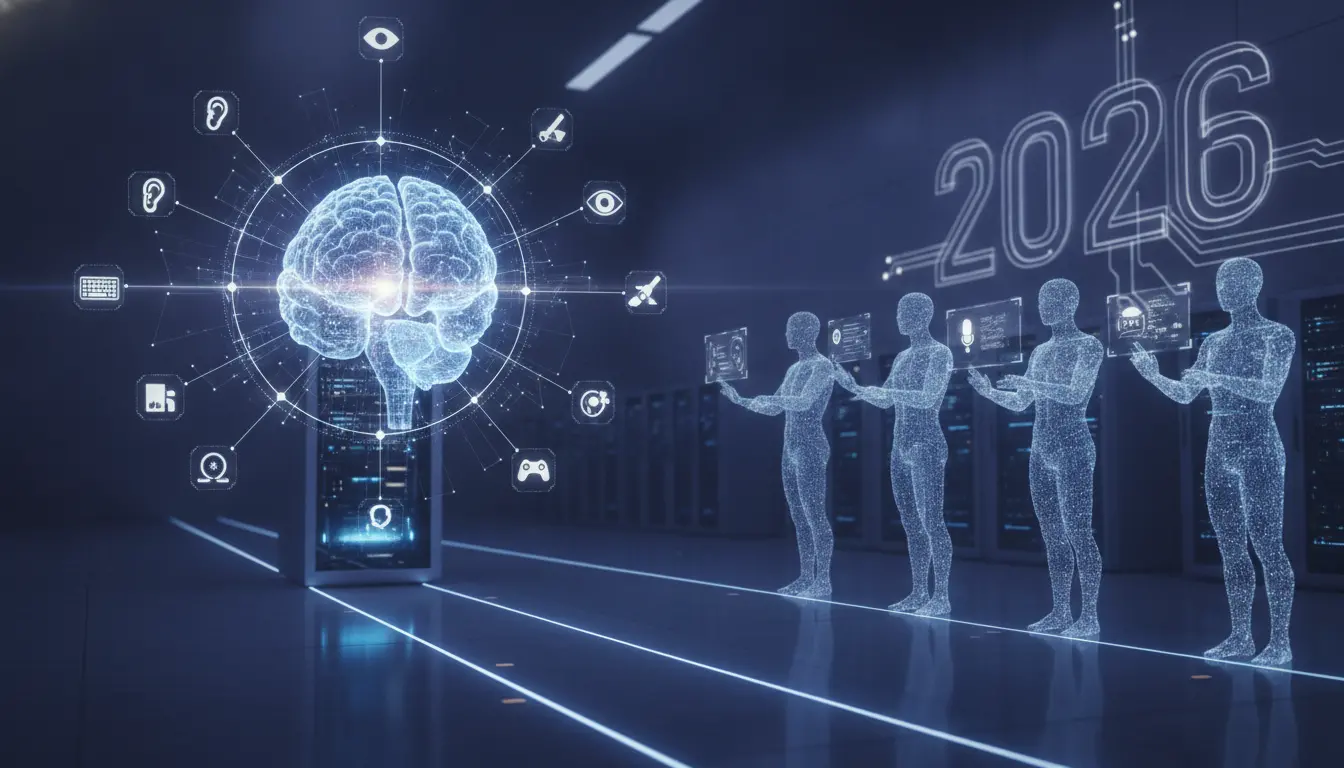
OpenAI Pushes for Human-Equivalent Multi-Modal AI Agents by 2026
Major AI Companies Intensify Race to Unveil Next-Generation Flagship Language Models
Major AI Companies Poised to Launch Advanced LLMs by End of 2026
Leading AI Firms Intensify Push for Flagship LLM Releases by 2026
AI Giants Intensify Race to Unveil Next-Generation Flagship Large Language Models by 2026
AI Race Accelerates as Tech Giants Push for Next-Generation Flagship Models
AI Giants Accelerate Race for Next-Generation Flagship Large Language Models