

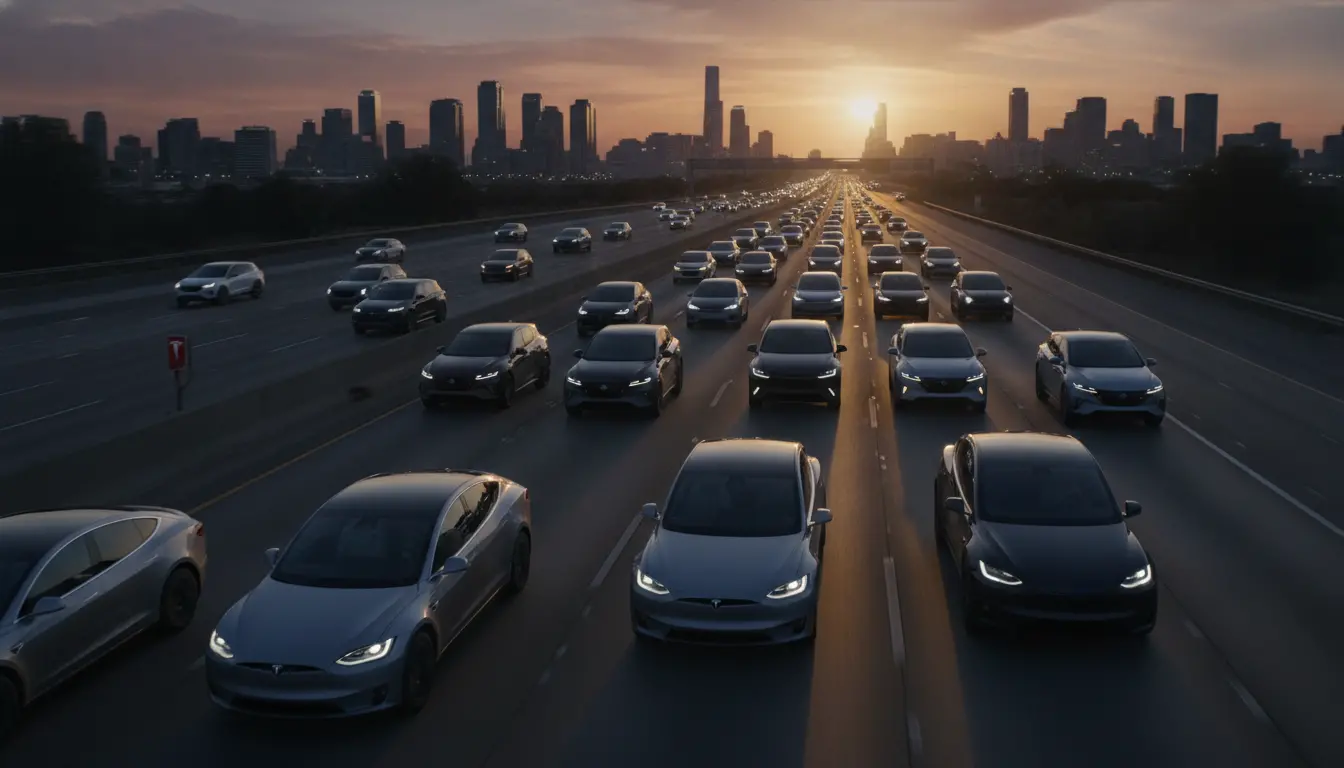
Tesla's Dominant US EV Market Share Faces Erosion Amid Stiffening Competition
Tesla, once the undisputed pioneer and market leader in the United States' electric vehicle landscape, is grappling with an increasingly competitive environment that threatens its long-held dominance. As 2026 approaches, the company faces significant headwinds from a growing roster of legacy automakers and ambitious startups, all vying for a larger slice of the accelerating EV market. This intensifying competition marks a pivotal moment for Tesla, potentially reshaping its strategic direction and future growth trajectory.
For years, Tesla enjoyed a near-monopoly, leveraging its innovative technology, distinct branding, and superior charging infrastructure to capture an overwhelming majority of US EV sales. Its early entry into the market, coupled with a relentless focus on battery technology and software, allowed it to establish a significant lead while traditional manufacturers were still cautiously dipping their toes into electrification. This first-mover advantage not only built a loyal customer base but also afforded Tesla considerable pricing power and a distinct brand identity synonymous with electric mobility.
However, the landscape has fundamentally shifted. Major automakers like Ford, General Motors, Hyundai, and Kia have aggressively ramped up their EV offerings, introducing a diverse range of models from trucks and SUVs to sedans, often at more competitive price points and with features appealing to a broader consumer base. Ford's F-150 Lightning, for instance, directly challenges Tesla's Cybertruck aspirations, while GM's Ultium platform underpins a variety of forthcoming vehicles designed to scale production rapidly. These established players bring decades of manufacturing expertise, expansive dealer networks, and deep marketing budgets, enabling them to reach customers that Tesla, with its direct-to-consumer model, has traditionally found harder to penetrate.
Beyond the legacy giants, a new wave of EV startups such as Rivian and Lucid are carving out niches in the premium and adventure segments, further fragmenting the market. While their volumes are currently smaller, their innovative designs and performance capabilities put additional pressure on Tesla's product lineup, which, aside from incremental updates, has remained largely consistent for several years. The lack of a refresh for key models like the Model 3 and Model Y, combined with perceived quality control issues and fluctuating pricing strategies, could make Tesla's offerings less compelling against newer, feature-rich alternatives.
Compounding these challenges is the evolving charging infrastructure. While Tesla's Supercharger network remains a significant asset, its decision to open the network to other manufacturers using the North American Charging Standard (NACS) is a double-edged sword. While it expands revenue opportunities for Tesla, it also diminishes one of its key competitive differentiators, leveling the playing field for rivals. Furthermore, federal and state incentives for EV purchases often favor vehicles from manufacturers with broader US production footprints or those targeting specific consumer demographics, further influencing purchasing decisions.
Tesla's response to this heightened competition will be crucial. The company is investing heavily in artificial intelligence, autonomous driving capabilities, and potentially more affordable future models, such as a rumored "Model 2." However, executing these ambitious plans while defending its core market share will require astute strategic decisions and flawless operational execution. The coming years will reveal whether Tesla can adapt its strategy to maintain its leadership position or if the burgeoning competition will inevitably lead to a more diversified and contested US EV market, with Tesla as a prominent player, but perhaps no longer the overwhelming dominant force.
Ultimately, the stakes are high. Maintaining a leading market share in the critical US market is not just about sales volume; it's a proxy for brand strength, technological leadership, and investor confidence. As the global automotive industry continues its rapid transition to electric powertrains, Tesla's ability to navigate this competitive inflection point will define its enduring legacy and financial performance in the long term.
Stay Informed. Act Smarter.
Get weekly highlights, major headlines, and expert insights — then put your knowledge to work in our live prediction markets.
Related News
Tesla Sets Aggressive 2026 Target for Driverless Robotaxi Fleet Amid Regulatory and Technical Hurdles
Scrutiny Intensifies Over Elon Musk's Extensive CEO Responsibilities at Tesla, SpaceX, and X
Race for Level 5 Autonomy Intensifies as Waymo, Cruise, and Tesla Navigate Technological and Regulatory Roadblocks
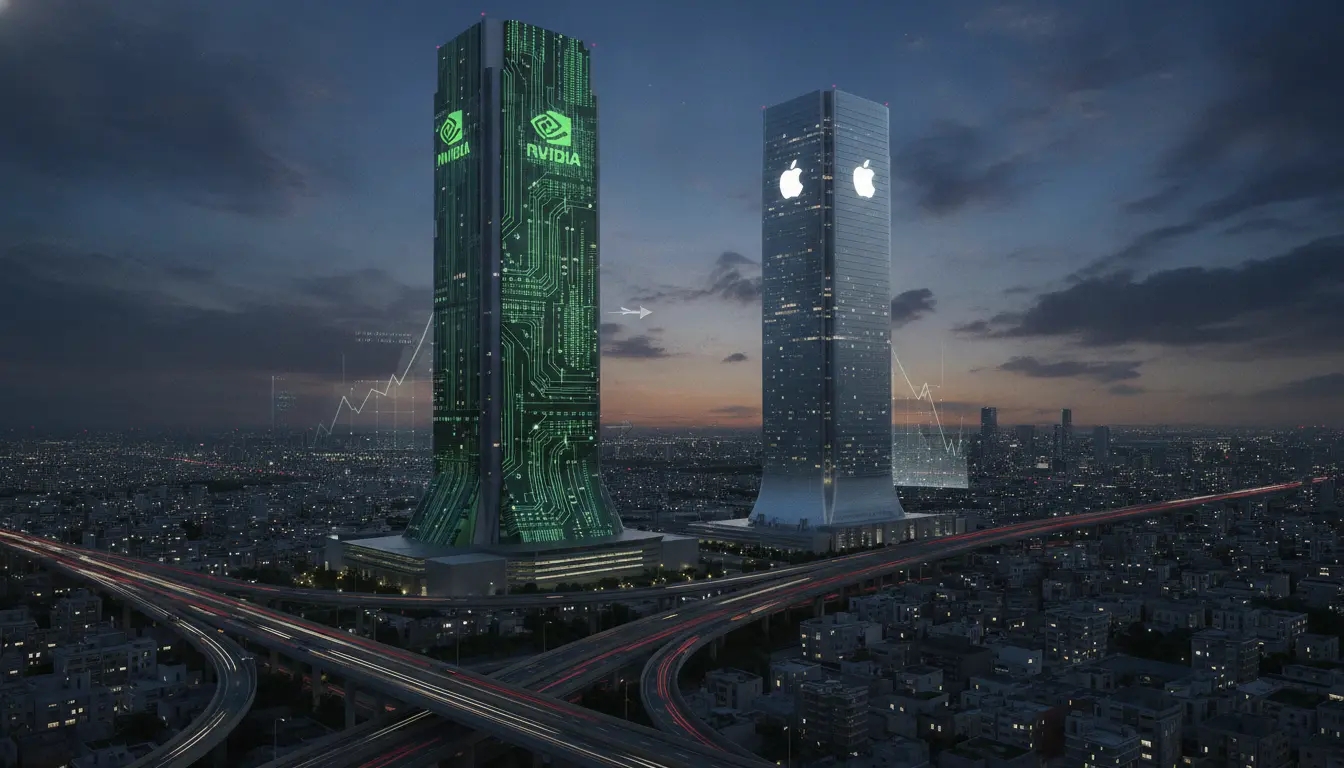
Nvidia's Soaring Valuation Poses Sustained Threat to Apple's Market Cap Dominance
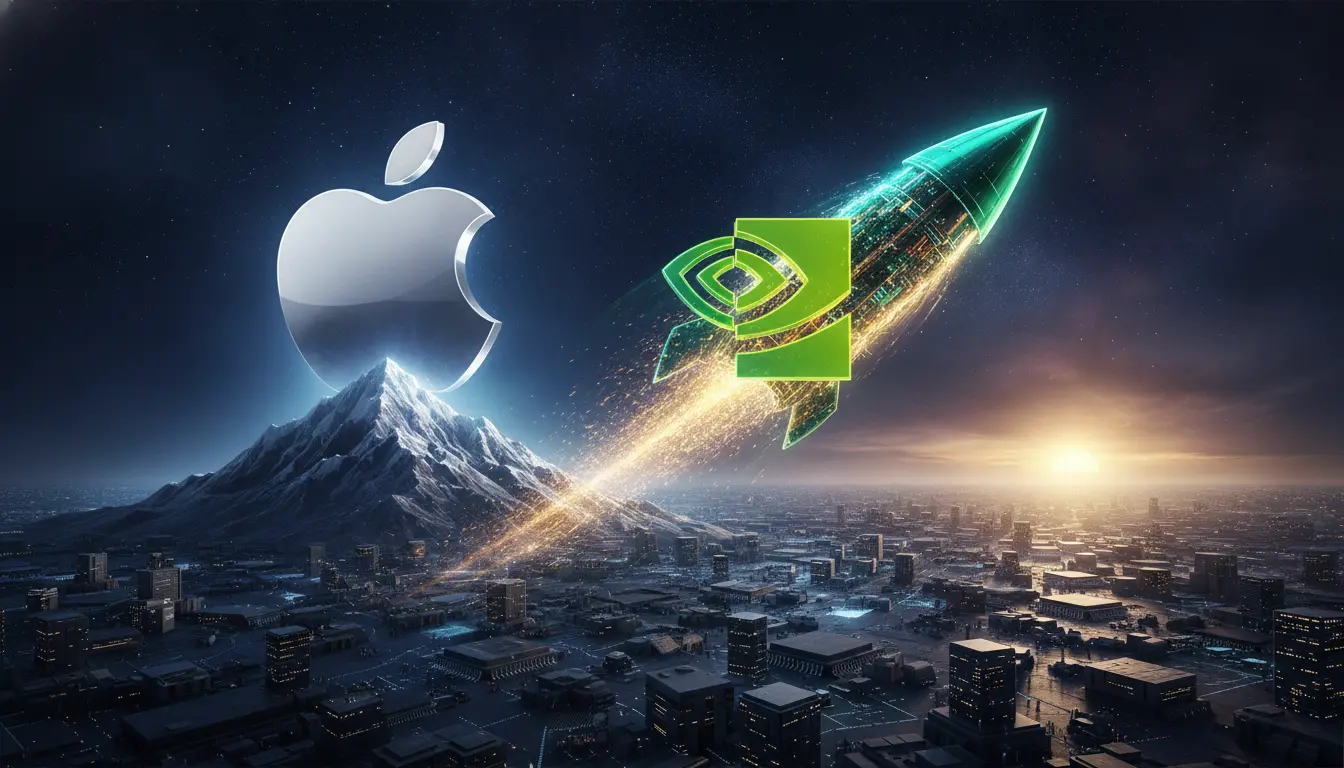
Nvidia's Meteoric Ascent Positions It to Challenge Apple for World's Most Valuable Company Title

AI Race Accelerates as Tech Giants Push for Next-Generation Flagship Models
Major AI Companies Intensify Race to Unveil Next-Generation Flagship Language Models

Leading AI Firms Intensify Push for Flagship LLM Releases by 2026

AI Titans Accelerate Development of Next-Generation Flagship LLMs for Public Release
Major AI Companies Poised to Launch Advanced LLMs by End of 2026