

- News
- Finance
- Meta Mounts Defense Against FTC's Landmark Antitrust Lawsuit Seeking to Unwind Instagram, WhatsApp Acquisitions
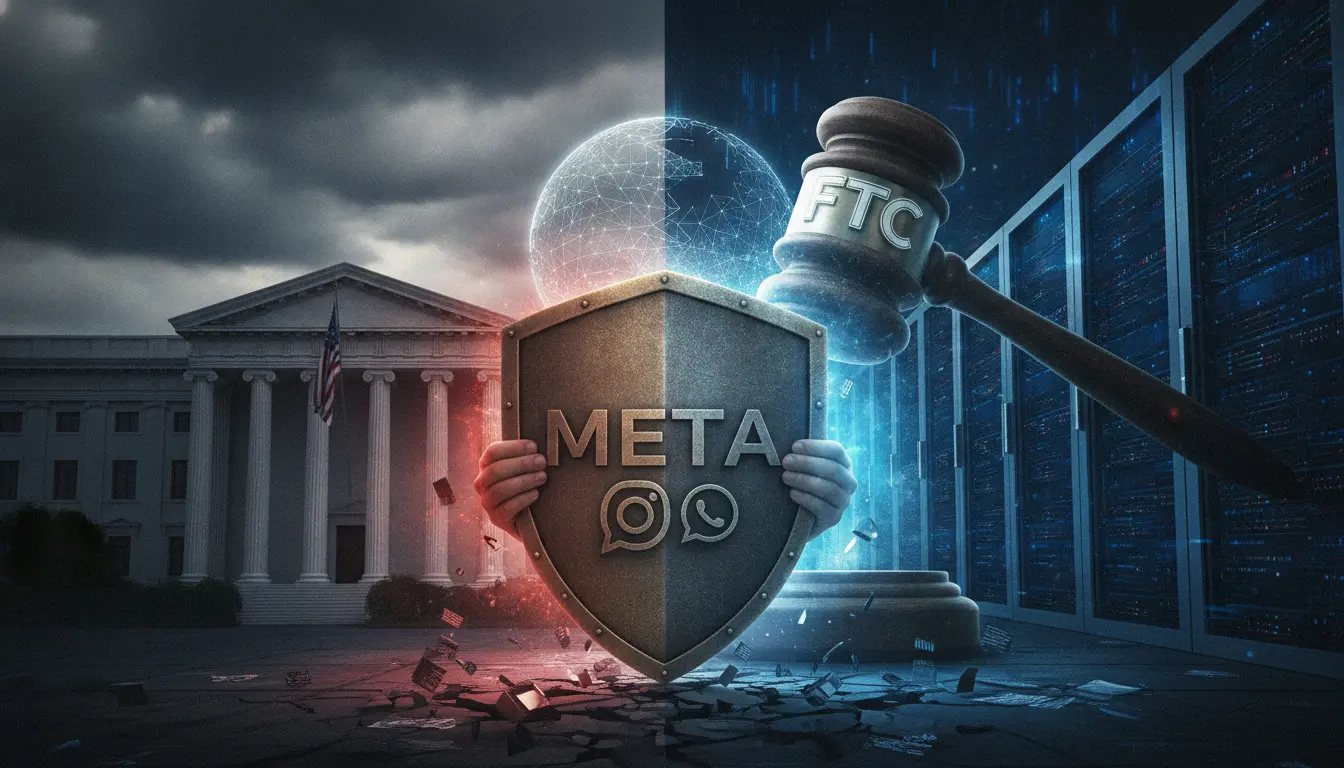
Meta Mounts Defense Against FTC's Landmark Antitrust Lawsuit Seeking to Unwind Instagram, WhatsApp Acquisitions
WASHINGTON – In a legal battle with potentially seismic implications for the technology industry, Meta Platforms is digging in for a protracted fight against the U.S. Federal Trade Commission. The federal agency is pursuing a landmark antitrust lawsuit that aims to dismantle the social media empire by forcing the divestiture of its key acquisitions, Instagram and WhatsApp. The case, which is slowly working its way through federal court, represents one of the most significant challenges to Big Tech's power in a generation and serves as a crucial test of the government's ability to retroactively police mergers it once approved.
The confrontation has been years in the making. The FTC initially filed its complaint in late 2020, alleging that Meta, then known as Facebook, illegally maintained a monopoly in “personal social networking services” through a years-long strategy of neutralizing potential competitors. Central to the government's case are two monumental acquisitions: the $1 billion purchase of photo-sharing app Instagram in 2012 and the $19 billion acquisition of messaging service WhatsApp in 2014. These deals, the FTC now argues, were part of a deliberate “buy-or-bury” scheme to eliminate nascent threats before they could challenge Facebook's dominance, thereby stifling innovation and harming consumers.
In its amended complaint, which was allowed to proceed by a federal judge in 2022 after an initial dismissal, the FTC paints a picture of a company acutely aware of its vulnerability to emerging social platforms. The agency alleges that rather than competing on merit, Meta’s leadership chose to acquire rivals that posed a significant competitive threat. According to the FTC, this strategy deprived users of the benefits of competition, including greater choice, improved service quality, and enhanced privacy protections. The lawsuit is spearheaded by FTC Chair Lina Khan, a prominent critic of Big Tech who has signaled a far more aggressive enforcement posture against perceived anti-competitive behavior since taking office.
Meta has vehemently denied the allegations, preparing a multi-pronged defense that highlights the evolution of the digital landscape and challenges the very premise of the FTC's case. A core pillar of Meta's argument is that the social media market is dynamic and fiercely competitive, a fact underscored by the meteoric rise of platforms like TikTok, Snapchat, and X (formerly Twitter). The company contends that it does not hold a monopoly and that consumers have abundant choices. Furthermore, Meta's legal team points out that the FTC itself reviewed and approved both the Instagram and WhatsApp acquisitions at the time, arguing that the agency is unfairly attempting to rewrite history a decade later. This defense, known legally as laches, suggests the government waited too long to bring its challenge.
Beyond the procedural arguments, Meta also asserts that its acquisitions were pro-competitive and ultimately benefited users. The company maintains that it invested billions of dollars into Instagram and WhatsApp, transforming them from fledgling startups into the global powerhouses they are today. Without Meta’s resources in engineering, infrastructure, and security, the company argues, these platforms would not have achieved their current scale or offered the robust, free services they provide to billions of people worldwide. This narrative frames the acquisitions not as a monopolistic power grab but as a catalyst for innovation and growth.
The case is proceeding under the watch of U.S. District Judge James Boasberg, and the path forward is expected to be long and arduous, filled with extensive discovery, procedural motions, and expert testimony. The legal bar for the FTC is high. The agency must not only prove that Meta possesses monopoly power but also that it willfully maintained that power through illegal conduct, not simply through superior product development or business acumen. Proving this and convincing a court to order the unprecedented breakup of a major American technology company is a monumental task.
Ultimately, the stakes could not be higher for either side. For Meta, a forced divestiture of Instagram and WhatsApp would fundamentally reshape the company, stripping it of two of its most valuable and fastest-growing assets. For the FTC and the Biden administration, the lawsuit is a cornerstone of a broader effort to rein in the perceived excesses of the tech industry. A victory would embolden regulators and could set a powerful precedent for future antitrust enforcement, while a loss would be a significant setback, potentially weakening the government's hand in its efforts to police Silicon Valley for years to come.
Stay Informed. Act Smarter.
Get weekly highlights, major headlines, and expert insights — then put your knowledge to work in our live prediction markets.
Related News
Appeals Court Considers Reinstating FTC's Landmark Antitrust Suit Against Meta
US Department of Justice Seeks Google Search Breakup Following Antitrust Ruling
US DOJ Intensifies Antitrust Push for Google Search Divestiture
US Justice Department Pushes for Chrome Browser Divestiture in Landmark Google Antitrust Case

Google Faces Uphill Battle as EU’s Landmark Antitrust Fine Heads to Appeal
Apple Asks Supreme Court to Weigh In on Epic Games Ruling, Escalating App Store Antitrust Battle
Apple Revises App Store Commission Policy Amid Heightened Antitrust Scrutiny and Epic Games Litigation

Federal Judge Rules Pentagon Blacklist of Anthropic Unlawful, Paving Way for Permanent Injunction

Outpoll Weekly Recap: AI (August 24 – 30, 2026)

Tech Giants Grapple with EU AI Act's 2026 Transparency Deadline, Raising Service Suspension Fears