

- News
- Politics
- Apple Asks Supreme Court to Weigh In on Epic Games Ruling, Escalating App Store Antitrust Battle
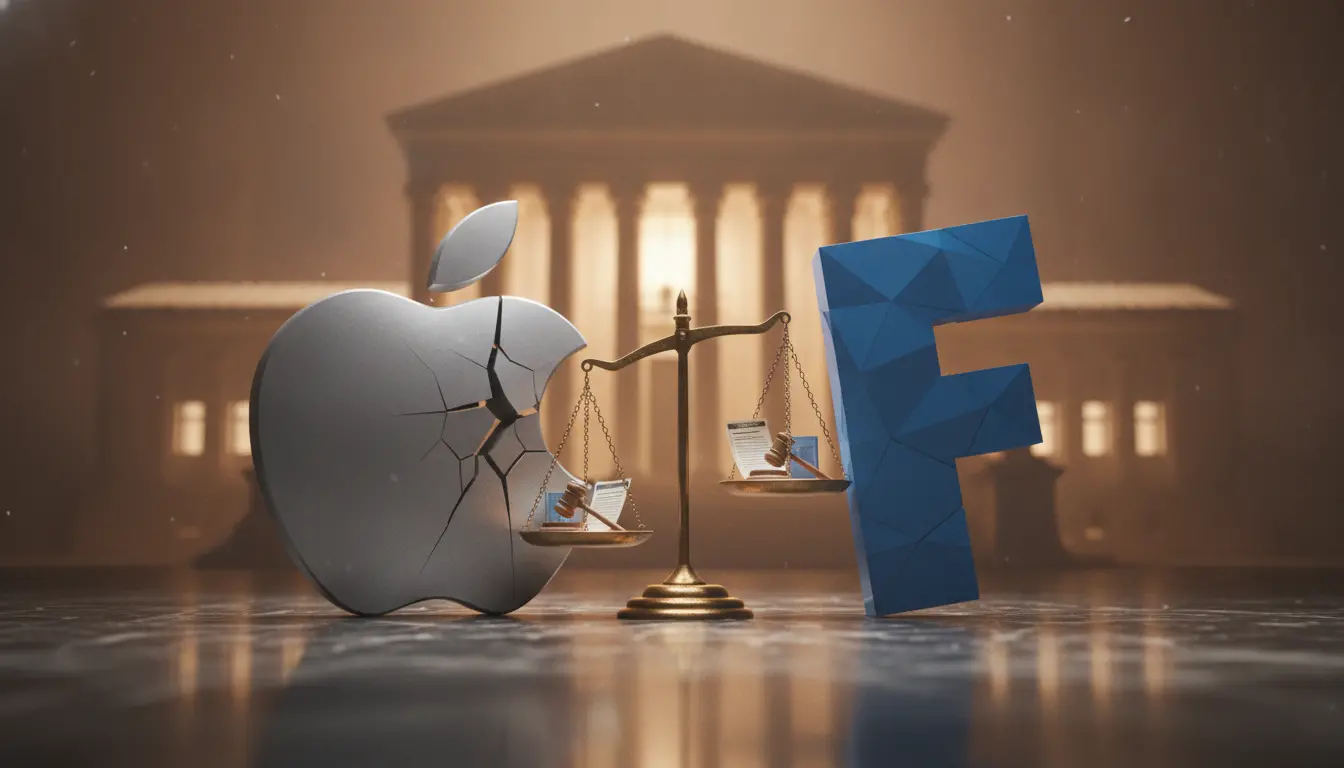
Apple Asks Supreme Court to Weigh In on Epic Games Ruling, Escalating App Store Antitrust Battle
Apple has escalated its long-running and high-stakes legal battle with Epic Games to the nation's highest court, petitioning the Supreme Court to review a lower court ruling that chipped away at the iPhone maker's stringent control over its multi-billion-dollar App Store. The move marks a critical juncture in a conflict that began in 2020 and has since become a landmark case examining the power of Big Tech platforms over the digital economy. At the heart of the dispute are Apple's 'anti-steering' provisions, which bar developers from directing users to payment methods outside the App Store, thereby circumventing Apple’s commission of up to 30%. The outcome of this appeal could have profound implications for millions of developers, consumers, and the fundamental business models of digital marketplaces worldwide.
The feud erupted when Epic Games, the creator of the popular game Fortnite, intentionally violated Apple's policies by implementing a direct payment system within its app. This act of defiance, dubbed 'Project Liberty,' was a calculated challenge to Apple's revenue model. Apple promptly removed Fortnite from the App Store, triggering an immediate antitrust lawsuit from Epic. The game developer accused Apple of operating an illegal monopoly, using its control over the iOS ecosystem to stifle competition and inflate prices for consumers. Apple countered that its commission is essential for maintaining the App Store's security, privacy, and overall user experience, arguing that it has created a trusted marketplace that benefits both developers and users alike.
In a complex 2021 ruling, U.S. District Judge Yvonne Gonzalez Rogers largely sided with Apple, concluding that the company did not constitute a monopoly under federal antitrust law. It was a significant victory for the tech giant, affirming its right to control its platform and remove apps that violate its terms. However, the judge delivered a crucial blow to Apple on one of ten counts, ruling that its anti-steering rules violated California's Unfair Competition Law. She issued a permanent injunction ordering Apple to allow developers to include links and buttons in their apps that direct users to alternative purchasing mechanisms. This single provision, while seemingly minor, threatened to dismantle a core pillar of the App Store's walled garden.
Both Apple and Epic appealed aspects of the initial verdict. The U.S. Court of Appeals for the Ninth Circuit largely upheld Judge Gonzalez Rogers' original decision in April 2023, leaving the anti-steering injunction in place. Following this, Apple attempted to comply with the order by proposing a new set of rules that would still allow it to collect a commission on purchases made through external links, a move Judge Gonzalez Rogers criticized as failing to adhere to the spirit of her injunction. This has now become the central focus of Apple’s appeal to the Supreme Court. The company argues that the Ninth Circuit's decision incorrectly interprets federal antitrust law and that the injunction forces it to enable free-riding by developers who benefit from its platform without contributing to its upkeep.
As the case potentially heads to the Supreme Court, the arguments from both sides remain starkly opposed. Apple contends that forcing it to allow unfettered external links would compromise the seamless and secure user experience it has curated, exposing users to potential fraud and undermining its business model. For its part, Epic Games, supported by a coalition of developers and critics including Spotify and Match Group, maintains that Apple's policies are inherently anti-competitive. They argue that a more open ecosystem would foster innovation, lower prices for consumers, and create a fairer marketplace for all software creators. The Supreme Court is not obligated to take up the case, and its decision on whether to grant a writ of certiorari will be closely watched.
The legal battle is unfolding against a backdrop of increasing global regulatory pressure on major tech companies. In Europe, the Digital Markets Act (DMA) has already forced Apple to make significant changes to its App Store policies, including allowing alternative app stores and payment systems. A Supreme Court ruling in the U.S., regardless of the outcome, would set a powerful precedent. Should the court decline to hear the case, the Ninth Circuit's ruling would stand, cementing the ban on anti-steering rules. If it takes the case and sides with Apple, it could reinforce the rights of platform owners, but if it sides with Epic, it could trigger a fundamental restructuring of the app economy in the United States, impacting not just Apple but other digital giants like Google as well.
Stay Informed. Act Smarter.
Get weekly highlights, major headlines, and expert insights — then put your knowledge to work in our live prediction markets.
Related News
Apple Revises App Store Commission Policy Amid Heightened Antitrust Scrutiny and Epic Games Litigation
Google Faces Uphill Battle as EU’s Landmark Antitrust Fine Heads to Appeal
Appeals Court Considers Reinstating FTC's Landmark Antitrust Suit Against Meta
Meta Mounts Defense Against FTC's Landmark Antitrust Lawsuit Seeking to Unwind Instagram, WhatsApp Acquisitions
US Department of Justice Seeks Google Search Breakup Following Antitrust Ruling

US Justice Department Pushes for Chrome Browser Divestiture in Landmark Google Antitrust Case
US DOJ Intensifies Antitrust Push for Google Search Divestiture

Outpoll Weekly Recap: AI (August 24 – 30, 2026)

Tech Giants Grapple with EU AI Act's 2026 Transparency Deadline, Raising Service Suspension Fears

PlayStation Reportedly Moving to Exclusively Digital Game Releases by 2028