

- News
- Politics
- US Justice Department Pushes for Chrome Browser Divestiture in Landmark Google Antitrust Case
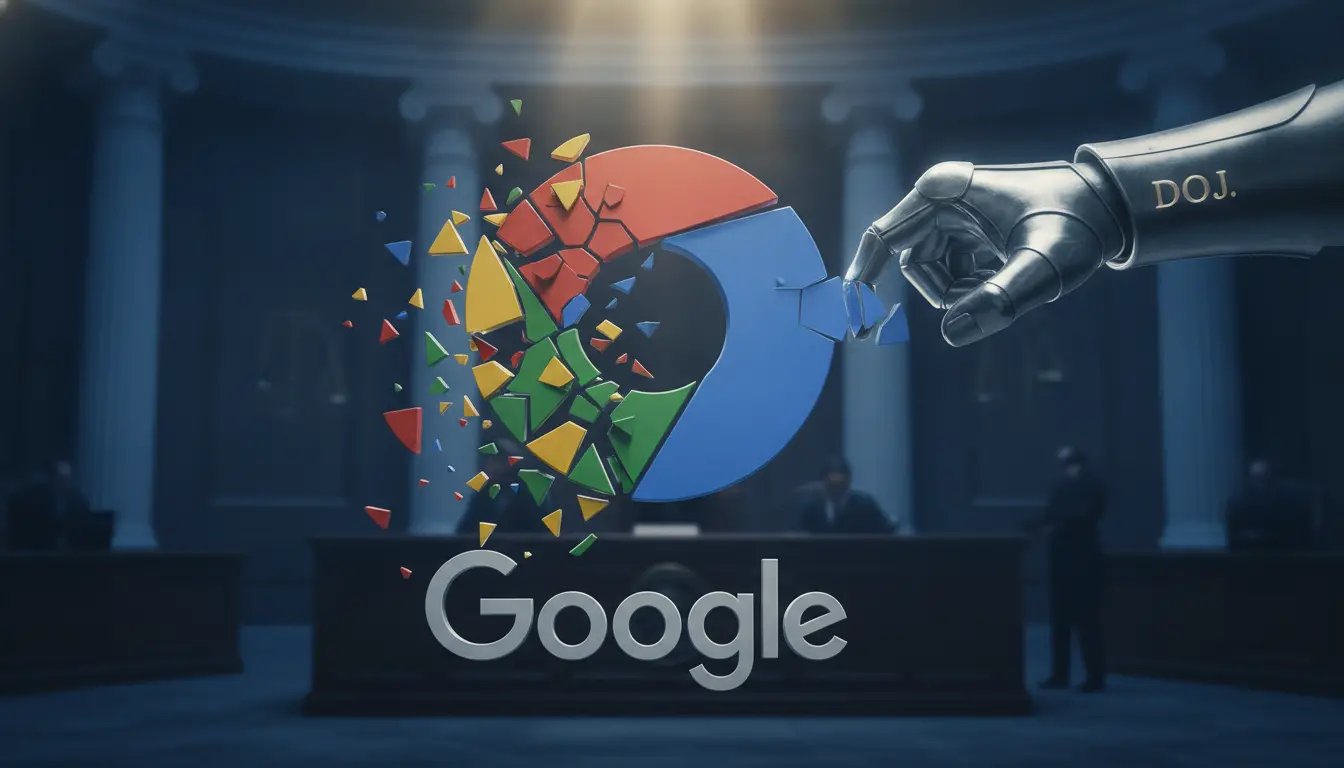
US Justice Department Pushes for Chrome Browser Divestiture in Landmark Google Antitrust Case
The United States Department of Justice (DOJ) is seeking a monumental structural remedy in its ongoing antitrust case against Google, calling for the forced divestiture of the tech giant's dominant Chrome web browser. This aggressive demand signals a significant escalation in the government's efforts to dismantle what it alleges is Google's unlawful monopolistic control over the internet, marking one of the most substantial challenges to a major tech company's core operations in decades. If successful, such a move would fundamentally reshape the competitive landscape of the digital economy, potentially unwinding years of strategic growth and integration for Google.
The genesis of this high-stakes legal battle traces back to October 2020, when the DOJ, joined by several state attorneys general, filed a landmark lawsuit accusing Google of illegally maintaining monopolies in the search engine and search advertising markets. The core of the government's argument is that Google has engaged in a systematic pattern of anti-competitive practices, including exclusionary deals and leveraging its control over various platforms, to stifle innovation and competition. This lawsuit revived an era of robust antitrust enforcement against tech titans, drawing parallels to the historic case against Microsoft in the late 1990s and reflecting a growing bipartisan concern over the unchecked power of digital conglomerates.
At the heart of the DOJ's proposed remedy is the Chrome browser, a product with an estimated global market share exceeding 60%. The government contends that Chrome is not merely a browser but a critical conduit for Google's broader ecosystem, reinforcing its dominance in search and advertising. By integrating Chrome deeply with other Google services and leveraging its default status on Android devices, the DOJ argues that Google has created a self-reinforcing cycle that makes it exceedingly difficult for rival browsers and search engines to gain traction. The demand for divestiture, a remedy typically reserved for cases where anti-competitive behavior is deemed pervasive and unfixable through lesser measures, aims to break this perceived stranglehold and introduce genuine competition into the browser and search markets.
The initial phase of the antitrust trial, which focused on Google’s alleged liability, concluded in late 2023, with closing arguments held in May 2024. The court is now in the remedies phase, where the DOJ is pressing for decisive action. Google vehemently denies the allegations, asserting that Chrome’s success is a testament to its superior quality and user preference, not anti-competitive tactics. The company argues that forcing a divestiture would be an extreme measure that would harm users, undermine product innovation, and create immense operational complexities. Its defense hinges on the idea that users have ample choice and that the market remains dynamic and competitive.
The implications of a potential Chrome divestiture extend far beyond Google itself. Such a ruling would send a powerful message across the entire technology industry, signaling a renewed willingness by regulators to pursue structural separations in cases of perceived monopoly abuse. It could set a significant legal precedent for how future antitrust challenges against other dominant tech platforms—from social media to e-commerce—are approached. The practical challenges of untangling Chrome from Google’s vast web of services, including its advertising business and underlying infrastructure, would be immense, potentially requiring years of complex technical and legal work.
However, securing a divestiture order is an uphill battle for the DOJ. The legal standard for such a remedy is high, requiring the court to be convinced that lesser behavioral injunctions would be insufficient to restore competition. Even if the District Court judge, Amit Mehta, were to rule in favor of the DOJ on divestiture, Google is almost certain to appeal the decision, potentially leading to years of further litigation, including appeals to the D.C. Circuit and possibly the Supreme Court. The timeline for any actual divestiture, if ordered, would be protracted, stretching well into the future as the legal system grapples with the intricate technical and economic realities of separating such a deeply integrated digital product.
Stay Informed. Act Smarter.
Get weekly highlights, major headlines, and expert insights — then put your knowledge to work in our live prediction markets.
Related News
US Department of Justice Seeks Google Search Breakup Following Antitrust Ruling
US DOJ Intensifies Antitrust Push for Google Search Divestiture

Google Faces Uphill Battle as EU’s Landmark Antitrust Fine Heads to Appeal
Meta Mounts Defense Against FTC's Landmark Antitrust Lawsuit Seeking to Unwind Instagram, WhatsApp Acquisitions
Appeals Court Considers Reinstating FTC's Landmark Antitrust Suit Against Meta

Apple Asks Supreme Court to Weigh In on Epic Games Ruling, Escalating App Store Antitrust Battle

Apple Revises App Store Commission Policy Amid Heightened Antitrust Scrutiny and Epic Games Litigation

Outpoll Weekly Recap: AI (August 24 – 30, 2026)

Johnson & Johnson Tables $6.48 Billion Settlement Offer to Resolve Talc Cancer Lawsuits

Tech Giants Grapple with EU AI Act's 2026 Transparency Deadline, Raising Service Suspension Fears