

- News
- Science
- Southern Europe Grapples with Escalating Wildfire Crisis Amidst Climate Change Intensification
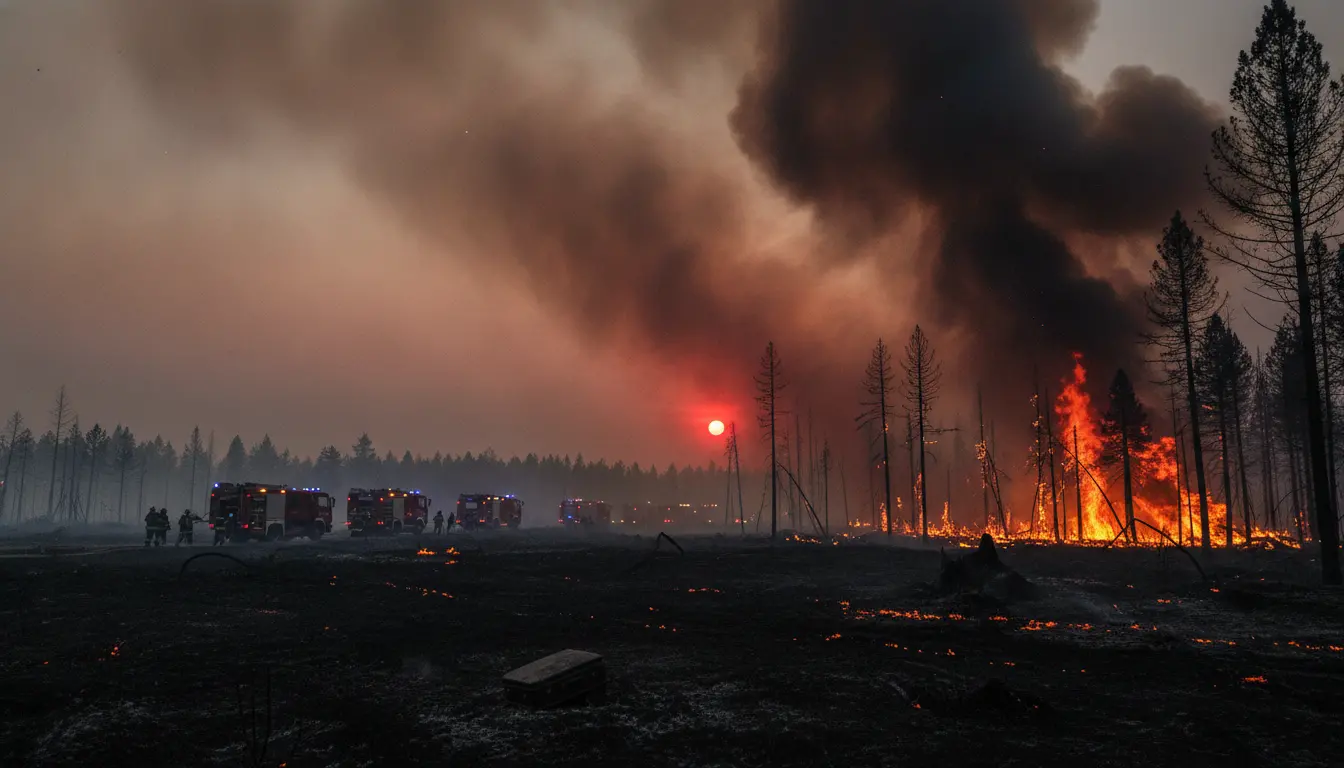
Southern Europe Grapples with Escalating Wildfire Crisis Amidst Climate Change Intensification
Across France and Spain, the summer seasons are increasingly defined by a devastating and deadly surge in wildfires, a phenomenon that has shattered previous records for intensity and spread. Fueled by persistent heatwaves, prolonged droughts, and shifting weather patterns attributable to climate change, these blazes are not merely environmental events but unfolding humanitarian crises, displacing thousands and exacting a mounting human toll. The unprecedented scale of recent infernos serves as a stark warning about the escalating risks to life and infrastructure across Southern Europe, painting a grim picture for future wildfire seasons.
For years, climate scientists and forestry experts have warned about the Mediterranean basin becoming a major hotspot for extreme fire events. These predictions are now manifesting in grim reality. Record-breaking temperatures, often soaring past 40 degrees Celsius, combine with critically dry vegetation to create explosive conditions. Spain, in particular, has seen vast swathes of land incinerated, with regions like Castilla y León, Galicia, and Extremadura repeatedly ravaged. France, especially its southwestern Gironde department, a heavily forested area, has also faced immense challenges, with fires forcing mass evacuations and stretching emergency services to their limits. The sheer speed and ferocity of these fires often overwhelm traditional firefighting methods, turning once-manageable blazes into uncontrollable infernos.
Beyond the immediate destruction of forests and ecosystems, the wildfires exert a profound societal and economic impact. Homes, livelihoods, and critical infrastructure are routinely threatened or destroyed, leading to significant financial losses for affected communities and national economies. Agricultural sectors, already vulnerable to climate shifts, face further devastation as fertile land is scorched and livestock are lost. The displacement of populations, sometimes for weeks or even months, creates humanitarian challenges, disrupting education, healthcare, and social stability. Furthermore, the massive emissions of carbon dioxide and other pollutants from these fires contribute to further climate warming, creating a dangerous feedback loop.
Crucially, the human cost extends far beyond direct fatalities, though these numbers are a tragic measure of severity. Emergency responders, including firefighters and military personnel, work under extreme duress, facing direct risks to their lives as they battle unpredictable fronts. Civilians caught in evacuation zones or attempting to protect their properties often suffer injuries, smoke inhalation, and profound psychological trauma. Vulnerable populations, such as the elderly, young children, and those with pre-existing health conditions, are particularly susceptible to the health impacts of poor air quality and heat stress exacerbated by the fires. The cumulative effect of these losses underscores the urgency of proactive measures.
Governments in France and Spain, alongside regional authorities, are scrambling to adapt their strategies. This includes investing in more advanced firefighting aircraft, improving early warning systems, and enhancing public awareness campaigns. There's a growing recognition that traditional forest management practices, which often prioritized fire suppression, need to evolve towards more holistic approaches that include controlled burns, thinning of undergrowth, and creating firebreaks. Urban planning is also under scrutiny, with calls for better integration of fire-resilient design and clearer evacuation routes in at-risk areas. International cooperation is also increasing, reflecting the cross-border nature of these climate-driven threats.
However, experts caution that these adaptation efforts, while vital, must be coupled with aggressive global climate mitigation strategies. Without a significant reduction in greenhouse gas emissions, the conditions that fuel these mega-fires are only projected to intensify. The prospect of future wildfire seasons in Southern Europe, possibly as early as 2026, presents an increasing likelihood of even greater devastation and a heightened risk to human life. The pattern emerging from recent years suggests that the region must brace for an era where severe wildfires are not exceptional events, but rather a recurring and increasingly deadly challenge demanding fundamental shifts in policy, preparedness, and global environmental stewardship.
Stay Informed. Act Smarter.
Get weekly highlights, major headlines, and expert insights — then put your knowledge to work in our live prediction markets.
Related News
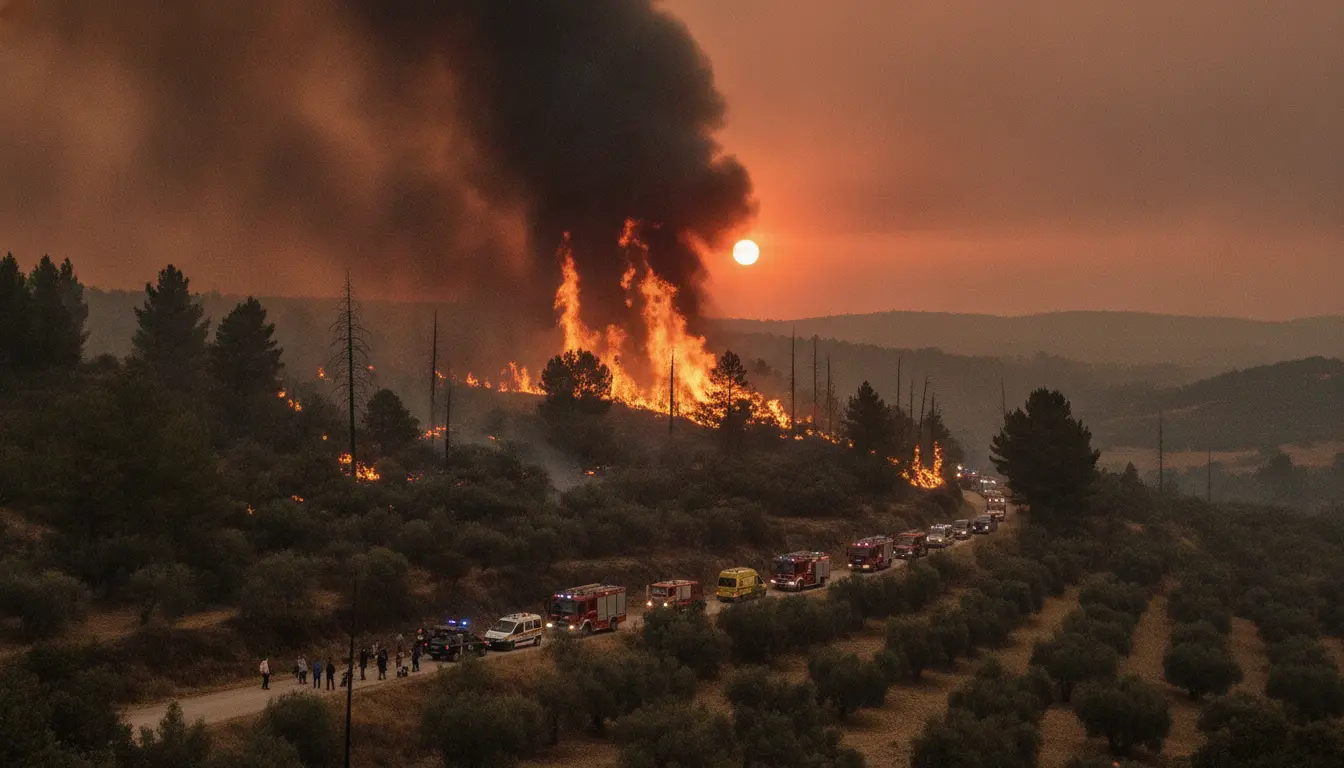
Southern Spain Engulfed by Deadly Wildfires Amid Extreme Heatwave, Mounting Casualties Feared
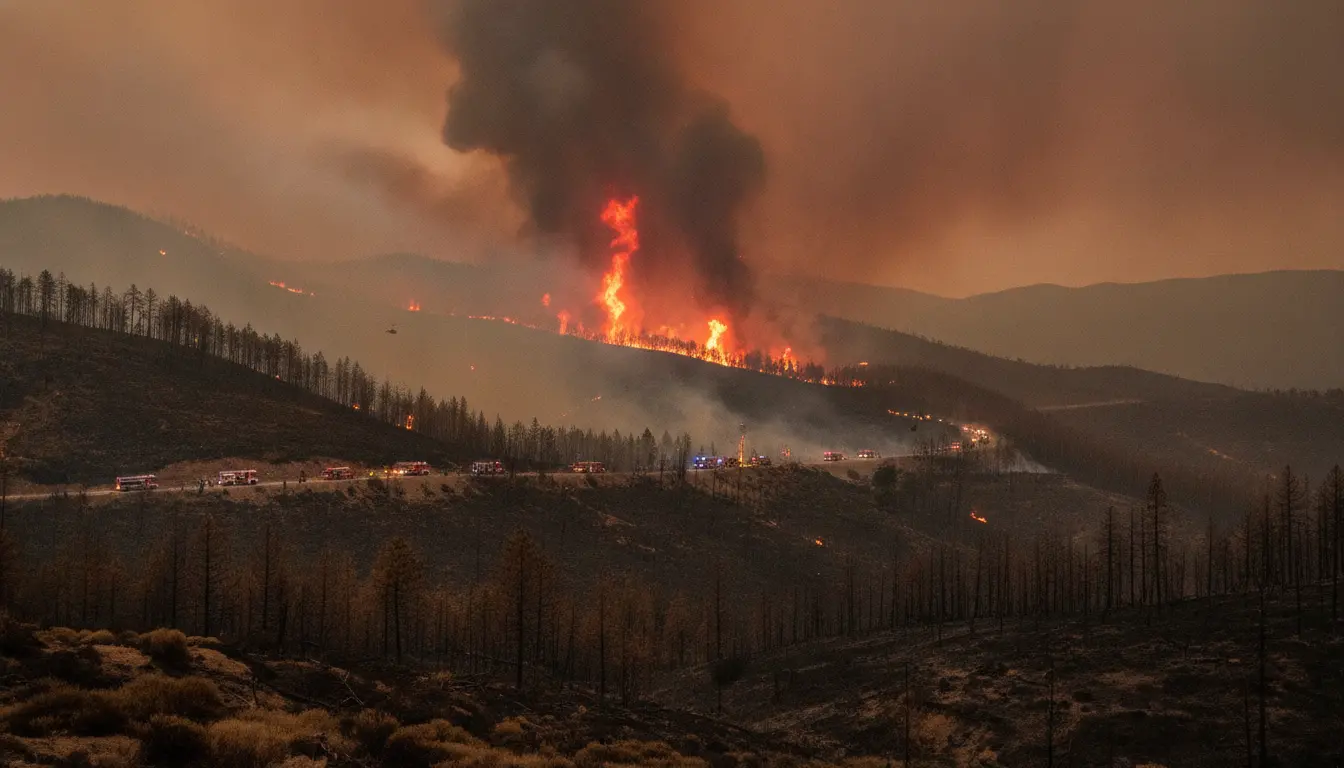
Southern Spain Grapples with Catastrophic Wildfire as Death Toll Rises Amid Intensifying Emergency Efforts
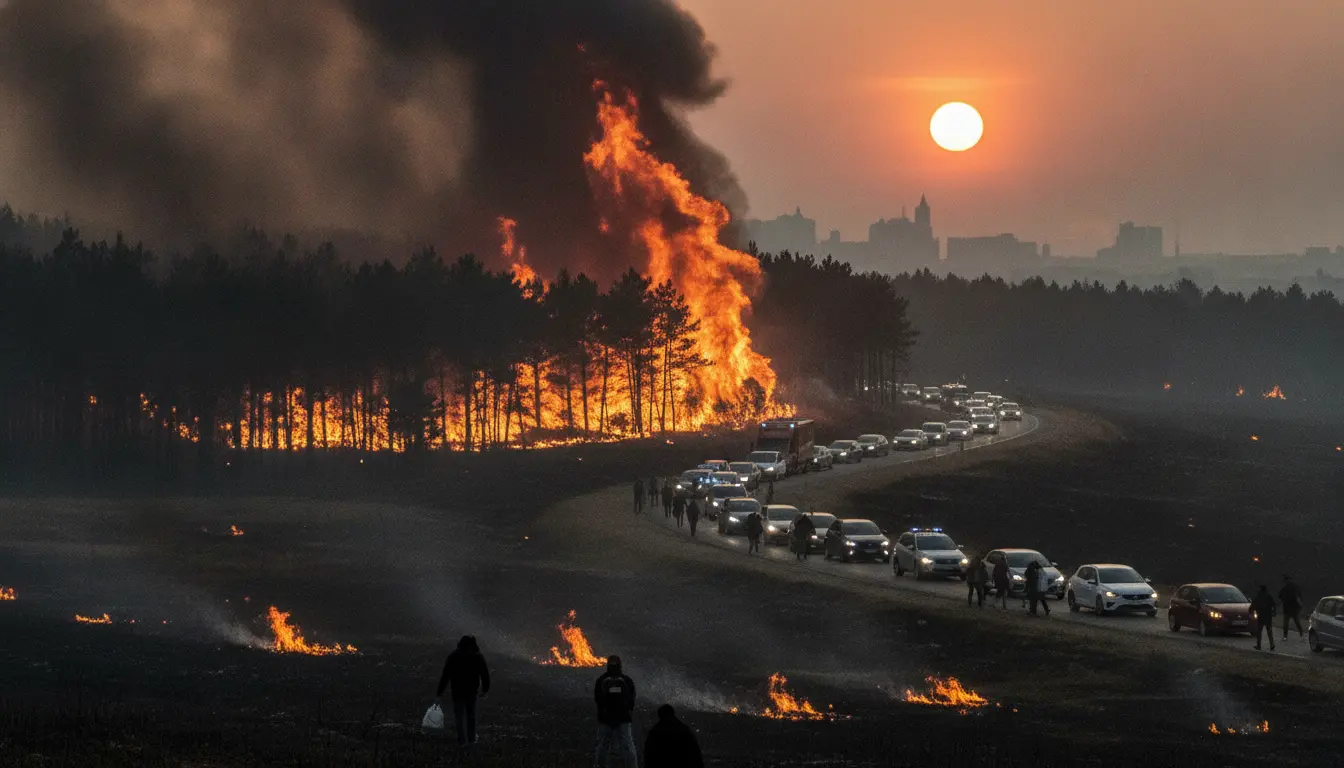
France Batters Record Wildfire Season as Blazes Near Bordeaux Force Mass Evacuations

Deadly Heatwaves Grip Europe, Prompting Widespread Health Alerts and Environmental Concerns
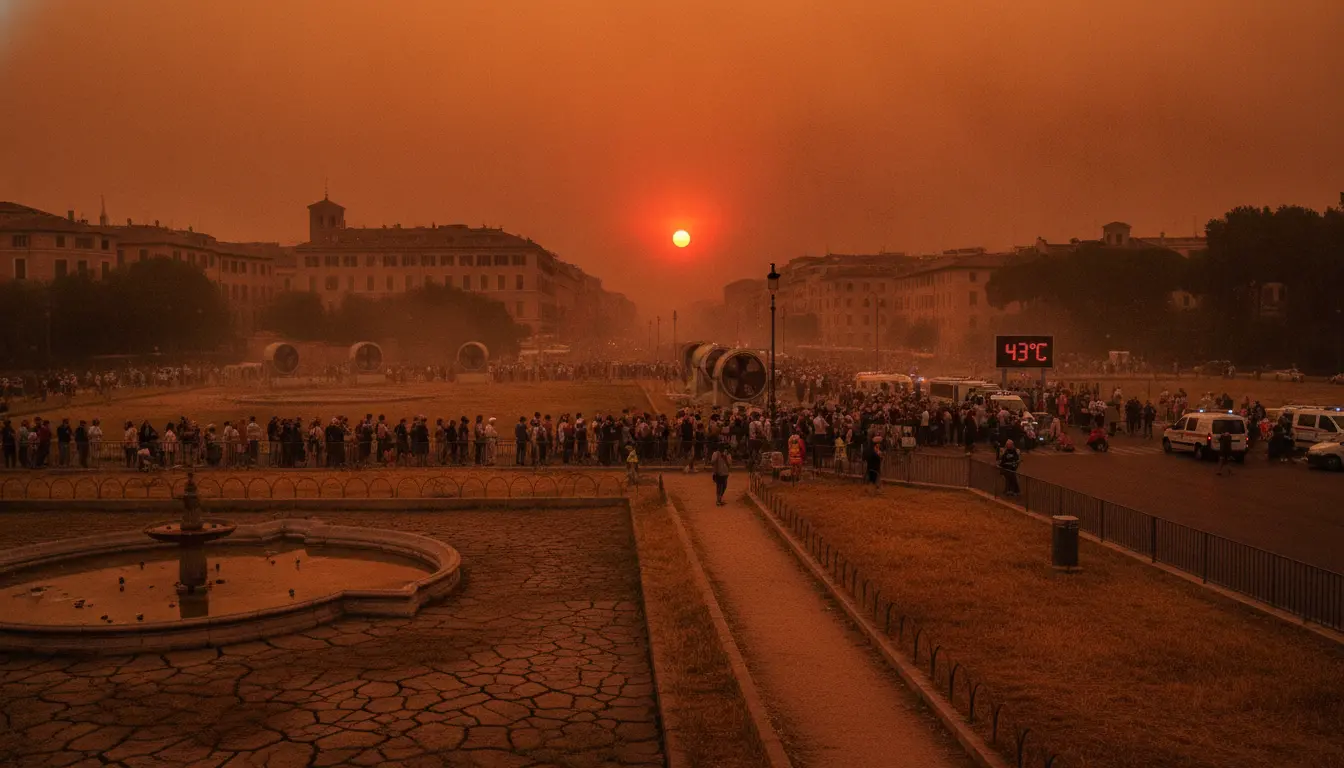
Europe Confronts Escalating Climate Risks as Record Heatwaves Push Temperatures Towards Unprecedented Levels
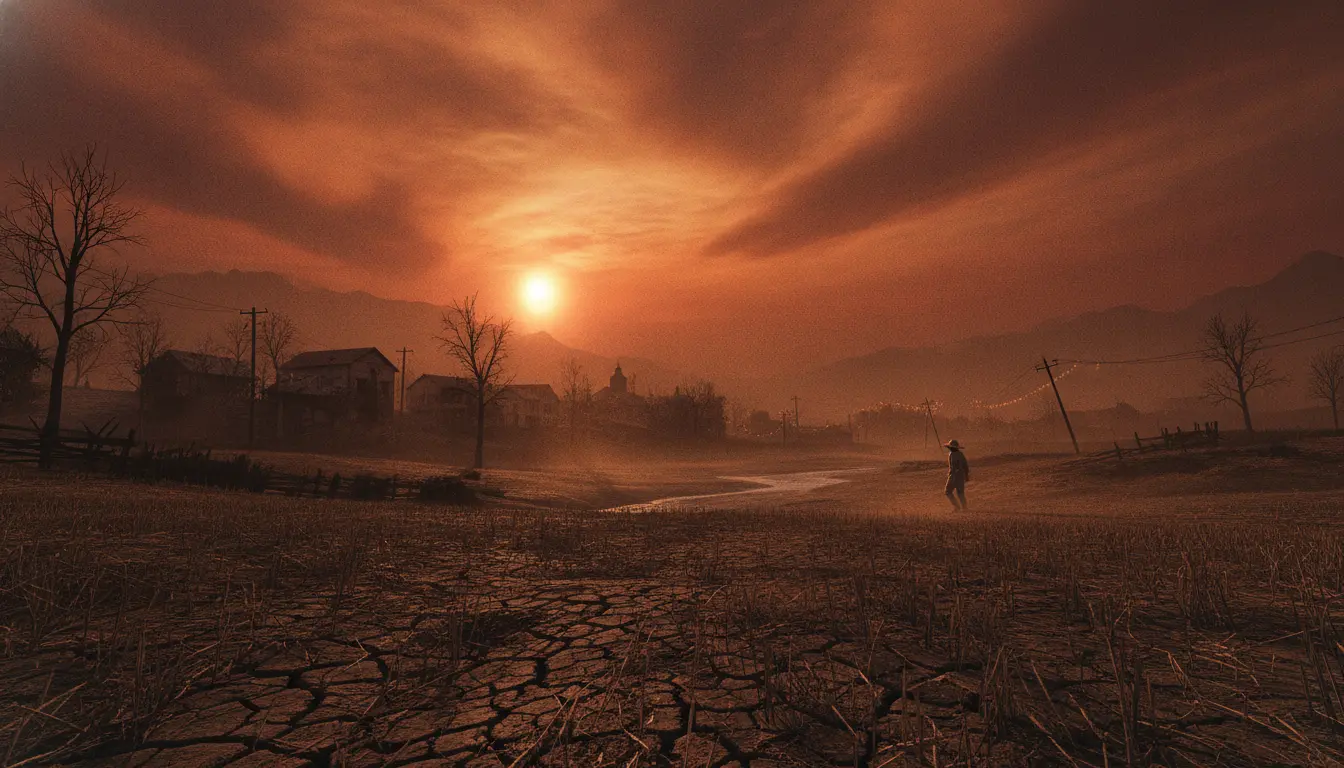
Europe Faces Heightened Risk of Recurring Severe Heatwaves Through 2026
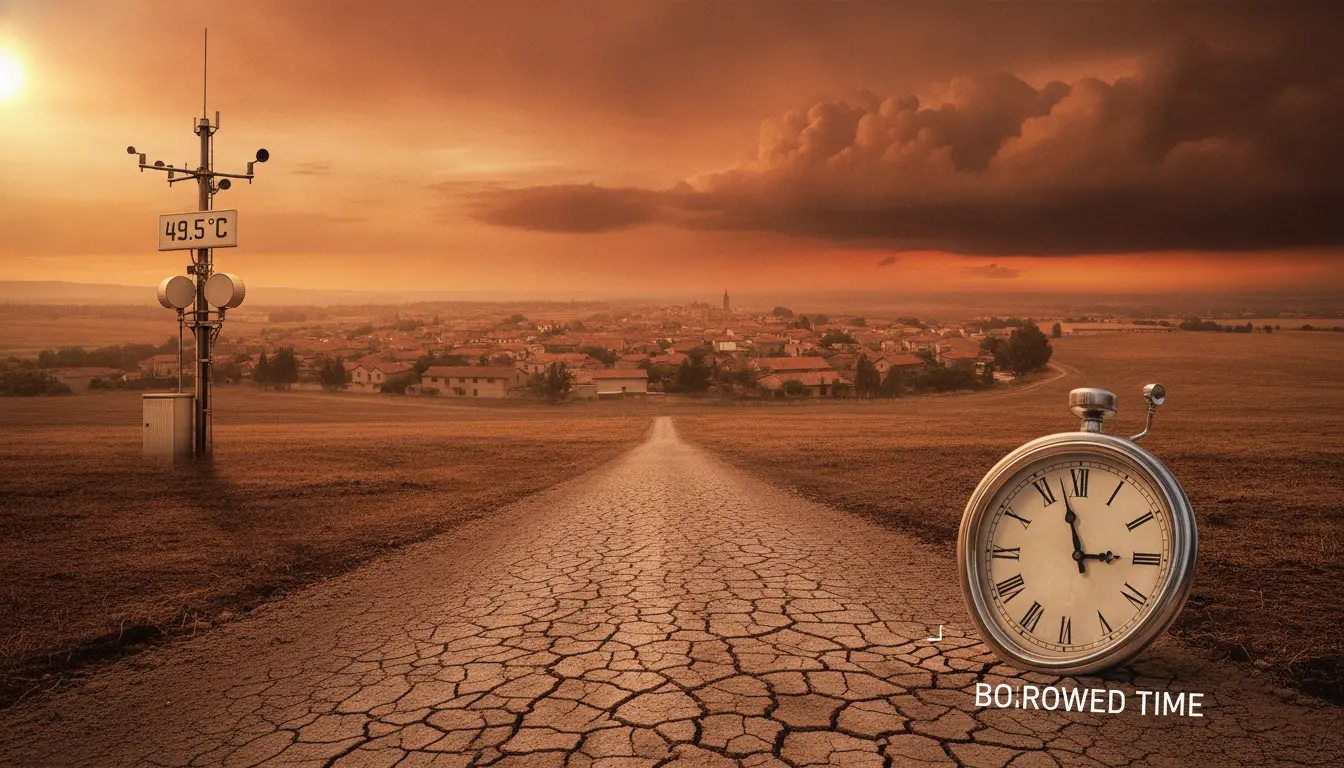
As Europe Sizzles, Climatologists Warn It's a Matter of When, Not If, All-Time Heat Record Falls
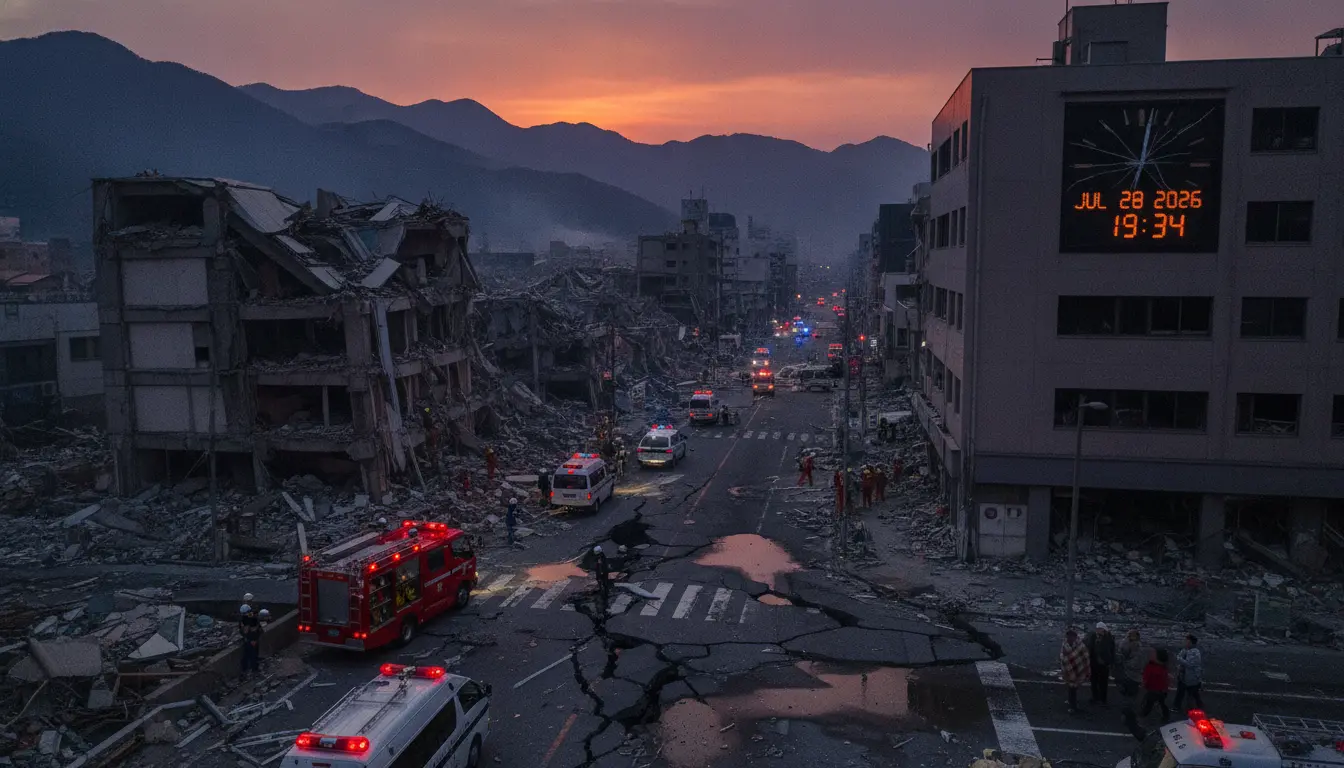
Major 7.1 Magnitude Earthquake Jolts Southern Japan, Heightening Aftershock Alert
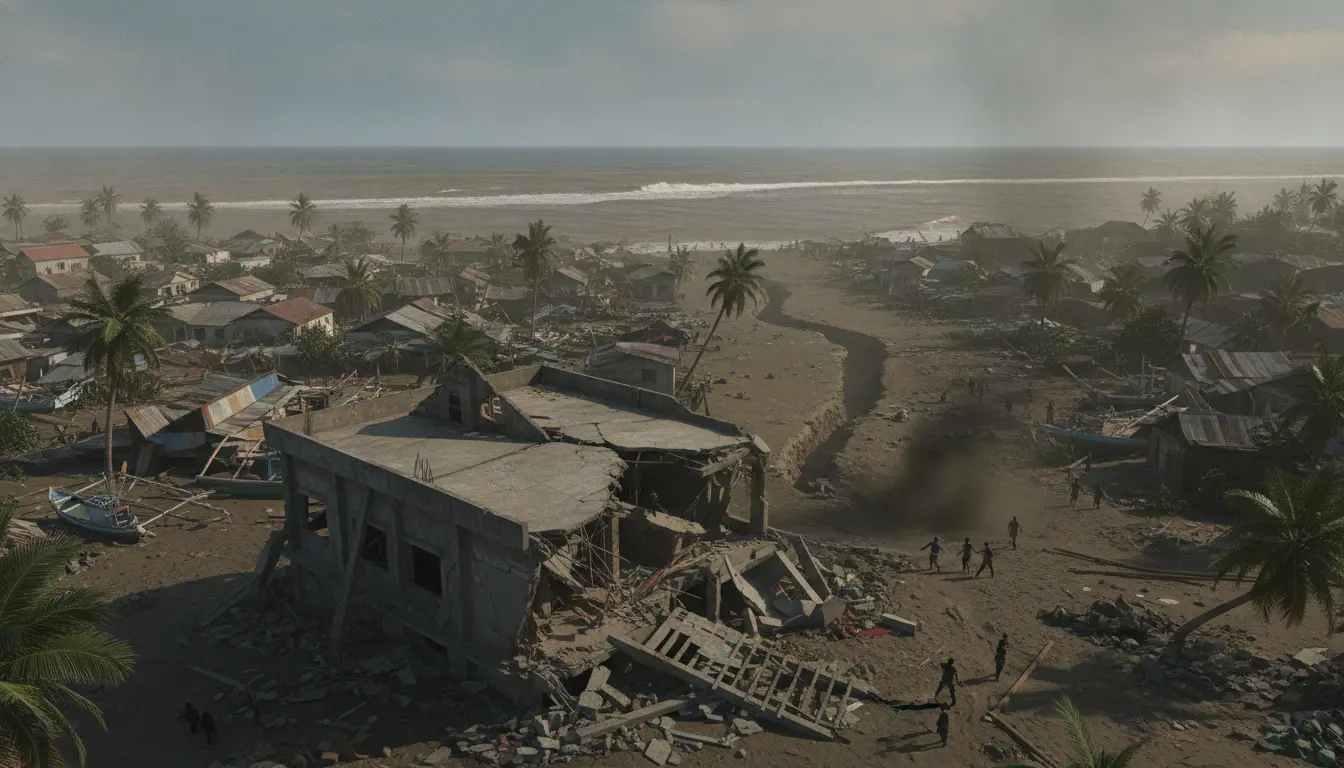
Deadly 7.7-Magnitude Quake Strikes Indonesia's Flores Island, Casualties Feared to Climb

EU AI Act Gears Up for Crucial High-Risk System Obligations by August 2026