


Europe Faces Heightened Risk of Recurring Severe Heatwaves Through 2026
Europe is currently grappling with the profound aftershocks of a brutal summer, marked by unprecedented heatwaves that have claimed thousands of lives and strained critical infrastructure across the continent. With regions from the Mediterranean to Scandinavia experiencing record-breaking temperatures, the immediate crisis has underscored a more alarming long-term trend: a projected increase in the frequency and intensity of extreme heat events in the coming years. Scientists and policymakers are warning that the recent devastating heatwaves are not isolated incidents but harbingers of a new climatic reality, demanding urgent and robust adaptation strategies.
This summer's heat has been particularly severe, with multiple waves sweeping across Southern, Central, and even parts of Northern Europe. Countries like Italy, Spain, Greece, and France have endured prolonged periods where temperatures soared well above 40 degrees Celsius, triggering widespread health alerts, contributing to wildfires, and causing significant agricultural losses. Public health authorities have reported a staggering number of heat-related fatalities, particularly among the elderly and vulnerable populations, highlighting critical gaps in existing preparedness and response mechanisms. The economic toll has also been substantial, impacting tourism, energy grids grappling with peak demand, and essential services.
The scientific consensus is clear: the escalating pattern of heatwaves is directly linked to anthropogenic climate change. Global warming, driven by greenhouse gas emissions, is altering atmospheric circulation patterns, making heat domes more persistent and intense. Data from the Copernicus Climate Change Service and national meteorological agencies consistently show that each decade is warmer than the last, with extreme weather events becoming more common. Projections for the coming years, extending to and beyond 2026, indicate a significant increase in the probability of Europe experiencing similarly severe, if not more intense, heatwaves during its summer months, fundamentally altering the continent's climate profile.
Addressing this persistent threat requires a multifaceted approach encompassing both mitigation and adaptation. On the mitigation front, accelerated decarbonization and a transition to renewable energy sources remain paramount to curb the underlying causes of global warming. For adaptation, European nations are investing in early warning systems, urban planning that incorporates green infrastructure like parks and cooling centers, and public awareness campaigns to educate citizens on how to stay safe during extreme heat. Infrastructure resilience, from transport networks to power grids, is also being reassessed and upgraded to withstand higher temperatures and associated stresses.
However, the scale of the challenge is immense. Many European cities, built over centuries, are particularly vulnerable to the 'urban heat island' effect, where concrete and asphalt absorb and re-emit heat. Retrofitting these environments for resilience requires substantial investment and long-term vision. Furthermore, the transboundary nature of climate change necessitates greater international cooperation, both within the European Union and globally, to share best practices, pool resources, and develop coordinated responses. The stakes are profoundly high: the liveability of entire regions, the stability of critical ecosystems, and the well-being of millions of people depend on the proactive measures taken now to confront this looming climatic reality.
Experts emphasize that while some degree of warming and extreme weather is now inevitable due to past emissions, aggressive action can still limit the severity of future impacts. The period leading up to 2026 and beyond will be a critical test of Europe's commitment to climate resilience. Governments, communities, and individuals must collaborate to build societies that are better prepared for, and ultimately more resistant to, the increasing frequency of severe heatwaves. Without such concerted efforts, the human and economic costs of extreme heat are set to climb steeply, posing a formidable challenge to European stability and prosperity.
Stay Informed. Act Smarter.
Get weekly highlights, major headlines, and expert insights — then put your knowledge to work in our live prediction markets.
Related News

Europe Confronts Escalating Climate Risks as Record Heatwaves Push Temperatures Towards Unprecedented Levels

Deadly Heatwaves Grip Europe, Prompting Widespread Health Alerts and Environmental Concerns

As Europe Sizzles, Climatologists Warn It's a Matter of When, Not If, All-Time Heat Record Falls
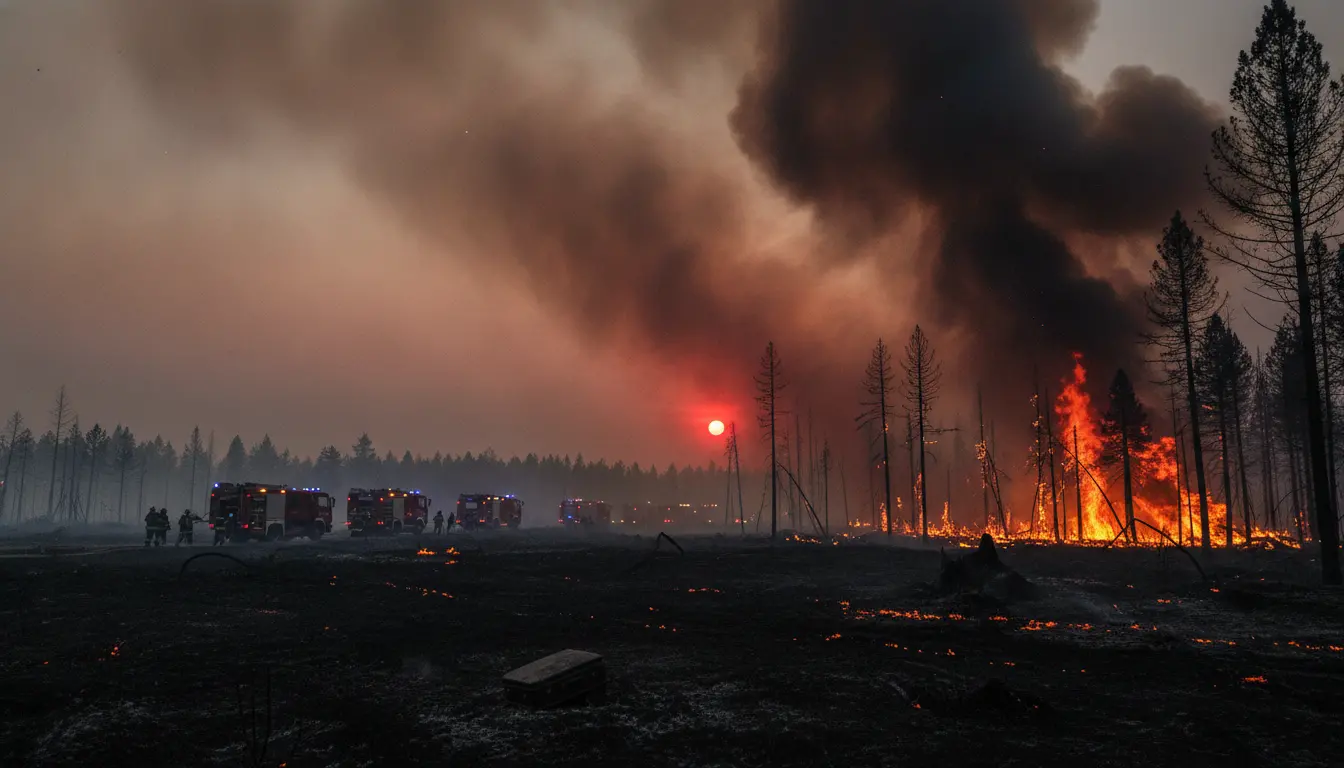
Southern Europe Grapples with Escalating Wildfire Crisis Amidst Climate Change Intensification
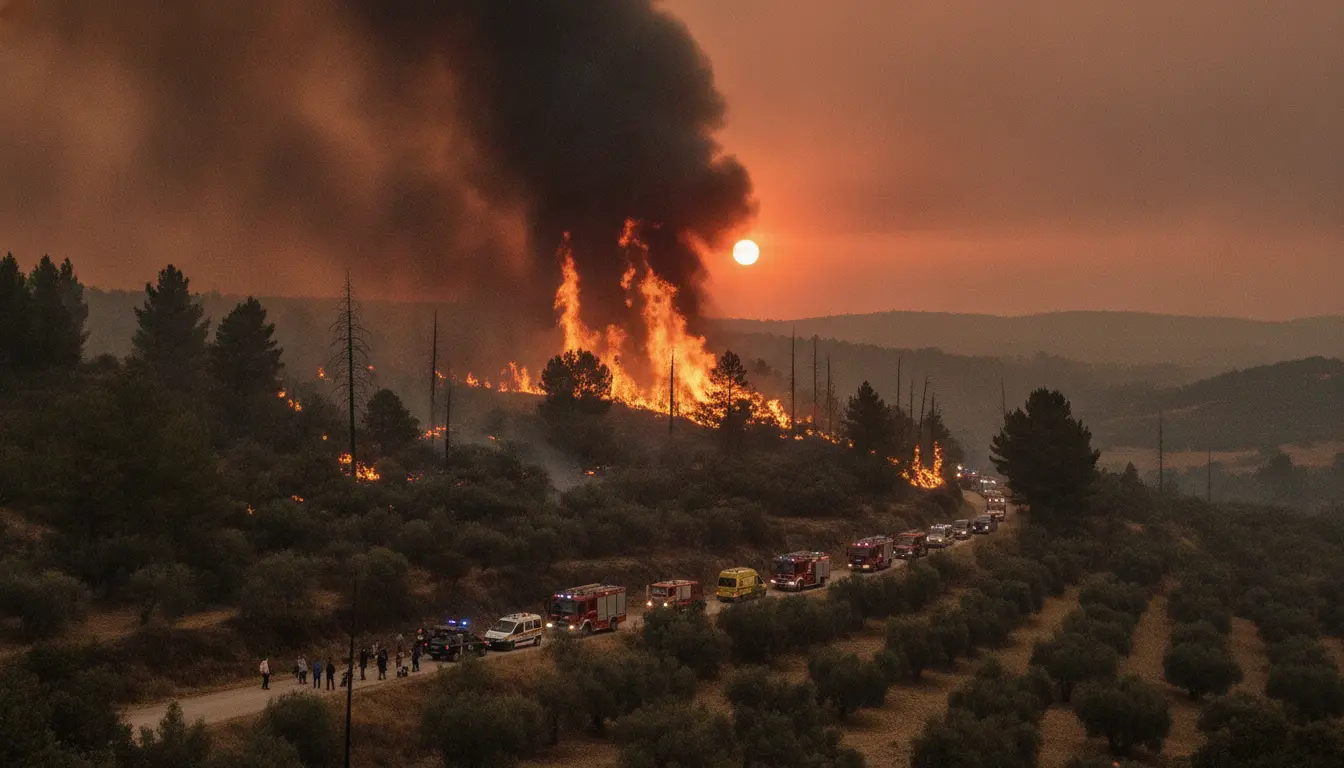
Southern Spain Engulfed by Deadly Wildfires Amid Extreme Heatwave, Mounting Casualties Feared
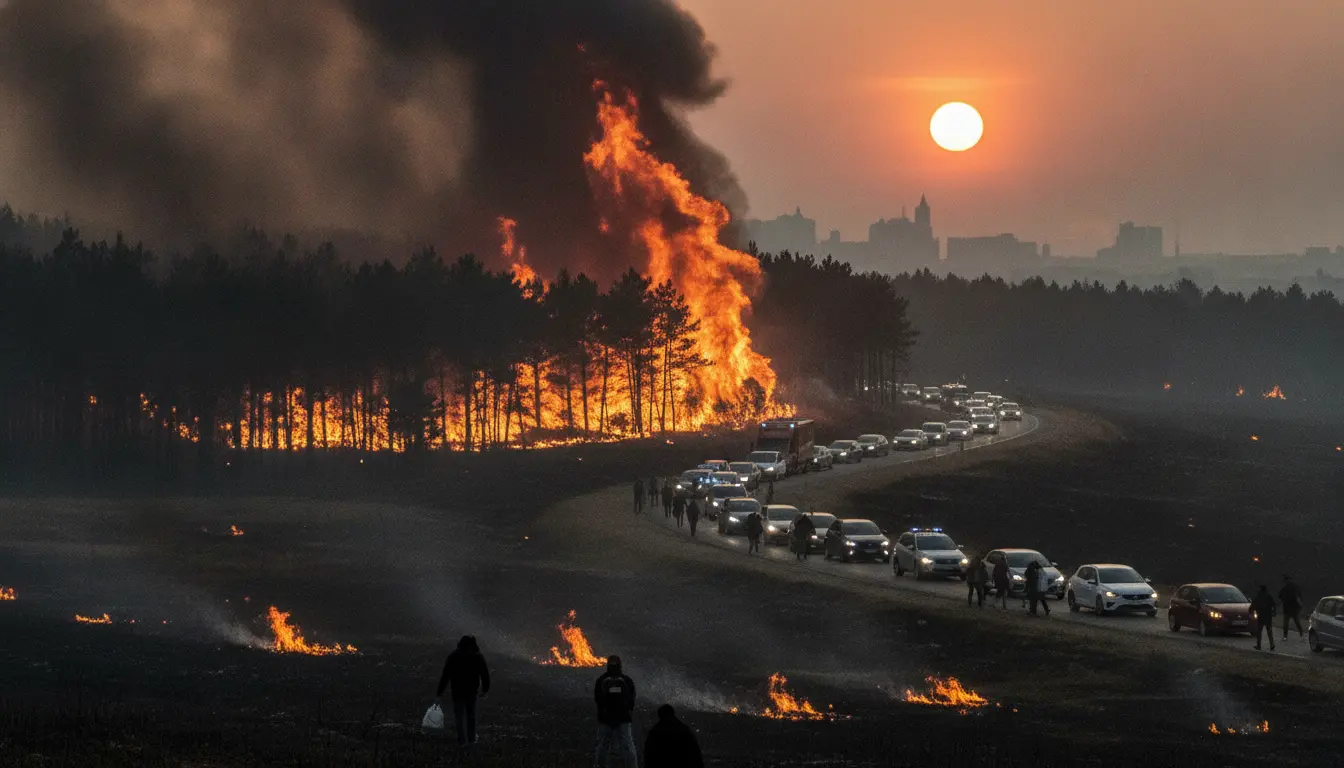
France Batters Record Wildfire Season as Blazes Near Bordeaux Force Mass Evacuations
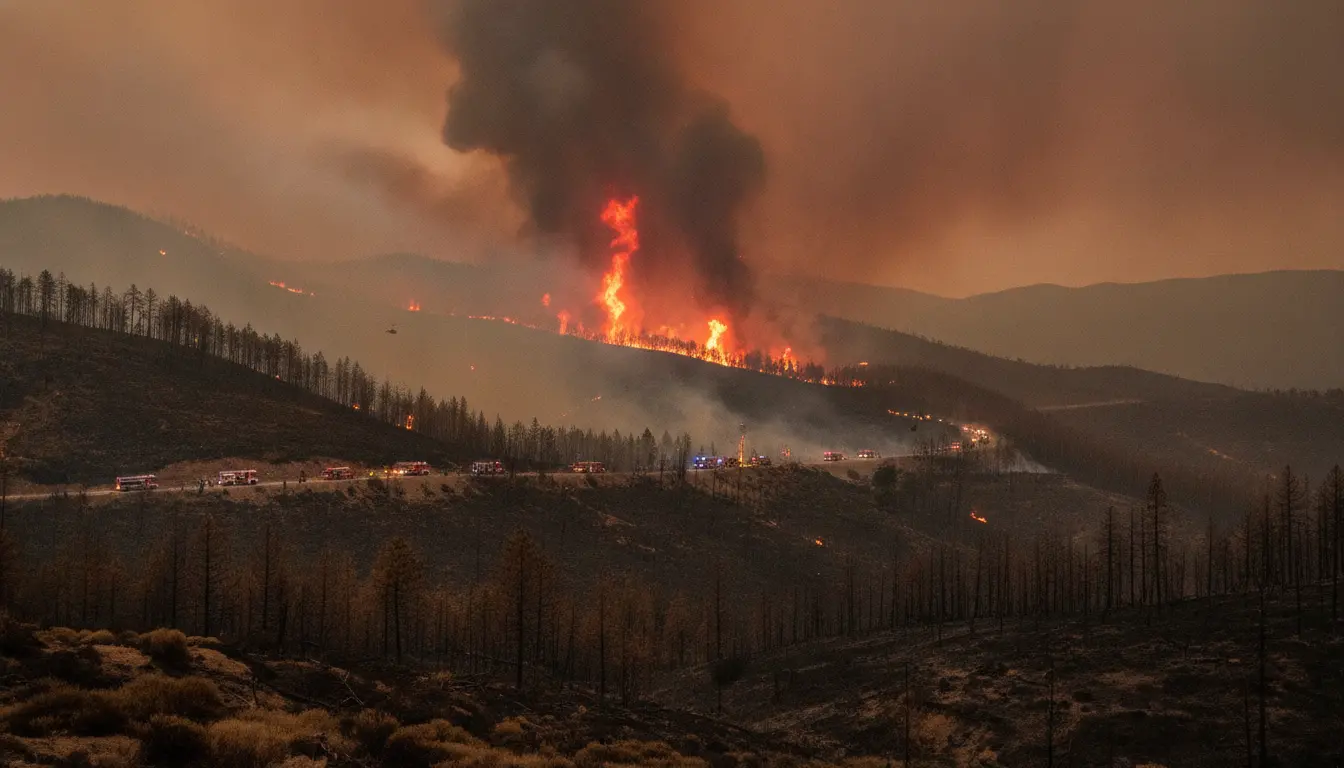
Southern Spain Grapples with Catastrophic Wildfire as Death Toll Rises Amid Intensifying Emergency Efforts

EU AI Act Gears Up for Crucial High-Risk System Obligations by August 2026
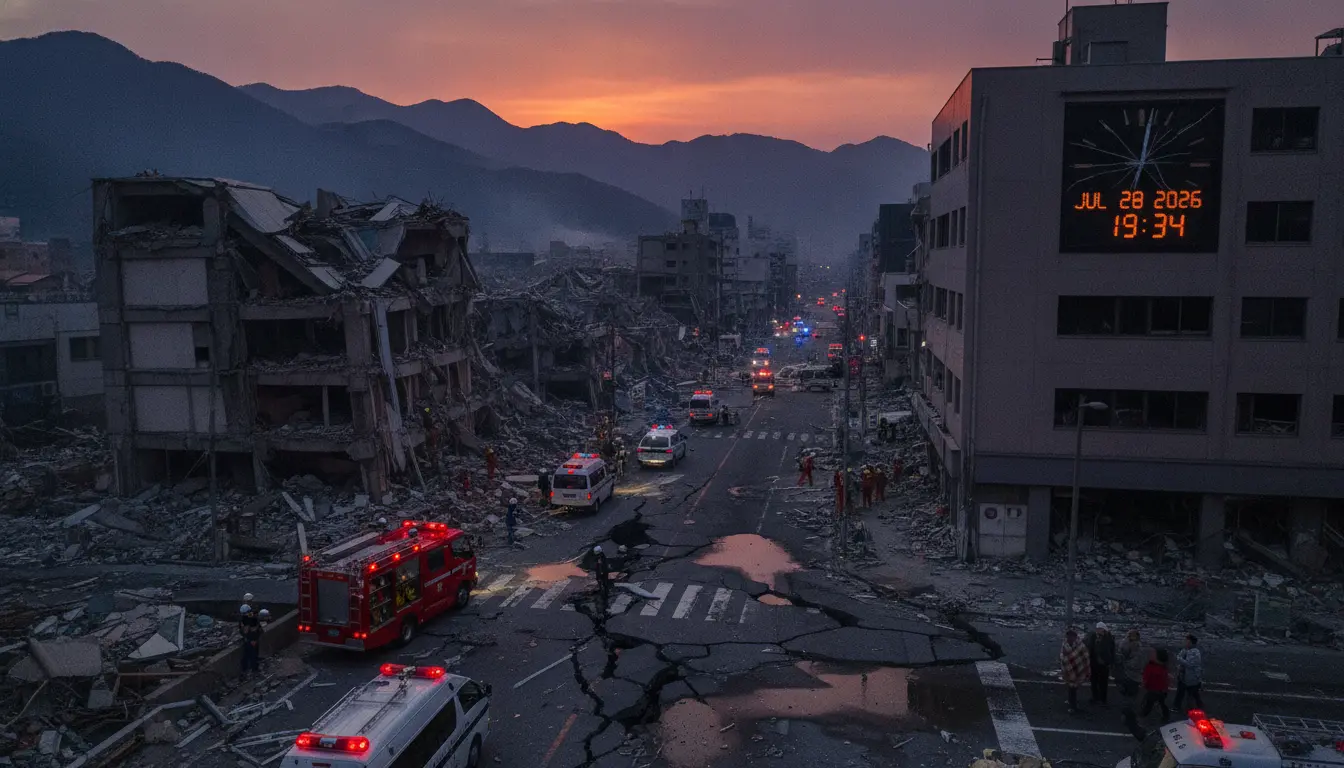
Major 7.1 Magnitude Earthquake Jolts Southern Japan, Heightening Aftershock Alert

Beijing Navigates Complex Economic Headwinds Amidst 2026 Growth Outlook Scrutiny