

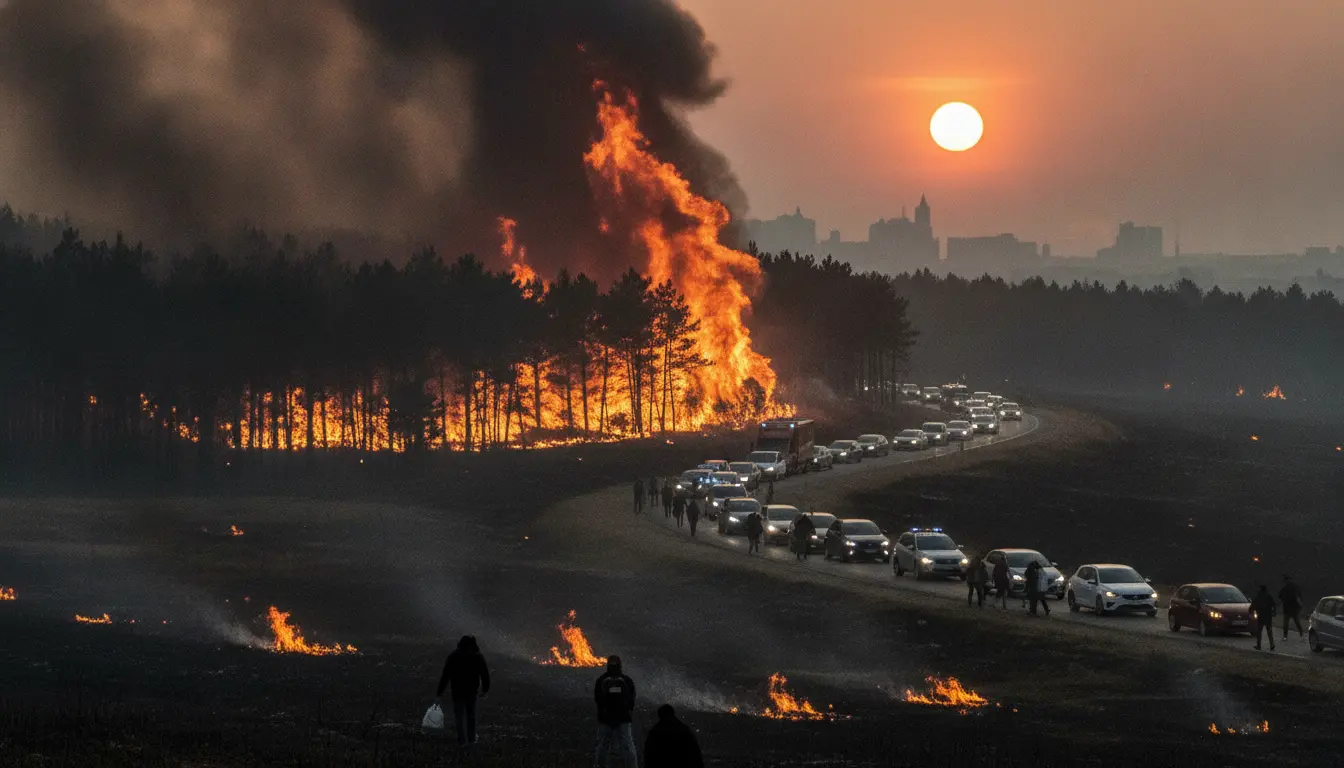
France Batters Record Wildfire Season as Blazes Near Bordeaux Force Mass Evacuations
France is confronting one of its most severe wildfire seasons on record, with more than 115,000 hectares already burned across the country this year and the fire season still far from over. The blazes, concentrated in the southwestern Gironde region near Bordeaux, have forced hundreds of thousands of residents and tourists to evacuate their homes and holiday accommodations, stretching emergency services to their limits. The scale of the destruction has reignited urgent debates about forest management, climate adaptation, and the preparedness of European nations for a future of intensifying fire weather.
The most dramatic scenes have unfolded in the pine forests of the Landes region, where two major fires merged into a single inferno that consumed over 20,000 hectares in a matter of days. Firefighters from across France, reinforced by crews from Germany, Italy, and Spain, have battled the flames using water-bombing aircraft and ground teams, but shifting winds and tinder-dry conditions have repeatedly frustrated containment efforts. The French government has deployed thousands of civil security personnel and activated the European Union’s Civil Protection Mechanism to coordinate international assistance. Prime Minister Élisabeth Borne visited the affected areas, pledging emergency compensation for farmers and forest owners whose livelihoods have been devastated.
Climate scientists point to a combination of prolonged drought, record-breaking heatwaves, and decades of monoculture pine planting as underlying causes. France experienced its hottest July on record, with temperatures exceeding 40°C in many parts of the country, desiccating vegetation and creating ideal conditions for rapid fire spread. The country’s fire season, traditionally confined to the Mediterranean coast, has expanded northward and westward, catching regions unaccustomed to large blazes off guard. The Gironde prefecture has issued repeated evacuation orders, with over 150,000 people displaced at the peak of the crisis, including thousands of campers who fled with little more than the clothes on their backs.
The economic toll is mounting rapidly. Beyond the immediate costs of firefighting and emergency housing, the fires have destroyed vast tracts of timberland, disrupted the region’s wine and tourism industries, and caused severe air pollution that has drifted as far as Paris. Insurance claims are expected to run into the hundreds of millions of euros. Local officials have warned that the recovery will take years, and that the current fire season may yet break the grim record of 150,000 hectares burned, a threshold that now appears disturbingly plausible. Environmental groups have called for a fundamental shift in land-use policy, including the creation of firebreaks, the reintroduction of mixed forests, and stricter controls on development in fire-prone areas.
International attention has focused on the role of climate change in amplifying fire risk. A rapid attribution study by the World Weather Attribution network found that the heatwave that preceded the fires was made at least five times more likely by human-caused global warming. French President Emmanuel Macron has linked the disaster to the broader climate emergency, announcing new investments in firefighting aircraft and satellite-based early warning systems. However, critics argue that such measures are reactive rather than preventive, and that France must urgently adopt a national wildfire strategy that addresses the root causes of landscape flammability.
As the fire season continues into autumn, the situation remains precarious. Meteorologists forecast little relief in the coming weeks, with above-average temperatures and below-normal rainfall expected across much of southern and western France. Firefighters are bracing for further outbreaks, particularly in the Massif Central and the Alps, where drought conditions are also severe. The human cost is already evident: thousands of families displaced, homes reduced to ash, and a growing sense of unease that what was once a rare catastrophe may become a recurring ordeal. For France, the fires of 2026 are not just a crisis of the moment but a stark warning of the challenges ahead in a warming world.
Stay Informed. Act Smarter.
Get weekly highlights, major headlines, and expert insights — then put your knowledge to work in our live prediction markets.
Related News
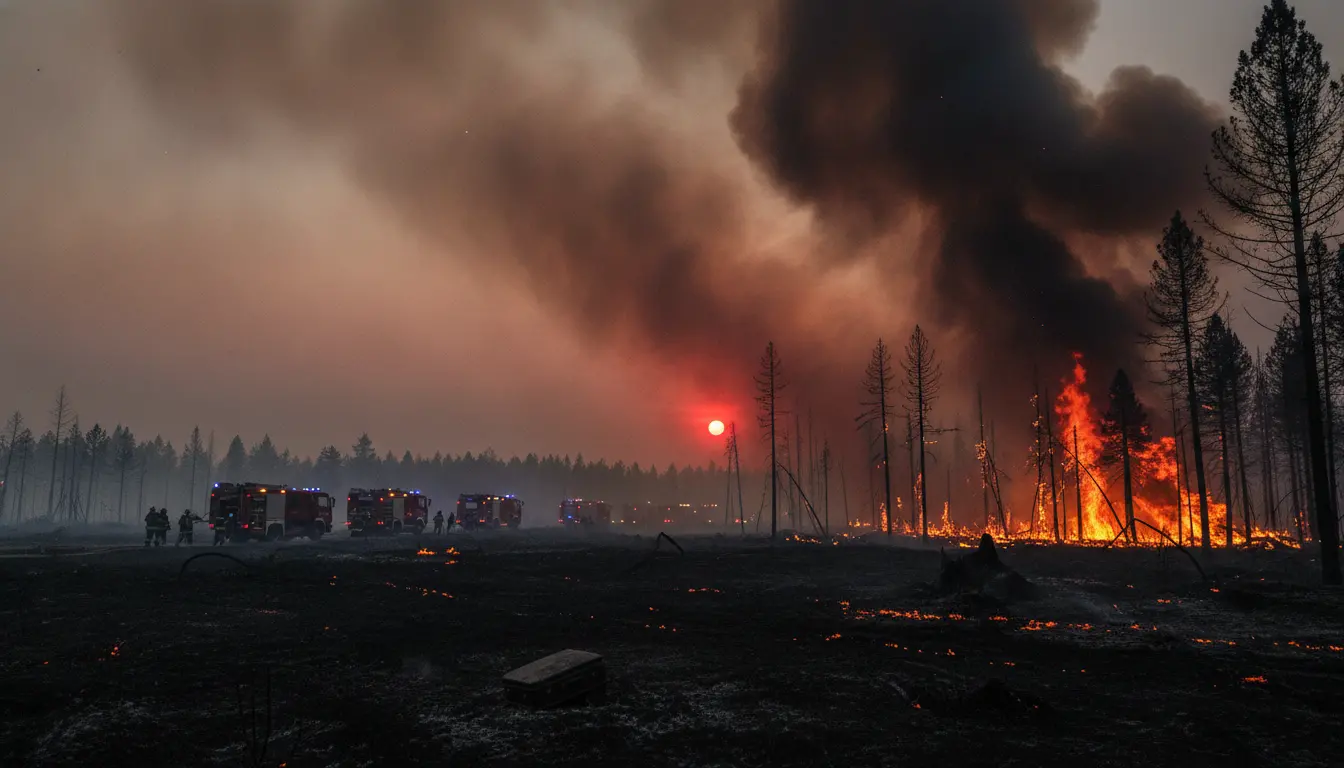
Southern Europe Grapples with Escalating Wildfire Crisis Amidst Climate Change Intensification
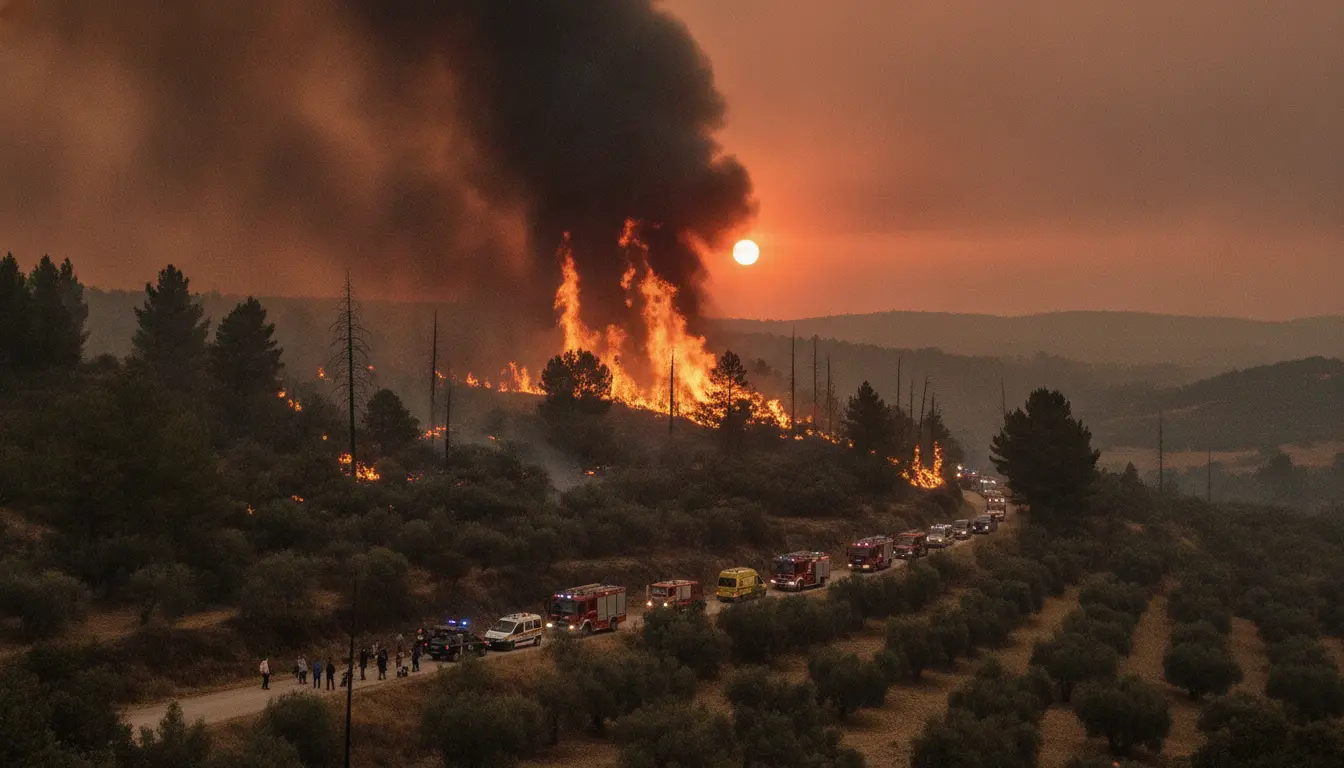
Southern Spain Engulfed by Deadly Wildfires Amid Extreme Heatwave, Mounting Casualties Feared
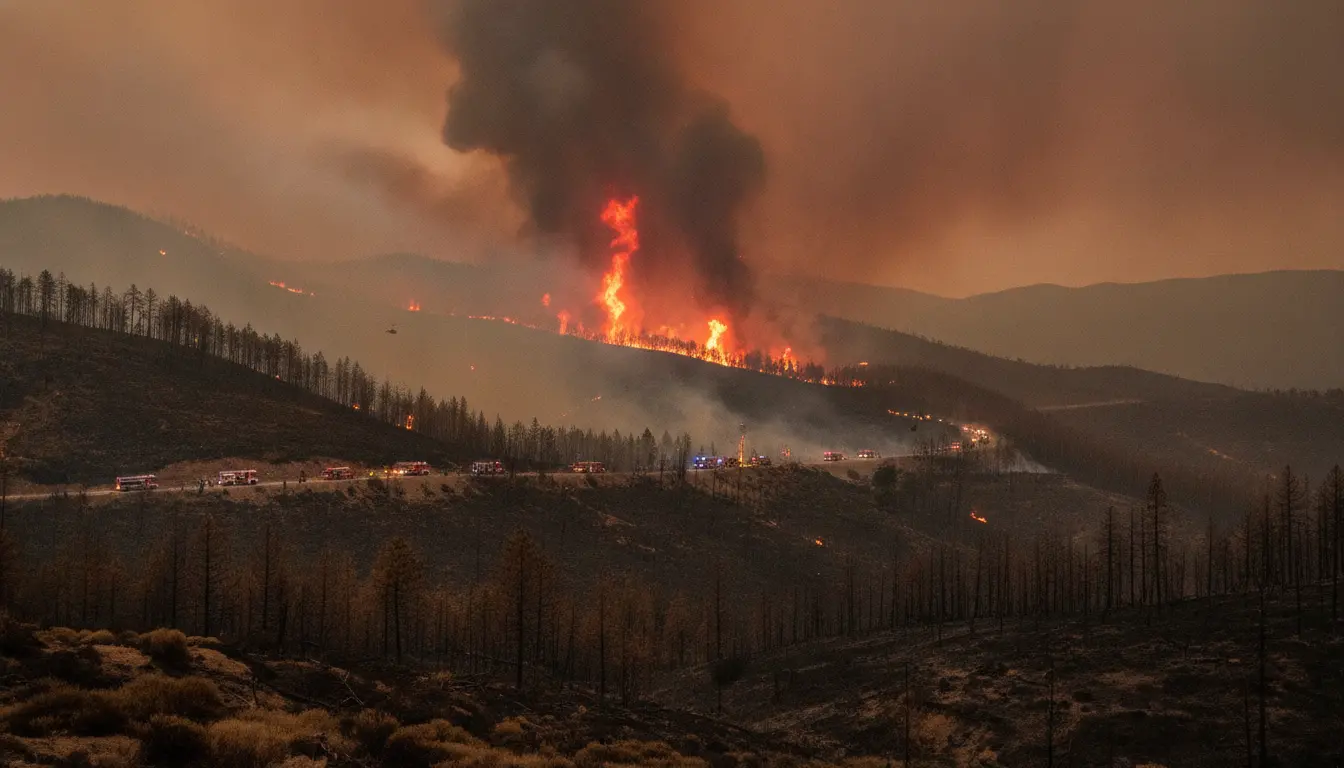
Southern Spain Grapples with Catastrophic Wildfire as Death Toll Rises Amid Intensifying Emergency Efforts
Europe Confronts Escalating Climate Risks as Record Heatwaves Push Temperatures Towards Unprecedented Levels
Europe Faces Heightened Risk of Recurring Severe Heatwaves Through 2026

Deadly Heatwaves Grip Europe, Prompting Widespread Health Alerts and Environmental Concerns
As Europe Sizzles, Climatologists Warn It's a Matter of When, Not If, All-Time Heat Record Falls
Deadly 7.7-Magnitude Quake Strikes Indonesia's Flores Island, Casualties Feared to Climb
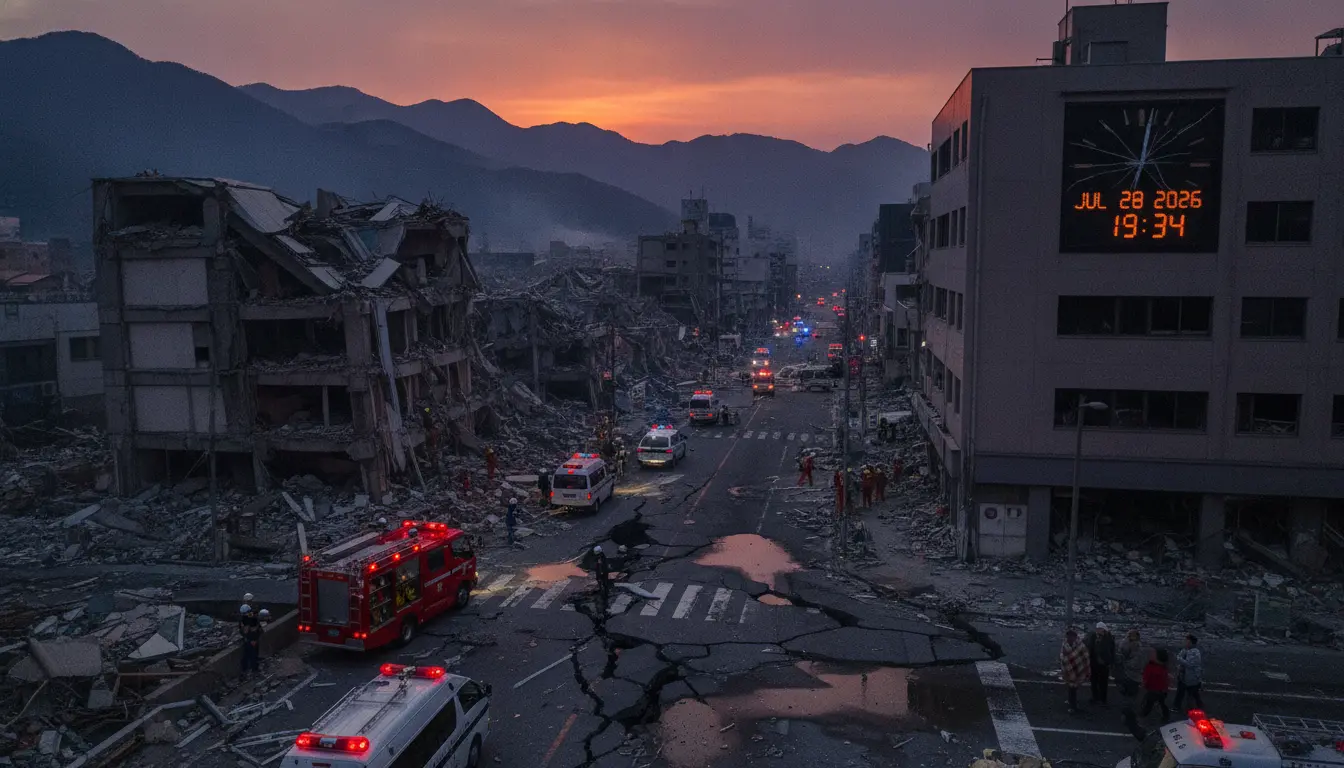
Major 7.1 Magnitude Earthquake Jolts Southern Japan, Heightening Aftershock Alert

EU AI Act Gears Up for Crucial High-Risk System Obligations by August 2026