

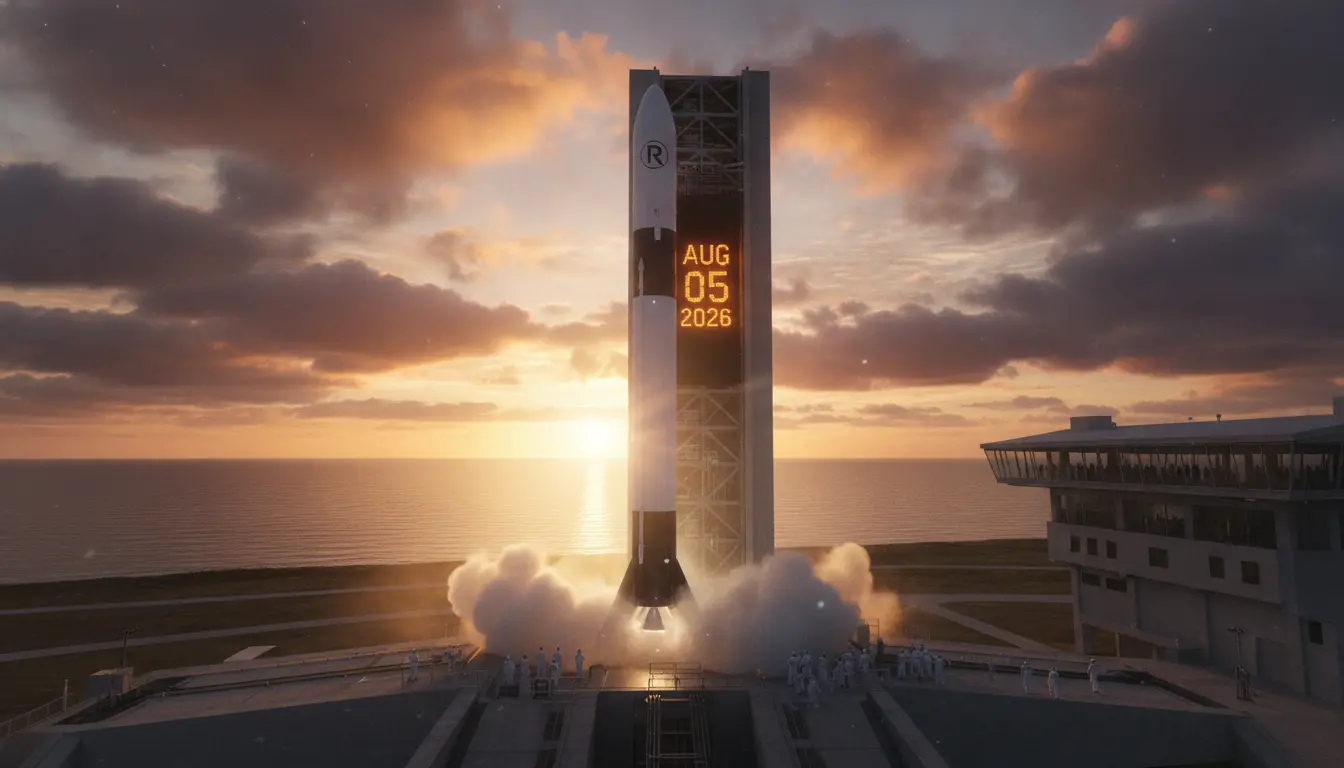
Rocket Lab Readies Neutron for Inaugural Launch Amid High Expectations
Rocket Lab is gearing up for a pivotal moment in its history with the highly anticipated maiden flight of its much larger Neutron rocket, currently slated for around August 5, 2026. This inaugural launch represents a significant leap for the company, moving beyond its well-established Electron rocket into the competitive medium-lift launch vehicle market. The success of Neutron is seen as crucial for Rocket Lab's long-term growth ambitions, positioning it as a key player capable of deploying larger satellite constellations and more substantial payloads, directly challenging incumbents and new entrants alike in the commercial space sector.
Neutron is designed as a two-stage, medium-lift rocket capable of carrying up to 8,000 kg to low Earth orbit (LEO) in its reusable configuration, and up to 15,000 kg in its expendable form. A standout feature is its innovative design incorporating a reusable first stage and an adaptable fairing that remains integrated with the second stage, eliminating the need for jettisoning. This approach, coupled with its use of carbon composite structures and advanced Archon engines, is intended to significantly reduce launch costs and turnaround times. Unlike the Electron, which is primarily for small satellites, Neutron aims to tap into the booming demand for deploying mega-constellations and larger governmental or commercial payloads, which currently dominate the manifest of other major launch providers.
The company, founded by Peter Beck, has carved out a robust niche with its Electron rocket, having conducted dozens of successful missions and becoming a leading provider of dedicated small satellite launch services. Electron's reliability and precision have earned Rocket Lab a strong reputation and a backlog of contracts. However, to truly scale its operations and meet evolving market demands, a medium-lift capability was essential. The development of Neutron, first unveiled in 2021, signaled Rocket Lab's intent to broaden its addressable market and compete head-on with established aerospace giants and dynamic newcomers in a rapidly expanding space economy.
The global commercial launch market is experiencing unprecedented growth, driven by an insatiable demand for satellite internet, Earth observation, and national security missions. Companies like SpaceX, with its Falcon 9, and United Launch Alliance (ULA) with its Vulcan Centaur, along with European and Asian competitors, are all vying for a piece of this lucrative pie. Neutron’s entry is not merely about adding another rocket to the mix; it represents Rocket Lab’s strategic move to offer a distinct, cost-effective, and highly responsive launch solution within this congested landscape. Its reusability features are designed to directly compete with the cost efficiencies offered by current market leaders, potentially disrupting existing pricing models and increasing access to space for a broader range of customers.
For Rocket Lab, the stakes are exceptionally high. A successful maiden flight of Neutron would not only validate years of engineering and investment but also unlock significant revenue streams and solidify its position as a full-spectrum space company, encompassing launch services, satellite manufacturing, and on-orbit operations. Conversely, any major setbacks could undermine confidence and delay its ambitious expansion plans. The space industry watches closely, as Neutron’s performance will be a critical indicator of Rocket Lab’s ability to transition from a small-launch specialist to a formidable competitor in the more capital-intensive medium-lift segment, further shaping the future trajectory of commercial space exploration and utilization from its operational bases in the United States and New Zealand.
Stay Informed. Act Smarter.
Get weekly highlights, major headlines, and expert insights — then put your knowledge to work in our live prediction markets.
Related News
SpaceX Targets September 2026 Falcon Launch Amid Global Starlink Expansion Efforts
China's Private Space Sector Accelerates Reusable Rocket Development, Targets 2026 Landing
SpaceX Targets Tower Catch of Starship Booster on Next Test Flight
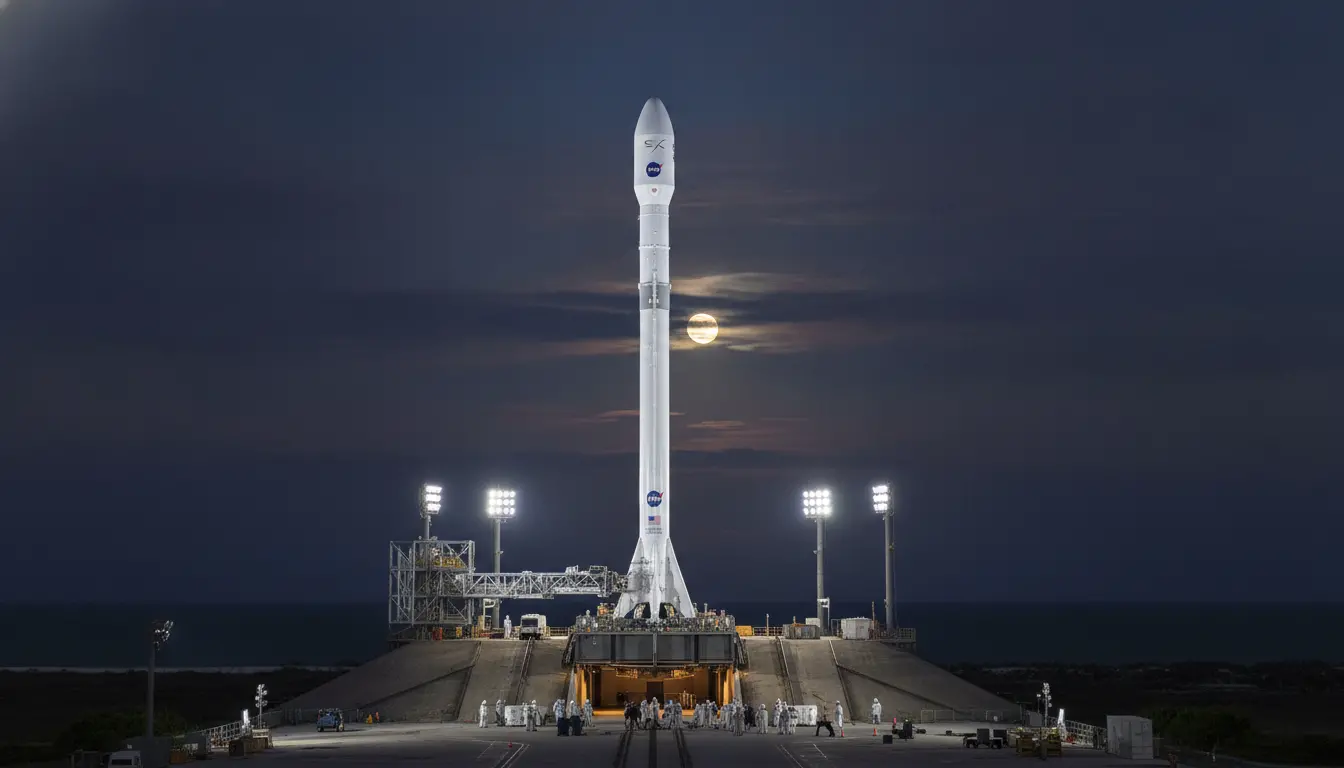
NASA and SpaceX Finalize Preparations for Crew-13 Mission to International Space Station
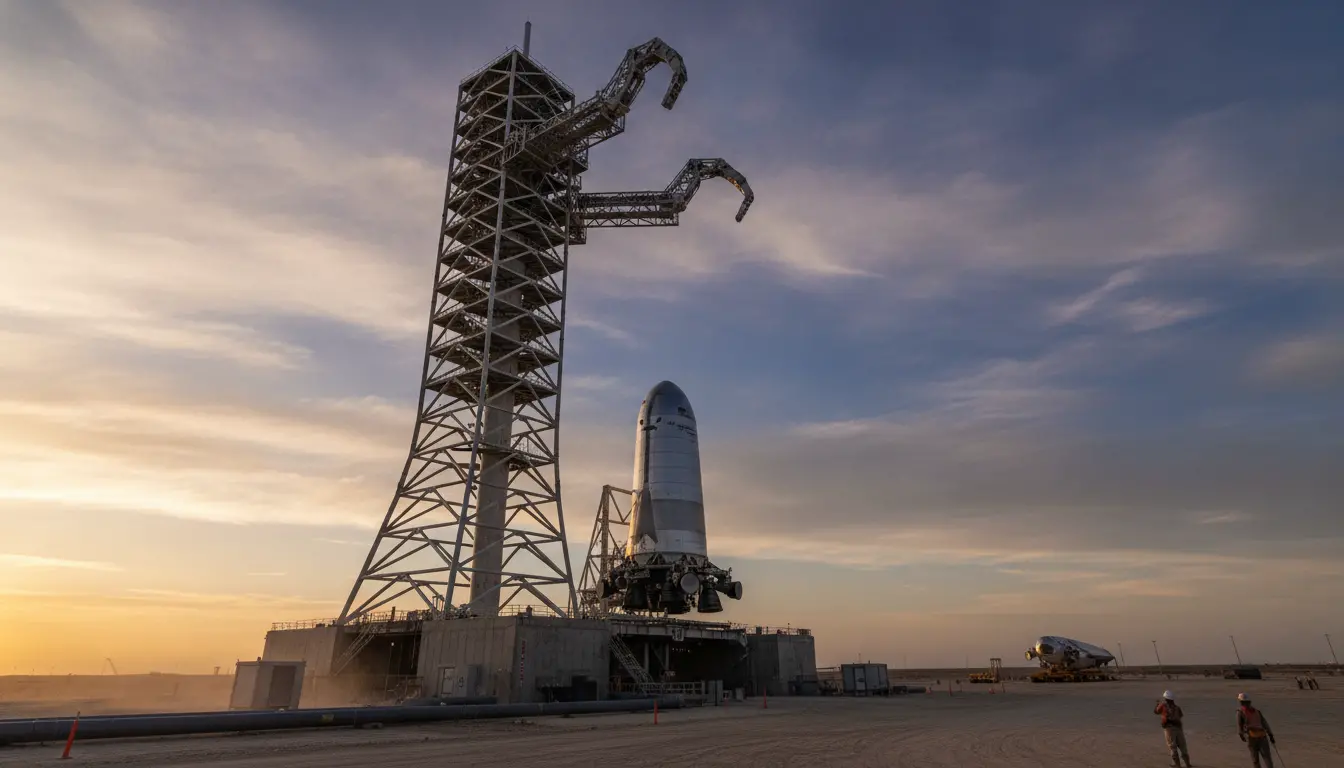
SpaceX Advances Toward 'Mechazilla' Tower Catch, A Critical Step for Rapid Rocket Reusability

xAI Poised to Launch Next-Generation Grok Model by August 2026, Emphasizing Scientific and Reasoning Capabilities
AI Logistics Firm NASN Intelligent Tech Sets August 7 Debut, Posing Key Test for Tepid IPO Market

Anthropic Poised to Unveil Major Claude Successor by 2026, Promising Advanced Reasoning and Multimodality

Industry Eyes 'Claude 5' as Anthropic's Next Major Leap in AI Reasoning and Scale

Anthropic Sets October 2026 for Major AI Model Update, Industry Eyes Potential Claude 6 Debut