

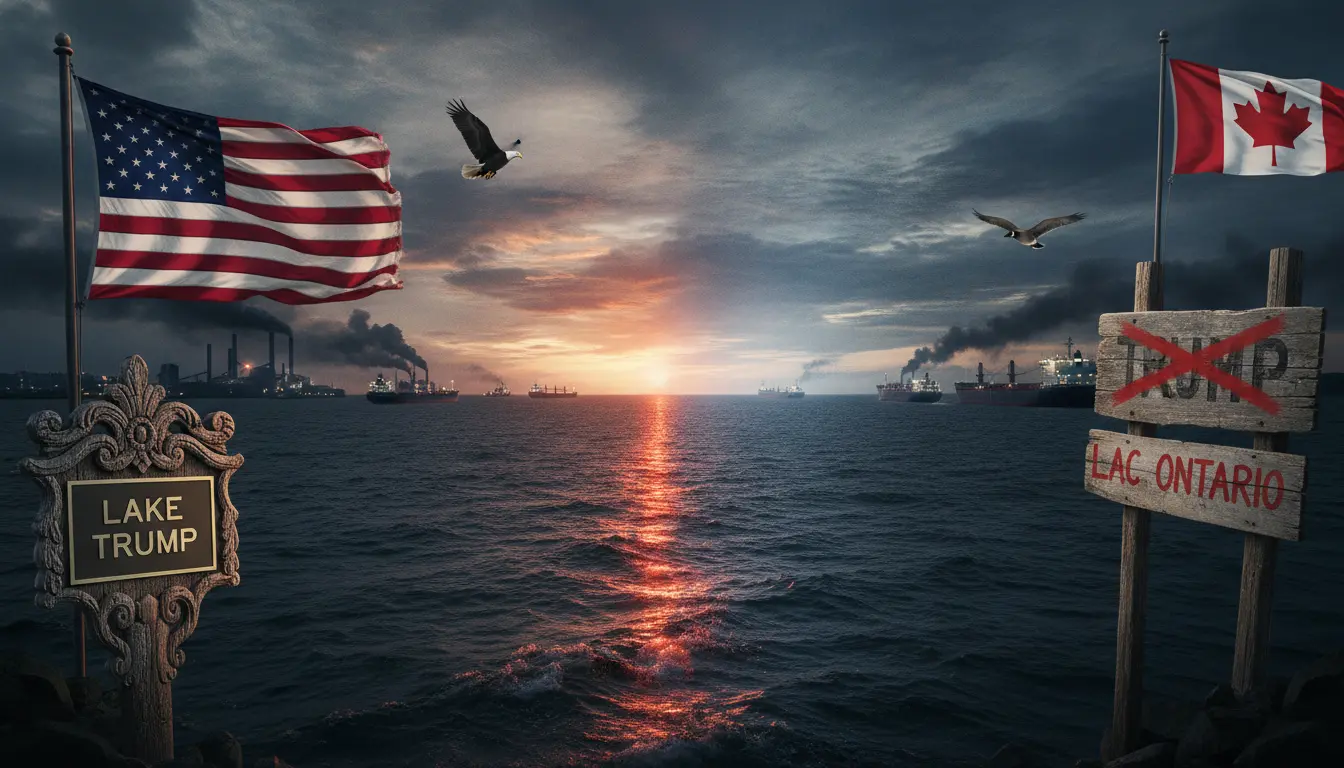
US-Canada Trade War Escalates as Trump Signs Order to Rename Lake Ontario
The simmering trade dispute between the United States and Canada has taken a dramatic and symbolic turn, with President Donald Trump signing an executive order to rename Lake Ontario, a move that has sent shockwaves through diplomatic circles and raised fears of a prolonged economic standoff. The order, which also includes threats of sweeping tariffs on Canadian goods, marks a significant escalation in what has become one of the most contentious bilateral relationships in recent memory. While the renaming of the lake is largely ceremonial, it underscores the administration's aggressive posture toward its northern neighbor and signals that the trade war is far from over.
The conflict began over disagreements on dairy tariffs and softwood lumber, but has rapidly expanded into a broader confrontation over trade imbalances and border security. The Trump administration has repeatedly accused Canada of unfair trade practices, particularly in the agricultural sector, where Canadian supply management systems impose high tariffs on American dairy products. In response, the White House has threatened to impose tariffs on a wide range of Canadian goods, including automobiles, aluminum, and lumber. These threats have prompted Canadian officials to warn of retaliatory measures, potentially targeting U.S. goods such as orange juice, bourbon, and motorcycles. The escalating rhetoric has left businesses on both sides of the border bracing for disruption, with supply chains already showing signs of strain.
The renaming of Lake Ontario, one of the Great Lakes that forms part of the U.S.-Canada border, has been widely interpreted as a deliberate provocation. The executive order, which was signed without prior consultation with Canadian authorities, has been condemned by Canadian Prime Minister Justin Trudeau, who called it a "disrespectful and counterproductive" act. The move has also drawn criticism from environmental groups and indigenous communities, who argue that the lake's name carries deep historical and cultural significance. Despite the backlash, the White House has defended the decision, framing it as a assertion of American sovereignty and a response to what it describes as Canada's "unfair and hostile" trade policies.
The economic stakes are high. The United States and Canada are each other's largest trading partners, with bilateral trade exceeding $700 billion annually. A full-blown trade war could have severe consequences for both economies, potentially leading to job losses, higher consumer prices, and a slowdown in cross-border investment. Economists have warned that the uncertainty alone is already having a chilling effect, with many companies postponing expansion plans and reconsidering their supply chain strategies. The automotive industry, which relies heavily on integrated cross-border production, is particularly vulnerable. A 25% tariff on Canadian-made vehicles, as threatened by the White House, could add thousands of dollars to the price of a new car and disrupt the entire North American manufacturing ecosystem.
Diplomatic efforts to de-escalate the situation have so far yielded little progress. Trade negotiations, which were scheduled to resume this week, were abruptly canceled following the Lake Ontario order. Canadian officials have insisted that they remain open to dialogue, but have made it clear that they will not negotiate under the threat of tariffs. Meanwhile, the Trump administration has shown little appetite for compromise, with the President tweeting that "Canada has taken advantage of the United States for decades, and those days are over." The stalemate has raised concerns among U.S. allies and trading partners, who fear that the dispute could spill over into other areas of international trade and undermine the global rules-based order.
Looking ahead, the prospects for a resolution by the end of March 2027 appear increasingly uncertain. While both sides have expressed a desire to avoid a prolonged conflict, the political dynamics on both sides of the border make a quick settlement unlikely. In the United States, the trade war has become a key issue in the upcoming midterm elections, with the President staking his political capital on a tough stance against Canada. In Canada, the government faces pressure from its own constituencies to stand firm against American bullying. As the standoff continues, businesses and consumers are left to navigate an increasingly unpredictable trade environment, with the possibility of further escalation looming large. The renaming of Lake Ontario may be a symbolic gesture, but it has crystallized the deep divisions between the two nations and set the stage for a protracted and costly confrontation.
Stay Informed. Act Smarter.
Get weekly highlights, major headlines, and expert insights — then put your knowledge to work in our live prediction markets.
Related News
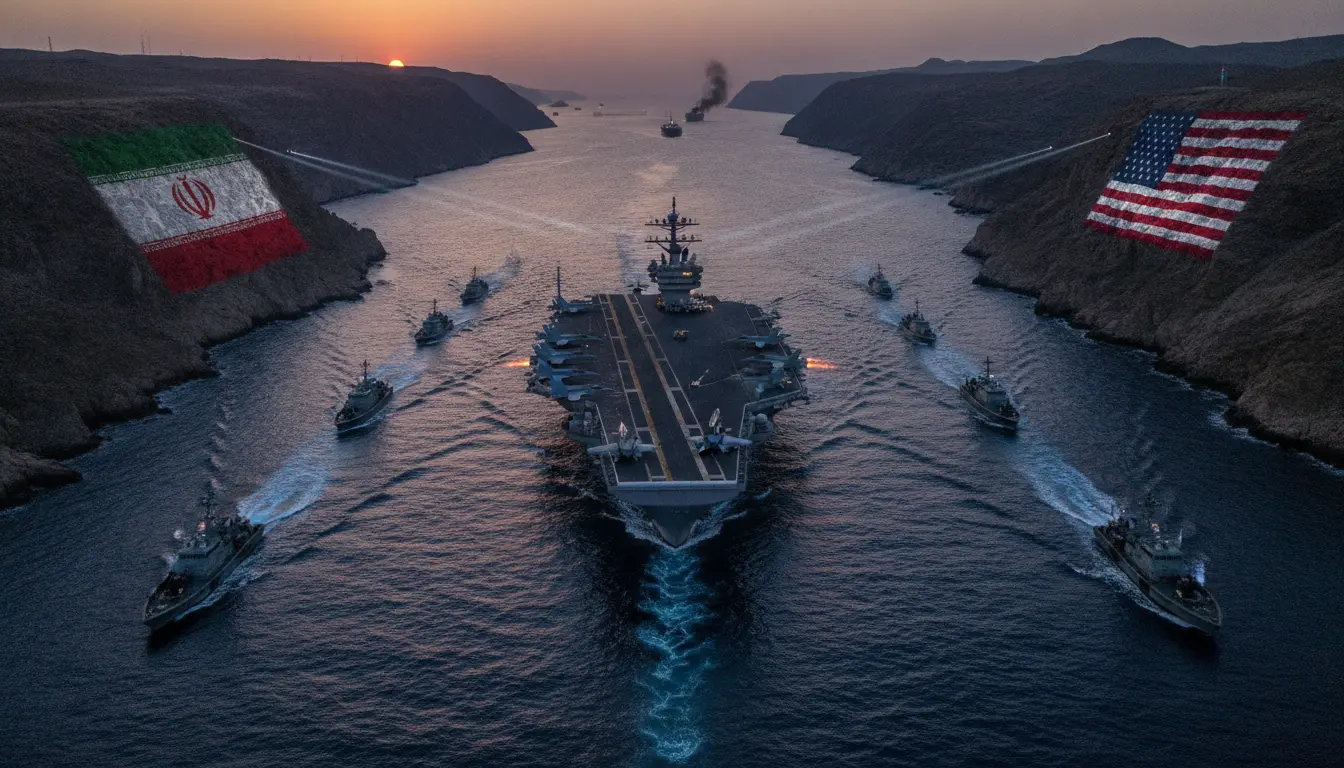
US and Iran Intensify Standoff for Control of Vital Strait of Hormuz

Outpoll Weekly Recap: Finance (August 10 – 16, 2026)

Outpoll Weekly Recap: Entertainment (August 10 – 16, 2026)

Outpoll Weekly Recap: AI (August 3 – 9, 2026)
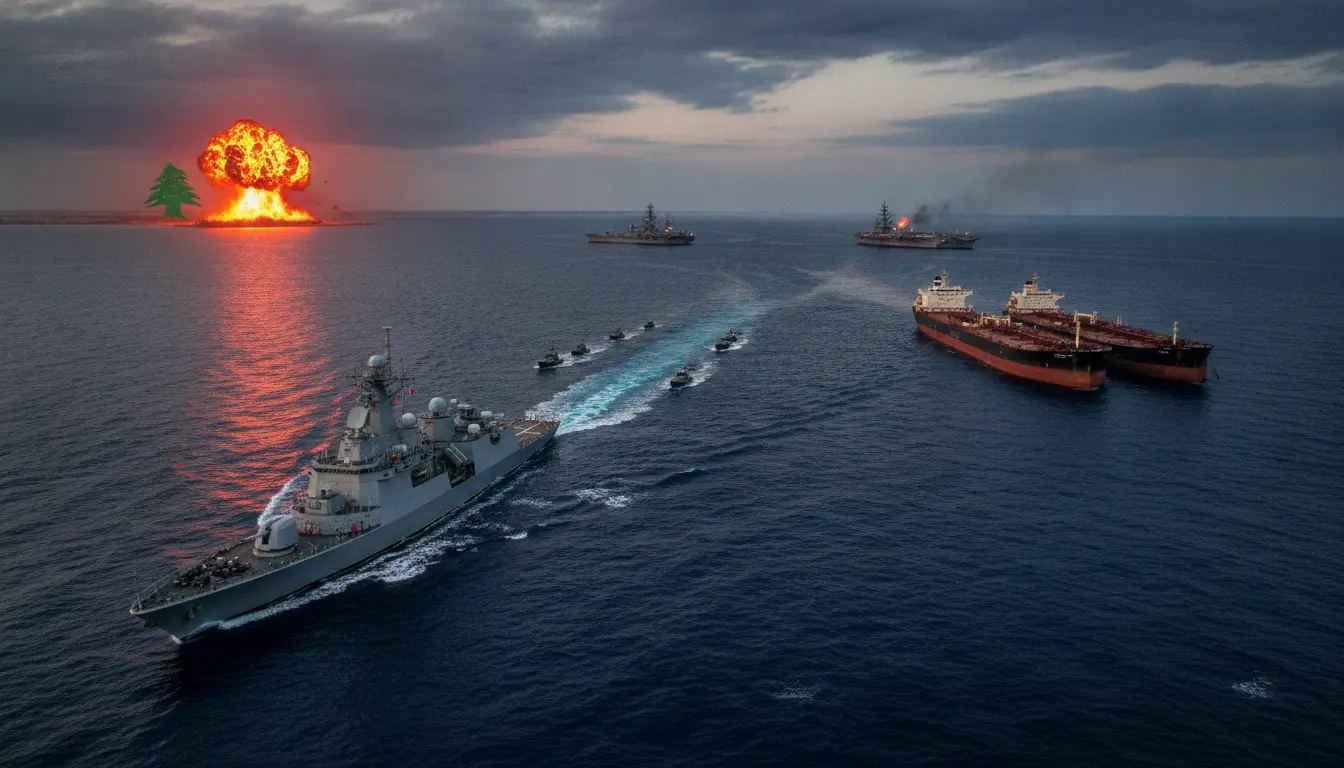
Iran says it's closing Strait of Hormuz, citing Israeli strikes on Lebanon

Outpoll Weekly Recap: AI (August 17 – 23, 2026)

OpenAI Reportedly Pursues $42 Billion Investment from Potential Trump Administration

Microsoft Weighs Deeper OpenAI Ties Amid Speculation of Billion-Dollar Investment or Acquisition

Outpoll Weekly Recap: Entertainment (June 29 – July 5, 2026)

Outpoll Weekly Recap: AI (August 10 – 16, 2026)