

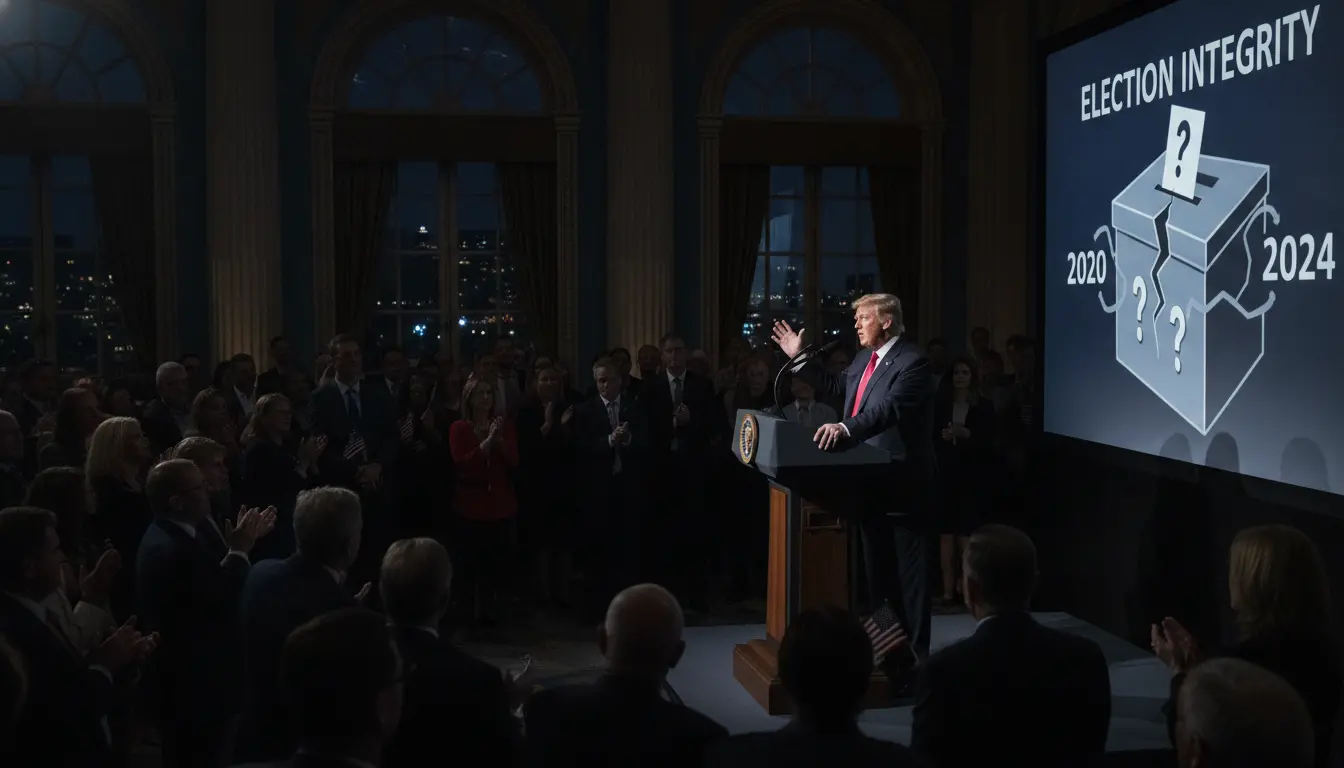
Trump's Primetime Address on Election Integrity Expected to Reignite 2020 Fraud Claims
Former President Donald Trump is scheduled to deliver a highly anticipated national address on July 16, 2026, a move that is poised to once again thrust the controversial narrative surrounding the 2020 US Presidential Election into the national spotlight. Political observers and analysts widely anticipate that Trump will use this primetime platform to explicitly reassert his long-standing claims of widespread fraud and irregularities that he alleges marred the contest, despite consistent refutations from electoral officials, courts, and independent reviews. This upcoming speech arrives at a critical juncture, years after the election, yet with its echoes still deeply reverberating through American political discourse and influencing voter sentiment.
The 2020 election itself was an unprecedented event, conducted amidst a global pandemic, which saw a significant shift towards mail-in voting. Following the results, which showed Joe Biden as the victor, Trump launched an aggressive campaign challenging the outcome. His administration and allies initiated dozens of lawsuits across multiple states, alleging various forms of malfeasance, from ballot stuffing to faulty voting machines. These legal challenges, however, were almost universally rejected by courts, including the Supreme Court, for lack of credible evidence. Despite these judicial defeats and certifications by state election boards, Trump continued to press his narrative, culminating in the "Stop the Steal" rallies and the January 6th Capitol attack, which saw a violent mob attempting to prevent the congressional certification of electoral votes.
Since leaving office, the former president has consistently maintained that the election was illegitimate, a core tenet of his political identity and a rallying cry for his substantial base. This narrative has become a litmus test within the Republican Party, shaping primary contests and influencing the platforms of aspiring candidates. His ongoing insistence on the 2020 election's alleged flaws has fueled significant distrust in democratic institutions among a segment of the electorate, creating a persistent challenge for the nation's political stability and electoral processes. Critics argue that these repeated unsubstantiated claims erode public faith in foundational democratic principles, while supporters view them as legitimate concerns about electoral security.
Given the context of his continued political activity and the looming possibility of future electoral campaigns, Trump’s choice to dedicate a national address to “election integrity” is seen as a strategic move. The specific language he employs will be scrutinized intensely. An explicit declaration that the 2020 election was “stolen” would not merely be a reiteration but a forceful reaffirmation designed to energize his base and frame future political battles. Such a statement would likely provoke immediate condemnation from Democrats and non-partisan electoral watchdog groups, who would undoubtedly highlight the absence of evidence supporting such sweeping allegations. Conversely, it would be celebrated by his most ardent followers, solidifying his position as a champion against what they perceive as a corrupt system.
The implications of this address extend far beyond merely revisiting past events. For the Republican Party, it could either further solidify its internal divisions regarding the 2020 election or serve as a moment of renewed unity around a shared grievance, depending on how various factions interpret and respond to the speech. For the broader political landscape, it threatens to deepen partisan divides and intensify debates over electoral reforms, voter ID laws, and the role of federal oversight in state elections. The speech also carries significant weight for the integrity of future elections, as continued questioning of past results can sow doubt and dampen civic participation. As the nation approaches another election cycle, how effectively Trump leverages this platform to influence public perception and future policy will be a defining moment in his post-presidency political legacy.
Ultimately, the July 16th address is more than just a speech; it is a meticulously orchestrated event designed to cement a particular view of the 2020 election in the public consciousness, with profound consequences for the ongoing health of American democracy. Whether it simply reinforces existing beliefs or manages to shift broader public opinion remains to be seen, but its capacity to ignite fresh controversy and galvanize political action is undeniable. The nation watches, poised for a discourse that promises to be as polarizing as the events it purports to describe.
Stay Informed. Act Smarter.
Get weekly highlights, major headlines, and expert insights — then put your knowledge to work in our live prediction markets.
Related News
Donald Trump's Approval Ratings Face Key Test Following High-Profile Public Engagements Ahead of Mid-2026 Assessment
Donald Trump Under Consideration to Headline Mount Rushmore 'America 250' Celebrations

Donald Trump's Endorsement Power Faces Pivotal Test in 2026 Midterm Elections
Donald Trump Faces Looming Prospect of New Federal and State Indictments Amid Sweeping Investigations
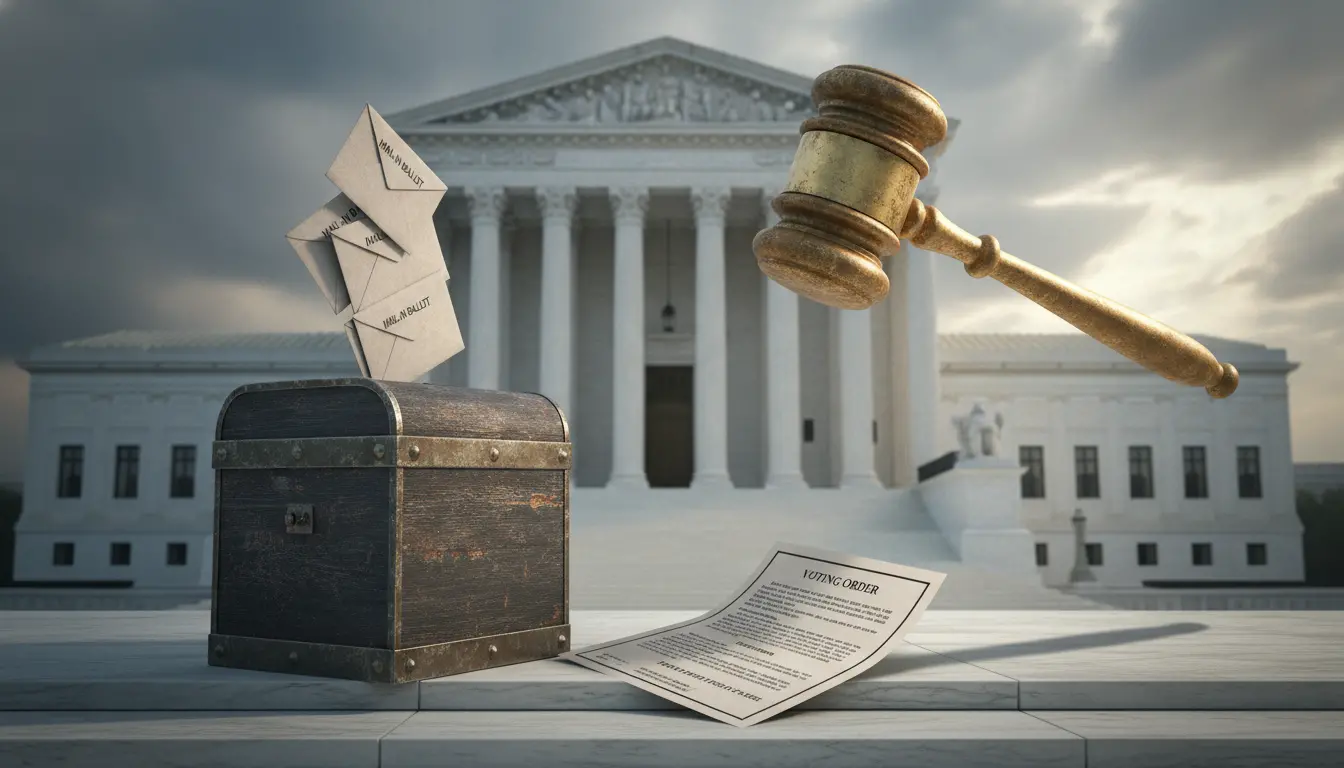
Supreme Court Considers Trump-Era Mail-In Voting Order Amidst Looming Election Cycle
Donald Trump Faces Intensified Legal Scrutiny for Potential New Federal Charges
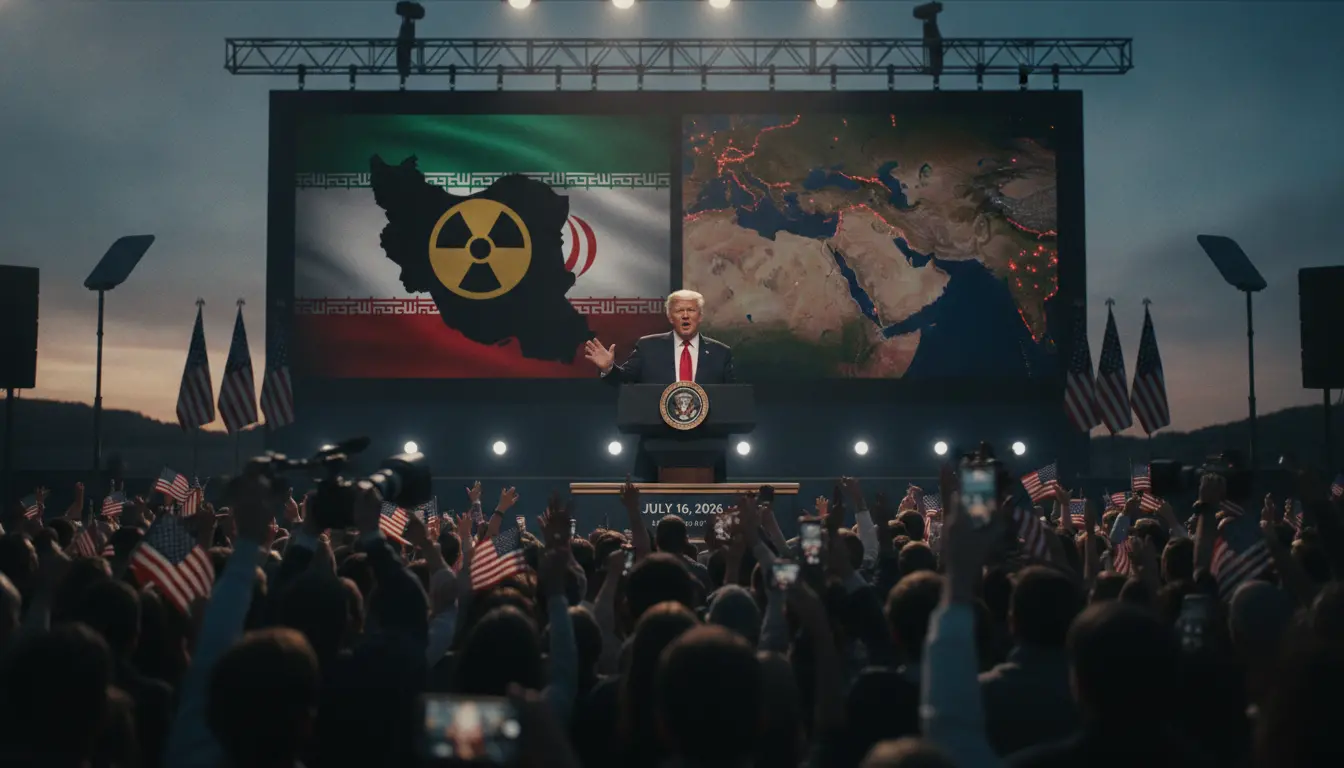
President Trump Poised to Announce New Iran Sanctions Amid Escalating Regional Tensions

Trump's Georgia Election Interference Case Navigates Complex Legal Terrain
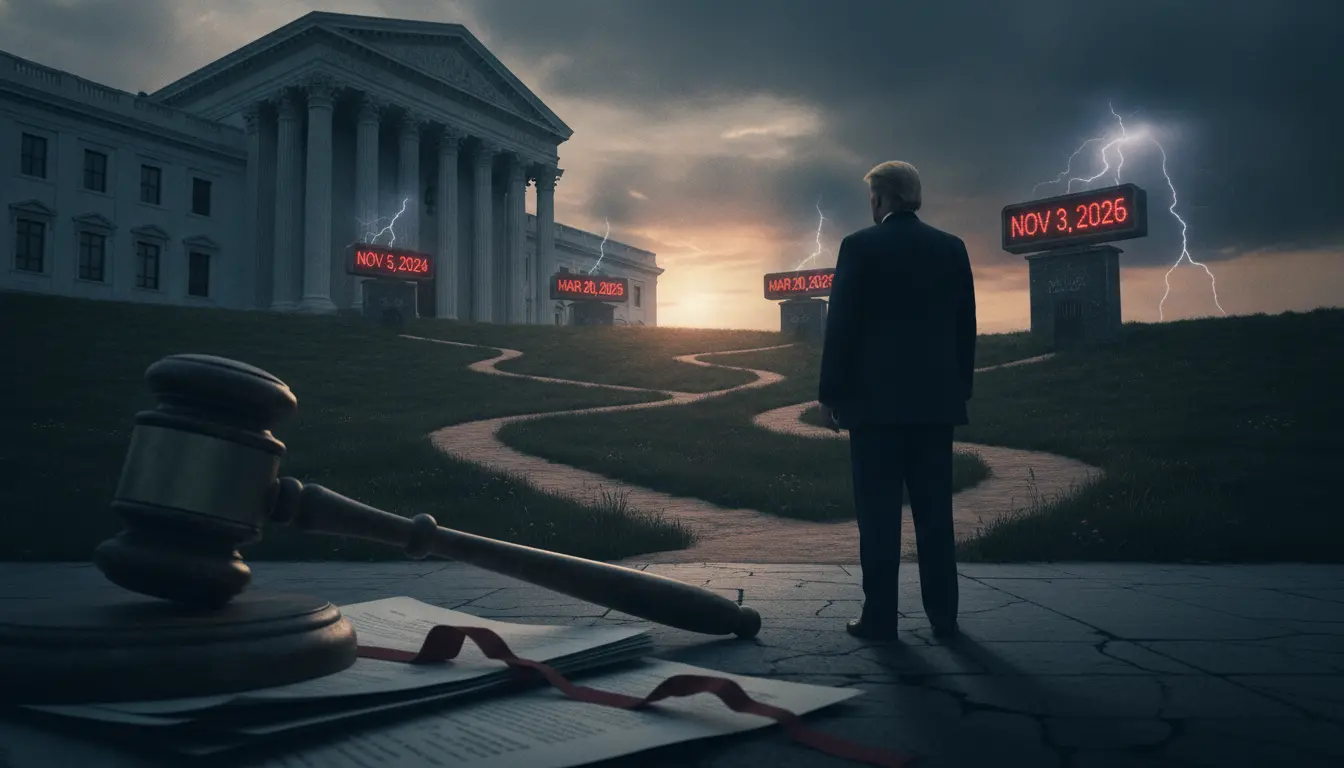
Donald Trump's Extensive Legal Battles Face Critical Junctures Ahead of 2026 Midterm Elections
Intensifying Political and Legal Battles Renew Impeachment Speculation for Donald Trump