

- News
- Politics
- Keiko Fujimori's Enduring Political Influence Sets Stage for Contentious 2026 Peruvian Presidential Race
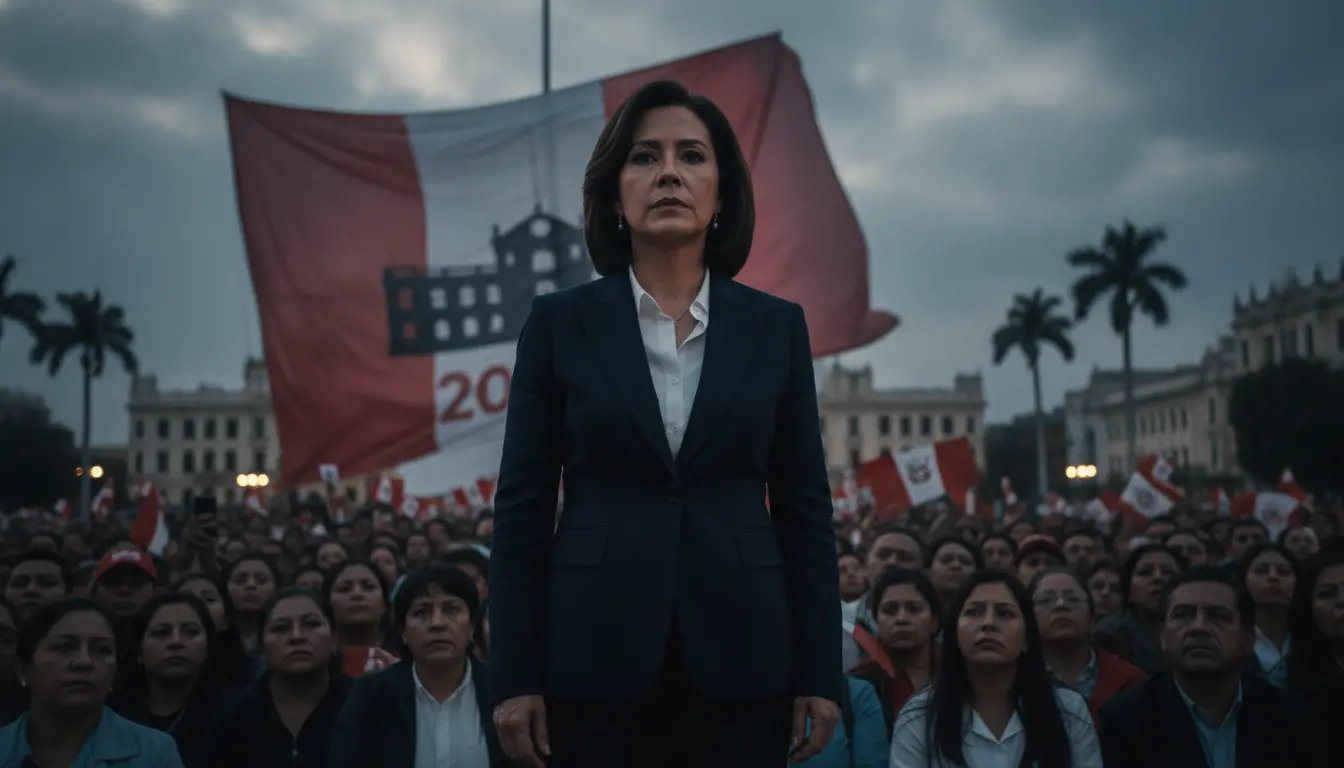
Keiko Fujimori's Enduring Political Influence Sets Stage for Contentious 2026 Peruvian Presidential Race
As Peru grapples with persistent political instability, the shadow of Keiko Fujimori looms large over the country's upcoming 2026 presidential election. The daughter of controversial former President Alberto Fujimori, Keiko has been a dominant, albeit divisive, force in Peruvian politics for over a decade, having made three consecutive unsuccessful bids for the presidency. Her anticipated candidacy for a fourth time signals another deeply polarized electoral cycle, with the nation bracing for a contest that will inevitably rekindle old wounds and test the resilience of its democratic institutions.
Fujimori’s political journey is inextricably linked to the legacy of her father, whose authoritarian rule in the 1990s continues to evoke both fervent loyalty and bitter opposition. This "Fujimorismo" movement forms the bedrock of her support, appealing to segments of the population that credit her father with bringing economic stability and defeating the Shining Path insurgency. However, it also fuels intense antipathy among those who remember his government for human rights abuses, corruption, and the 1992 auto-golpe (self-coup). Keiko has attempted to distance herself from her father's more problematic aspects while simultaneously capitalizing on his enduring appeal, a balancing act that has defined her career and largely contributed to her narrow electoral defeats in 2011, 2016, and 2021, each time losing by razor-thin margins.
The prospect of another Fujimori run comes at a time when Peru’s political landscape is more fragmented and volatile than ever. The country has seen an unprecedented turnover of presidents and legislative bodies in recent years, marked by frequent impeachment attempts, corruption scandals, and widespread public discontent. This environment of instability, coupled with a lack of strong, unifying political figures, paradoxically often keeps Fujimori in contention, as her established party machinery and loyal voter base offer a semblance of consistency in a sea of chaos. Her opponents, meanwhile, struggle to coalesce around a viable alternative, often splitting the anti-Fujimori vote.
A potential victory for Keiko Fujimori in 2026 would not, however, guarantee a smooth transition. Peruvian electoral history is replete with examples of protracted and contentious certification processes, particularly in closely contested races. Legal challenges, accusations of fraud, and demands for recounts are common, often extending the period between election day and the official declaration of results for weeks or even months. Given Fujimori’s history of narrow losses and the deep-seated political divisions she embodies, any perceived victory would undoubtedly face intense scrutiny and multiple appeals from rival campaigns and civil society groups, stretching the legal framework to its limits.
Beyond the electoral mechanics, a Fujimori presidency would carry significant implications for Peru's future. Supporters envision a return to order and decisive leadership, while critics fear a potential erosion of democratic norms, increased polarization, and a rollback of reforms. Her legal entanglements, including ongoing investigations into alleged money laundering and illicit campaign financing, further complicate her path, raising questions about governance and accountability should she assume the highest office. The 2026 election is thus shaping up to be not merely a contest of political platforms, but a critical referendum on Peru's identity, its democratic health, and its ability to reconcile with a tumultuous past.
For many Peruvians, the recurring presence of Keiko Fujimori in presidential races symbolizes the country's struggle to break free from historical cycles of populism and institutional fragility. Her enduring appeal and the fierce opposition she garners reflect deep societal fault lines that transcend mere policy differences, touching on issues of justice, memory, and the very nature of Peruvian democracy. As the 2026 election cycle approaches, the nation will once again confront these fundamental questions, with the outcome poised to shape its trajectory for years to come.
Stay Informed. Act Smarter.
Get weekly highlights, major headlines, and expert insights — then put your knowledge to work in our live prediction markets.
Related News
Peruvian President Keiko Fujimori Confronts Immediate Challenges Post-Inauguration
Vuelta a Colombia Prepares for 2026 Edition, Reigniting National Passion for Cycling

Palmeiras and Cerro Porteño Prepare for High-Stakes Copa Libertadores Round of 16 Clash in 2026

Conservative Party Grapples with Identity Crisis as Leadership Hopefuls Emerge from Electoral Wreckage

Speculation Mounts Over Lionel Messi's International Future

S&P 500 Faces Crucial Economic Tests on Path to Potential 8,200 Point Milestone by 2026
2026 Tour de Pologne Set to Challenge Elite Cyclists Across Poland
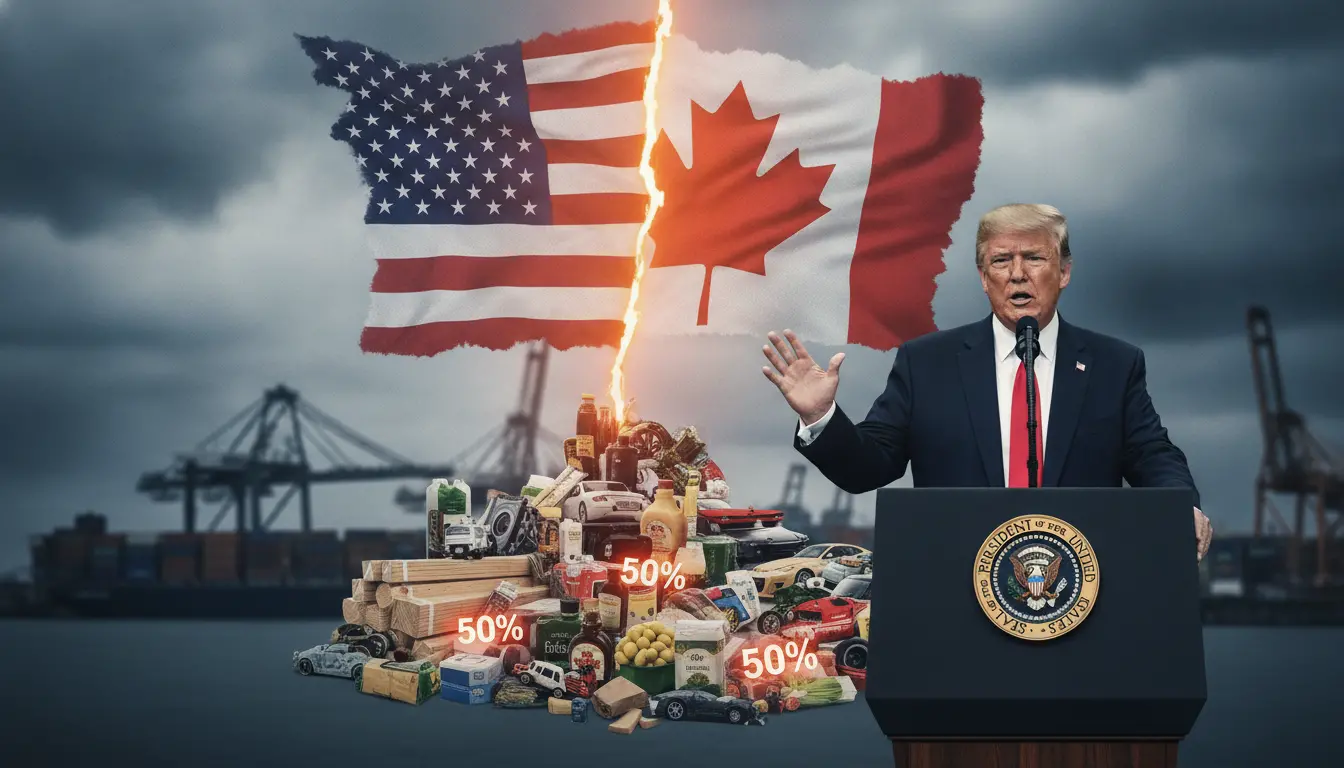
Trump Announces Intent to Impose 50% Tariffs on Most Canadian Goods, Sparking Trade Concerns

The Open Championship 2026: Golf's Oldest Major Prepares for Historic Return

Practical Magic 2 Conjures Anticipation Ahead of 2026 Premiere