

- News
- Politics
- FIFA Faces Intense Scrutiny Over Controversial Balogun Red Card Reversal Following Trump Intervention
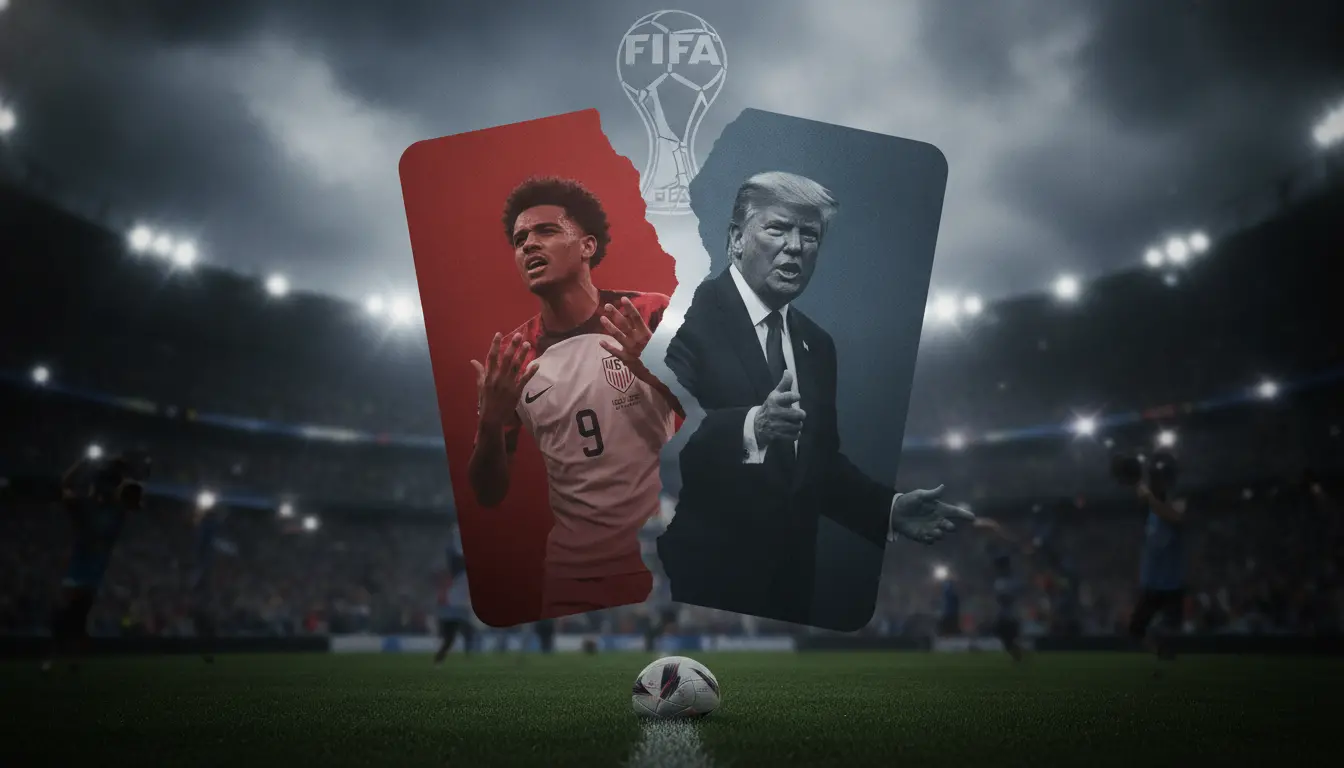
FIFA Faces Intense Scrutiny Over Controversial Balogun Red Card Reversal Following Trump Intervention
FIFA's unprecedented decision to revoke a red card issued to Folarin Balogun, a prominent American international, has ignited a firestorm within global football. The move, widely reported to follow a direct intervention from former U.S. President Donald Trump, has drawn sharp condemnation from leading European football associations, including Belgium, and threatens to unravel the delicate balance of judicial autonomy in sport. This extraordinary development casts a long shadow over the integrity of FIFA's disciplinary processes and sets a contentious precedent for political influence in sporting matters, challenging the very foundation of independent sports governance.
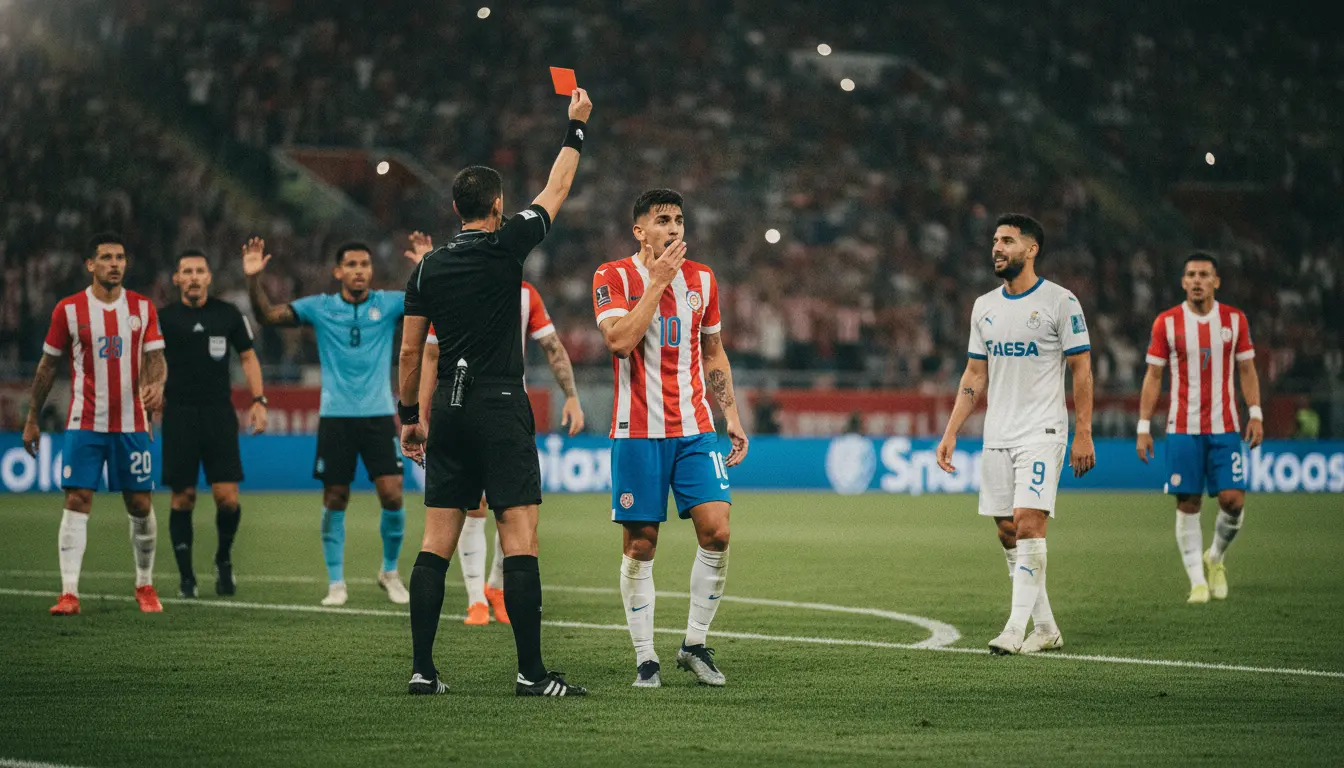
Balogun, a dynamic striker for AS Monaco, was initially dismissed during a crucial UEFA Champions League group stage fixture against a European rival for what was deemed a contentious last-man foul. The decision, though debated on the pitch and subject to rigorous VAR review, was subsequently upheld by the referee. Such disciplinary actions are typically considered final, with any subsequent appeal restricted to clear and undeniable procedural errors or misapplications of the rules by the governing body. However, reports quickly emerged that FIFA, the world's governing body for football, had unexpectedly intervened to overturn the suspension, citing vague “new evidence” and a desire to uphold the “spirit of the game.” This swift reversal circumvented the standard appeals process managed by UEFA, which governs European club competitions, directly challenging its authority and raising profound questions about the criteria for such an extraordinary review.
The controversy deepened with credible allegations linking the reversal to a direct phone call from Donald Trump to high-ranking FIFA officials. While the specifics of the alleged conversation remain undisclosed, the timing and the unprecedented nature of the reversal fueled widespread speculation that it was a direct result of political pressure exerted on behalf of a high-profile American athlete. European football federations wasted no time expressing their outrage. The Royal Belgian Football Association, a vocal critic, led a chorus of European leaders in denouncing the decision as a dangerous precedent that undermines the independence of sports arbitration. They argued emphatically that allowing political figures to influence disciplinary outcomes sets a perilous standard, potentially opening the door to widespread interference in football governance and eroding public trust in the sport's impartiality.
This incident strikes at the heart of a foundational principle in international sport: the independence of governing bodies from political influence. Organizations like FIFA, headquartered in Switzerland, and the International Olympic Committee have long championed their autonomy, asserting that sporting decisions must be free from governmental interference to ensure fair play and maintain global unity. FIFA, in particular, has a checkered past, frequently facing accusations of corruption and opacity in its decision-making, which has only amplified skepticism regarding the transparency of the Balogun reversal. The organization has previously struggled to navigate complex geopolitical landscapes, often finding itself caught between powerful national interests and its own stated commitment to impartiality. The Balogun affair, however, presents a stark and overt challenge to this ideal, as the alleged intervention came from a figure renowned for his willingness to disrupt established norms.
Critics warn that if such interventions are tolerated, it could encourage other powerful nations or political figures to exert similar pressure, leading to a fragmented and politically manipulated sporting landscape where justice is dispensed not by rules, but by political clout. The long-term ramifications for the credibility of FIFA and the entire international sports framework are profound. The relationship between FIFA and UEFA, two of football's most influential entities, has always been complex, marked by both cooperation and jurisdictional tensions. UEFA, also based in Switzerland and as the governing body for Europe, represents a significant bloc of footballing power and has historically guarded its autonomy fiercely. This direct challenge to a disciplinary matter within its primary club competition intensifies existing strains and demands a robust response to protect its own institutional integrity and the sovereignty of its member associations.
UEFA, caught between a global governing body and its aggrieved member associations, finds itself in a precarious position. While individual European federations have voiced their strong objections, the pressure mounts on UEFA itself to take a formal, unified stance against what many perceive as an overreach by FIFA under external political duress. A formal statement from UEFA would represent a significant escalation, potentially leading to a deeper rift between the two most powerful footballing organizations. Such a move would underscore the profound concerns within European football about the erosion of disciplinary integrity and the precedent being set for future interventions. The global football community watches closely to see how this challenge to sports autonomy will be navigated and whether the established norms of governance can withstand such unprecedented political pressure, ultimately determining the extent to which political power can dictate the rules of the world's most popular sport.
Stay Informed. Act Smarter.
Get weekly highlights, major headlines, and expert insights — then put your knowledge to work in our live prediction markets.
Related News
FIFA Defends Balogun Suspension, Issues Veiled Rebuke to Trump's Interference
FIFA President Gianni Infantino Faces Intensifying US Congressional Scrutiny Over Alleged Trump Ties Ahead of 2026 World Cup

FIFA Grapples with Calls to Suspend Israel Over Geopolitical Conflict

Outpoll Weekly Recap: Sport (August 3 – 9, 2026)
Iran to lodge complaint with FIFA over World Cup 2026 travel restrictions
Almiron first player sent off for covering mouth
US refuses to ease Iran World Cup travel restrictions for Belgium match
Royale Union Saint-Gilloise and Bodø/Glimt Clash in Crucial Champions League Qualifier
Senate Democrats Demand Probe Into UAE's $500 Million Investment in Trump-Linked Crypto Venture
Hyundai Under Scrutiny as Activists Plan Protests Ahead of World Cup 2026 Mexico Matches